Basiran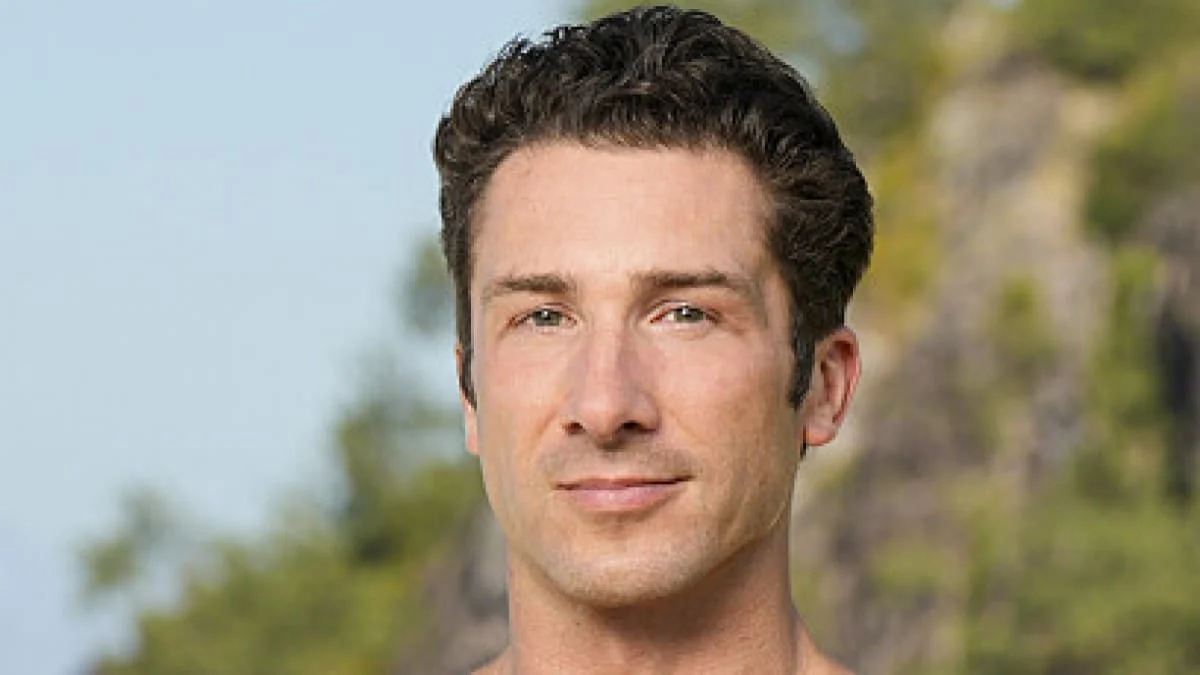
The "New Era" of Survivor has been defined by its rapid pace, its complex advantages, and, perhaps most importantly, its vibrant casting. In the wake of Survivor 48, Episode 9, the conversation has centered on one individual who embodied the spirit of the season: David Kinne. Voted out in a strategic maneuver that saw him become the third member of the jury, Kinne’s departure has sparked a wave of analysis from fans, former players, and the executive producer himself, Jeff Probst.
David Kinne’s journey on the island was not merely a quest for a million dollars; it was a display of a unique archetype that production has long sought to recapture. Following his elimination, the discourse surrounding Kinne has shifted from his strategic blunders to his polarizing personality, his claims of behind-the-scenes conflict, and his potential legacy in the franchise’s storied history.
Main Facts: The Ninth-Place Finisher with a First-Place Impact
David Kinne officially finished in ninth place on Survivor 48, securing a spot on the jury where he will help decide the ultimate winner of the $1 million prize. While a ninth-place finish might seem mid-tier in the annals of the show, Kinne’s impact was outsized.
During a recent episode of the On Fire podcast—the official companion series to the show—Jeff Probst and his co-hosts dedicated a significant portion of time to deconstructing David’s game. Probst’s tone was one of admiration rather than critique, a rarity for players who fall short of the finale. The primary takeaway from the production side was clear: David Kinne was "meant for Survivor."
The core facts of his exit involve a shift in tribe dynamics where David’s perceived threat level and his vocal confidence became a liability. Despite his departure, David has remained in the spotlight, utilizing post-game interviews to shed light on tribe tensions that were allegedly omitted from the final broadcast, specifically involving his relationship with fellow castaway Joe Hunter.
Chronology: From the Casting Zoom to the Ponderosa Walk
To understand the rise and fall of David Kinne, one must look at the timeline of his involvement with the CBS hit.
The Casting Process and Initial Impressions
Before the cameras ever touched the sands of Fiji, David Kinne made an indelible impression on the powers that be. During the casting process, which included high-stakes Zoom sessions with Jeff Probst, producer Matt Van Wagenen, and CBS executives, David presented himself as a high-confidence, high-emotion player.
Probst revealed on On Fire that Matt Van Wagenen was "sold" on David immediately. The production team identified what they called "Coach-esque" qualities in him—a reference to Benjamin "Coach" Wade, one of the most legendary and eccentric characters in the show’s history. This comparison suggests that David was cast specifically to provide a blend of cinematic storytelling and earnest, if sometimes delusional, self-assurance.
The Pre-Game Boast
In the days leading up to the marooning, David made a bold prediction to Probst. He reportedly claimed he would not only win challenges but would set a new franchise record with six individual immunity wins. "When I set the record with my sixth win, then you must say, ‘David, you were right,’" Kinne told Probst. This level of bravado set the stage for his narrative arc: the confident warrior who must eventually face the humility of the vote.
The Episode 9 Blindside
David’s game reached its breaking point in Episode 9. The "New Era" of Survivor rewards those who can hide their intentions, but David’s personality was too large to remain in the shadows. His elimination was the result of a calculated move by his peers who viewed his social presence and his potential for a late-game challenge run as too dangerous to ignore. He left the game with his head high, transitioning into his new role as the third member of the jury.
Supporting Data: The "Coach" Archetype and the Reality of the Edit
The comparison to Benjamin "Coach" Wade is more than just a passing comment; it is a clinical look at Survivor casting archetypes. Coach Wade, the runner-up of Survivor: South Pacific, was known for his "Slayer of Dragons" persona, his tall tales, and his deep-seated desire for "honor" in a game built on deceit.
By labeling David "Coach-esque," Probst and his team were highlighting a specific type of "sensitive but boastful" personality. Supporting this data are the internal descriptors used by CBS brass during the casting finals:
- "Sensitive": David was noted for his emotional transparency.
- "Boastful with Earnestness": Unlike a traditional "villain" who brags to annoy others, David’s boasts were seen as a genuine reflection of his self-belief.
However, David has challenged the "data" presented by the show’s edit. Following his exit, Kinne has been vocal about the "missing footage." He claims that the edit focused heavily on his eccentricities while ignoring the harsher realities of tribe life. Specifically, David has alleged that Joe Hunter engaged in "bullying" behavior in Fiji, a claim that adds a darker layer to the social experiment that viewers did not see on Wednesday nights.
Official Responses: Jeff Probst’s Defense of the Castaway
In the world of reality television, the host’s opinion often serves as the "official" stance of the brand. On the On Fire podcast, Probst was effusive in his praise for Kinne, effectively shielding him from some of the more vitriolic fan critiques.
"David was a blast. He gave so much to the show," Probst stated. "I liked him out of the gate." Probst’s comments serve to validate David’s place in the Survivor pantheon, regardless of his 9th-place finish. By highlighting David’s "earnestness," Probst is signaling to the audience that David’s behavior wasn’t a "performance" for the cameras, but a sincere expression of his character.
Probst also addressed the complexity of the Episode 9 vote, explaining that while David’s confidence was his trademark, it was also his "one mistake." In the modern game, one mistake is often all it takes to shift the target onto a high-profile player. The podcast episode serves as a post-mortem that reconciles David’s pre-game promises with his mid-game exit, framing him as a tragic hero of his own narrative.
Implications: The Future of David Kinne and the Franchise
The fallout of David Kinne’s elimination has several implications for the remainder of Survivor 48 and the franchise at large.
1. The Jury Dynamics
As the third member of the jury, David’s perspective will be vital. His claims of "missing footage" and "bullying" suggest that the jury house (Ponderosa) may be a site of intense debate. If David feels that certain players were portrayed or treated unfairly, his influence could sway the final vote, potentially costing a frontrunner the million-dollar prize.
2. The Path to Survivor 50
With Survivor 50 on the horizon—confirmed to be a "returning players" season—David Kinne has effectively played his way into the conversation. His "Coach-esque" qualities make him a prime candidate for a "Heroes vs. Villains" or "Second Chance" format. Probst’s vocal support on the podcast is often a precursor to a return invite.
3. The Casting Shift for Seasons 49 and 50
As Survivor 49 begins filming in Fiji, the success of David as a "character" reinforces the production’s commitment to casting individuals who are unafraid to be vulnerable and boastful simultaneously. The "New Era" is moving away from purely "game-bot" strategists and returning to its roots of personality-driven conflict.
4. Cross-Platform Potential
The buzz surrounding David has also fueled rumors regarding other reality properties. Recently, "dream casts" for The Traitors Season 4 have circulated, featuring Survivor and Big Brother legends. Given David’s penchant for drama and his articulate nature, he is exactly the type of personality that NBC/Peacock looks for to transition from the island to the Scottish Highlands.
Conclusion
David Kinne’s exit from Survivor 48 is more than a standard elimination; it is a case study in how the show balances gameplay with character development. Through Jeff Probst’s insights, we see a player who was cherished by production for his authenticity. Through David’s own post-game claims, we see the friction that exists between the lived experience of the castaways and the 60-minute edited product.
As the season marches toward its finale, David Kinne will remain a central figure from the jury bench. Whether he is remembered as a "Coach-esque" dreamer or a victim of a harsh edit, his legacy as one of the most memorable faces of Survivor 48 is secure. For now, the "New Era" continues to churn, with Season 49 already underway and the monumental Season 50 looming, promising more characters who, like David, are "meant for Survivor."


 Iffa Jayyana
 Laily UPN