Nana
Nana
In the ever-evolving landscape of modern roguelite deckbuilders, few titles have managed to maintain the momentum established by Super Creative’s Chaos Zero Nightmare. Since its highly anticipated launch in October 2025, the game has undergone significant transformations, most notably with the recent deployment of the expansive "Arise" update. As the meta shifts and players delve deeper into the complexities of the game’s combat mechanics, the development team has once again opened the curtain on their own internal gameplay preferences and the design philosophies that continue to shape the title’s roster.
Five months ago, the Chaos Zero Nightmare development team sat down with Hardcore Gamer to discuss beginner-friendly strategies and their personal favorite combatants. With the "Arise" update now live and the player base having had ample time to test new synergies and experiment with advanced mechanics, we returned to the developers to see how their perspectives—and the game’s internal meta—have matured.
A Legacy of Growth: The Shift in Combatant Utility
The core of Chaos Zero Nightmare lies in its diversity. With a roster that exceeded 25 characters as of early 2026, the game demands that players not only understand individual character kits but also grasp how those kits interact within the broader tactical framework. While early favorites like Nia and the accessible, reliable Haru remain staples for many players, the developers reveal that their own "active rosters" have expanded significantly.

The consensus among the team is that the most compelling combatants are those that offer depth. A character might start as a niche utility option, but through balance patches and community feedback, they often emerge as a cornerstone of the meta. The following four combatants have surfaced as the current favorites among the developers, each serving as a case study for the game’s evolving design philosophy.
Nia: The Triumph of Persistent Refinement
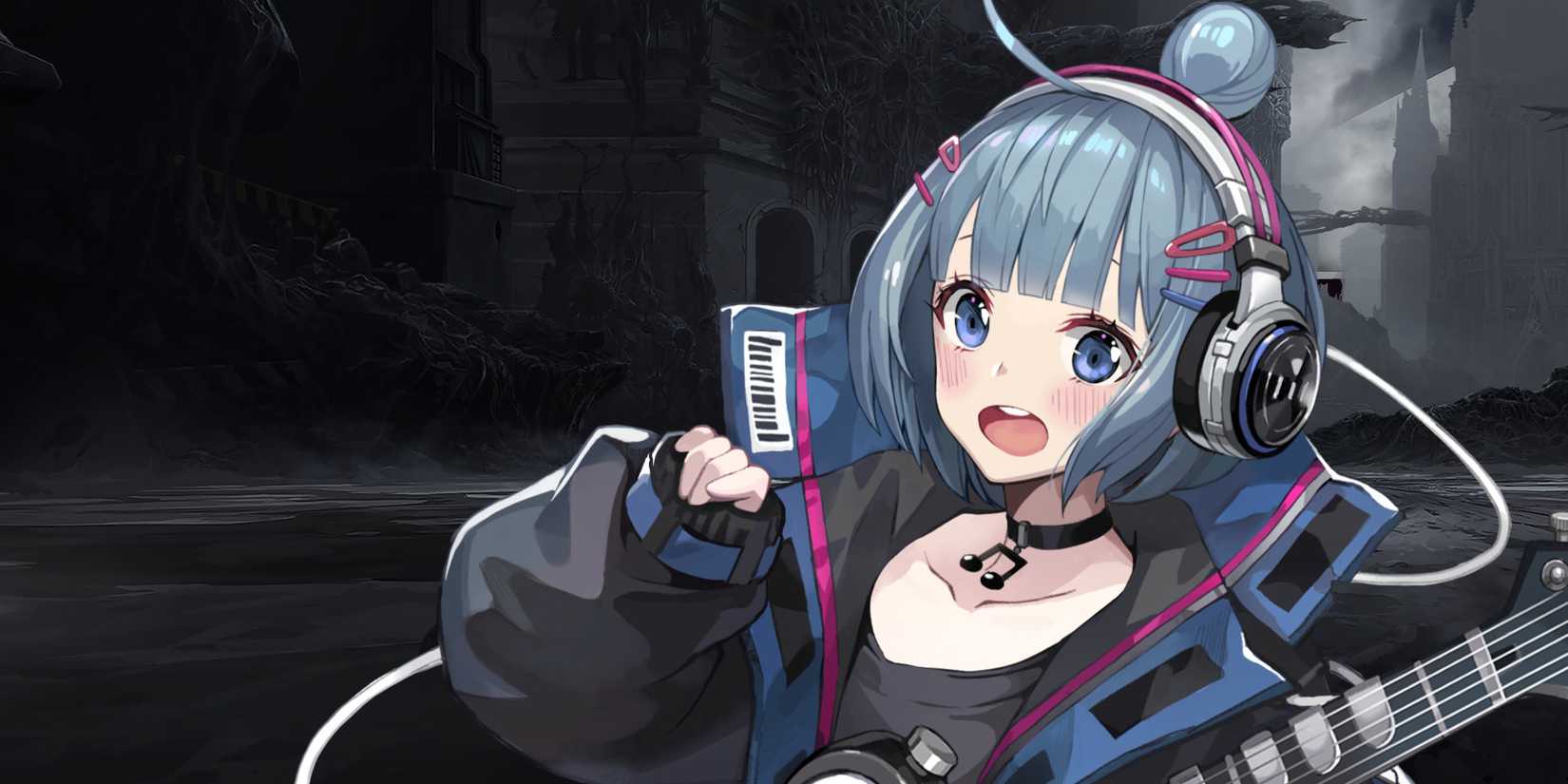
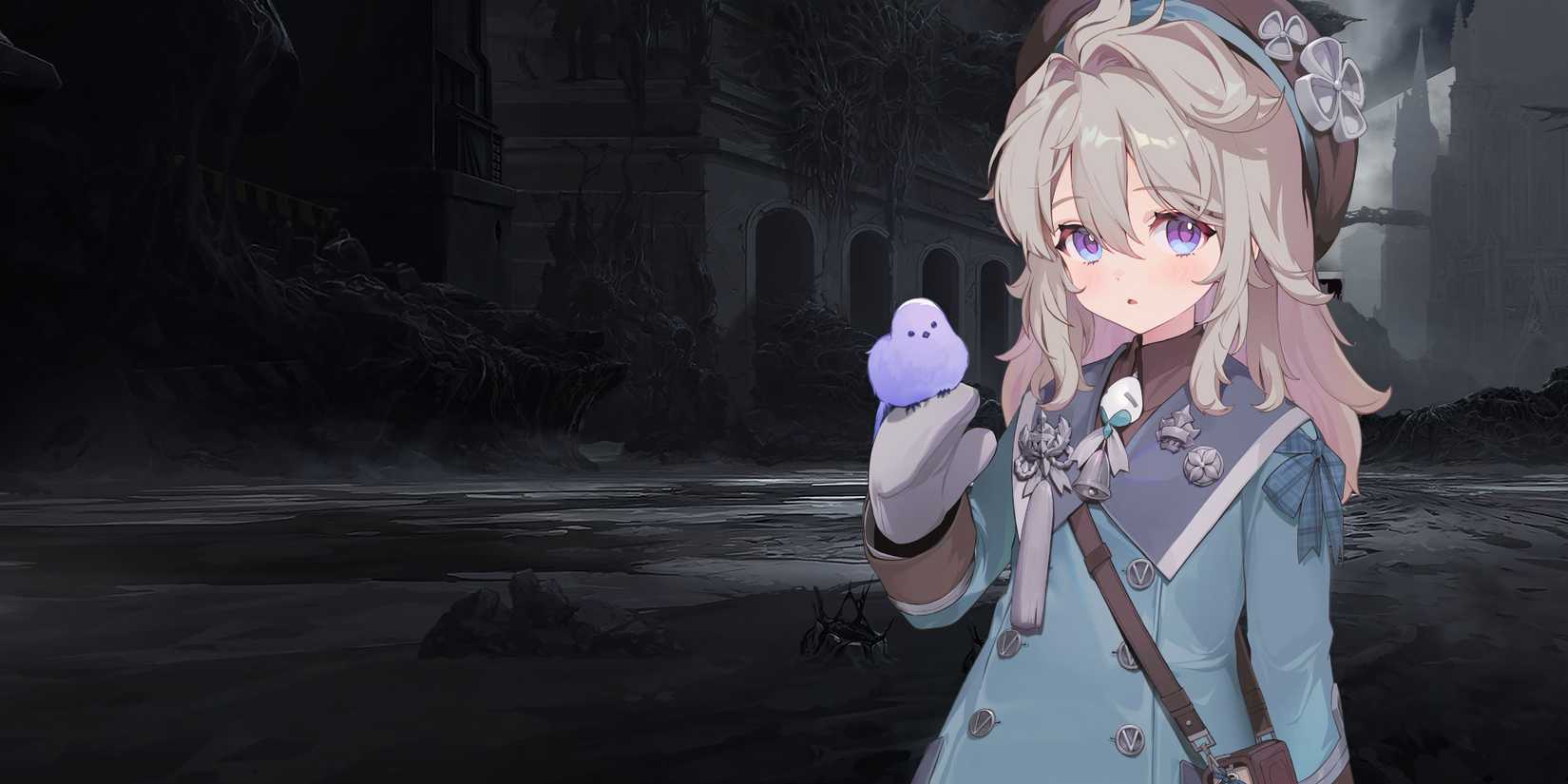
Nia serves as the quintessential example of how the Chaos Zero Nightmare team approaches character balance. Initially introduced as a strategic entry point for newcomers, Nia’s early performance left something to be desired in high-level play.
"At launch, her somewhat weak sustain made it difficult for her to be used in diverse environments," a spokesperson for the development team noted. "However, after receiving continuous sustain buff patches, she has now become one of the most beloved combatants within the dev team."

This trajectory highlights the developer’s commitment to the "SR-tier viability" philosophy. The team believes that rarity should not dictate a character’s utility. By refining Nia’s sustain, they allowed her to transition from a "beginner’s crutch" to a reliable, mid-to-late-game powerhouse. For the developers, Nia is not just a character; she is a proof-of-concept that demonstrates how minor, iterative adjustments can breathe new life into a character’s core loop without compromising their identity.
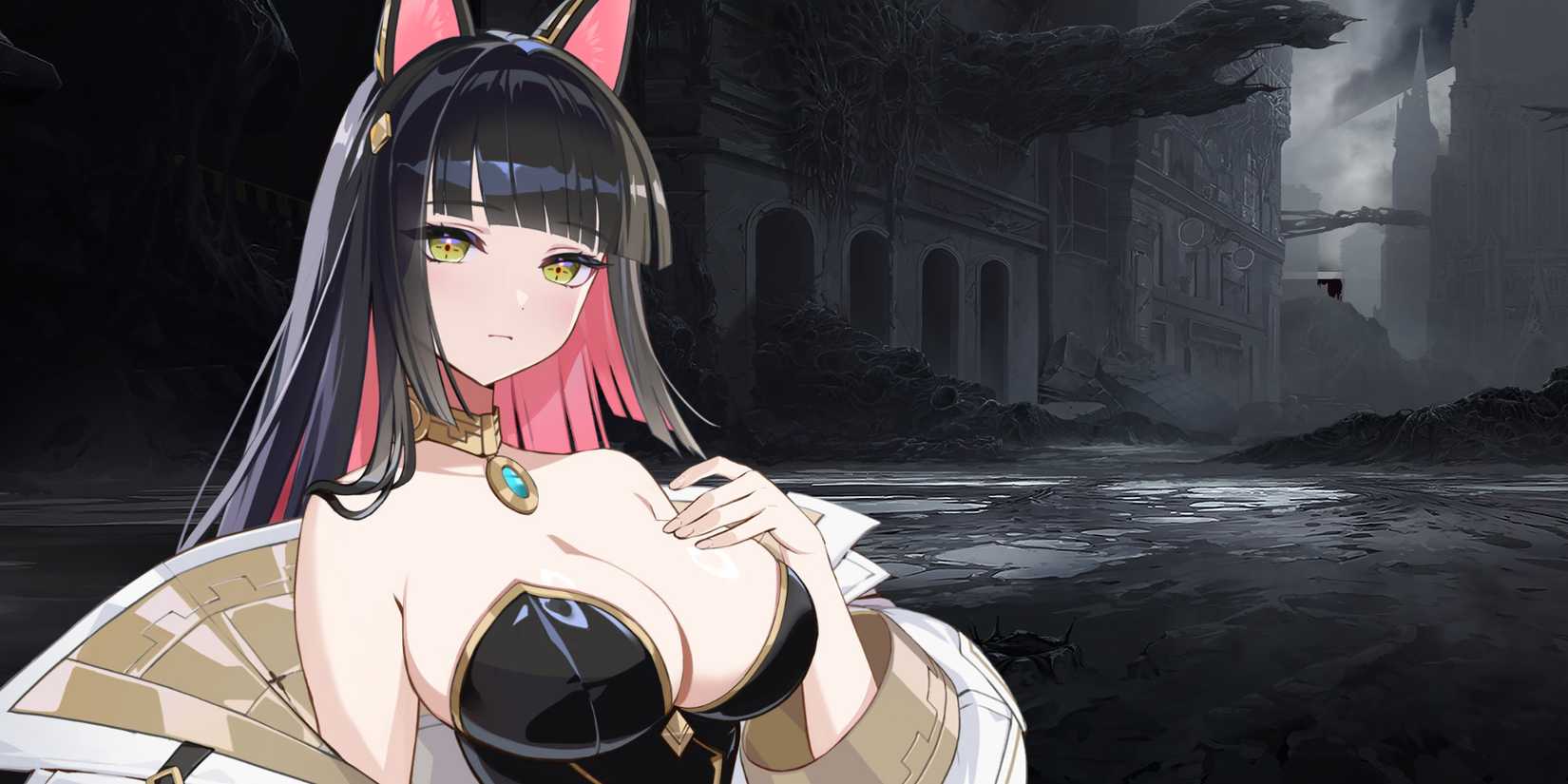
Rita: Mastering the Chrono Archon
If Nia represents the success of incremental balancing, Rita represents the challenge of conceptual innovation. As a "Chrono Archon," Rita was designed to manipulate the flow of battle, but translating such a high-concept idea into a functional roguelite mechanic proved to be one of the team’s most significant hurdles.
"Rita is a combatant whom the dev team pondered over extensively regarding how to seamlessly integrate her unique concept as a Chrono Archon into combat," the designers explained. "Because she possesses one of the most distinctive unique abilities, we faced challenges in designing her detailed effects."

The solution came through her interaction with AP (Action Points). By allowing Rita to bypass standard AP consumption, she functions as a force multiplier. When paired with "Common Epiphany," she shifts from being a mere attacker to a vital utility buffer. Her presence in the dev team’s rosters is a testament to the fact that when a character’s mechanics are truly unique, they create their own space in the meta, challenging players to rethink traditional team compositions.
Tiphera: The Geometry of Support
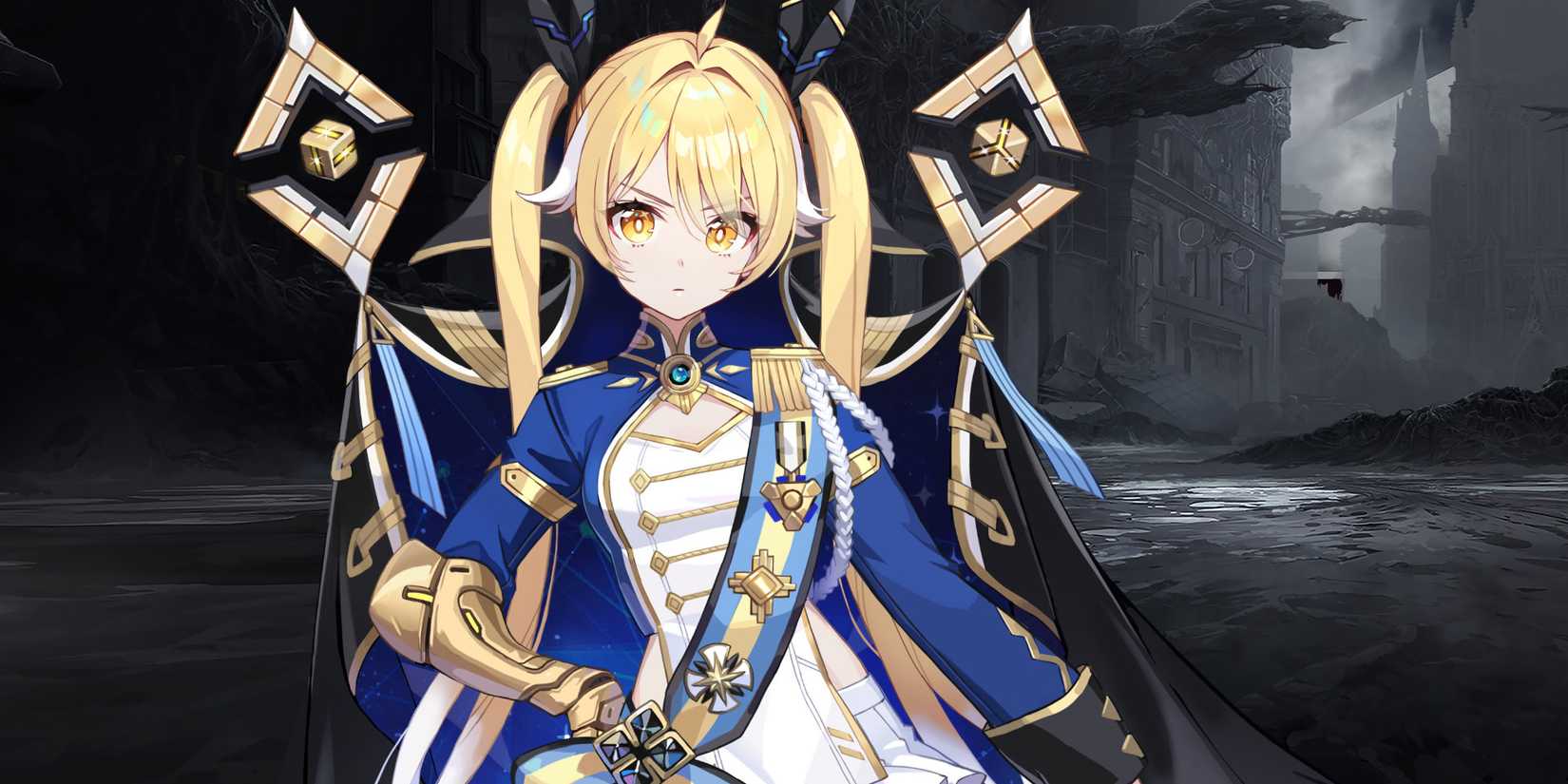
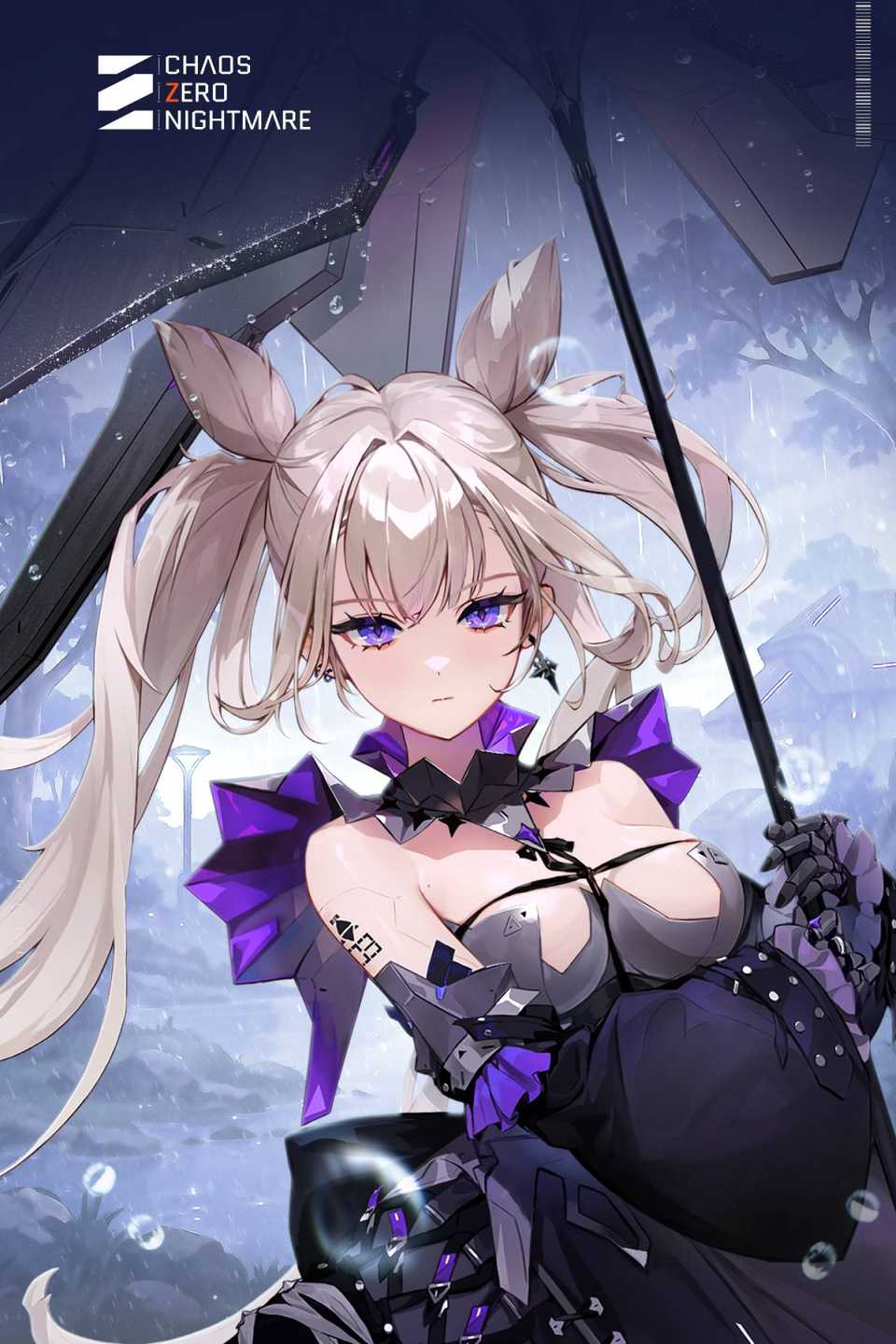
Tiphera occupies a fascinating space in the game’s roster. Visually and narratively framed as a disciplined military figure, her actual gameplay output—shielding, healing, and support—often surprises players. However, this dichotomy is exactly what the developers intended.
Tiphera was conceived as a specialist in "Exhaust" mechanics and single-target precision. During the development cycle, the team focused on ensuring her high-level capabilities did not overwhelm the player with unnecessary complexity.
"In particular, some team members found her effect design utilizing geometric shapes highly appealing," the design team remarked. "As a result, we were able to present her as a combatant with a unique concept who is beloved by many Protos [the game’s player base]."
Her popularity among the staff suggests that Tiphera’s design hits a sweet spot: she is powerful enough to be a top-tier choice for difficult runs, yet her aesthetic and mechanical "signature" (the use of geometric patterns) provides a distinct satisfaction that transcends raw stat efficiency.
Adelheid: From Fairy Tale to Vanguard
Adelheid’s story is perhaps the most illustrative of the team’s iterative design process. Originally conceptualized with a theme of fairy-tale-inspired animals, she was initially planned as a straightforward back-line support healer.
However, as the design matured, the team realized that the game’s current meta lacked a certain flavor of protection. They pivoted, re-imagining Adelheid as a "Vanguard" who utilizes her magical storybook not just to heal, but to provide robust shielding that protects her allies.
"We realized that shaping her around a Vanguard concept focused on protecting allies could offer a different impression from existing Vanguards and create new synergies with various combatants," the team noted. This pivot allowed Adelheid to move from a generic healer to a character with a defined, proactive role. Her design journey from a support-focused character to a protective anchor is emblematic of how the developers listen to the needs of the game’s mechanical ecosystem.
The Broader Implications of Design Philosophy
The insights provided by the Chaos Zero Nightmare team offer a glimpse into the mechanics of long-term live service support. By focusing on these four characters, the developers are signaling a move away from "power creep" and toward "synergy expansion."
The "Arise" update, which introduced the much-discussed "Sortie" mode, further reinforces this direction. The Sortie mode requires players to think differently about their rosters, forcing them to move beyond a "main team" and instead consider how individual characters function in constrained, roguelite-style environments. When developers highlight characters like Nia or Rita, they are essentially providing a roadmap for players on how to approach these new challenges.
The Role of Player Feedback
The team acknowledges that while they have their favorites, the community’s engagement with the game is often the ultimate judge of a character’s design. While the internal team may prioritize certain mechanics, the players are the ones who find the "broken" synergies or the overlooked gems. This feedback loop is clearly vital; the developers emphasized that they are constantly monitoring how characters like Tiphera and Adelheid perform in the wild compared to their internal testing environments.
Looking Toward the Future
With a roster that has continued to grow well past the 25-character mark, Chaos Zero Nightmare faces the perennial challenge of the "gacha" and deckbuilder genres: maintaining balance while introducing novelty.
The developers’ focus on refining existing characters rather than solely relying on new releases is a sustainable approach that benefits both the player and the game’s longevity. By ensuring that legacy characters—such as Nia—remain relevant through thoughtful updates, the developers keep the barrier to entry manageable for new players while providing veterans with the depth they crave.
Conclusion
As Chaos Zero Nightmare continues to mature on both PC and mobile platforms, the relationship between its developers and its community remains the backbone of its success. The "Arise" update was not merely a collection of new features; it was an invitation to revisit the game’s core mechanics with a fresh pair of eyes.
Whether you are a newcomer struggling to find your footing with a starter squad or a seasoned Protos looking to optimize your latest run, the developers’ advice remains consistent: look for characters who offer utility beyond their base stats. Characters like Nia, Rita, Tiphera, and Adelheid are more than just combatants—they are lessons in the potential for tactical growth, proving that in Chaos Zero Nightmare, the most powerful weapon in your arsenal is your own ability to adapt, experiment, and evolve.
As the team at Super Creative continues to iterate and expand, players can rest assured that the game’s roster will only grow more complex, more diverse, and more rewarding to master. For now, it is time to return to the fray, perhaps with a new appreciation for the storybooks, geometric shields, and temporal manipulation that make this game a standout in the genre.


 Asro
Asro
 Muslim