Sagoh
Sagoh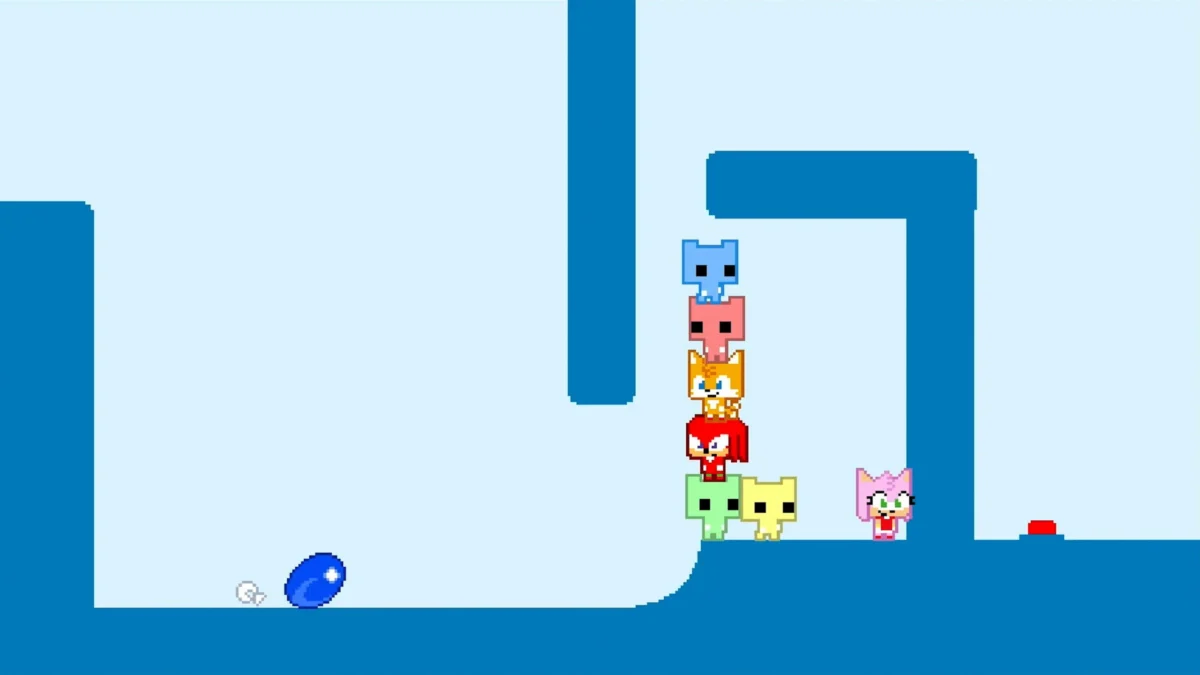
By Zackari Greif
Published June 22, 2026
The world of gaming is often defined by its grand, sweeping epics, but sometimes the most memorable experiences emerge from the collision of two unlikely worlds. As the Sonic the Hedgehog franchise celebrates its 35th anniversary this year, Sega has opted to take a detour from its traditional high-speed, 3D spectacles. During the Summer Game Fest 2026, amid a flurry of updates regarding Sonic Racing: CrossWorlds and its surprising Neon Genesis Evangelion crossover, the company unveiled its most experimental project yet: Sonic Pico Park.
By blending the kinetic, momentum-based platforming of the Blue Blur with the collaborative, stress-inducing puzzle design of Teco Park’s cult-classic Pico Park, Sega has created something that feels remarkably fresh. It is a title that promises to test both the friendships and the reflexes of players worldwide.
The Genesis of a Crossover: Blending Two Worlds
To understand the significance of Sonic Pico Park, one must first appreciate the distinct DNA of the two franchises being merged. Pico Park is a minimalist, cooperative puzzle-platformer that thrives on simplicity. Its brilliance lies in its ability to take a basic mechanic—such as jumping or moving a block—and turn it into a high-stakes challenge that requires perfect synchronization. It is a game designed to make friends yell, laugh, and inevitably sabotage one another.
In contrast, Sonic the Hedgehog has spent over three decades perfecting the art of velocity. The franchise is built on level designs that reward momentum, loop-de-loops, and the satisfying chime of collecting rings. While these two design philosophies might seem at odds, the implementation seen at Summer Game Fest proves that they are, in fact, complementary. The speed of Sonic provides a necessary layer of urgency to the methodical, team-oriented puzzles of the Pico Park formula.
Chronology of the Reveal and Hands-On Impressions
The announcement of Sonic Pico Park caught the industry by surprise. While rumors of a smaller-scale Sonic project had been circulating in the lead-up to Summer Game Fest, few expected a direct collaboration with the Pico Park team.

During our hands-on session at the event, we were treated to a series of early-game tutorials that effectively showcased how these disparate worlds harmonize. The experience began with the basics: movement and jumping. However, players were quickly introduced to the "Spin Dash," the defining mechanic of the Sonic series. In Sonic Pico Park, this move serves a dual purpose—it provides the burst of speed required to clear wider gaps, but it also functions as a tool for navigating the game’s unique environmental puzzles.
Key Gameplay Mechanics Observed:
- Character-Specific Abilities: Familiar faces like Tails and Knuckles retain their classic movesets. During our playthrough, we discovered that Tails could carry other players through the air, while Knuckles could glide to reach distant platforms. These additions allow for complex, multi-layered problem-solving.
- The Ring Economy: In a brilliant twist on the traditional Pico Park "lives" system, rings act as a defensive buffer. If a player hits a spike or falls into a pit, they lose a ring rather than an immediate life. However, the game allows for "ring theft"—players can use their Spin Dash to knock rings out of their teammates, a mechanic that is destined to become the primary source of inter-player conflict.
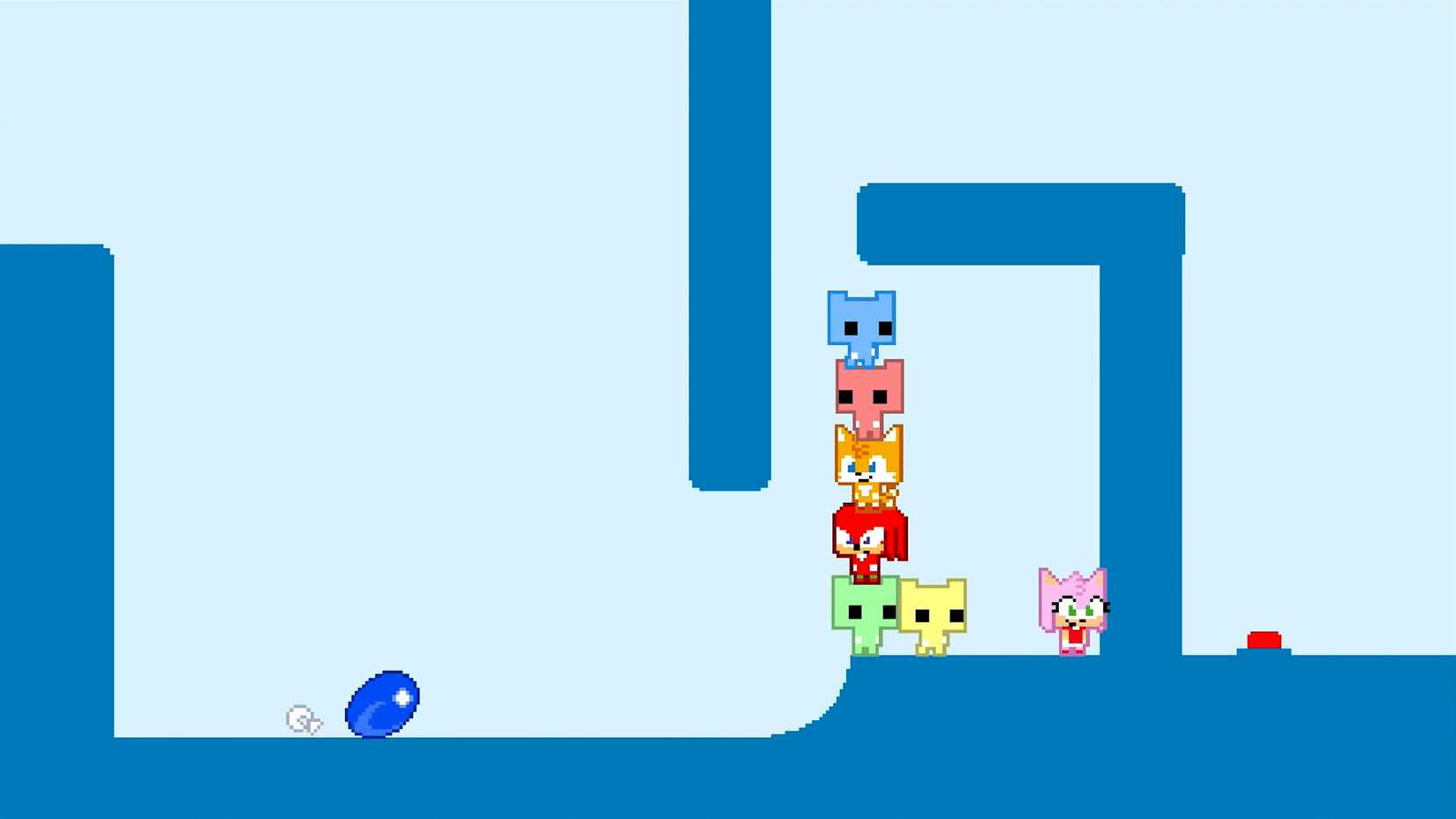
- Collaborative Stacking: Much like the original Pico Park, certain obstacles require players to physically stack on top of one another to create bridges or reach high-altitude buttons. Watching a team of Sonic characters create a human staircase is as hilarious as it is effective.
Supporting Data: Why This Formula Works
The success of Sonic Pico Park hinges on its accessibility. While high-octane 3D Sonic titles like Sonic Frontiers or Sonic Generations cater to players seeking an adrenaline rush, Sonic Pico Park targets the social gaming demographic.
According to industry trends, cooperative, "chaotic" multiplayer games have seen a massive resurgence over the last five years. Titles that emphasize communication and teamwork—even when that teamwork devolves into petty, good-natured sabotage—consistently perform well on streaming platforms. By attaching the globally recognized brand of Sonic the Hedgehog to this established, successful genre, Sega is positioning the game to reach a wider, more casual audience than a mainline platformer might.
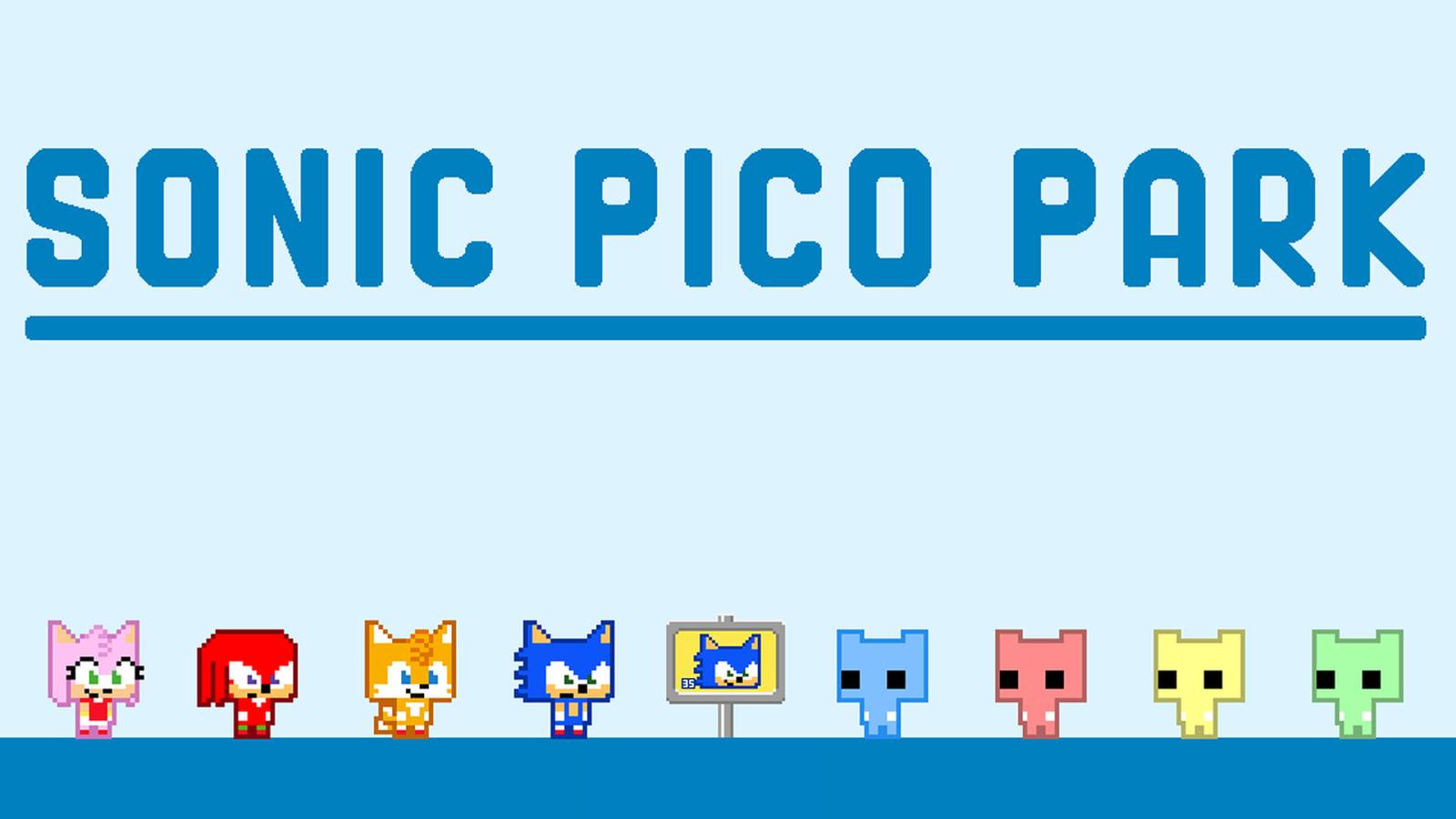
Furthermore, the sprite work deserves recognition. The developers have successfully translated the iconic designs of Sonic, Tails, Amy, and Knuckles into the minimalist, flat-aesthetic style of Pico Park. The result is a charming, visually distinct game that feels like a loving homage to both franchises.
Official Perspectives and Development Strategy
While Sega has remained tight-lipped regarding the full scope of the game’s level count or potential online connectivity, the sentiment from the development team at the show was clear: this is a celebration of the community.
In a brief statement following the reveal, representatives highlighted that Sonic Pico Park was developed as a "passion project" to bridge the gap between the franchise’s long-term hardcore fanbase and the modern, casual multiplayer crowd. The game is viewed as an "appetizer"—a lighter, more experimental experience to occupy fans during the 35th-anniversary window, ensuring that the brand remains visible without competing directly with larger, AAA titles currently in development.
The inclusion of the Neon Genesis Evangelion collaboration in Sonic Racing: CrossWorlds also suggests that Sega is becoming increasingly comfortable with "weird" or unexpected crossovers. This willingness to experiment with the Sonic IP is a major shift from the brand’s more conservative era in the early 2010s, signaling a period of creative freedom within the company.
Implications for the Sonic Franchise
What does Sonic Pico Park mean for the future of the Blue Blur? Firstly, it confirms that Sega is committed to keeping the franchise relevant through variety. By diversifying its output—ranging from high-speed action to puzzle-based co-op—Sega is effectively ensuring that "Sonic" can be many things to many people.
Long-Term Impact:
- Brand Diversification: The success of this title could pave the way for more spin-offs that explore unconventional genres. If a puzzle-coop game can work, why not a Sonic-themed management sim or a turn-based tactical RPG?
- Community Building: By focusing on cooperative gameplay, Sega is fostering a more positive, interactive community. The nature of the game encourages players to share experiences, record "fails," and engage in the kind of viral social media moments that drive long-term engagement.
- Low-Stakes Innovation: This game provides a testing ground for mechanics that could eventually be integrated into larger titles. The way players interact with one another in Sonic Pico Park—the stacking, the carrying, and the competitive ring-stealing—offers a sandbox for developers to see what gameplay loops resonate most with players.
Final Thoughts: An Essential Experience?
After completing roughly eight levels during the preview, it is easy to see the appeal. Sonic Pico Park is not trying to revolutionize the platforming genre, nor is it attempting to redefine the Sonic legacy. Instead, it is a focused, polished, and undeniably fun experience that prioritizes the "social" in social gaming.
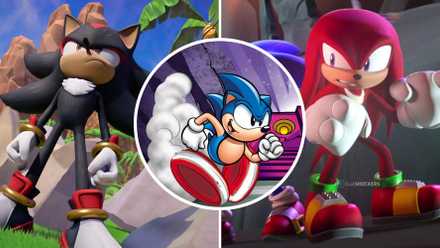
For fans who have grown up with the franchise, seeing these characters reduced to their most charming, bite-sized forms is a delight. For those new to the series, the barrier to entry is non-existent. As we look toward the remainder of the 35th-anniversary year, Sonic Pico Park stands out as a reminder that sometimes, the best way to move forward is to take a step back, simplify, and invite a few friends along for the ride.
Whether you are looking to test the strength of your friendships or simply want to see how fast you can navigate a pixelated loop-de-loop, Sonic Pico Park is shaping up to be one of the most unexpected, yet essential, additions to the Sonic library. It is a testament to the fact that, even at 35, the world’s fastest hedgehog still has a few surprises left in his sneakers.

 Asro
Asro
 Muslim