Laily UPN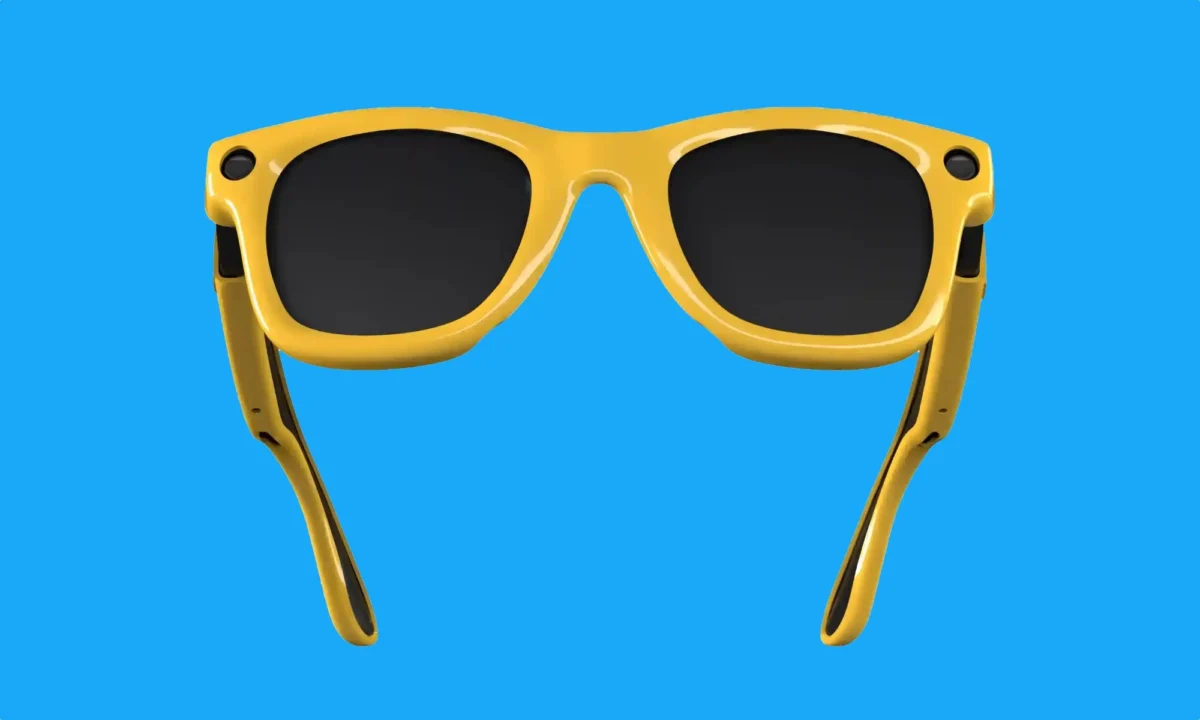
The era when smart glasses were relegated to the "tech-enthusiast-only" bin—often characterized by bulky, unattractive frames and awkward aesthetics—has definitively come to a close. As technology companies strive to make wearable tech invisible, the industry has shifted toward blending high-end computation with classic fashion. While Meta’s collaboration with EssilorLuxottica has set a new gold standard by seamlessly integrating smart features into iconic Ray-Ban silhouettes, a new player has emerged to challenge the status quo. Enter Lorika, an Italian startup that is turning the concept of "smart eyewear" on its head by treating it less like a computer and more like a canvas for personal expression.
The Genesis of the "Ontop" Concept
At the core of this movement is Lorika, a team of entrepreneurs under the age of 30 who identified a gap in the market: while functionality had improved, individuality had stalled. Their flagship product, the "Ontop" cover, is a clever, modular accessory system designed specifically for the Ray-Ban Meta smart glasses.
The name is as literal as it is descriptive. The Ontop covers are precision-engineered frames that snap directly over the existing structure of the glasses. Constructed from a high-grade polycarbonate plastic infused with elastic polymers, the covers provide both structural stability and a custom aesthetic without interfering with the hardware that makes the glasses "smart." Crucially, the design accounts for the device’s integrated cameras and directional speakers, ensuring that the user experience remains unhindered by the added layer of plastic.

A Timeline of the Smart Glasses Evolution
To understand why Lorika’s innovation is significant, one must look at the trajectory of smart eyewear over the last decade.
- 2013–2015 (The "Glass" Era): The launch of Google Glass marked the first widespread attempt at consumer-facing smart glasses. However, the design was undeniably clinical, branding users as outsiders or "Glassholes" in many social circles.
- 2019–2021 (The Search for Normalcy): Startups like North (acquired by Google) and various boutique brands attempted to make glasses look like traditional frames. While these were technically impressive, they often failed to capture the cultural cachet of established fashion brands.
- 2023–2025 (The Ray-Ban Meta Partnership): Meta’s pivot to leverage the Ray-Ban Wayfarer aesthetic changed the game. By utilizing a design that was already a cultural icon, Meta normalized the idea of wearing technology on one’s face.
- 2026 (The Customization Revolution): With the market now saturated with "standard" smart frames, the focus has shifted toward personalization. Lorika represents the current wave of third-party accessories that seek to "democratize" the look of wearable tech, allowing users to move away from the uniform black-and-tortoise-shell color palette.
The Anatomy of the Ontop Cover
The technical specifications of the Ontop cover reflect a deep understanding of the hardware they are meant to protect. Despite being only one millimeter thick, the covers provide a distinct, "chubby" aesthetic that has become a niche fashion statement in the tech-wear community.
The installation process is designed for simplicity. A primary piece clips securely around the lens, effectively wrapping the front of the frame, while smaller, secondary pieces snap onto the arms. This dual-layer approach serves two purposes: aesthetic customization and structural reinforcement.

Bridging the Gap Between Fashion and Utility
The inspiration for this project was born from a frustrating, yet common, experience for early adopters. Lorika’s CEO, Giorgio Di Cesare, was an early proponent of the Ray-Ban Meta glasses, but his enthusiasm was tempered when one of his pairs snapped at the hinge—a common failure point for high-tech wearables that require complex internal wiring.
Di Cesare realized that if smart glasses were to become a staple of daily fashion, they needed to be treated with the same protective mindset as smartphones. Just as consumers wouldn’t dream of carrying a $1,000 phone without a case, Di Cesare concluded that these glasses needed a "case" that could withstand daily wear and tear while offering a unique visual flair. By creating a shell that reinforces the hinges, Lorika isn’t just selling a fashion accessory; they are selling peace of mind.
Supporting Data: Why Customization Matters
The success of the wearable market is predicated on the "social acceptability" of the device. According to recent market analysis in the wearable sector, consumers are significantly more likely to adopt smart technology if it does not deviate from their established personal style.

Data shows that while the internal hardware of the Ray-Ban Meta glasses is highly rated, users frequently cite "lack of color variety" as a primary drawback. By offering a range of vibrant, interchangeable covers, Lorika is effectively allowing users to own multiple versions of the same device without the financial commitment of purchasing several pairs of smart glasses. At a price point of $35 to $40, the covers are priced as "impulse purchases," a strategy that mirrors the highly successful phone case market.
Official Stance and Future Implications
While Lorika currently lacks an official partnership with Meta, their trajectory suggests a confident path forward. The startup has publicly stated that their long-term roadmap includes expanding beyond the Ray-Ban Meta ecosystem. They are currently evaluating technical requirements to develop similar covers for other leading brands, including Oakley and various display-centric smart glasses currently in development by competitors.
Industry analysts suggest that this "accessory-first" approach is the most viable path for smaller startups looking to enter the wearable space. Instead of fighting against the giants of the industry, companies like Lorika are building on top of the existing infrastructure, creating a symbiotic relationship that benefits the end user.

A New Market Opportunity
The implications for the industry are clear: the future of smart glasses is not just in the screen or the processor, but in the chassis. As AR (Augmented Reality) and AI-integrated eyewear become more prevalent, the demand for modular, customizable, and protective housing will only increase. Lorika is at the vanguard of this shift, proving that the tech industry no longer needs to be synonymous with a cold, metallic, or monochromatic aesthetic.
Conclusion: Why This Matters for the Consumer
We have reached a turning point in the adoption of wearable technology. The "awkward phase" is over. We are now entering a phase of maturation where users demand the ability to curate their tech to match their personality.
By introducing the Ontop covers, Lorika has done more than just create a piece of plastic; they have validated the idea that our wearable devices should be as expressive as the clothes we wear. Whether it is to protect a fragile hinge or simply to add a splash of color to an otherwise standard black frame, these accessories represent the democratization of high-tech hardware.

As we look toward the future of the metaverse and personal AI, the most successful devices will be the ones that disappear into our lives—or, in the case of Lorika, the ones that allow us to customize our relationship with that technology. For those who have been hesitant to jump into the smart glasses game, the barriers to entry are falling, and for the first time, the "nerd" factor has been completely replaced by personal style. The race to make smart glasses look less like prototypes and more like accessories has truly begun, and if Lorika’s initial success is any indication, the future looks bright, colorful, and entirely custom.


 Muslim
 Evan Lee Salim