Ali Ikhwan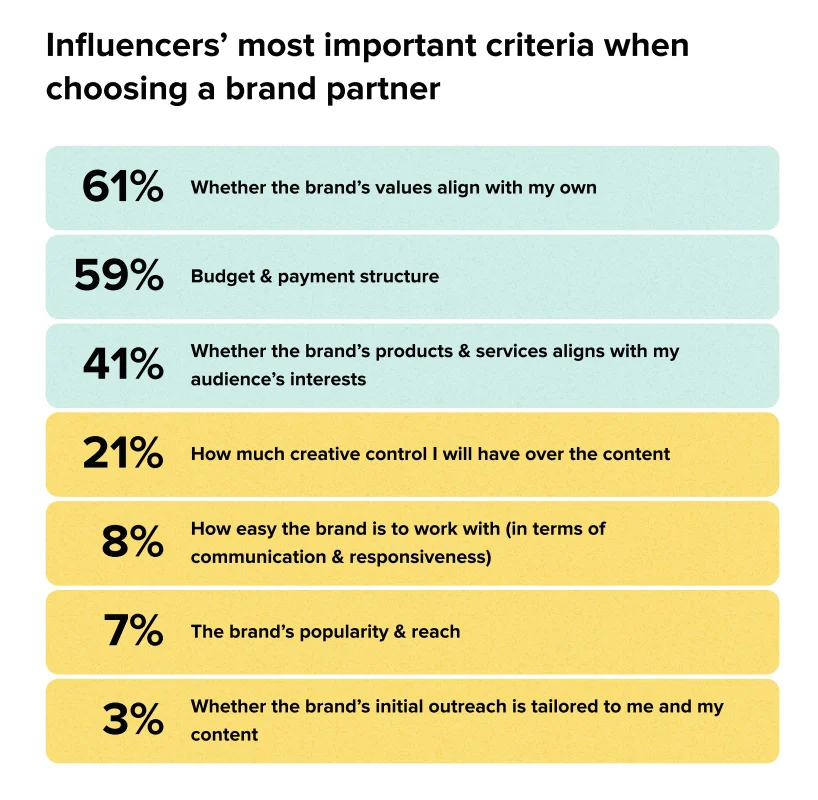
In the modern digital economy, the influencer marketing industry has matured from a Wild West of product seeding into a sophisticated, multi-billion-dollar pillar of corporate marketing strategy. Yet, beneath the polished surface of viral Reels and high-engagement TikTok campaigns lies a persistent, often manual, and increasingly fragile operational layer: the payment process.
For many marketing teams, the journey from campaign ideation to execution is seamless. However, the final mile—getting funds into the hands of creators—remains a grueling, administrative slog. As brands scale their creator programs, they are discovering that the traditional "spreadsheet-and-email" approach to payments is no longer just tedious; it is a major business risk.
The Main Facts: The Hidden Cost of Manual Administration
At its core, influencer payment is the vital link between a brand’s marketing goals and the creator’s livelihood. When this process falters, the consequences are immediate. Delayed payments do not just frustrate creators—they damage brand reputation, impede future collaborations, and create significant friction between marketing departments and corporate finance teams.
The core challenge lies in the sheer volume of variables. A single campaign might involve creators across five different countries, all using different currencies, requiring varying tax documentation (such as W-9 or W-8 forms), and adhering to different payment schedules. When these processes are handled manually, the margin for error is razor-thin. Tracking down bank details, verifying invoices, and reconciling payments against campaign budgets often consumes hours that should be dedicated to creative strategy.

Chronology of a Payment Workflow
To understand why the process frequently breaks down, it is helpful to look at the typical lifecycle of an influencer payment:
- Contractual Negotiation: The influencer and brand agree on terms—fixed fee, performance commission, or hybrid model.
- Administrative Onboarding: The brand collects tax documents, bank details, and compliance information. This is often where the first, and most common, bottleneck occurs.
- Content Execution: The creator delivers the content.
- Invoice Submission and Verification: The influencer sends an invoice, which the marketing team must verify against the original contract.
- Finance Approval: The invoice is passed to the finance department, often sitting in a queue alongside hundreds of other vendor payments.
- Disbursement: Funds are sent via wire transfer, ACH, or peer-to-peer services.
- Reconciliation: The marketing team marks the payment as complete, often in a separate, disconnected spreadsheet.
This cycle is repeated for every individual creator. As programs scale, this serial process becomes a logistical nightmare, frequently leading to late payments and "chase emails" that erode the relationship between the brand and the creator.
Supporting Data: Why Structure Matters
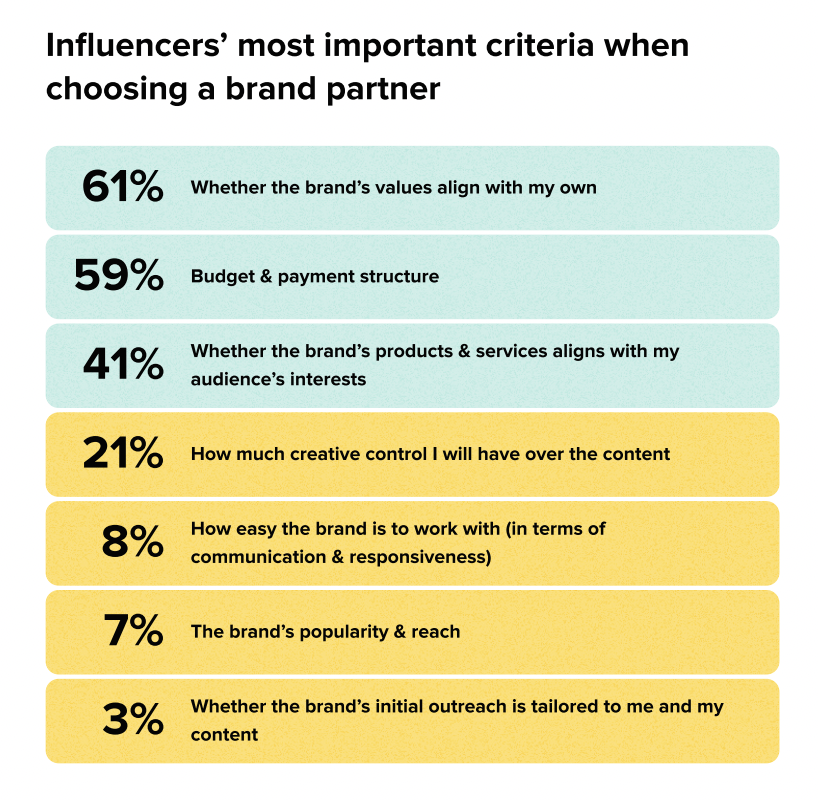
According to The State of Influencer Marketing Report, 59% of influencers cite budget and payment structure as the most critical criteria when deciding whether to partner with a brand. This indicates that payment efficiency is not merely an internal administrative concern; it is a competitive advantage in securing top-tier talent.
Furthermore, industry data highlights the shift toward long-term partnerships. 71% of influencers are willing to offer discounted rates when hired for multi-post, long-term engagements. However, to manage these retainers effectively, brands need robust systems that can track recurring payments, a task that becomes impossible to scale manually.
| Compensation Model | Best For | Budget Predictability | ROI Tracking |
|---|---|---|---|
| Flat Fee | One-off campaigns | High | Moderate |
| Performance/Affiliate | Direct response/E-commerce | Low | High |
| Product Gifting | Nano-influencers/Seeding | High | Low |
| Long-term Retainer | Brand ambassadors | High | Moderate |
| Hybrid Model | Performance-driven partnerships | Moderate | High |
Official Perspectives: Shifting to Automated Infrastructure
The industry is moving toward a "unified workflow" model, where payment is treated as an integrated component of the marketing tech stack rather than an isolated finance task. Platforms like Sprout Social have begun to lead this charge by embedding payment tools directly into the campaign management interface.
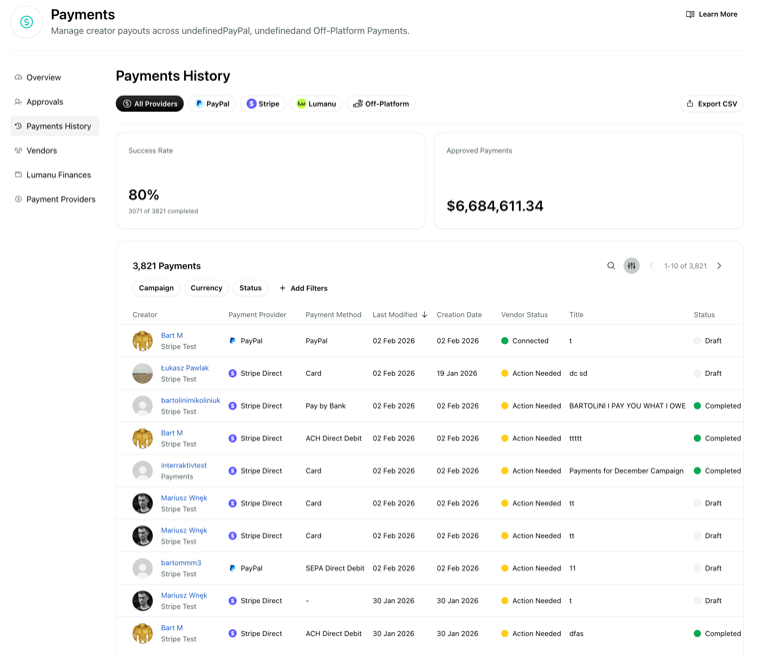
By integrating directly with financial infrastructure, brands can eliminate the "platform-switching" that leads to data loss. For instance, integrations with services like Lumanu allow for the automated collection of W-9 and W-8 forms and the seamless filing of IRS 1099s. This shift removes the burden of compliance from the marketing team, allowing them to focus on creativity while the system handles the regulatory heavy lifting.
"The goal is to remove the friction," says a spokesperson for integrated marketing platforms. "When a creator can log into a hub to see their payment status, and a brand manager can see their entire budget health on a single dashboard, you eliminate the constant back-and-forth that kills productivity."
Implications for the Future of Creator Economy
The implications of this shift are profound for the future of influencer marketing. As brands move from sporadic, one-off activations to "always-on" creator programs, the operational maturity of the brand becomes a factor in their success.
1. The Rise of the "Creator-Finance" Partnership
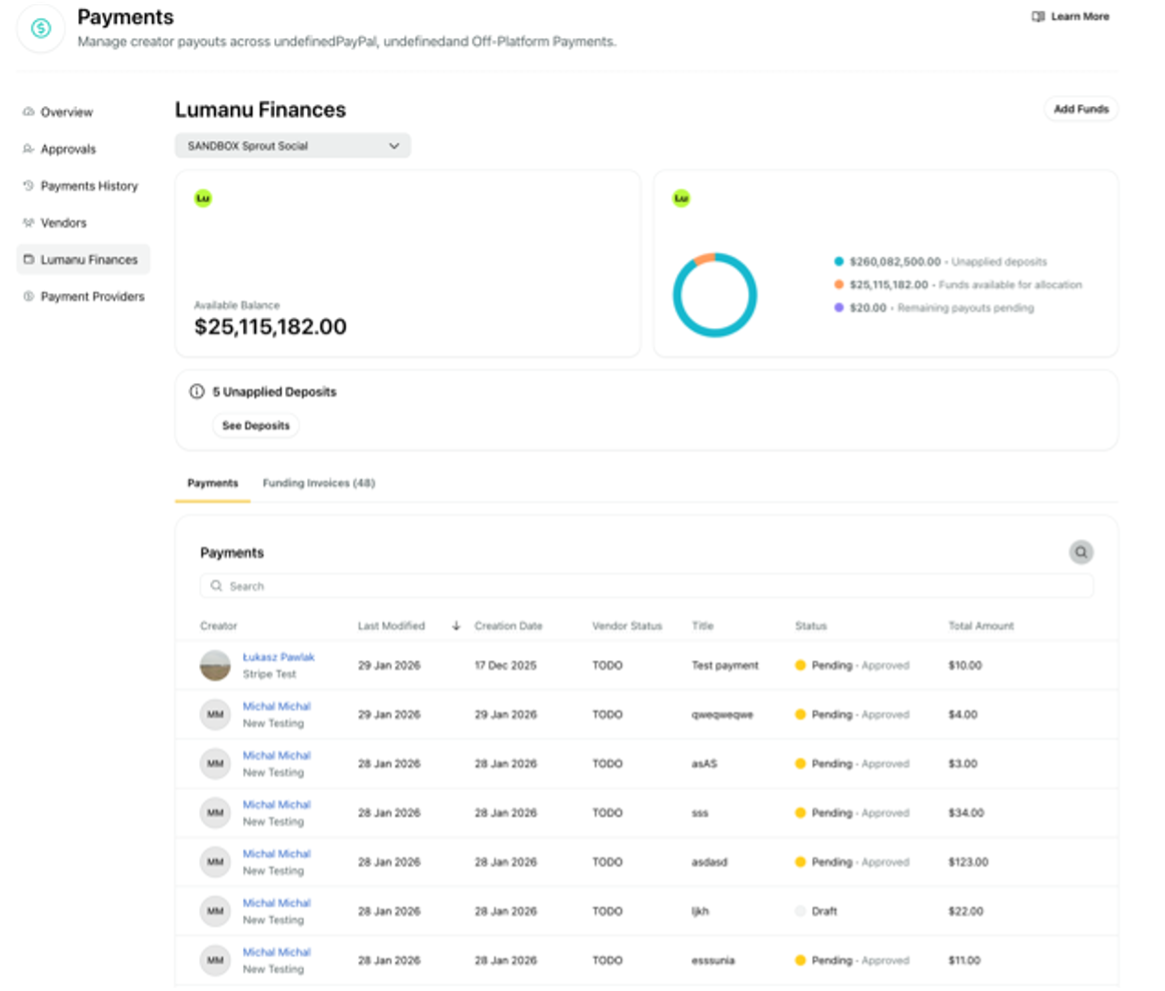
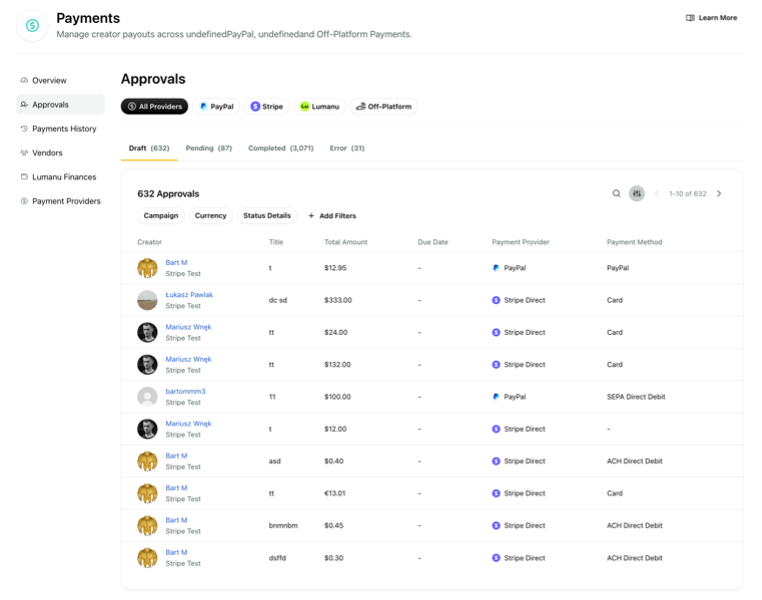
Marketing teams will increasingly need to act as "mini-finance" offices. They must maintain audit trails, manage global tax compliance, and reconcile expenses in real-time. This requires tools that provide "audit-ready" CSV exports and transparent status tracking (Draft, Pending, Completed, Error).
2. Enhanced Security and Compliance
Manual handling of sensitive banking information via email is a massive security liability. By using centralized, secure platforms, brands can protect creator privacy and ensure that sensitive financial data is never exposed in insecure communication channels.
3. Scalability through Self-Service
The most effective way to scale is to empower the creator. By implementing a "Creator Hub," where partners can manage their own payment details, brands reduce administrative overhead significantly. This proactive approach ensures that the brand remains a "partner of choice," as creators appreciate the transparency and reliability of a professionalized payment system.
4. Global Payout Challenges
As brands tap into international talent, the complexity of currency conversion and cross-border tax law increases. Automated systems that support multi-currency payouts and integrate with specialized global payment processors are no longer optional for enterprise-level programs—they are a prerequisite for global operations.
Conclusion: Professionalizing the Workflow
The "headache-inducing" manual workflow of influencer payments is a vestige of an industry that was once considered a hobbyist’s game. Today, influencer marketing is a professional enterprise discipline. Brands that continue to rely on disconnected spreadsheets and fragmented payment processes will find it increasingly difficult to compete for the best talent and will struggle to maintain the efficiency required to scale.
By adopting centralized, automated payment tools—such as those offered by Sprout Social and its partners—marketing teams can reclaim the time spent on administrative tasks. They can provide a superior experience for their creators, satisfy the compliance requirements of their finance departments, and, ultimately, ensure that their influencer marketing programs are as operationally sound as they are creatively impactful.
As we look toward the next phase of the creator economy, one thing is certain: those who master the back-end of influencer marketing will be the ones who lead the front-end of brand growth.
Frequently Asked Questions (FAQs)
Q: What is the primary advantage of using an all-in-one platform for payments?
A: It eliminates the need to switch between campaign management tools and external finance software. This creates a "single source of truth," where campaign deliverables, performance metrics, and payment status are all linked in one centralized dashboard.
Q: How do you decide between a flat fee and a performance-based model?
A: It depends on your campaign objective. Flat fees are ideal for brand awareness campaigns where the goal is visibility. Performance-based models are better suited for direct-response or e-commerce campaigns where ROI can be tracked through specific conversion data.
Q: Why is tax compliance so difficult for global influencer programs?
A: Different countries have different tax treaties and reporting requirements. Automating this via a compliance network (like Lumanu) is the only reliable way to manage the collection of W-8/W-9 forms and the filing of international tax documents at scale without significant manual error.
Q: Is it safe to store influencer banking details?
A: Storing sensitive banking data locally or in spreadsheets is a significant security risk. Using specialized, PCI-compliant payment platforms ensures that data is encrypted and handled according to the highest industry security standards.


 Rifan Muazin
 Suro Senen