Laily UPN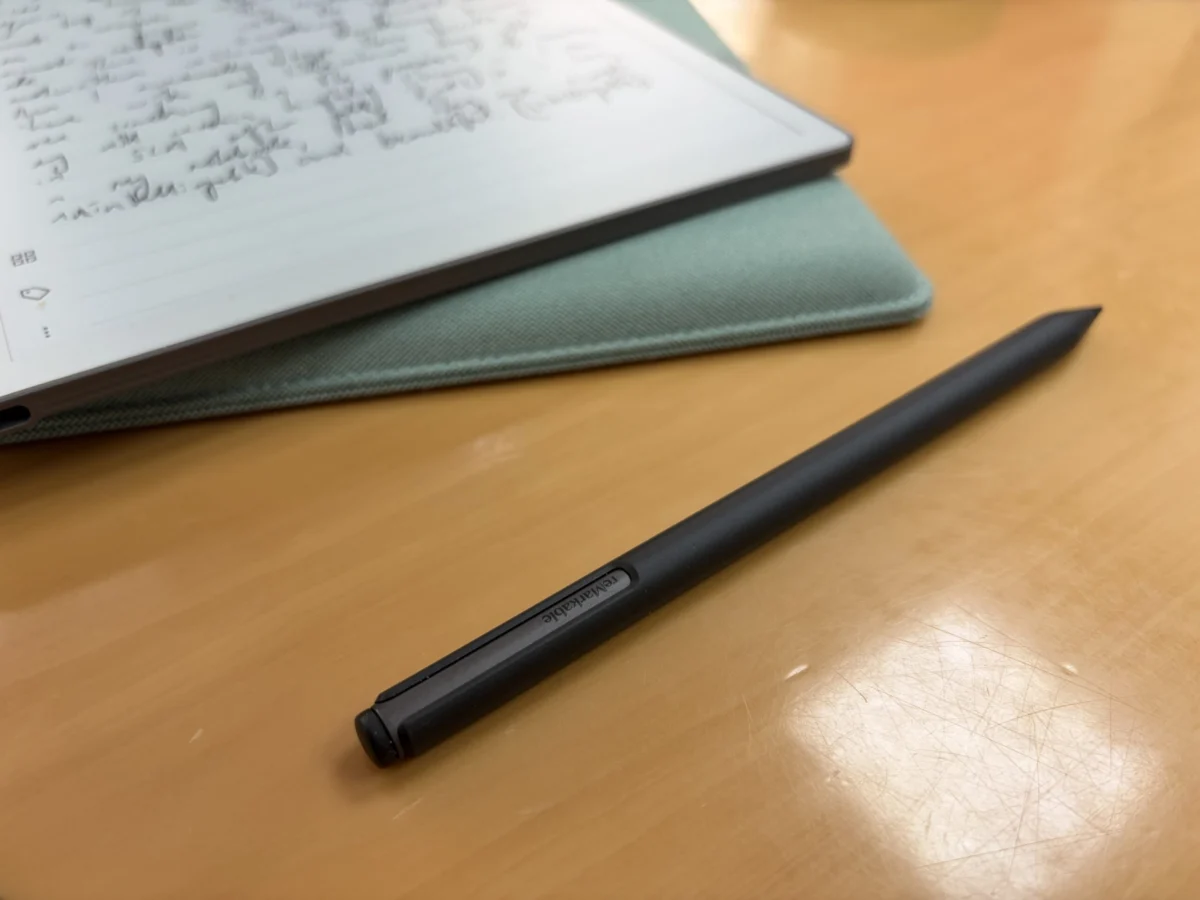
In an era dominated by high-definition, backlit displays and the constant ping of notifications, there is something profoundly counter-intuitive about the recent resurgence of e-ink technology. For years, the tablet market was defined by the versatility of the iPad—a device capable of gaming, video editing, and complex multitasking. Yet, a shift is occurring. Professional creatives, writers, and academics are increasingly trading in their multi-purpose glass screens for a more singular, focused experience: the reMarkable paper tablet.
Having spent the last two months integrating the reMarkable Paper Pro into my daily workflow, the transformation in my creative output has been nothing short of transformative. What began as skepticism regarding the necessity of a "single-use" device has evolved into a full-blown endorsement. Whether you are a novelist drafting your next manuscript, an architect sketching concepts, or a student organizing research, the reMarkable series is proving that sometimes, less truly is more.
With the arrival of this year’s Amazon Prime Day, these devices are more accessible than ever, marking a significant entry point for those who have long considered making the switch from traditional paper to digital note-taking.
The Core Facts: Bridging the Analog-Digital Divide
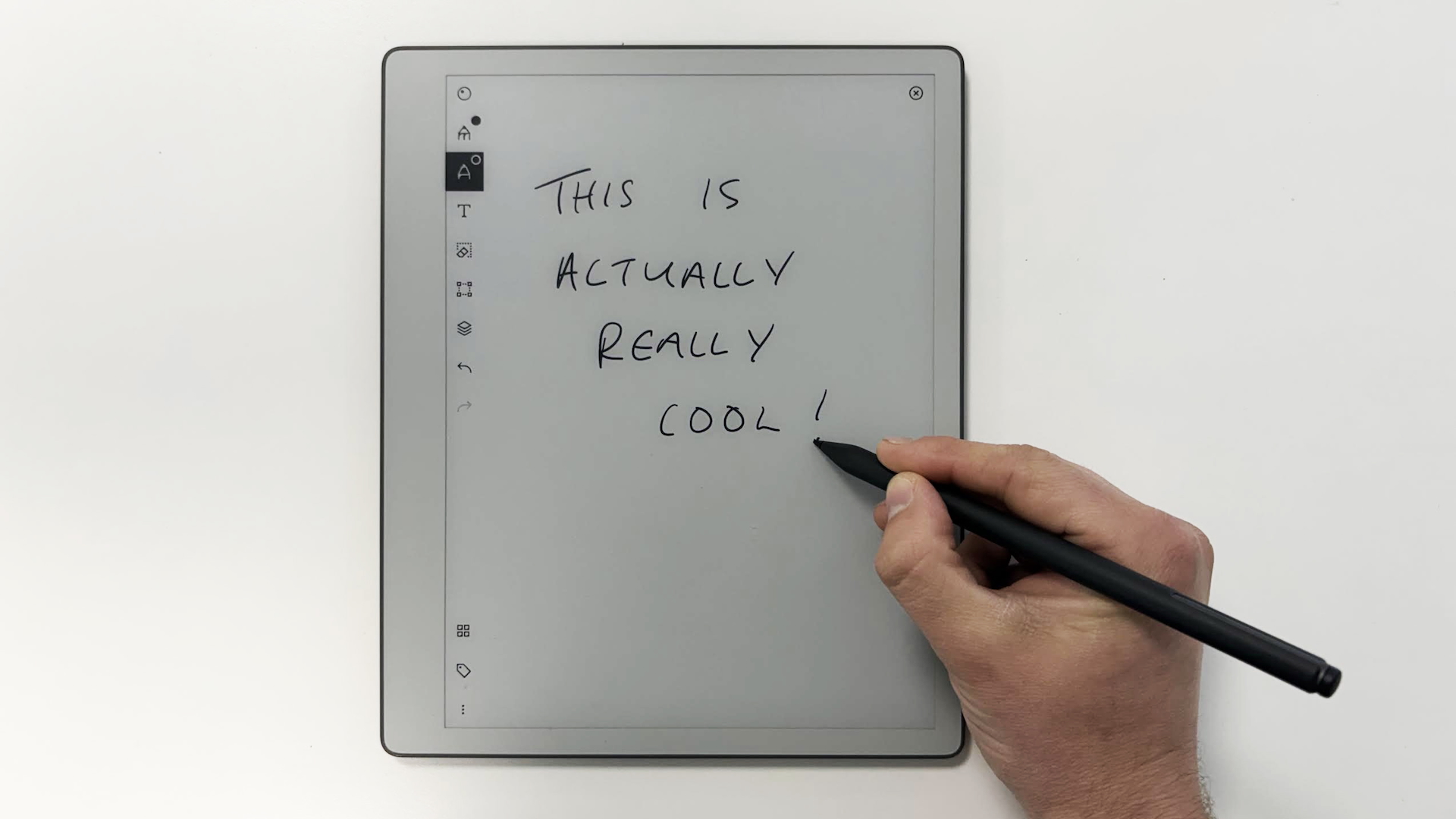
At its heart, the reMarkable philosophy is built on the premise of "distraction-free" technology. Unlike tablets that rely on liquid crystal or OLED displays, reMarkable devices utilize E-Ink display technology. This creates a matte, glare-free surface that mimics the friction and tactile resistance of actual paper.
The latest models, the reMarkable 2 and the reMarkable Paper Pro, are designed to solve the primary friction point of digital note-taking: the "glassy" feel. By utilizing high-friction screen overlays and specialized stylus technology, these tablets provide a latency so low that the stroke appears to emerge directly from the tip of the pen.
Key Technical Specifications and Features:
- Zero Glare: Read and write under direct sunlight without the reflective bounce-back typical of standard tablets.
- Cloud Synchronization: Notes are automatically backed up to the reMarkable cloud, allowing users to access, organize, and export handwritten notes as text or PDFs to mobile devices and desktops.
- Extended Battery Life: Because the screen only draws power when the image changes, these tablets can last for days—and sometimes weeks—on a single charge.
- No Distractions: There is no web browser, no social media app, and no email notification center. It is a dedicated space for thought.
A Chronology of the ReMarkable Revolution
The journey of reMarkable as a company has been a masterclass in niche product positioning.
- 2017: The company launched the original reMarkable tablet, which gained instant notoriety for being one of the first successful "paper tablets." It targeted a specific demographic: those who loved the tactile nature of a Moleskine but needed the organizational power of a computer.
- 2020: The release of the reMarkable 2 marked a significant design evolution. It became the world’s thinnest tablet at just 4.7mm, refining the industrial design to feel like a premium piece of stationery.
- 2024: The launch of the Paper Pro expanded the brand’s capabilities, introducing a color display while maintaining the signature e-ink experience. This was a critical step for designers and illustrators who required visual hierarchy and color-coding in their workflows.
Throughout this period, the brand has remained steadfast in its commitment to its "Paper Pure" philosophy, resisting the urge to turn its tablets into miniature computers. This restraint has been the cornerstone of its success, earning the loyalty of professionals who view the device as a tool for "deep work."
Supporting Data: Why Creatives are Making the Switch
The shift toward e-ink tablets is not merely a trend; it is supported by the increasing demand for "digital detox" tools. According to recent industry analytics, the e-paper market is projected to see a compound annual growth rate (CAGR) of over 10% through 2030, driven largely by the education and professional enterprise sectors.
User Sentiment Analysis:
- Focus Retention: Users report a 30-40% increase in "flow state" duration when working on e-ink devices compared to traditional tablets.
- Ergonomics: The lack of blue light emission significantly reduces eye strain, a major complaint among office workers who spend upwards of 8 hours a day in front of standard LED monitors.
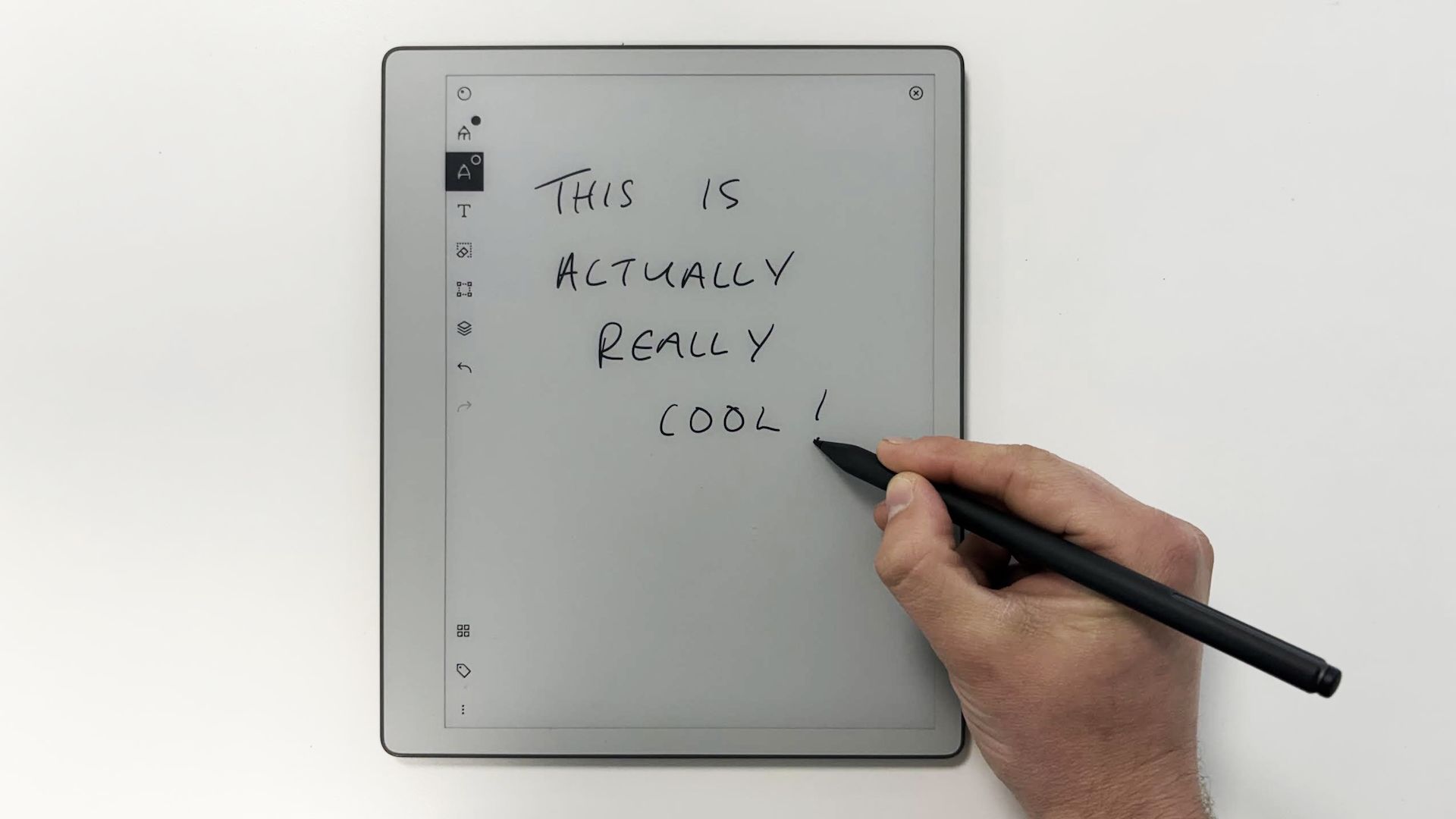
- The "Writer’s Edge": My own experience writing a novel on the platform highlights the primary benefit: the ability to edit text without the temptation to open a web browser. The software allows for handwriting-to-text conversion, which acts as a bridge between the fluidity of pen-on-paper and the utility of a digital file.
Official Responses and Market Positioning
In recent interviews, reMarkable executives have consistently emphasized that they are not competing with Apple or Samsung. Instead, they are competing with the paper notebook industry.
"Our goal is to remove the friction of technology," says a company representative. "When you open an iPad, you are entering an ecosystem of notifications. When you open a reMarkable, you are entering a space of quiet concentration."
This positioning has allowed the company to thrive in a market where other companies have failed. Many tech giants have attempted to create "note-taking" features for their tablets, but they often struggle with the "too many options" problem. By limiting the device’s scope, reMarkable has successfully commoditized the experience of writing rather than the processing power of the device.
Implications: The Future of Digital Note-Taking
What does the rise of these tablets mean for the future of the modern workplace?
1. The Death of the "Busy" Digital Workspace
As we become more overwhelmed by the volume of digital information, tools that force us to slow down will become increasingly premium. We are seeing a cultural shift where the ability to disconnect is becoming the ultimate luxury. The reMarkable tablet is a physical manifestation of this shift.
2. The Evolution of Education
In universities and design schools, the integration of tablets that allow for tactile feedback is changing how students interact with literature. Being able to annotate a 50-page PDF with the same ease as a printed textbook, while keeping all files synced, is changing the landscape of research.
3. Sustainability in the Office
While digital devices have a carbon footprint, the long-term environmental impact of replacing thousands of disposable paper notebooks with a single, durable, and long-lasting tablet cannot be ignored. The reMarkable 2 and Paper Pro are built for longevity, challenging the "planned obsolescence" cycle of mainstream consumer electronics.
Final Verdict: Why Prime Day is the Moment to Act
For those who have been on the fence, the current Prime Day offers represent a significant barrier-to-entry reduction. The reMarkable 2 is currently priced at £339 (down from £429), representing a 21% discount. This makes it an incredibly attractive entry point for those wanting to try the paper-like experience without committing to the newest hardware.
For those who require the latest, the reMarkable Paper Pro is available for £419 (down from £499)—a 16% reduction.
Whether you are a writer looking to clear your mind, or a professional trying to organize your thoughts without the distraction of the internet, these tablets offer a rare commodity in the 21st century: focus.
The digital world is not going away, but our relationship with it is evolving. By choosing a tool that respects the sanctity of your focus, you aren’t just buying a gadget; you are reclaiming your time. As I continue to draft my novel, I find myself not just writing more, but thinking more clearly. In the end, that is the true power of paper—and now, the power of reMarkable.



 Ali Ikhwan