Iffa Jayyana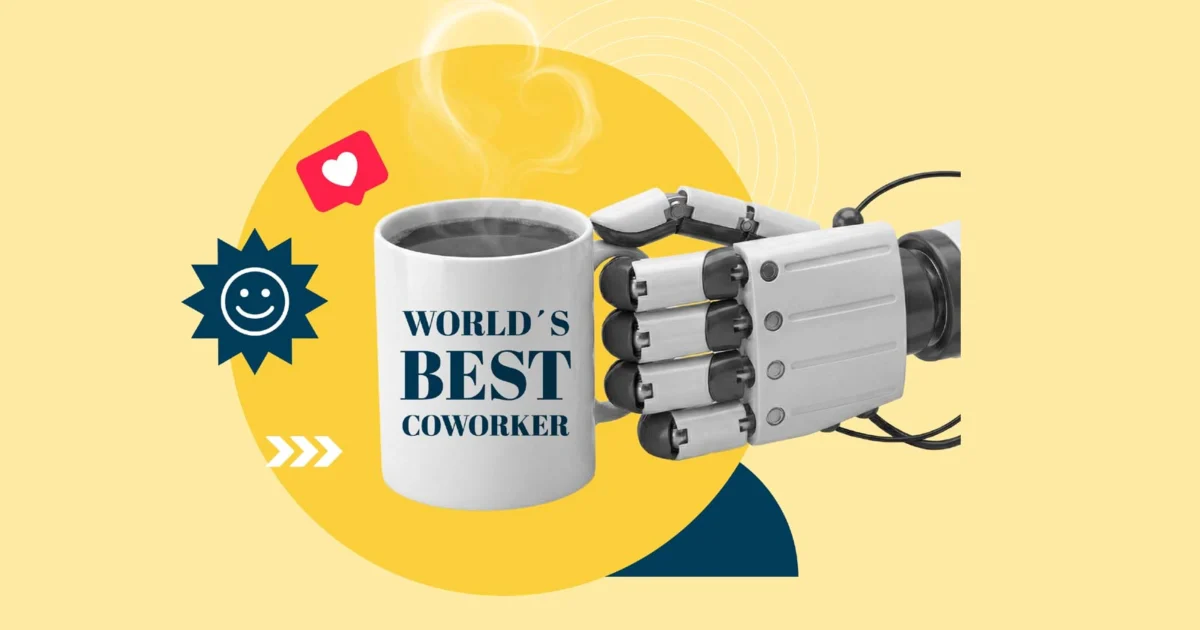
The boundary between human effort and machine-generated output is blurring, and the workspace of tomorrow may look less like a series of isolated software applications and more like a fluid, shared conversation. Anthropic, the leading AI research and safety company, has officially entered this new era with the launch of "Claude Tag," a feature that integrates its advanced AI model, Claude, directly into Slack channels as a persistent, active participant.
By enabling users to simply "@Claude" in a channel, Anthropic is shifting the AI paradigm from a passive chatbot that requires constant guidance to an autonomous "colleague" that remembers context, tracks metrics, and executes long-term projects. This development marks a significant shift in how enterprise teams interact with Large Language Models (LLMs), moving away from one-off prompts and toward continuous, agentic collaboration.
The Core Concept: Claude as a Teammate
For years, the standard interaction with AI has been transactional: a user asks a question, the AI provides an answer, and the context is often discarded or relegated to a "chat history" sidebar. Claude Tag changes this dynamic by embedding the AI within the social fabric of the office.
When invited into a Slack channel, Claude becomes a resident assistant. It does not merely wait for a prompt; it observes the flow of information, retains knowledge of previous project milestones, and leverages assigned tools to complete multi-step tasks. Anthropic describes this as a "natural home" for AI, as Slack is already the primary communication hub for many organizations. By bringing Claude into the loop, teams can delegate repetitive, time-consuming tasks—such as triaging support tickets, summarizing meeting discussions, or debugging code—directly to the AI without leaving their existing workflow.
Chronology: From Experimental Model to Enterprise Agent
The path to Claude Tag has been characterized by Anthropic’s steady, safety-focused progression toward "agentic" AI—models capable of taking actions on behalf of a user.
- Foundation Phase: Anthropic established Claude as a leader in long-context processing, allowing the model to digest massive documents and vast codebases. This capability served as the prerequisite for "memory" in a professional setting.
- The Internal Proof-of-Concept: Before the public rollout, Anthropic stress-tested the technology internally. The company reports that 65% of its own product team’s code is now generated or assisted by an internal version of Claude Tag. This internal adoption provided the empirical evidence that the model could handle real-world, high-stakes engineering tasks.
- The Beta Launch: Today, the feature is rolling out in beta for Claude Enterprise and Team customers. This phased approach allows Anthropic to monitor performance and safety guardrails while gathering feedback from diverse professional environments.
Supporting Data: Why Contextual Persistence Matters
The true value proposition of Claude Tag lies in its reduction of "prompt overhead." In traditional AI workflows, employees spend a significant amount of time "context-loading"—explaining the background of a project to an AI before it can be helpful.
Claude Tag mitigates this through persistence. Because the model remains in the channel, it builds a cumulative understanding of the project’s trajectory. If a team is working on a product launch, Claude remembers the decisions made last Tuesday, the bugs reported on Wednesday, and the metrics updated on Thursday.
The Productivity Metrics
While internal data is proprietary, Anthropic’s disclosure regarding their own engineering team offers a glimpse into the potential efficiency gains. When a model can handle nearly two-thirds of the code output, the human engineers are effectively elevated from "writers" to "architects and reviewers." This shift implies:
- Reduced Latency: Less time spent briefing the AI on context.
- Higher Throughput: The ability to run multiple concurrent tasks in the background.
- Cross-Functional Sync: Claude can bridge the gap between technical teams and product managers by translating data across Slack threads.
Official Responses and Strategic Vision
Anthropic’s leadership has been vocal about their philosophy: AI should augment human capability rather than replace it. In their official announcement, the company emphasized that the "tagging" pattern is spreading far beyond the engineering department.
"We’re tagging Claude to chase down product metrics and data, work through support tickets, or even help find the root cause of tricky bugs," the company stated.
This strategic positioning is critical. By framing Claude as a "coworker," Anthropic is attempting to destigmatize the presence of AI in the workplace. The goal is to move beyond the fear of replacement and toward a model of "co-intelligence." According to the company, the feature is designed to be highly customizable, with administrators maintaining strict control over what data the AI can access and how much it is allowed to spend on compute resources.
Implications: The New Workplace Dynamic
The arrival of an AI agent in a professional Slack channel brings with it profound implications for corporate culture, data security, and the future of work.
1. The Death of the "One-Off" Prompt
The shift from prompt-based interaction to agentic collaboration is significant. It implies that the most valuable AI users will no longer be those who are best at "prompt engineering," but those who are best at delegation and oversight. Managers will need to learn how to assign tasks to AI agents, verify their work, and manage their "bandwidth" within the organization.
2. Security and Governance
For enterprises, the introduction of a persistent agent raises questions about data privacy. Anthropic has addressed this by allowing administrators to define the "tools" Claude can access. Whether it is a private repository or a sensitive data warehouse, the human "admin" remains the gatekeeper. This tiered access ensures that while Claude is "part of the team," it is a team member with defined security clearances.
3. The Psychological Shift
There is a potential psychological friction involved in treating an AI as a colleague. If Claude is in the Slack channel, does the team communicate differently? Do employees feel monitored? As companies integrate Claude Tag, the challenge will be to ensure that the AI serves as a tool for empowerment rather than a source of surveillance-related anxiety.
4. Continuous Improvement
Anthropic’s documentation notes that the longer Claude works in a channel, the better it becomes at its job. This creates a "network effect" within a company. The more a team uses the tool, the more the AI understands the company’s unique vernacular, project history, and operational quirks. This creates a proprietary "organizational memory" that adds value to the company’s internal operations.
Looking Ahead: The Future of Agentic Work
Claude Tag is not an isolated experiment; it is the first step toward a broader ecosystem of AI agents that live alongside us in the digital workspace. Anthropic has signaled its intent to expand this functionality beyond Slack, potentially integrating with other collaboration platforms where modern teams congregate.
As these agents become more sophisticated, the distinction between "doing the work" and "managing the work" will continue to evolve. The future of work may be defined by how effectively a team can orchestrate its human members alongside its silicon-based counterparts.
For now, the industry will be watching the beta closely. The success of Claude Tag will likely be measured not just by the accuracy of the code generated, but by the seamlessness with which the model navigates the messy, informal, and often chaotic nature of human conversation in a Slack channel.
Conclusion: A Paradigm Shift in Real-Time
Anthropic’s entry into the workplace via Slack is a clear signal that the AI revolution has moved out of the "chatbot" phase and into the "agent" phase. By enabling Claude to exist as a persistent, taggable, and context-aware colleague, Anthropic is challenging organizations to rethink their internal processes.
Whether this leads to a utopian increase in productivity or an overhaul of corporate management remains to be seen. However, one thing is certain: the next time you tag someone in Slack, you might find that the "person" responding is the most knowledgeable, consistent, and tireless member of your team—and they never sleep, never take a coffee break, and always have the context ready to go.


 Nila Kartika Wati