Lina Hope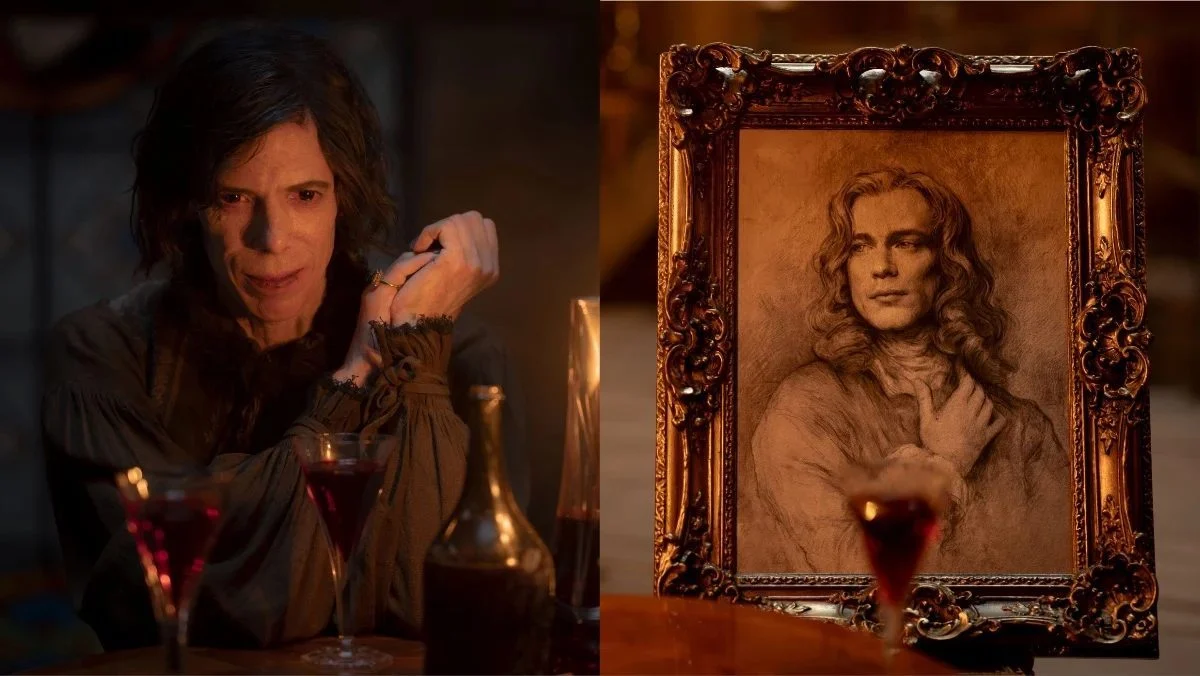
The third episode of AMC’s The Vampire Lestat delivered one of the series’ most haunting and narratively significant turning points: the introduction of Magnus, the ancient and volatile vampire responsible for creating the show’s titular protagonist. Portrayed with a chilling blend of theatrical camp and existential dread by actor Damien Atkins, Magnus has become a central figure in the show’s ongoing exploration of trauma, legacy, and the dark nature of vampiric creation.
In a recent, exclusive deep dive, Nerdist spoke with Atkins about the complexities of portraying a character who oscillates between being a monstrous abuser and a tragic, love-sick figure. The conversation offers a rare glimpse into the internal logic of a character who has fundamentally altered the trajectory of the series.
A Legacy of Dark Creation: The Narrative Impact of Magnus
In the lore of Anne Rice’s universe, Magnus is a pivotal figure—the weary, ancient maker who selects Lestat as his heir before choosing to immolate himself in fire. His arrival in the series serves as more than just a flashback; he acts as a psychic specter, haunting Lestat in the present day.

The song "Your Biggest Fan," which features in the episode, has quickly garnered praise from critics and fans alike as one of the standout musical moments in the show. When asked about the accuracy of Lestat’s musical interpretation of his maker, Atkins offers a nuanced perspective. "I think for Lestat to have written this song, it’s like an act of rebellion, but it also made me feel seen," Atkins explains. "It’s actually kind of a weirdly compassionate thing for Lestat to have done. Even though Magnus is a monster, it’s an excellent example of how the show balances maturity—the ability to hold two conflicting truths at once: you are my abuser, yet I possess insight into your heart."
Chronology of an Obsession: From Selection to Haunting
To understand the dynamic between the two, one must look at the timeline of their relationship. Magnus, having spent centuries searching for a worthy successor, eventually fixates on Lestat. This is not a random occurrence; it is a calculated, albeit erratic, process of selection.
The Selection Process
Atkins notes that in the source material, Magnus had cycled through countless candidates, a process that suggests a desperate search for someone who embodies both physical beauty and a certain, indomitable bravery. "He’s been through dozens of men," says Atkins. "There is a combination of what Magnus would consider beautiful, but also brave. I call him the ‘Brave Little Wolf Killer.’ He believed this was the guy who would kick off the revolution."

The Haunting
In the show’s present, the apparition of Magnus serves as a disruptive force. Whether this is a literal supernatural haunting or a projection of Lestat’s own internal psyche remains a subject of debate among viewers. For his part, Atkins plays the role with the conviction of a man who still has a stake in his fledgling’s life. "I think there is some impatience, some disapproval that he hasn’t lived up to what I know he can live up to," the actor reflects. "It’s a pretty dark ethos. Is it healthy? Absolutely not."
Supporting Data: The Anatomy of a Monster
The character of Magnus is defined by his contradictions. He is simultaneously a figure of high-camp theatricality and absolute, bone-chilling horror. This duality was a deliberate choice by Atkins, who viewed the character’s eccentricities not as a performance, but as a byproduct of profound emotional instability.
The Science of "Love-Sickness"
When asked how he navigated the tonal tightrope of the role, Atkins points to the raw, often ugly reality of obsession. "Magnus is love-sick for Lestat," he argues. "And human beings, when they are love-sick, can be pathetic, sweet, ridiculous, and scary. People are campy in the privacy of their rooms or in front of the mirror. It’s part of the spectrum of the human experience. When you put a big love in your heart, you will act out in many different ways. It’s sickening—not necessarily a good feeling. Your body has a physical reaction to it."

The Mystery of the Portrait
One of the most discussed details of the episode is the fan-art portrait of Lestat that Magnus keeps. When pressed on the origin of this item, Atkins leans into the character’s obsessive nature: "I think I drew it myself. I took my time. There are a lot of discarded, terrible versions of it, but that one was the perfect one."
Official Responses and Creative Intent
The production team behind The Vampire Lestat has been lauded for their willingness to adapt the darker elements of the source material while maintaining the emotional core of the characters. While Atkins acknowledges that showrunners Rolin and Hannah are the "drivers" of the narrative, he admits that he brought his own internal monologue to the role to ensure the performance felt lived-in.
"That was what was in my head," Atkins says regarding his theory of a ‘vampire revolution.’ "I don’t know if that’s their intention, but that was something I could play. It gave me a reason to be demanding of him. It made the relationship about something more than just personal gain."

Regarding the potential for a return, or the question of whether the ghost is "real," Atkins remains coy but optimistic about the series’ supernatural boundaries. "I think he could be a real ghost. It’s that kind of universe, right? Both things are potent."
Implications for the Future of the Series
The inclusion of Magnus serves as a structural pillar for the series’ exploration of cycles of abuse. By presenting Magnus not as a one-dimensional villain but as a tragic figure who sought—and failed—to find peace through legacy, the show elevates the stakes of Lestat’s journey.
The fact that Magnus chose to end his own life after turning Lestat suggests a profound weariness with existence. As Atkins notes, "He entered this life late, and he wants to leave a legacy, but he wants to do it right. Maybe he wanted to find that moment of pure love—which does happen in the book—and then peace out before it got ruined."

As The Vampire Lestat continues to unfold, the presence of Magnus—whether as a memory or a lingering spirit—will undoubtedly continue to shape the man, and the vampire, that Lestat becomes. The series, which airs Sundays on AMC and AMC+, remains a masterclass in gothic storytelling, proving that the most terrifying monsters are often the ones who believe they are acting out of love.
For those looking to dive deeper into the lore, Anne Rice’s original novel, The Vampire Lestat, remains the definitive companion to the series’ events. Please note that this article contains affiliate links; purchases made through these links help support our ongoing coverage of the series.

 Siti Muinah
 Azzam Bilal Chamdy