Layla Zulfa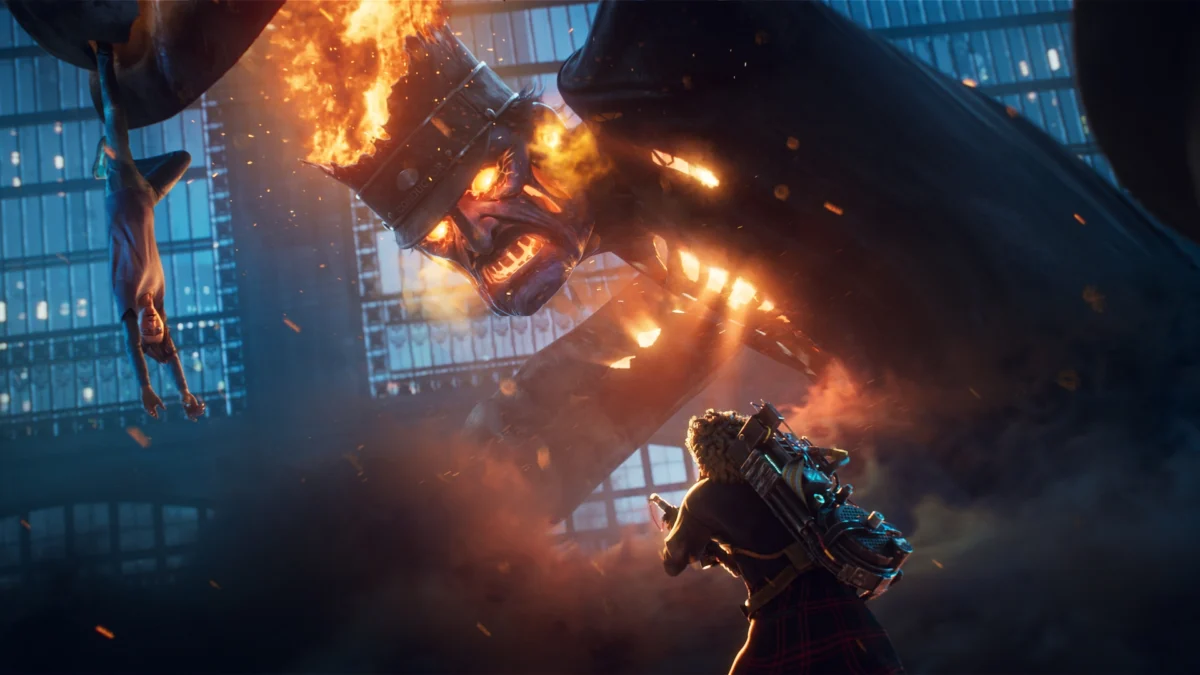
For four decades, the Ghostbusters franchise has operated under a gravitational pull so strong that even the most ambitious attempts to escape it have been drawn back into its orbit. Since the 1984 debut of the original film, the series has been defined by the indelible chemistry of its "Core Four": Ray Stantz, Peter Venkman, Egon Spengler, and Winston Zeddemore. From the 2016 reboot to the recent legacy sequels Ghostbusters: Afterlife and Ghostbusters: Frozen Empire, the shadow of the original cast has loomed large, often acting as both a security blanket and a creative anchor.
However, a shift is coming. With the announcement of the upcoming animated series Ghostbusters: Night Shift, Sony Pictures Animation appears to be making a calculated play to decouple the franchise from its foundational quartet. Set for a 2027 release on Netflix, Night Shift represents the most significant attempt yet to pass the proton pack to a new generation.
The Chronology of a Legacy
To understand why Night Shift is such a pivotal moment, one must look at the franchise’s history of "succession." The 1984 film established a cultural shorthand: four men, one firehouse, and an iconic uniform. Every iteration since has wrestled with how to expand this mythology without alienating the fanbase.
The 2016 reboot attempted a clean slate, reimagining the team entirely. While critically appreciated by some, it faced a vocal segment of the audience that rejected any departure from the original character dynamic. Following that, Afterlife and Frozen Empire took a different approach: the "legacy sequel" model. By anchoring the story in the Spengler family line, Sony sought to bridge the gap between the 80s icons and the modern day. Yet, even in these films, the narrative momentum frequently halted to pay homage to the original actors, effectively turning the films into a series of reunions rather than a genuine evolution.
Ghostbusters: Night Shift breaks this cycle by choosing a specific, untapped moment in the timeline. According to Sony’s official synopsis, the series is set in 1994—five years after the events of Ghostbusters II. This is a crucial temporal placement. It is far enough removed from the original films to allow for a new ensemble to take center stage, yet close enough that the established lore of the 1980s is still fresh and culturally relevant.
The New Guard: A Shift in Scrappy Storytelling
The brief promotional glimpses provided by Sony Animation’s Instagram feed offer a distinct tonal departure. The teaser art features a group of six individuals, noticeably younger and more diverse than the original team. Among the silhouettes are figures that appear to be children and young adults, suggesting that the "night shift" at the firehouse isn’t being run by established scientists, but by a "scrappy" group of New Yorkers caught in the crossfire of an escalating supernatural crisis.
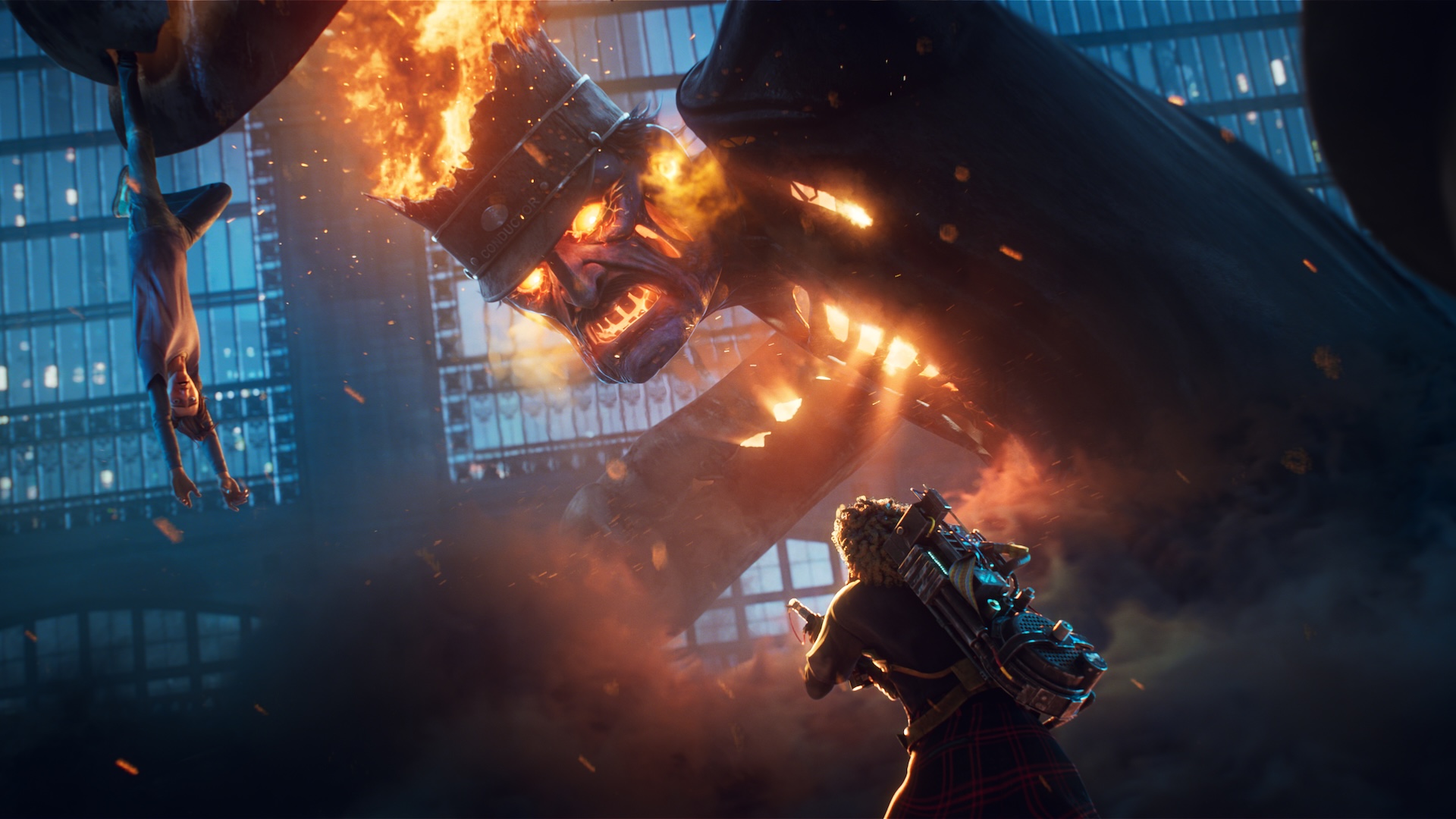
The stakes also appear to be evolving. One promotional image depicts a towering, demonic entity with a head of flames, looming over a trapped civilian. This is not the whimsical, rubber-suit ghost of the early entries; it is a creature that feels ripped from a darker, more kinetic comic book aesthetic. This shift toward a more modern, high-stakes animation style suggests that the series is looking to capture the "monster-of-the-week" energy of the beloved The Real Ghostbusters while integrating the stakes-driven narrative of a serialized drama.
Analyzing the Structural Challenges
Historically, Ghostbusters has struggled when it attempts to step outside the shadow of the original four. When the 1997 animated series Extreme Ghostbusters attempted to modernize the team, it was met with mixed reactions and a relatively short lifespan. Critics often point to the "legacy trap": audiences are conditioned to view the original cast as the only legitimate practitioners of the trade.
However, Night Shift possesses a structural advantage that its predecessors lacked. By utilizing the 1994 setting, the series can exist in the "space between." In this era, the original Ghostbusters would still be active, potentially serving as legends, mentors, or even background figures, rather than being the direct focus of the plot. This creates a "passing of the torch" narrative that feels earned rather than forced. It allows the new characters to develop their own identities while the audience remains anchored by the comforting proximity of the established universe.
Industry Implications and Future Strategy
The move to Netflix is a strategic masterstroke for the franchise. By shifting to an animated, streaming-first model, Sony is insulating the franchise from the immense box-office pressure that forced the recent live-action films to lean so heavily on nostalgia. Animation allows for a level of creative freedom that live-action struggle to achieve; it enables the creators to depict grand-scale supernatural threats without the prohibitive costs of high-end VFX, and it allows for a more stylized, character-focused storytelling approach.
If Night Shift succeeds, it provides a roadmap for the future of the brand. It proves that the "Ghostbusters" concept—a group of people using technology to solve supernatural mysteries—is a premise strong enough to support an infinite array of ensembles. It shifts the focus from the who (the original actors) to the what (the job itself).
The Path Forward
The central question remains: Will the audience accept a new generation of bustin’? The answer likely lies in the show’s ability to maintain the "blue-collar" charm that made the 1984 film a success. The original Ghostbusters were never superheroes; they were small business owners, scientists, and blue-collar workers dealing with a supernatural bureaucracy.
If Night Shift can retain that core ethos—the idea that even when the world is ending, there is still rent to pay and equipment to maintain—it will have successfully bridged the gap between the franchise’s past and its future. The 1980s spirit is a powerful ghost to exorcise, but with the 1994 setting and a fresh, inclusive cast, the franchise is finally attempting to step out of the firehouse and into a new era.
Whether this series is viewed as a bold reimagining or a final attempt to keep the proton pack energized, one thing is certain: the franchise cannot survive on nostalgia alone. To remain relevant in the 2020s, Ghostbusters must prove that it is more than just a memory of the 80s. It must show us something we haven’t seen before, and in the neon-soaked, ghost-infested streets of a 1994 New York, it just might find the courage to finally do so.
Ghostbusters: Night Shift is slated to begin its streaming run on Netflix in 2027. For a franchise that has spent forty years looking back, the "night shift" may finally be the view that looks forward.

 Iffa Jayyana
 Lina Hope