Rifan Muazin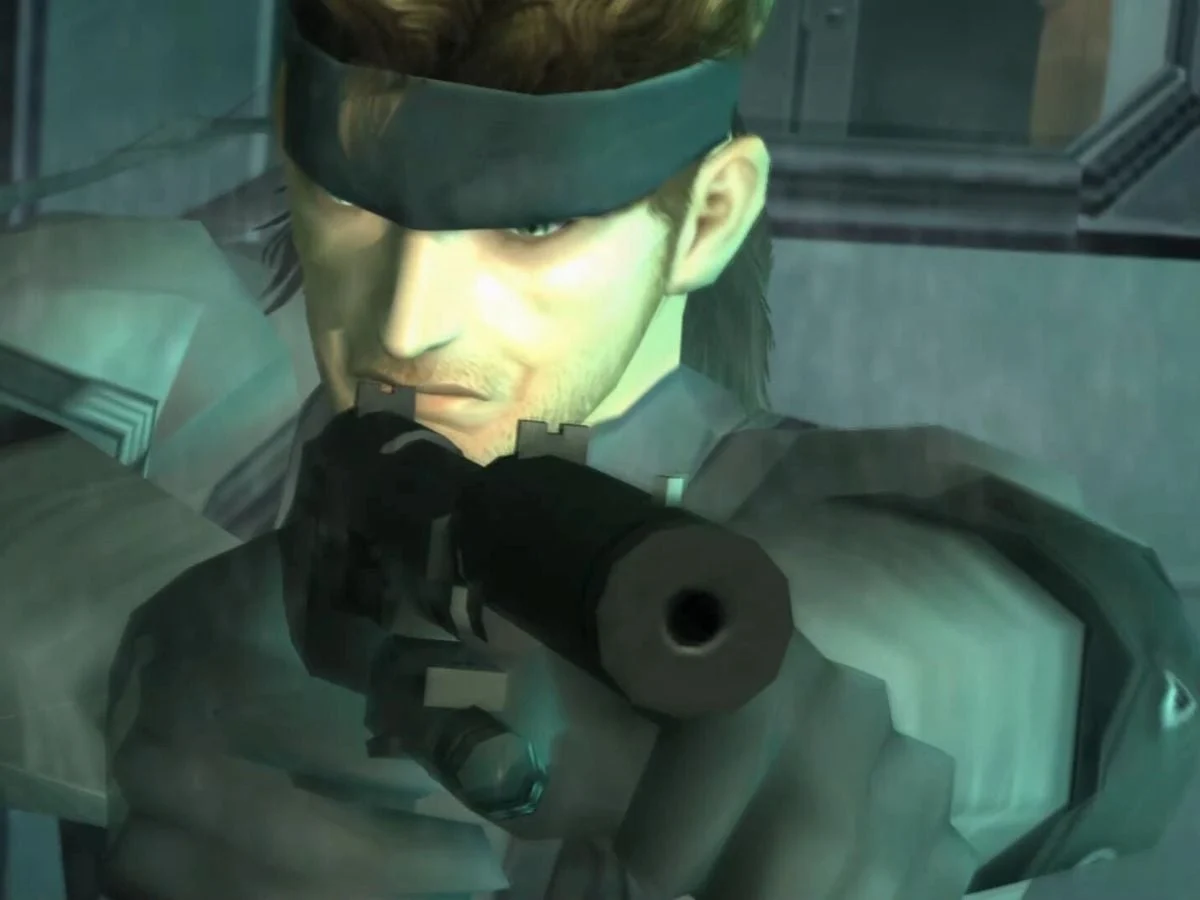
In a significant escalation in the ongoing battle against intellectual property theft within the video game industry, Konami Digital Entertainment has initiated formal legal action in a California court to identify the individual or group responsible for the unauthorized leak of sensitive source code and proprietary development materials for Metal Gear Solid 2: Sons of Liberty. The leak, which occurred earlier this year, exposed not only core game assets but also internal documents and a previously unknown, cancelled port of the game for the Nintendo Wii.
The legal filings, first brought to public attention by the publication Aftermath, signal a shift from defensive damage control to an aggressive pursuit of accountability. As the gaming industry grapples with an increasing frequency of high-profile data breaches, Konami’s move serves as a stark reminder of the long-term vulnerability of legacy software assets.
The Breach: Anatomy of a Digital Heist
The leak, which surfaced online several months ago, contained a treasure trove of internal data related to one of the most celebrated titles in gaming history. Metal Gear Solid 2: Sons of Liberty, the 2001 masterpiece directed by Hideo Kojima, has long been a subject of fascination for enthusiasts and developers alike. However, the nature of the leaked files went far beyond simple game assets.
According to reports, the dump included source code versions, development tools, and internal documentation that provided a rare, unauthorized glimpse into the mechanics of the Metal Gear engine. Perhaps most surprisingly, the data contained evidence of an unreleased port of Metal Gear Solid 2: Substance specifically developed for the Nintendo Wii—a project that had never been officially acknowledged or brought to market by Konami.
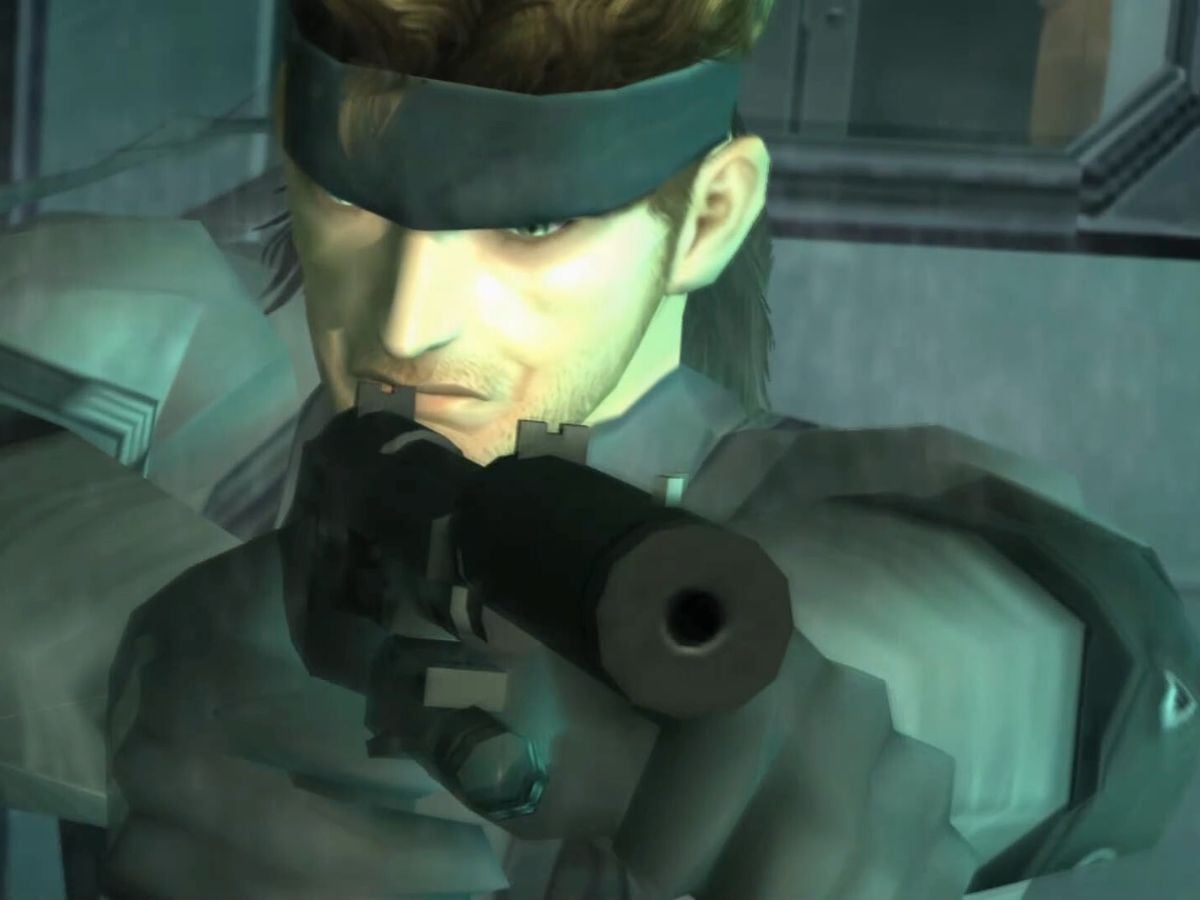
The files, which contained timestamps dating back as far as 2007, appear to have originated from assets stored during the development of the Metal Gear Solid HD Collection. This discovery suggests that the breach may be tied to a compromise of long-term, archived repository systems rather than a recent, active development server.
Chronology of Events
The timeline of the breach and the subsequent corporate response highlights the rapid pace at which sensitive data can proliferate across the internet once it enters the public domain.
- Initial Discovery: Several months ago, anonymous users on image boards such as 4chan and various file-sharing platforms began circulating links to a massive archive containing Metal Gear Solid 2 source code and development materials.
- Rapid Proliferation: The files were quickly mirrored across multiple platforms, making them difficult to contain through standard takedown requests. The specialized nature of the content drew immediate attention from the retro-gaming community, data miners, and security researchers.
- Konami’s Immediate Response: Upon discovering the breach, Konami’s legal department acted swiftly, issuing a series of cease-and-desist orders to the hosting platforms and 4chan. While these efforts succeeded in removing the most prominent download links, the decentralized nature of the internet ensured that the files remained accessible in various corners of the web.
- June 2 Filing: Recognizing that simple takedowns were insufficient to prevent further dissemination or to mitigate the potential for future leaks, Konami filed a lawsuit in California. The primary objective of this legal maneuver is to secure the identities of the parties responsible for the initial upload by leveraging the court’s power to compel information from the hosting providers.
Understanding the Scope: Why This Matters
To the casual observer, a leak of a twenty-year-old game’s source code might seem like a victimless crime. However, the implications for a major publisher like Konami are profound.
Intellectual Property and Security
Source code is the "crown jewel" of any software company. It represents years of engineering, creative vision, and proprietary technology. Even for legacy titles, the underlying code often contains algorithms and engine structures that are reused, repurposed, or adapted for modern remasters, such as the recent Master Collection. When this code is exposed, it creates a roadmap for malicious actors to identify vulnerabilities, develop cheats, or create unauthorized "fan" ports that could potentially interfere with the company’s commercial interests.
The Value of Legacy Assets
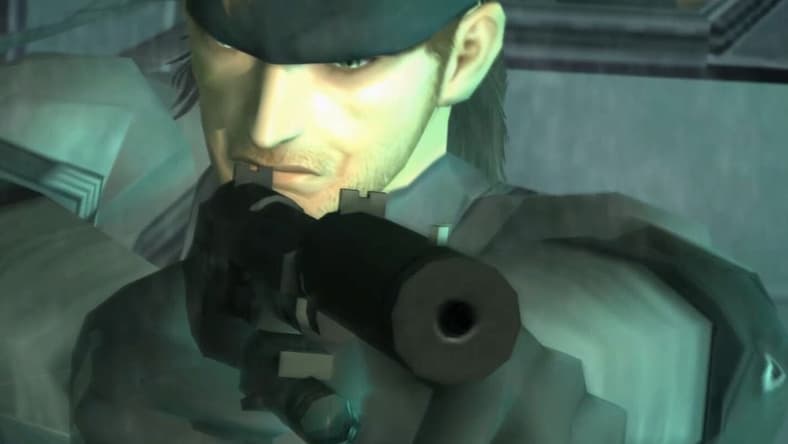
Metal Gear Solid 2 remains a cultural touchstone. The leak of the cancelled Nintendo Wii port is particularly damaging in terms of historical record-keeping. Corporations often keep such projects under wraps to preserve the potential for future release or simply to protect the brand from unfinished or unpolished concepts. When these files are leaked, the company loses control over the narrative of its own history.
Official Responses and Legal Strategy
In their legal complaints, Konami’s representatives were explicit about the severity of the situation. Despite the success of their cease-and-desist campaign, the company maintains that the damage is ongoing.
"An urgent need remains to uncover the source of the leak and to ensure that similar or further public disclosures do not occur," the lawyers stated in the filing. This rhetoric underscores a "zero-tolerance" policy regarding internal leaks. By seeking to identify the culprit, Konami is not just punishing a single individual; they are attempting to deter future "insider threats" or external hackers who might be emboldened by the relative anonymity of online file-sharing culture.
The choice of a California court is significant, as it provides a jurisdictional advantage for dealing with major tech platforms and ISPs that are often headquartered in the region. By compelling these entities to reveal the metadata and IP addresses associated with the leak, Konami hopes to trace the breach back to its origin—whether that be an external hack or, more ominously, an internal leak from within their own ranks or a partner studio.
The Broader Implications for the Industry
The Konami case is a microcosm of a larger, systemic issue in the gaming industry. As companies digitize their entire history, the attack surface for data breaches grows exponentially.
The "Data Hoarding" Dilemma
Game developers have been criticized in the past for poor digital hygiene regarding legacy assets. When thousands of files are stored in insecure, legacy repositories, the risk of a catastrophic leak increases. The Konami incident forces a conversation about how publishers should manage their "digital graveyard"—the vast quantities of discarded concepts, builds, and source code that accumulate over decades of production.
The Legal Precedent
This lawsuit is likely to be watched closely by other major publishers. If Konami succeeds in identifying the leaker through court-ordered discovery, it will set a strong precedent that corporate leaks—even of older, "obsolete" material—will be met with the full force of the legal system. It signals a move away from the "if it’s on the internet, it’s gone" mentality toward a more proactive, litigious approach to digital sovereignty.
Impact on the Modding and Preservation Communities
The modding and preservation communities often find themselves in a precarious position during events like this. While many in these circles argue that they are simply preserving game history, the illegal acquisition of proprietary source code is a bridge that most developers and publishers are unwilling to overlook. Konami’s actions may lead to a more restrictive environment where companies become even more protective of their archives, potentially chilling the efforts of legitimate preservationists who seek to save gaming history from being lost to time.
Conclusion
The pursuit of the Metal Gear Solid 2 leaker is more than just a matter of corporate policy; it is an assertion of property rights in an era where digital assets are increasingly treated as public domain by the internet at large. Konami’s firm stance underscores the reality that source code is a protected trade secret, regardless of the age of the game.
As the case progresses through the California courts, the industry will be watching to see if this legal strategy yields the results Konami desires. For now, the "Sons of Liberty" leak remains a cautionary tale about the fragility of digital history and the lengths to which a major publisher will go to protect its creative legacy from unauthorized exposure. Whether this serves as an effective deterrent or merely a footnote in the history of internet data leaks remains to be seen, but one thing is certain: Konami is determined to ensure that their digital vault stays closed.


 Sagoh
Sagoh
 Ammar Sabilarrohman