Basiran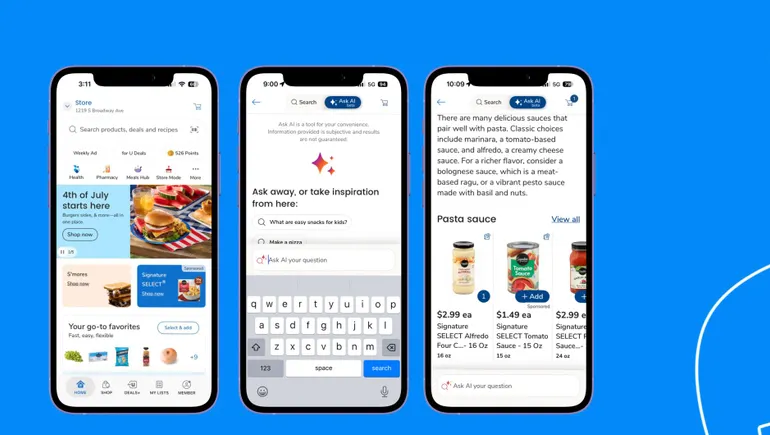
Introduction: The Convergence of AI and Grocery Retail
In an era where the digital shelf is as critical as the physical one, Albertsons Companies is doubling down on its commitment to high-tech personalization. The Albertsons Media Collective (AMC), the grocer’s internal retail media arm, has announced a significant expansion of its partnership with advertising technology leader Criteo. By integrating sponsored product placements directly into its AI-driven conversational search tools, Albertsons is effectively closing the gap between consumer intent and the final point of purchase.
This strategic move reflects a broader industry shift: retailers are no longer just selling groceries; they are becoming sophisticated advertising platforms. By leveraging artificial intelligence to guide shoppers through meal planning and product discovery, Albertsons is transforming the grocery app from a simple transactional utility into an intelligent shopping assistant.
Main Facts: Enhancing the Conversational Search Experience
The core of this latest announcement centers on the modernization of Albertsons’ conversational search functionality. Previously, AI-driven search tools helped shoppers find products or generate meal ideas based on natural language queries. Now, that utility is being paired with commercial intent.
Through the expanded Criteo integration, the AMC can now serve sponsored product carousels within search results. These carousels are not generic; they are algorithmically curated to align with the specific context of a user’s search. If a shopper asks the app for "ingredients for a spicy taco night," the AI will not only suggest a recipe or a list of items but will also feature relevant sponsored brands—such as a specific salsa or taco shell brand—directly within the results.
This integration ensures that advertisements feel like natural, helpful additions to the shopping journey rather than intrusive disruptions. By embedding these advertisements into the search experience, Albertsons is positioning its retail media network as a high-conversion environment where brands can engage with shoppers at the exact moment they are deciding what to purchase.
Chronology: A History of Technological Investment
The path to this latest integration has been marked by a consistent, multi-year strategy of digital transformation at Albertsons.
- Early 2023: Albertsons and Criteo first solidified their partnership, focusing on demand- and supply-side advertising capabilities. This established the foundational plumbing necessary to manage complex, data-driven ad auctions on the grocer’s digital platforms.
- Late 2023/Early 2024: Albertsons began experimenting with generative AI, tapping partners like Capgemini to refine the user experience of its digital platforms, focusing on how shoppers interact with search bars and product discovery tools.
- Mid-2024: The AMC launched "Collective TV," signaling an entry into omnichannel retail media that blends traditional grocery shopping with high-end digital video advertising.
- Mid-2024 (Concurrent): The grocer expanded its partnership with Rokt to leverage machine learning for personalized checkout experiences, ensuring that the final stage of the purchase journey was as optimized as the beginning.
- Present Day: The integration of sponsored search, coupled with the recent rollout of branded entertainment offerings, represents the culmination of this "stacking" approach to retail media technology.
Supporting Data: The Retail Media Boom
The retail media market is currently one of the fastest-growing sectors in advertising. According to industry analysts, retail media ad spending in the U.S. is expected to surpass $60 billion by the end of 2024. For grocers like Albertsons, this shift represents a vital new revenue stream that boasts higher margins than the traditional grocery retail business.
Several data points underscore why Albertsons is prioritizing this integration:
- High Purchase Intent: Studies consistently show that shoppers using search functions on grocery sites are 3x to 5x more likely to convert than those browsing the digital aisles randomly.
- First-Party Data Value: With the eventual deprecation of third-party cookies, retail media networks like the AMC are becoming the "holy grail" for advertisers. Because Albertsons possesses deep, deterministic first-party data regarding what shoppers buy, when they buy it, and what they search for, the effectiveness of their sponsored search ads is exponentially higher than that of general web ads.
- Engagement Metrics: Early pilot programs for conversational AI in retail have shown that consumers who engage with AI-driven shopping assistants spend roughly 15-20% more per basket than those who do not, largely due to the "discovery" element inherent in AI recommendations.
Official Responses: Aligning Strategy with Customer Utility
The leadership at Albertsons has been vocal about the philosophy driving these changes. Jill Pavlovich, Senior Vice President of Digital Customer Experience at Albertsons, emphasized that the goal is to prioritize the shopper’s convenience above all else.
"This integration is about creating retail media that helps customers along their shopping journey," Pavlovich stated in the official press release. "We are showing up in ways that are useful and additive to their experience, while giving advertisers a new path to engage closer to the moment of purchase."
This sentiment underscores a critical tension in retail media: the balance between monetization and user experience. By framing the sponsored content as "additive"—providing recommendations that genuinely help the shopper complete their meal—Albertsons is attempting to avoid the "ad fatigue" that plagues other digital marketplaces.
Implications: The Future of Grocery Shopping
The integration of sponsored search into AI-powered tools has profound implications for the future of the grocery industry.
1. The Death of the "Search Result" as a Neutral List
As AI takes over the search function, the traditional concept of a "search result" is being replaced by a curated, personalized recommendation. This creates a new battleground for brands. Being the "top result" now requires not just having the best product, but having the best bidding strategy within the retail media network. Brands that do not participate in these sponsored programs risk becoming invisible to AI-driven shoppers.
2. The Rise of "Contextual Commerce"
The Albertsons-Criteo partnership marks a move toward contextual commerce. Instead of banner ads that sit on the periphery of a screen, ads are now embedded in the conversation. If a shopper asks, "What do I need for a gluten-free dinner?" the sponsored items that appear are contextually relevant, making the ad feel like a recommendation from a personal chef rather than a cold marketing pitch.
3. Consolidation of the Retail Media Landscape
Albertsons’ history of partnering with a wide range of firms—from Rokt and Capgemini to Criteo—highlights a trend toward the "composable" retail media network. Rather than building every piece of technology in-house, large retailers are acting as integrators, stitching together the best-in-class solutions to create a seamless ecosystem.
4. Impact on Smaller Brands
While this benefits large CPG (Consumer Packaged Goods) companies with deep advertising pockets, it poses a challenge for smaller, niche brands. The ability to afford and manage complex programmatic bidding in a retail media network may create a barrier to entry. However, the AMC has signaled that their goal is to support "brands," which suggests they will likely offer tools to help smaller vendors participate in these sponsored placements, provided they have the data to back up their targeting.
Conclusion: A New Era of Algorithmic Grocery
The expansion of the Albertsons Media Collective is a clear signal that the future of the grocery business is algorithmic. By modernizing its conversational search with Criteo’s technology, Albertsons is not only streamlining the customer journey but is also fortifying its position as a dominant player in the retail media sector.
As AI continues to become a staple of the household grocery list, the brands that can successfully integrate into those digital conversations will be the ones that win. For Albertsons, the success of this strategy will depend on maintaining that delicate balance—ensuring that the "sponsored" tag never compromises the utility of the AI. As the retail landscape continues to evolve, the AMC remains at the forefront, proving that in the digital age, the most effective advertising is the kind that helps the customer get exactly what they need, exactly when they need it.


 Rifan Muazin
 Suro Senen