Nana
Nana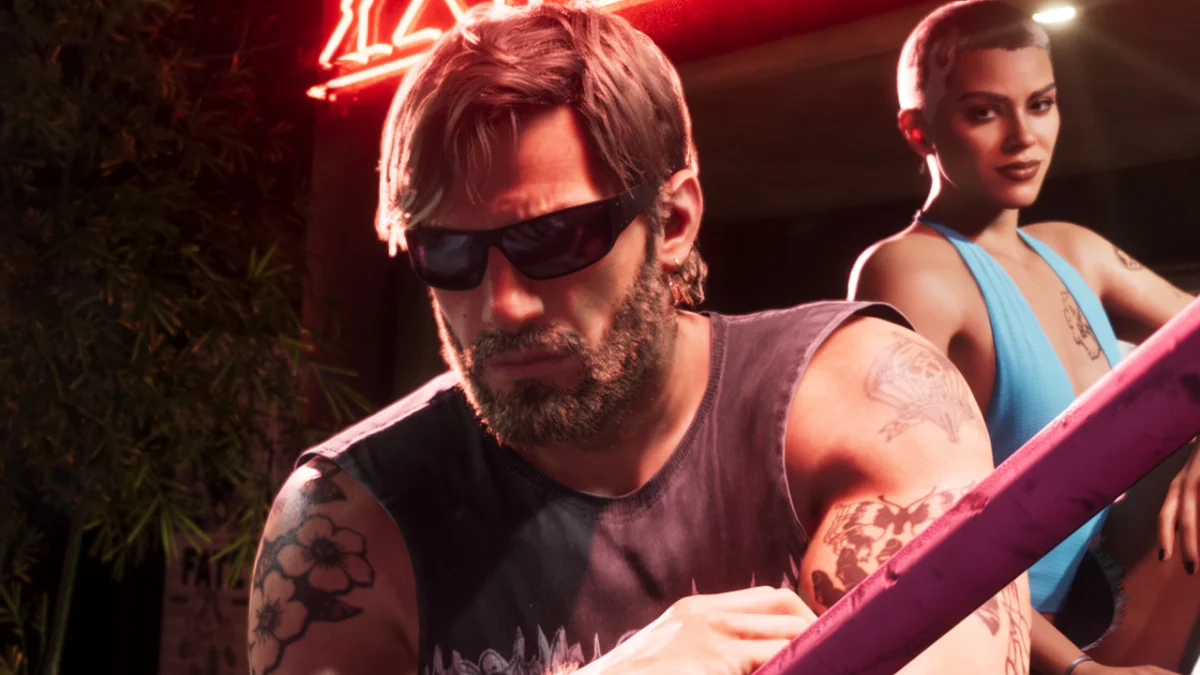
The countdown to the release of Grand Theft Auto 6 is arguably the most significant cultural event in the gaming industry this decade. As Rockstar Games prepares to transport players back to the neon-soaked, chaotic streets of Leonida—a fictionalized version of Florida—the hype machine is operating at unprecedented levels. However, for a massive, dedicated, and increasingly frustrated segment of the gaming population, the impending launch is marked by a conspicuous absence: the PC platform.
As pre-orders for the console versions go live, the reality has set in for the PC community. Once again, Rockstar Games is adhering to its long-standing tradition of prioritizing console releases, effectively relegating PC enthusiasts to the status of secondary citizens. This strategy, while financially lucrative for the studio, has reignited a fierce debate regarding platform loyalty, technical optimization, and the evolving nature of the gaming market.
The Chronology of Exclusion: A Rockstar Tradition
To understand the current frustration, one must look at the historical trajectory of Rockstar’s release schedule. Historically, the studio has treated the PC as an afterthought, often delaying ports by a year or more.
- The GTA V Precedent: When Grand Theft Auto V launched in 2013, it arrived exclusively on the PlayStation 3 and Xbox 360. PC players were forced to wait nearly two years for the definitive version of the game to arrive on Steam, a delay that allowed the company to sell the game multiple times to the same users across generations.
- The RDR2 Gap: Red Dead Redemption 2 followed a similar, albeit shorter, path. Following its 2018 console debut, the PC version didn’t arrive until late 2019.
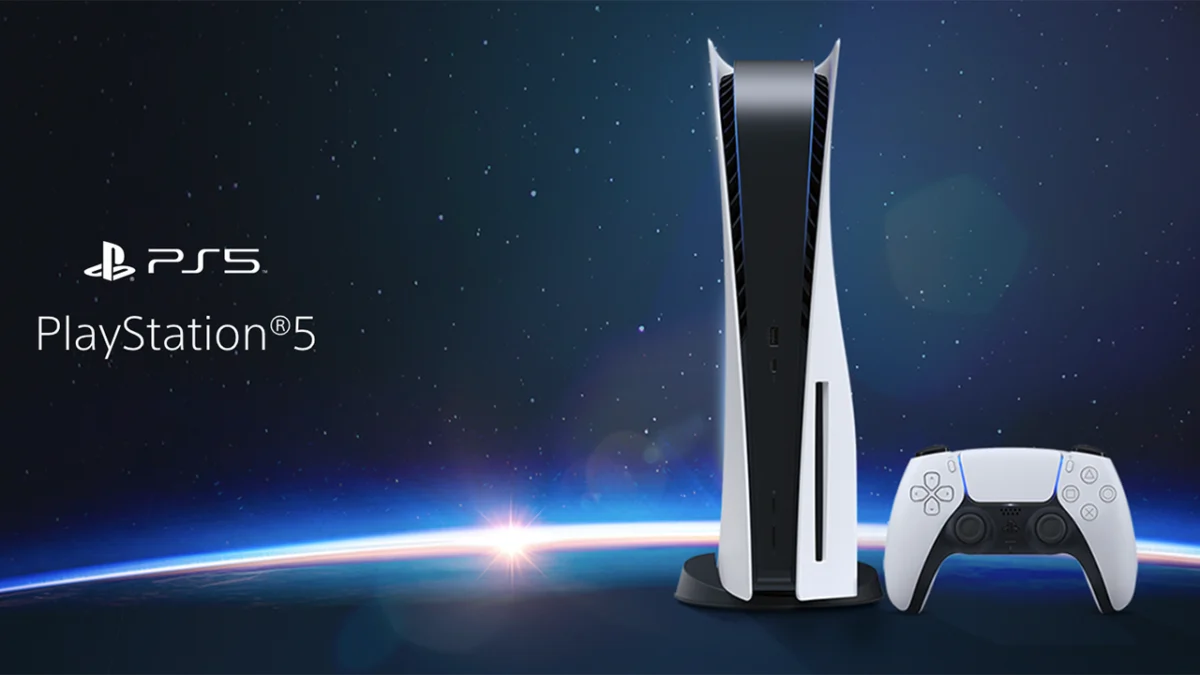
- The Current Stance: With GTA 6, the pattern remains unbroken. Despite the global ubiquity of PC gaming, Rockstar has remained silent on a Windows release date, signaling a deliberate choice to focus resources on the PlayStation 5 and Xbox Series X/S hardware.
Serving the "Core": The Philosophical Divide
The decision to prioritize consoles is not merely a logistical choice; it is an ideological one. Strauss Zelnick, CEO of Take-Two Interactive—the parent company of Rockstar Games—has been vocal about the studio’s philosophy. In previous statements, Zelnick has posited that Rockstar’s primary objective is to serve its "core" audience, which he identifies as console gamers.
This narrative, however, creates a sharp divide between the developer and its player base. By labeling console players as the "core," Rockstar implicitly suggests that the PC community—despite its massive size and technical contributions—is peripheral. This "cool kids club" approach to marketing and release scheduling feels antiquated to many observers, particularly in an era where the lines between platform ecosystems are increasingly blurred.
Supporting Data: The PC Market’s Undeniable Growth
The argument that PC players are not a "core" demographic is increasingly difficult to justify with financial data. According to industry reports, the global video game market surpassed the $200 billion mark in 2025, with PC gaming leading the charge in year-over-year growth.
Furthermore, Zelnick himself has acknowledged in past investor calls that for "big titles," the PC platform can account for 45% to 50% of total sales. This creates a paradox: Rockstar is intentionally delaying a product for a market that potentially represents nearly half of their total revenue potential.
Recent polling among the PC gaming community reveals the depth of the dissatisfaction. A significant percentage of players are signaling that they will not purchase the game on console even if it is available, either out of principle or because they have transitioned away from console hardware entirely. This indicates a risk: by forcing a "double-dip" strategy—where players buy on console first and then again on PC—Rockstar may be alienating a portion of the market that simply decides to opt out of the ecosystem entirely.
The Technical Argument: Hardware Limitations
Beyond the business politics, there is the issue of hardware capability. For many PC enthusiasts, the prospect of playing one of the most visually ambitious games of the decade on aging console hardware is disheartening.
The disparity between a high-end PC rig—often equipped with top-tier GPUs like the RTX 4090—and the fixed hardware of a console is vast. When a game as technically demanding as GTA 6 is restricted to consoles, the potential for visual fidelity, framerate stability, and modding accessibility is artificially capped.
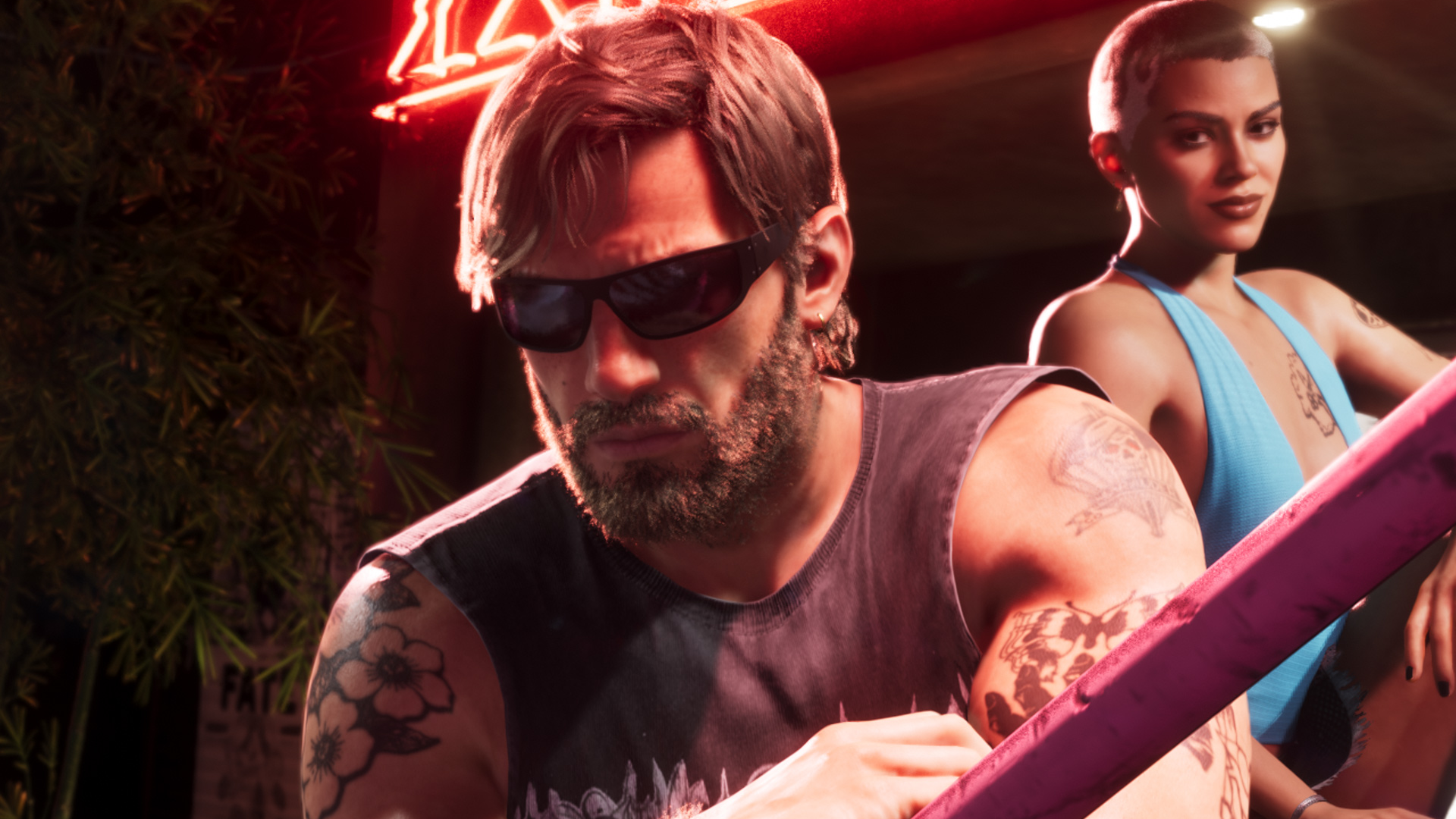
For the enthusiast, playing on a console often feels like a "blurrier", more restrictive experience. The community’s desire for the PC version is driven by the knowledge that the hardware at their desks is capable of delivering a version of the game that consoles simply cannot achieve. By withholding the PC version, Rockstar is effectively forcing its most dedicated, hardware-savvy fans to experience their magnum opus on hardware that, in their eyes, is strictly inferior.
Modding and the Corporate Control Narrative
The skepticism surrounding the delay is further compounded by Rockstar’s recent history with the modding community. Mods have historically been the lifeblood of the GTA series on PC, extending the game’s longevity by years and fostering vibrant, creative communities.
However, Rockstar has increasingly moved toward a model of strict control. The company’s recent efforts to clamp down on non-official modding platforms suggest a move toward a more "walled garden" approach. Some critics argue that the delay of the PC version is not just about optimization, but about controlling the environment. By releasing the game only on consoles first, Rockstar ensures that players are funneled into their own ecosystem, free from the "disruptive" influence of mods that could potentially interfere with monetization strategies, such as GTA Online microtransactions or the new, controversial pricing tiers.
The Pricing Controversy
Adding fuel to the fire is the current discourse surrounding the game’s pricing model. Rumors and confirmed details regarding "Ultimate Edition" bundles, which lock exclusive content behind a $100 price tag, have left a sour taste in many mouths.
The concern among the PC community is that the delay allows Rockstar to manage the launch of these monetization features without the immediate threat of "pirates" or modders finding ways to circumvent the paywalls on day one. It is a cynical take, certainly, but one that is gaining traction in forums and social media. When a company with the resources of Rockstar chooses to withhold a product from a massive, paying audience, the public naturally looks for a profit-driven motive.
Implications for the Future
The implications of this strategy are twofold. On one hand, Rockstar is likely to see record-breaking launch numbers on consoles, confirming their theory that the "core" audience will show up regardless of platform availability. On the other, they are actively damaging their relationship with the PC demographic.
As the industry moves toward a future where cross-platform play and day-one releases are becoming the standard, Rockstar’s stubborn adherence to the "console-first" model looks increasingly like a relic of the past. While they may succeed in the short term, they risk creating a generation of PC gamers who feel neglected, leading to a long-term decline in brand loyalty.
Ultimately, the frustration expressed by the PC community is not just about the wait—it is about being heard. When nearly half of your market is clamoring for a product, treating them as an afterthought is a strategy that requires immense confidence. Whether that confidence is well-placed remains to be seen, but one thing is certain: when GTA 6 finally makes its way to PC, the reception will be as much about the delay as it is about the game itself.
For now, the PC community remains behind the glass, watching the console players enjoy the spectacle, and waiting for the day when Rockstar decides that they, too, are part of the "core." Until then, the existential crisis of the PC gamer continues, fueled by high-end rigs, unfulfilled potential, and a lingering sense of being left out in the rain.


 Asro
Asro
 Muslim