Sagoh
Sagoh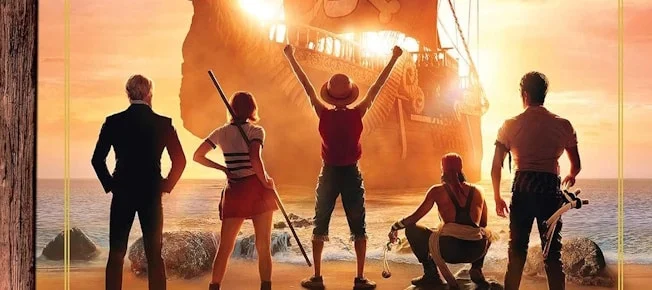
The adaptation of Eiichiro Oda’s magnum opus, One Piece, into a live-action medium was long considered an insurmountable challenge by industry insiders and die-hard fans alike. With a sprawling narrative that spans decades, thousands of characters, and a world defined by whimsical, often surreal physics, the transition from the pages of Weekly Shonen Jump to the high-stakes environment of Netflix’s prestige television was a gamble of unprecedented proportions.
However, the resounding success of the first season—and the eager anticipation for the second—has proven that the Straw Hat Pirates can indeed translate to the physical realm. To document this monumental production effort, VIZ Media has released a deluxe hardcover art book, authored by Mike Avila with a foreword by Joe Tracz, providing an exhaustive look at the creative machinery that birthed this world.
Main Facts: The Anatomy of a Global Phenomenon
The new publication serves as a comprehensive guide to the production design, visual effects (VFX), and logistical planning that defined the first two seasons of the Netflix series. The book acts as a bridge between the source material—Eiichiro Oda’s iconic manga—and the creative interpretations made by showrunners and designers tasked with rendering the "East Blue" and the journey to "Drum Island" into tangible reality.
Central to the narrative of the art book is the balance between practical set building and digital integration. For fans of the series, the book serves as a treasure map of sorts, detailing how iconic locales such as the 153rd Branch Marine Base, the floating restaurant Baratie, the fog-drenched streets of Loguetown, and the prehistoric jungles of Little Garden were conceptualized.
The book underscores a critical industry shift: the move away from pure "green screen" reliance toward a hybrid approach. By constructing massive, physical sets—most notably the Going Merry—the production team provided the actors with a tactile environment that fostered more grounded, authentic performances, which are then enhanced by digital artistry.
Chronology: From Concept to Screen
The development of the One Piece adaptation followed a rigorous, multi-year trajectory. Before the first camera ever rolled, the production team engaged in a lengthy period of "world-building research," a phase extensively covered in the book.
The Development Phase (2020–2022)
Initial efforts were focused on the translation of Oda’s aesthetic into a "grounded fantasy" style. This required the costume and makeup departments to solve the "cosplay problem"—ensuring that characters like Luffy, Zoro, and Sanji felt like people living in a world rather than people wearing costumes. The book details the iterative process of designing Luffy’s signature straw hat and the practical rigging required to make Zoro’s three-sword style look threatening rather than cartoonish.
The Production of Season 1 (2022–2023)
The chronology of the first season’s production is marked by the construction of the massive ship sets in Cape Town, South Africa. This period was defined by the challenges of shooting on the ocean, battling the elements, and maintaining the structural integrity of the ships while allowing for complex camera movements.
Transitioning to Season 2 (2024–Present)
The art book expands into the pre-production and filming stages of the second season. As the story moves toward Drum Island, the tone shifts from the vibrant, tropical aesthetics of the East Blue to the harsh, snow-swept environments of the Grand Line. This phase of the chronology highlights the evolution of the VFX pipeline, as the show introduces more complex creature designs and supernatural abilities that require sophisticated compositing.
Supporting Data: The Craft of World-Building
To understand the scale of this production, one must look at the data points provided in the technical sections of the book.
- Practical Set Construction: The production utilized over 50,000 square feet of stage space for the Baratie set alone, a feat of engineering that required close collaboration between marine architects and set designers.
- Prosthetics and Makeup: The series features an unprecedented number of unique creature designs. The book reveals that the makeup team spent thousands of man-hours developing "human-adjacent" fish-men designs, utilizing high-grade silicone prosthetics that could withstand the moisture of water-based filming.
- Stunt Coordination: The book features exclusive breakdowns of the fight choreography. Unlike many modern action series that rely on rapid-fire editing to hide poor stunt work, the One Piece team utilized long-take sequences to highlight the specific fighting styles of the Straw Hats, from Sanji’s "Black Leg" style to Zoro’s blade mastery.
Official Responses: The Collaborative Vision
In exclusive interviews included in the text, members of the production team discuss the weight of responsibility inherent in adapting a global cultural touchstone.
"We were not just making a show; we were acting as curators of a legacy," notes one lead designer featured in the book. The commentary emphasizes the "Oda-approved" process, where every major design choice was vetted by the manga creator himself. This oversight was crucial for the show’s reception; fans of the manga often fear the "Hollywood-ization" of anime, which usually results in the stripping away of the source material’s soul.
Joe Tracz, in his foreword, notes that the success of the series lies in the "earnestness" of the production. The team did not approach One Piece with cynicism; they approached it as a sincere adventure, mirroring the emotional core of the manga. The official stance of VIZ Media and the production house remains that the art book is not merely a promotional tool, but a historical record of a milestone in cross-cultural entertainment.
Implications: The Future of Live-Action Anime
The release of this comprehensive art book signals a new era for intellectual property management. By providing fans with a deep-dive into the "how" and "why" of the show, Netflix and VIZ Media are fostering a deeper, more intellectual engagement with the series.
The "Prestige" Shift
For years, live-action anime adaptations were relegated to the realm of B-movies. One Piece has effectively forced a change in the industry’s perception. By investing in practical effects, high-end costume design, and a dedicated, knowledgeable production staff, the show has raised the bar for what audiences expect from serialized genre content.
Economic and Cultural Impact
The implications of the book’s release extend to the broader comic and manga industry. As these properties become the foundation for massive, multi-season television events, the documentation of their creation—via books like this—becomes a valuable resource for film students, designers, and historians of pop culture. It suggests that One Piece is viewed not just as a hit show, but as a permanent fixture in the global media landscape.
A Blueprint for Success
The technical success documented in the book provides a blueprint for future adaptations. It demonstrates that the key to winning over a skeptical fanbase is transparency and dedication to the source material’s aesthetic identity. By allowing the audience to see the seams—the sketches, the failed prototypes, the early renders—the production team builds trust. They are essentially saying: "We worked as hard on this as you work on loving it."
Conclusion: A Must-Have for the Archive
Whether you are a casual viewer who enjoyed the Netflix series or a lifelong fan of the One Piece manga, the art book provides a necessary context for the sheer magnitude of the production. It captures a moment in time where the barrier between a hand-drawn dream and a high-definition reality was successfully broken.
As the Straw Hat Pirates continue their journey, and as the show continues to expand its world, this book will undoubtedly serve as the definitive account of the production’s origins. It is a testament to the fact that when creative passion meets high-budget execution, the results can be as boundless as the Grand Line itself.
For those interested in securing their copy, the book is available through major retailers, including Bookshop and Amazon. Supporting these local and digital retailers not only secures a piece of television history but also helps sustain the journalism that keeps the community informed about the ever-evolving world of pop culture and media production.


 Ammar Sabilarrohman