Ammar Sabilarrohman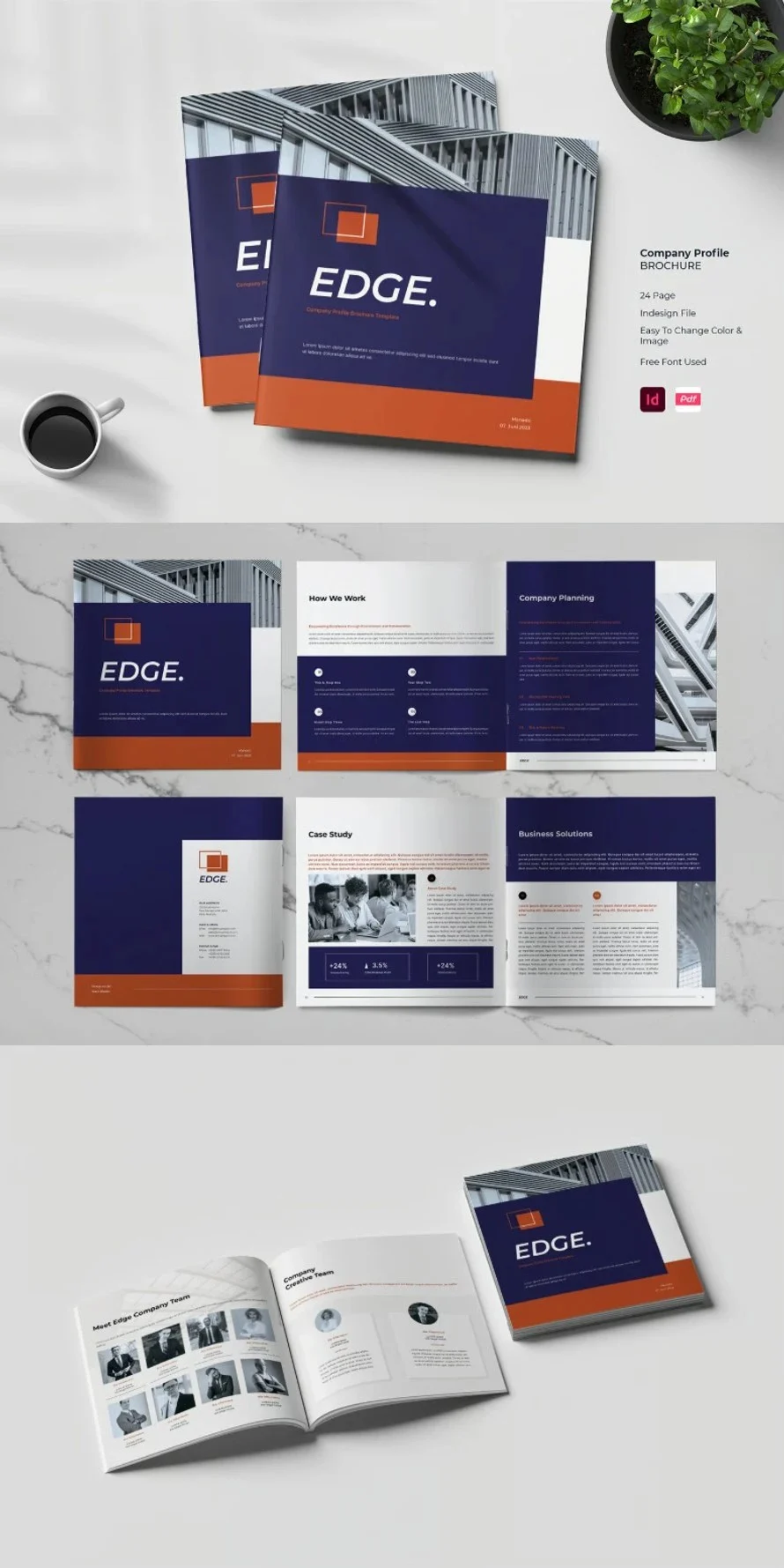
In an era where digital saturation often dilutes brand messaging, the power of a tangible, professionally designed brochure or catalog remains unmatched. Whether you are a boutique agency, a burgeoning startup, or an established corporation, the way you present your products and services speaks volumes about your commitment to quality. Today, businesses are increasingly turning to high-end, professionally crafted brochure templates to bridge the gap between complex information and aesthetic appeal.

The Evolution of Corporate Presentation
The history of the brochure is a study in communication design. What began as simple, folded paper handouts in the mid-20th century has evolved into sophisticated, multi-page, interactive brand assets. As design trends have shifted toward minimalism and modularity, the demand for "ready-to-use" professional layouts has skyrocketed.

For modern designers and business owners, the "blank page" syndrome is a productivity killer. The modern catalog template represents a paradigm shift: it is no longer just a document; it is a structural framework. By utilizing pre-built grids, paragraph styles, and master pages, professionals can now focus on the content and strategy of their brand communication rather than the tedious mechanics of layout software.

Supporting Data: Why Layout Quality Impacts Conversion
Market research consistently shows that visual consistency is a primary driver of brand trust. A study on corporate documentation suggests that:

- Cognitive Load: Well-organized grids (like those found in professional square and rectangular templates) reduce cognitive load for the reader, leading to higher engagement with product details.
- Print vs. Digital: While digital transformation is pervasive, 78% of B2B decision-makers still value printed catalogs during the final stages of a procurement cycle.
- Efficiency Gains: Adopting a professional template reduces the design phase of a project by approximately 60–70%, allowing marketing teams to deploy collateral at the speed of the market.
The Anatomy of a High-Performing Brochure Template
A professional-grade brochure template is more than just an arrangement of images and text. It is a highly engineered document built for specific functional requirements.

1. The Grid System
The most successful layouts utilize strict grid systems. Whether square or rectangular, these templates provide the necessary "white space" to allow content to breathe. This prevents the cluttered look that often plagues amateur attempts at catalog design.

2. Typographic Hierarchy
Strong typography is the hallmark of a premium brand. The best templates come pre-loaded with hierarchy—meaning the relationship between headers, sub-headers, and body text is already optimized for readability and visual flow.

3. Print-Ready Specifications
For physical collateral, technical accuracy is non-negotiable. The industry standard for these templates includes:

- CMYK Color Profiles: Ensuring color accuracy from screen to press.
- 3mm Bleeds: Eliminating white borders during the trimming process.
- 300 DPI Resolution: Guaranteeing crisp, high-definition imagery.
A Curated Selection of Contemporary Layouts
For those seeking to revitalize their marketing collateral, the current market offers a wealth of options. Below is a breakdown of specialized templates designed for diverse industries:

Corporate & Annual Reporting
For organizations requiring a clean, professional aesthetic, templates like the Square Corporate Brochure are essential. These are engineered to handle complex financial data, block quotes, and key performance indicators (KPIs) with a level of sophistication that builds investor confidence.

Creative & Lifestyle Portfolios
The Square Photography Portfolio and Interior Design Catalog templates focus on visual impact. These layouts prioritize large-scale imagery, using minimal text to allow the quality of the photography to take center stage. These are ideal for architects, interior designers, and fashion labels.

Culinary & Product Catalogs
Food and lifestyle brands benefit from the Square Cookbook and Recipe Book templates. These are not merely for recipes; they are excellent for any business that needs to present multiple items with detailed descriptions in a grid-based, appetizing format.

Project Proposals
A proposal is a sales tool. Using a template like the Square Project Proposal ensures that your pitch is perceived as professional before the prospect even reads a word. These documents usually span 16 to 24 pages, providing enough room for team bios, project timelines, and budgetary breakdowns.

Implications for Modern Business
The decision to utilize templates is a strategic business move, not a shortcut. When a company invests in high-quality design assets, the implications for their business are profound:

Cost-Efficiency and Resource Allocation
By utilizing templates, businesses can reallocate funds from expensive agency design fees toward higher-quality photography or premium paper stocks. This democratization of design allows smaller businesses to punch above their weight class, competing visually with much larger entities.

Speed to Market
In the current business climate, speed is a competitive advantage. When a new product launch occurs, a marketing team using a pre-configured template can produce a 20-page, high-end brochure in a fraction of the time it would take to build from scratch. This allows for rapid iteration and testing of different marketing messages.

Scalability and Brand Consistency
For franchises or multi-departmental organizations, maintaining brand identity across different regions is a common challenge. Centralized templates ensure that whether a brochure is being produced in London or New York, the brand voice, color palette, and layout philosophy remain consistent.

Expert Tips for Customizing Your Templates
While the templates are "ready-to-go," they serve as a foundation. To make them your own, consider the following best practices:

- Consistent Color Palette: Even if a template comes with default colors, ensure they align with your brand guidelines. Use the "Swatches" panel in Adobe InDesign to update all instances globally.
- Typography Choices: While the provided fonts are usually professional, don’t be afraid to swap them for your brand-specific typeface to reinforce identity.
- Image Selection: The quality of your brochure is only as good as the images you put in it. Prioritize high-resolution, professional photography over stock imagery whenever possible.
- Use of Master Pages: Utilize the master page functionality to automate page numbers, running headers, and footers. This ensures that the document remains organized even as it grows to 50+ pages.
Conclusion: The Future of Print Collateral
The integration of digital-first layouts—such as those designed for Instagram—alongside traditional print templates highlights a shift toward a hybrid marketing strategy. Companies are no longer choosing between digital or physical; they are choosing to exist in both spaces with equal sophistication.

As we look toward the future of professional design, the reliance on structured, high-quality, and fully editable templates will only increase. By leveraging these design systems, businesses can ensure that every point of contact with a customer—whether through a physical booklet or a digital lookbook—is a reflection of excellence.

Investing in these assets is, ultimately, an investment in the perception of your brand. In a world that is increasingly transient, a well-designed, tactile piece of collateral serves as a permanent testament to your business’s professionalism and attention to detail. Whether you are creating a simple product guide or a complex annual report, the right template provides the structure you need to tell your story effectively.

 Siti Muinah
 Evan Lee Salim