Dwi Wanna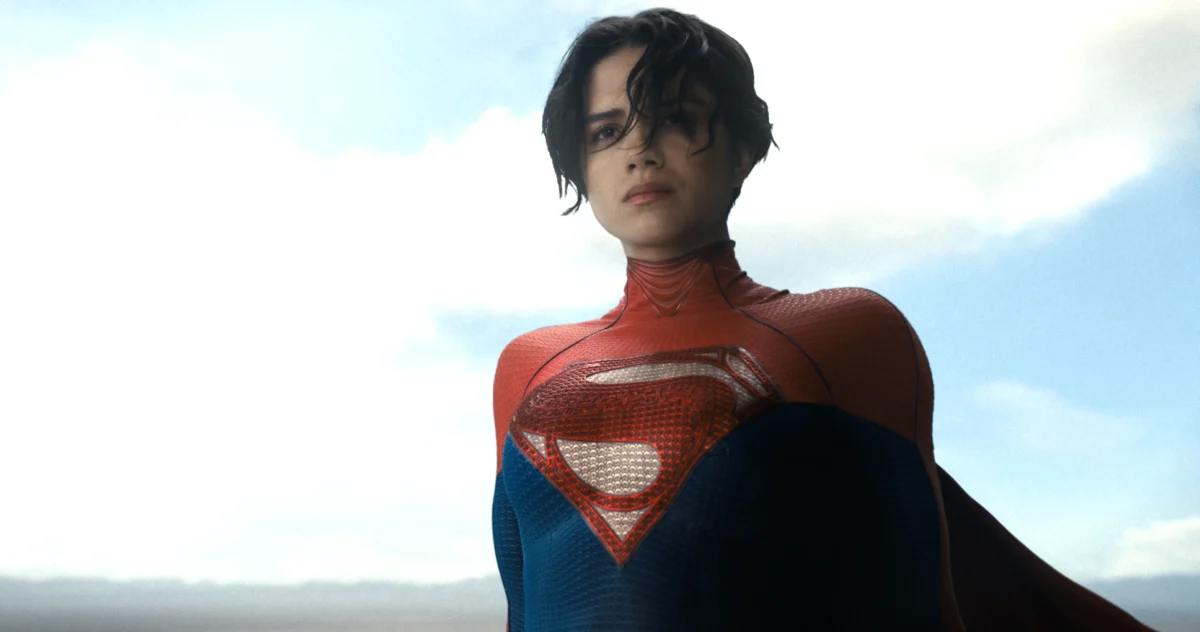
The landscape of the DC Universe (DCU) is currently undergoing its most significant transformation in decades. As James Gunn and Peter Safran take the reins of DC Studios, they are systematically dismantling the remnants of the old guard—the DC Extended Universe (DCEU)—to make way for a cohesive, interconnected storytelling tapestry. Central to this transition is the highly anticipated Supergirl film, a project that has navigated a complex production history.
While screenwriter Ana Nogueira has been attached to the property since before the studio’s massive pivot, recent revelations confirm that the version of Kara Zor-El arriving on the big screen will bear no resemblance to the iterations that preceded it. For fans tracking the trajectory of the Girl of Steel, this represents a clean slate, both creatively and narratively.
The Chronology of a Canceled Vision
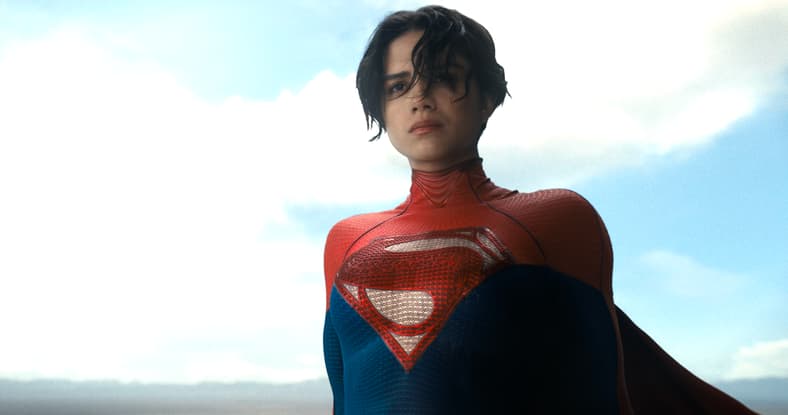
To understand the significance of Nogueira’s recent comments, one must first look at the tumultuous timeline of the DCEU. Following the release of The Flash (2023), which featured Sasha Calle as a gritty, battle-hardened version of Supergirl, there were initial plans to expand that character’s arc. Nogueira was originally hired to pen a spinoff film that would have served as a direct continuation of the character introduced in the Andy Muschietti-directed film.
However, the poor commercial performance of The Flash, coupled with the broader failure of the DCEU to maintain critical and financial momentum, prompted a complete corporate restructuring. When Gunn and Safran were appointed as the architects of the new DCU, they opted to scrap the existing continuity entirely.
Despite the cancellation of the Calle-led project, Nogueira was retained. This unique position—being the only bridge between two completely different regimes—led many to speculate that her original treatment might have been salvaged or recycled. For months, industry observers debated whether the core DNA of her original script had survived the transition to the new studio’s vision, specifically regarding the casting of Milly Alcock.
A Total Creative Reset: Official Responses
In a series of candid interviews leading up to the film’s release, Nogueira finally put the rumors to rest. When asked if any elements from her original treatment for the Sasha Calle version of the character were incorporated into the current film, Nogueira was unequivocal.
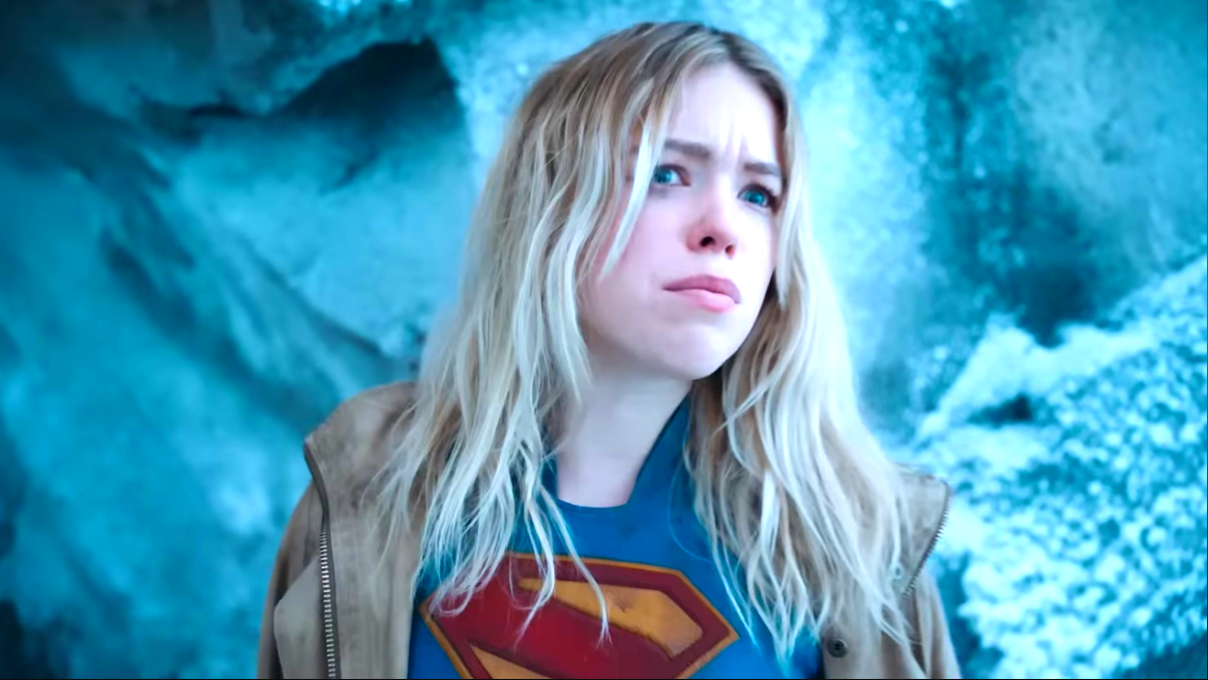
"Completely different," she stated. "No, honestly. Nothing carried over. Isn’t that crazy? It was really brand new."
Nogueira noted that while the transition was jarring, her prior work on the character was not a total loss. Instead of providing plot points or narrative beats, her previous research served as a foundational knowledge base. "I think the only thing that was helpful was because of all that I knew so much about the character," she explained. "I knew so much. But even the destruction of Krypton was different."
This admission confirms that the new DCU is not merely a soft reboot; it is a fundamental reconstruction. By opting to start from scratch rather than forcing existing scripts into the new mold, DC Studios has signaled that they are prioritizing tonal consistency over administrative convenience.
The Guiding Light: Tom King’s Supergirl: Woman of Tomorrow
With the previous DCEU script discarded, Nogueira turned her focus to the source material. She confirmed that Tom King’s critically acclaimed limited series, Supergirl: Woman of Tomorrow, served as the "guiding light" for the new project.
The comic series, which explores Kara’s journey across the cosmos, is noted for its melancholic tone, its focus on identity, and its grand, space-faring scope. Unlike traditional Superman stories that are tethered to Metropolis, Woman of Tomorrow pushes Supergirl into the role of a galactic wanderer, a tone that Nogueira is clearly aiming to replicate.
However, adapting such a beloved graphic novel comes with its own set of logistical and creative hurdles. Nogueira expressed deep admiration for the source material, particularly the striking visual imagery crafted by artist Bilquis Evely. She admitted that certain iconic sequences were simply too ambitious or tonally specific to make the jump to live-action.
The Challenge of Adaptation
"I think that particular panel with her, with the Red Kryptonite and the Psychedelic Dragon is just like, gorge," Nogueira remarked, highlighting one of the book’s most memorable sequences. Despite her love for the imagery, she noted that the "Psychedelic Dragon" was a difficult inclusion to justify in a cinematic narrative.
Similarly, she addressed fan questions regarding the inclusion of the book’s prehistoric elements. When asked by fans if there would be dinosaurs, Nogueira laughed, admitting, "I was never going to be able to put in dinosaurs." This highlights the necessary tension between honoring a graphic novel and building a screenplay that functions within the financial and narrative constraints of a major blockbuster.
Implications for the DCU
The implications of Nogueira’s creative process are profound. By explicitly stating that nothing from the DCEU era was kept, she has provided clarity to a fanbase that has been confused by the studio’s "part-reboot, part-continuation" marketing strategy.
1. The Death of the "Snyderverse" Legacy
The total abandonment of the Sasha Calle-era treatment confirms that the studio is uninterested in maintaining any connective tissue to the previous decade of films. For those hoping for a multiverse-based explanation that ties the old and new together, Nogueira’s comments suggest that the studio is far more interested in a clean, accessible starting point for new audiences.
2. The Power of the Writer in the New DCU
Gunn and Safran’s decision to retain Nogueira despite canceling her project speaks to the studio’s new approach to talent management. Rather than viewing writers as cogs in a machine, the studio appears to value the institutional knowledge that a writer acquires during the development process. By allowing her to restart the process with a new vision, they have empowered her to craft a more focused, singular story that isn’t burdened by the baggage of a previous, failed franchise.
3. Expectations for the "Woman of Tomorrow" Adaptation
Because the film is heavily inspired by King’s work, fans can expect a movie that deviates significantly from the "origin story" format. Woman of Tomorrow is a story about a character who has already been through her formative trauma; the film will likely lean into the psychological weight of Kara’s existence—her isolation as the "other" survivor of Krypton compared to her cousin, Kal-El.
Conclusion: A New Horizon
As Supergirl prepares to take flight, the discourse has shifted from "How does this fit in the old DC?" to "What does this mean for the future of the character?" Ana Nogueira’s transparency has provided a vital service, clarifying that the past is indeed the past.
The film promises to be a departure from the gritty, war-torn aesthetic that defined the previous iteration of the character. Instead, audiences should prepare for a cosmic adventure that stays true to the spirit of the comics while carving out its own distinct path. Whether or not the lack of "psychedelic dragons" or "dinosaurs" will impact the film’s reception remains to be seen, but one thing is certain: in the hands of Nogueira and the new DC Studios leadership, Kara Zor-El is finally being given the room to tell her own story, free from the constraints of a dying cinematic universe.
As the DCU continues to build its new foundation, the success of this film will likely serve as a benchmark for how the studio handles its upcoming slate—balancing the reverence for beloved source material with the creative liberty required to make a truly modern, compelling film. For now, the message is clear: the party is over, the slate is clean, and the future of Supergirl is finally here.

 Sagoh
Sagoh
 Ammar Sabilarrohman