Sagoh
Sagoh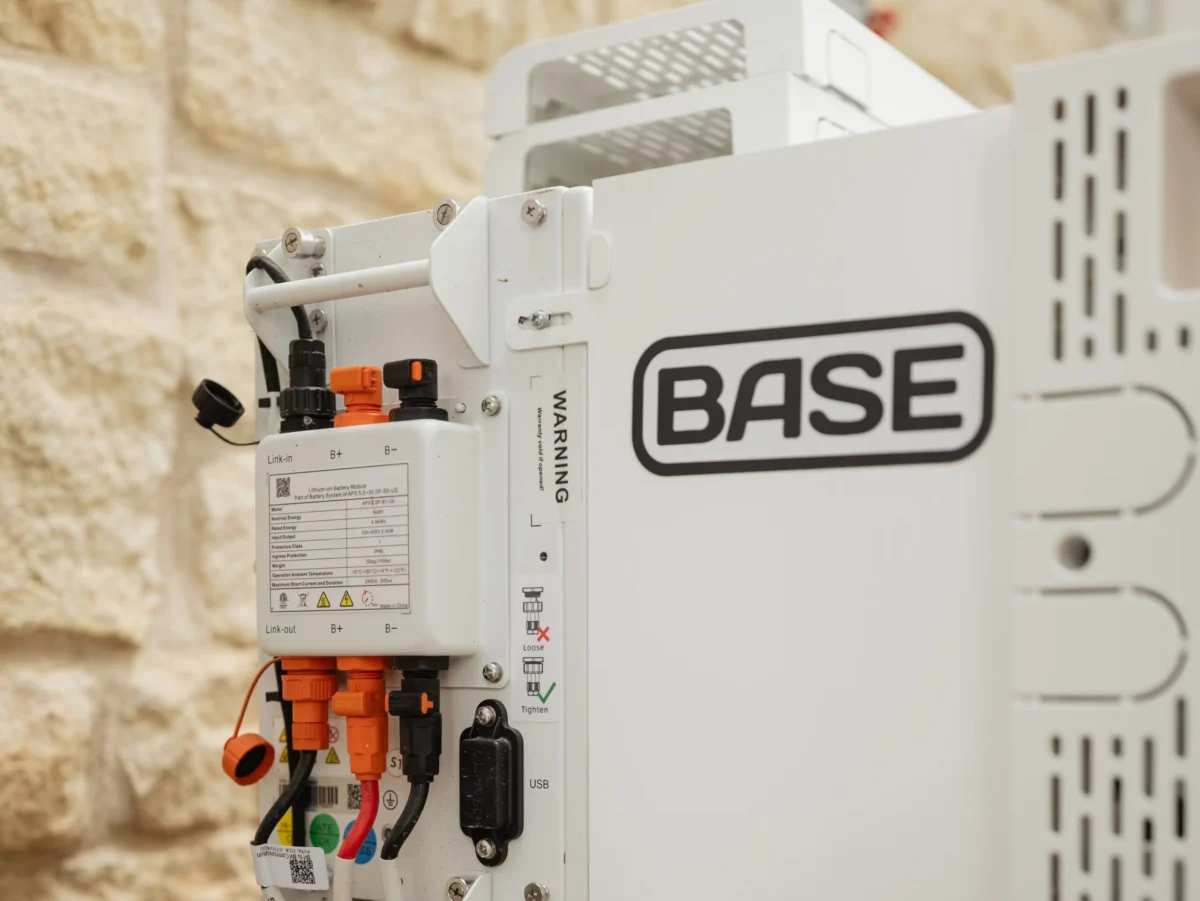
In a move that signals a seismic shift in how residential energy is managed, the startup Base Power has officially expanded its operations into Illinois. This development marks the company’s first significant entry into the territory served by PJM Interconnection, the largest grid operator in the United States. For a region grappling with unprecedented electricity demand and a volatile pricing environment, Base Power’s arrival offers a potential, albeit disruptive, solution to the modern energy crisis.
The startup’s business model—which centers on deploying massive, behind-the-meter residential battery systems—is designed to bypass the traditional, often stagnant, grid interconnection queues. By transforming individual homes into nodes of a larger "Virtual Power Plant" (VPP), Base Power is attempting to stabilize a grid that has been pushed to the brink by the rapid expansion of AI-driven data centers and a failure to modernize infrastructure in a timely fashion.
The PJM Crisis: A Grid Under Unprecedented Strain
To understand the stakes of Base Power’s entry, one must first look at the state of PJM Interconnection. Serving all or parts of 13 states and the District of Columbia, PJM is the heartbeat of the American electricity system. However, in recent years, that heartbeat has become dangerously irregular.
The primary culprit is the massive, concentrated load growth from data centers, particularly in Northern Virginia. These facilities are the engine rooms of the artificial intelligence boom, requiring constant, high-voltage power. This surge in demand has collided with a stagnant supply of new generating capacity. For years, PJM struggled to process a massive backlog of applications for new solar, wind, and gas projects, effectively freezing the development of new energy sources between 2022 and early 2024.
The result has been a "power crunch" of historic proportions. Wholesale electricity prices across the PJM territory have surged by nearly 76% over the past year. The situation has reached such a level of instability that major utility providers, including American Electric Power (AEP), have publicly floated the idea of leaving the market entirely, citing the inability to guarantee reliable supply amidst regulatory bottlenecks.
Chronology: From Texas Origins to Midwestern Expansion
Base Power was founded two years ago in Texas, a market known for its independent and volatile grid, ERCOT. The company’s trajectory has been defined by rapid scaling and a distinct philosophy: instead of selling batteries to consumers, Base Power provides the hardware as a service, requiring customers to purchase electricity directly from the company.
- 2023: Base Power launches in Texas, building a foundational VPP network. The company differentiates itself by deploying batteries starting at 25 kilowatt-hours—significantly larger than the average residential system offered by competitors like Tesla.
- April 2025: Following a period of hyper-growth, Base Power secures a $200 million funding round led by heavyweight investors, including Andreessen Horowitz, Lightspeed Venture Partners, and Valor Equity Partners.
- October 2025: The company accelerates its nationwide ambitions by raising an additional $1 billion, led by Addition, providing the capital necessary to scale its hardware deployment.
- May 2026: Base Power officially begins operations in Illinois, marking its first move outside of Texas and its debut in the PJM market.
By leveraging its existing 500-megawatt-hour fleet in Texas, Base Power has refined a strategy of "energy arbitrage": charging batteries when electricity prices are low and dispatching that power back into the grid when demand—and prices—peak.
The "End-Run" Strategy: Why Behind-the-Meter Matters
The brilliance of the Base Power model, according to industry analysts, is its ability to circumvent the "sclerotic" processes of grid operators. By installing capacity "behind the meter" at a residential property, the startup effectively piggybacks on existing grid interconnections.
"We are deploying capacity behind the meter at the residential home, where an interconnection already exists, so we don’t wait in the interconnection queue," Base Power founder and CEO Zach Dell stated in an interview with Canary Media.
This bypass is critical. While traditional power plants or large-scale utility battery farms must undergo years of environmental review, engineering studies, and grid impact assessments, Base Power’s individual units are essentially treated as residential appliance upgrades. By aggregating thousands of these units, the company creates a decentralized utility that can respond to grid stress in milliseconds, without ever needing to build a new high-voltage transmission line.
In Illinois, the company is already positioning itself as a consumer-friendly alternative to incumbents. Base Power is offering electricity rates that are approximately 25% lower than those of ComEd, the state’s primary utility provider, providing an immediate financial incentive for adoption alongside the promise of grid reliability.
Supporting Data and Market Implications
The economic data backing the move is compelling. As wholesale prices in PJM have spiked, the delta between "cheap" overnight power and "expensive" peak-hour power has widened. This volatility is the perfect environment for a VPP.
The Financial Landscape
- Operational Scale: Base Power is currently managing over 500 MWh of storage.
- Pricing Advantage: By undercutting local utility rates by 25%, the startup creates a "sticky" customer base that acts as both a consumer and a distributed asset.
- Investment Confidence: With $1.2 billion in total funding raised in under two years, the capital markets are signaling a strong belief that the future of the grid is decentralized rather than centralized.
The Regulatory Challenge
PJM’s decision to reopen its generation queue in April 2026 was a tacit admission that the status quo was failing. However, critics argue that the queue system is fundamentally ill-equipped for the distributed energy era. Base Power’s entry forces a debate on whether grid operators should continue to prioritize large, centralized projects or pivot to incentivizing distributed resources like the ones Base Power is installing.
Implications: A New Model for the Energy Transition?
The implications for the energy sector are profound. If Base Power succeeds in Illinois, it provides a blueprint for other regions struggling with the AI-driven power crisis.
1. Decentralization of Risk:
By shifting the energy burden from a few large power plants to thousands of residential batteries, the grid becomes inherently more resilient. A single transmission failure or power plant shutdown becomes less catastrophic when the "generation" is spread across an entire state.
2. Consumer Empowerment:
The model shifts the relationship between the consumer and the utility. Instead of being passive recipients of high-priced, unreliable power, homeowners become active participants in the energy market. Their home becomes an asset that generates revenue for the company while providing backup power during grid outages.
3. Challenging the Utilities:
Incumbent utilities like AEP and ComEd are now facing a two-front war. They are struggling to manage the grid’s load on the infrastructure side while simultaneously losing market share to agile, tech-forward startups on the retail side. If utilities cannot modernize their infrastructure to meet the demands of the digital age, companies like Base Power may well cannibalize their residential base.
4. The AI/Energy Nexus:
The "data center problem" is not going away. As long as AI models continue to scale in their computing requirements, the demand for power will continue to outpace traditional infrastructure development. Base Power’s ability to "shave the peak"—reducing the load on the grid during the highest-demand hours—may be the only thing preventing significant brownouts in high-growth corridors like Northern Virginia and Illinois.
Conclusion: The Path Ahead
The arrival of Base Power in Illinois is a litmus test for the future of the American electrical grid. Can a private, technology-driven, decentralized approach succeed where traditional, state-sanctioned utility monopolies have faltered?
While the company faces significant hurdles—including regulatory pushback, the technical challenges of managing a massive, distributed fleet, and the need to scale operations rapidly—the current trajectory suggests that the traditional grid model is struggling to adapt. As Zach Dell and his team push forward, they are not just selling batteries; they are selling a new paradigm of grid management.
For the residents of Illinois, the promise of lower rates and increased reliability is an immediate benefit. For the broader U.S. energy landscape, the success of Base Power could represent the beginning of the end for the centralized grid as we have known it for the past century. Whether PJM and other grid operators will embrace this transformation or fight to maintain the old order remains the central question of the next decade in energy policy. One thing is certain: the era of the Virtual Power Plant has arrived, and it is moving faster than the grid can keep up.


 Azzam Bilal Chamdy
 Jia Lissa