Jia Lissa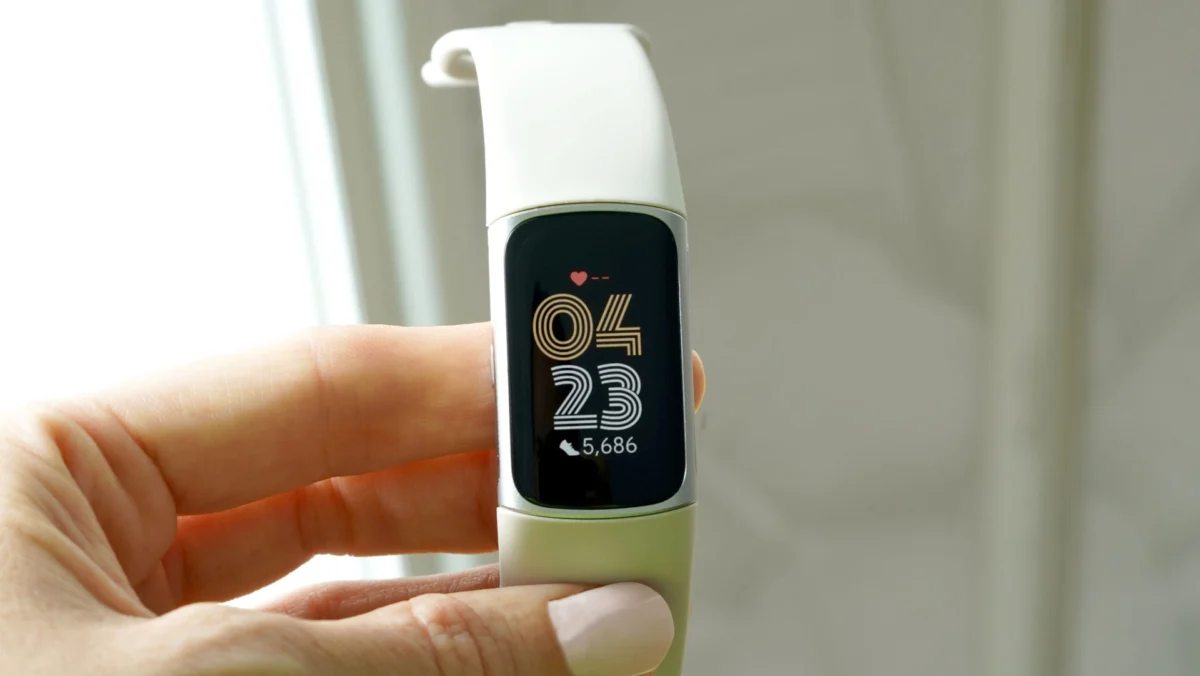
The wearable technology market has long been a battlefield of competing philosophies: the expansive, power-hungry smartwatch versus the focused, streamlined fitness tracker. For years, the Fitbit Charge series has stood as the gold standard for the latter, offering a discreet profile without sacrificing data fidelity. Today, that value proposition has reached a historic zenith. As part of the Prime Day 2026 festivities, the Fitbit Charge 6 has plummeted to just $85.45—a staggering 47% discount from its $159.95 suggested retail price.
This is not merely another routine sale. It marks a significant milestone in the product’s market lifecycle, as this is the first time the device has breached the sub-$90 threshold. For consumers who have been waiting for the optimal entry point into the Google-Fitbit ecosystem, the current climate offers a rare window of opportunity.
Main Facts: The Anatomy of the Deal
The offer is currently live on Amazon for Prime members, representing one of the most aggressive pricing strategies seen for a core wearable device in recent years. At $85.45, the Charge 6 effectively moves from the "mid-range investment" category into the "impulse buy" territory, despite maintaining a robust suite of flagship features.
The deal encompasses the Obsidian/Black colorway and includes both small and large band sizes in the box, ensuring that the device is ready for any wrist size out of the gate. While the discount is profound, it is contingent upon an active Amazon Prime subscription. For those currently lacking membership, the retailer is continuing its standard practice of offering a 30-day free trial, allowing new users to capitalize on the savings while evaluating the benefits of Prime.
A Chronology of the Fitbit Charge Series
To understand why this price drop is so significant, one must look at the trajectory of the Charge line. Since its inception, the Charge series has served as the backbone of Fitbit’s revenue model, bridging the gap between simple step-counters and full-blown smartwatches like the Pixel Watch.
The Evolution of the Tracker
- The Early Days: The original Charge models were lauded for their battery life and basic sleep tracking. They were functional, utilitarian, and lacked the "smart" features that define modern wearables.
- The Mid-Cycle Transition: With the Charge 4 and 5, Fitbit introduced integrated GPS and color displays, shifting the product from a "pedometer plus" to a legitimate training tool for amateur athletes.
- The Google Integration: The Charge 6 represents the culmination of the Google-Fitbit merger. It is the first iteration that truly feels like a Google product, incorporating essential services like Google Maps, Google Wallet, and YouTube Music controls.
- The Pricing Journey: Historically, the Charge 6 has maintained a firm price floor. While seasonal sales often saw it hover between $110 and $130, it resisted deep discounting for the better part of its lifespan. The move to $85.45 is a clear signal from the manufacturer to move inventory, likely in anticipation of future hardware cycles or a shift in the company’s broader strategy toward the Pixel Watch line.
Supporting Data: Why the Charge 6 Remains a Heavyweight
Despite the reduced price, the feature set remains remarkably competitive. The Fitbit Charge 6 is designed for the user who demands granular health data without the distraction of a high-resolution display or the requirement of daily charging.
Technical Specifications and Health Metrics
The device operates on a foundation of 24/7 heart-rate monitoring, which is bolstered by an ECG (electrocardiogram) app for heart rhythm assessment and an SpO2 sensor for blood oxygen monitoring. These are not merely "check-in" features; they provide longitudinal data that can be critical for early detection of health anomalies.
- Exercise Versatility: With over 40 distinct exercise modes, the tracker accommodates everything from high-intensity interval training (HIIT) to swimming and yoga.
- GPS Integration: Unlike cheaper trackers that rely on "connected GPS" (tethering to your phone), the Charge 6 features built-in GPS. This allows runners and cyclists to map their routes, monitor pace, and track distance independently of their smartphone.
- The "Killer Feature": Perhaps the most compelling utility for gym-goers is the real-time heart rate broadcast. The Charge 6 can communicate directly with compatible exercise equipment (treadmills, rowing machines, spin bikes), effectively turning the wearable into a high-precision sensor that feeds data directly to your machine’s console.
The "Smart" Layer
The integration of Google’s suite of services solves the primary grievance users previously had with the Charge line: connectivity. By including Google Maps (for turn-by-turn directions) and Google Wallet (for tap-to-pay), the device transcends the fitness niche. It is a daily driver that minimizes the need to reach for one’s phone during a commute or a grocery run.
Official Responses and Market Strategy
While Fitbit has not issued a formal press release regarding the Prime Day 2026 pricing, the move aligns with a broader strategy shift under the Alphabet/Google umbrella. Industry analysts suggest that by lowering the price of entry, Google is successfully funneling a larger user base into the Fitbit app ecosystem—a platform that is increasingly becoming the central hub for Google’s holistic health vision.
By positioning the Charge 6 as an accessible, sub-$90 entry point, the company is effectively locking users into their subscription model (Fitbit Premium) and gathering vast amounts of health data. This "razor-and-blades" business model suggests that the hardware discount is a calculated sacrifice for long-term user retention.
Implications: The Future of Wearable Tech
The aggressive pricing of the Charge 6 has profound implications for both the consumer and the industry at large.
For the Consumer: Is Now the Time?
If you are currently relying on an aging wearable or have yet to adopt a tracker, this price point removes the final barrier to entry. At $85.45, the return on investment is immediate. The longevity of the device is enhanced by its 7-day battery life, which, while subject to drain via GPS, remains superior to most smartwatches that require nightly charging.
The Industry Shift
The wearable industry is currently bifurcating. On one end, we see devices like the Apple Watch Ultra and the Pixel Watch, which aim to replace the smartphone. On the other, we see the rise of "invisible" trackers like the Oura Ring. The Fitbit Charge 6 occupies the middle ground, but as it becomes cheaper, it threatens the viability of cheaper, "dumb" trackers from budget brands.
By offering a premium-feeling, highly accurate, and ecosystem-integrated device for less than $90, Fitbit is effectively squeezing out competitors who cannot match their software-side data analytics or their brand recognition.
Longevity and Maintenance
One point of consideration for potential buyers is the longevity of the Charge 6. While it remains a current, high-performing device, the rapid pace of tech development means that software updates are eventually curtailed. However, given that this device currently sits at the intersection of fitness tracking and basic smart functionality, it is likely to remain relevant for at least the next two to three years.
Conclusion
The Prime Day 2026 deal on the Fitbit Charge 6 is more than just a bargain; it is a signal of where the wearable market is headed. By bringing a top-tier fitness tracker into the sub-$90 bracket, the barriers to accessing professional-grade health metrics—ECG, SpO2, and GPS tracking—have been dismantled.
For the average user, the Charge 6 offers the perfect equilibrium: it provides the data necessary to improve physical performance and health awareness without the inherent complexity of a full-featured smartwatch. Whether you are a marathon runner, a casual gym-goer, or someone simply looking to monitor their sleep and stress, the current $85.45 price tag makes the Fitbit Charge 6 an essential purchase. As we navigate the current landscape of wearable technology, it is rare to find a device that delivers this level of utility for such a modest investment. Those looking to capitalize on this deal should act quickly, as inventory levels at this price point are expected to fluctuate throughout the Prime Day event.

 Iffa Jayyana
 Suro Senen