Asro
Asro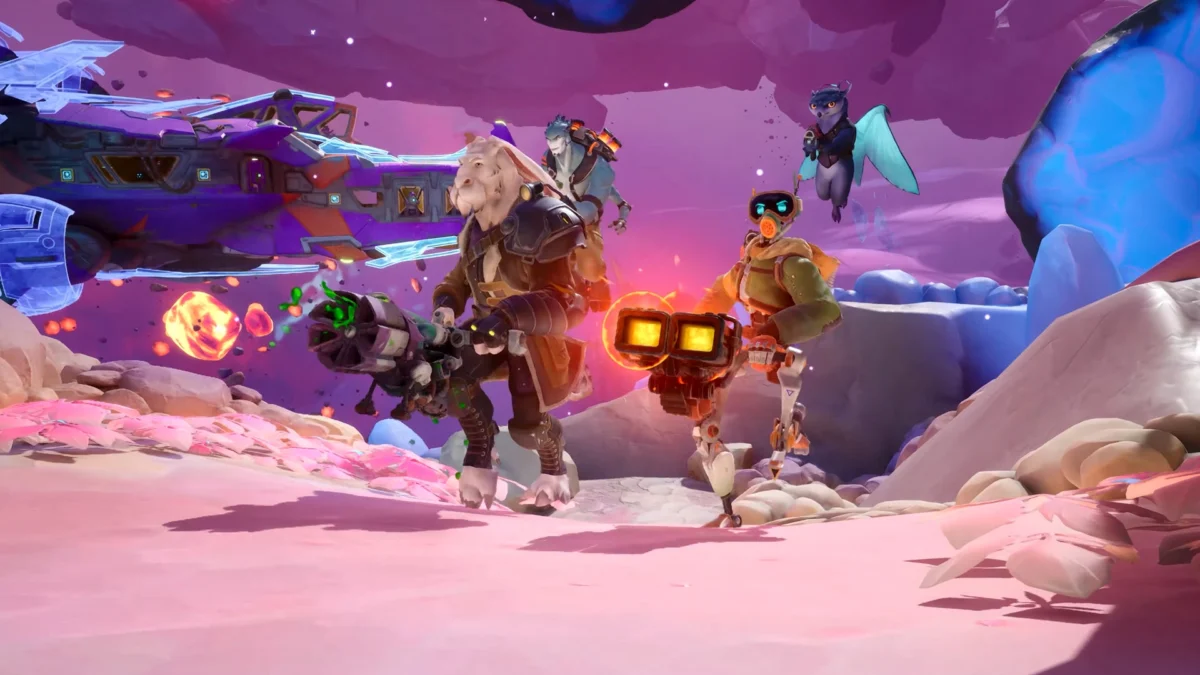
Nearly one year after its initial release, the sci-fi shooter Wildgate—the ambitious project spearheaded by former StarCraft II lead designer Dustin Browder—is entering a significant transitional phase. Moonshot Games has announced that the title’s upcoming update, scheduled for next month, will serve as the final major content release for the foreseeable future. While the announcement signals a pivot in the studio’s operational strategy, it avoids the typical "service termination" narrative, opting instead for a sustainable model that keeps the game alive for its dedicated core community.
Main Facts: A Controlled Pivot
The news, confirmed via a formal update on the game’s Steam community page, marks a sobering but pragmatic realization for the Moonshot team. Despite the pedigree of its leadership and the high-production values inherent in the sci-fi title, Wildgate has struggled to capture the market share required to justify an ongoing, full-scale development cycle.
Dustin Browder, a name synonymous with high-level strategy and competitive balance in the gaming industry, addressed the player base with transparency. "Despite all our attempts to bring new and more players into the game, Wildgate hasn’t found a large enough audience to sustain ongoing development," Browder stated.
Crucially, the game is not being shuttered. Unlike many modern live-service titles that face "sunset" dates followed by total server shutdowns, Wildgate will remain operational. The developers have committed to a "maintenance-plus" model, where a small dedicated team will continue to monitor servers, push essential bug fixes, and manage periodic balance patches. The game’s seasonal rotation system will remain functional, and the developer has explicitly ruled out layoffs, noting that the Moonshot team will now pivot their collective expertise toward unannounced Research and Development (R&D) projects.
A Chronology of Wildgate
To understand the current state of Wildgate, one must look at the trajectory of the project since its launch.
The Hype and Launch Phase
When Wildgate was first announced, it generated considerable buzz. The involvement of Dustin Browder suggested a game that would prioritize tight mechanics, tactical depth, and the kind of "easy to learn, hard to master" philosophy that defined the golden age of real-time strategy and team-based shooters. The aesthetic—featuring anthropomorphic aliens and specialized, high-tech weaponry—was designed to offer a distinct flavor in a crowded hero-shooter market.
The Growth Struggle
Throughout its first year, the team attempted several initiatives to grow the player base, including community-focused events, content drops, and balance passes aimed at smoothing out the competitive experience. However, the market for multiplayer shooters is notoriously unforgiving. Competition from established juggernauts and the shifting preferences of the player base made it difficult for Wildgate to achieve the critical mass of daily active users (DAU) necessary to fund a large, full-time development squad.
The Final Major Update
The upcoming final major update represents a shift from "aggressive expansion" to "player empowerment." By handing the keys to the community through the introduction of custom game modes and a revamped mode-selection interface, Moonshot is essentially allowing the game’s lifespan to be determined by its remaining players rather than by studio-mandated content updates.
Supporting Data and Technical Changes
The move to sustain Wildgate through community-driven features is a tactical decision that aims to maximize the game’s "longevity per developer hour."
Customization and Community Tools
The cornerstone of this final update is the implementation of robust custom game tools. By allowing players to manipulate game rules, server settings, and match parameters, Moonshot is effectively outsourcing content creation to the users. Historically, games that allow for custom lobbies—such as Team Fortress 2 or the original StarCraft—tend to have significantly longer tails because the community can invent their own modes, keeping the gameplay loop fresh without requiring expensive studio assets.
UI and Accessibility Revamp
The announced "revamp" of the mode selection screen is a necessary technical update. As player counts settle into a long-term equilibrium, the ability for users to quickly identify active lobbies is vital to prevent "dead game" perceptions. By optimizing how players jump into matches, the developers are attempting to reduce the friction that often kills multiplayer games in their sunset phases.
Anniversary Celebrations
To honor the one-year milestone, the team is deploying a suite of digital assets, including new sprays, player titles, and thematic items. This serves as a "thank you" to the early adopters who have remained with the game throughout its turbulent first year.
Official Responses and Studio Strategy
The response from Moonshot Games is notable for its lack of corporate jargon, focusing instead on the reality of the situation. By acknowledging the lack of a "large enough audience," Browder has fostered a sense of trust with the community.
Furthermore, the declaration that the staff will shift to R&D is a significant morale booster. In the current climate of the gaming industry, where studios often face layoffs following a project’s performance plateau, Moonshot’s commitment to retaining its talent for future R&D suggests a stable financial foundation or a clear, long-term vision from investors. This stability is vital; it ensures that the team working on Wildgate is not doing so under the threat of termination, which often results in sloppy maintenance or "abandonware."
Implications for the Future of Wildgate
What does this mean for the average player?
A New Era of Grassroots Play
The immediate implication is that Wildgate will transition from a title defined by developer-driven updates to one defined by community interaction. The competitive scene, should it exist, will likely become more insular and volunteer-led. The game will remain available on Steam, and its current deep discount makes it an accessible entry point for those interested in seeing what the game has to offer before the developers scale back their involvement.
The "Maintenance-Plus" Model
The "maintenance-plus" strategy is a growing trend in the industry. Rather than pulling the plug, studios are realizing that a small, stable, and loyal community is better than no community at all. By keeping the servers live, the studio retains the brand IP, keeps the door open for a potential "Wildgate 2" or a total franchise pivot in the future, and maintains a positive relationship with its audience.
Market Context
Wildgate exists in a vacuum of "mid-tier" shooters that have struggled to find a foothold. The industry is currently witnessing a polarization where games are either massive, multi-billion-dollar hits or niche, indie-scale successes. The mid-tier space is notoriously difficult to inhabit. Moonshot Games’ ability to pivot without folding is a testament to their disciplined development process.
Conclusion
The story of Wildgate is not one of failure, but rather one of recalibration. By shifting its focus to internal R&D and handing the reins of the game to the community, Moonshot Games is ensuring that the title remains a playable, enjoyable experience for its fans. For the players, this means the game will persist, the servers will stay online, and the tools to create their own fun will be available. For the industry, it stands as a case study in how to gracefully transition a project from a live-service growth phase to a sustainable, long-term community asset.
As Dustin Browder and his team look toward the horizon of their next R&D endeavor, the players of Wildgate can rest easy knowing that their corner of the galaxy remains open for business. Whether through the upcoming anniversary festivities or the long-term utility of the new custom game modes, the spirit of Wildgate is set to endure, supported by a community that—thanks to these final developer-led changes—is now empowered to keep the game alive on its own terms.



 Muslim