Lina Hope
As the gaming industry pivots toward a new generation of hardware, the Nintendo Switch finds itself in the twilight of its storied nine-year lifecycle. While Nintendo’s focus has naturally shifted toward its successor console, the original hybrid system is set to receive one final, pulse-pounding injection of personality. Rhythm Heaven Groove, the latest installment in Nintendo’s beloved yet niche rhythm-action franchise, stands as a testament to the enduring power of "wacky" game design. With a recent demo providing a window into its core mechanics, it is becoming clear that Rhythm Heaven Groove isn’t just another title—it is the soul of a franchise that has spent two decades defining the "easy to learn, impossible to master" philosophy.
The Evolution of a Cult Classic
To understand the significance of Rhythm Heaven Groove, one must look at the lineage of the series. The franchise first emerged in 2006 as a Japan-exclusive title for the Game Boy Advance, a period when Nintendo was experimenting heavily with unconventional input methods and artistic directions. It wasn’t until 2009, with the release of Rhythm Heaven on the Nintendo DS, that Western audiences were introduced to the series’ infectious charm.
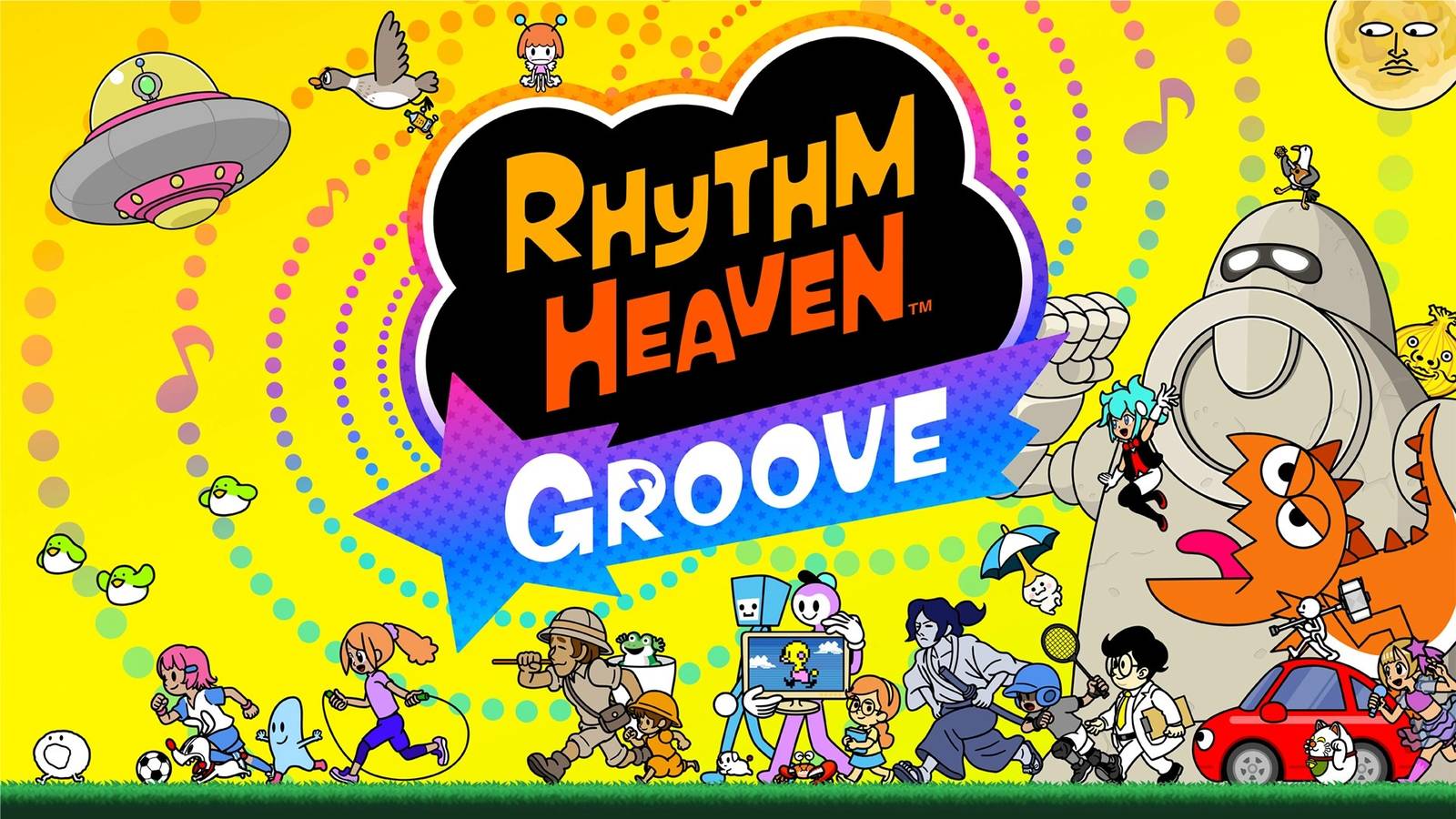
The series is defined by its ability to marry minimalist, two-button control schemes with increasingly complex musical timing. Over the years, titles like Rhythm Heaven Fever (Wii) and Rhythm Heaven Megamix (3DS) have refined this formula, utilizing vibrant, hand-drawn aesthetic styles to frame bizarre scenarios. Rhythm Heaven Groove arrives on July 2, 2026, marking a significant milestone as the final major Nintendo-published title for the Switch, serving as a nostalgic bookend for a console that championed both indie-style creativity and triple-A polish.
Mechanics: Simple Inputs, Complex Rhythms
The core appeal of Rhythm Heaven Groove lies in its deceptively simple mechanical foundation. As demonstrated in the recent pre-launch demo, the game avoids the common rhythm-game trap of overcomplicating inputs. Players are rarely required to use more than two buttons. However, this simplicity is a deliberate design choice that shifts the burden from "physical dexterity" to "rhythmic intuition."

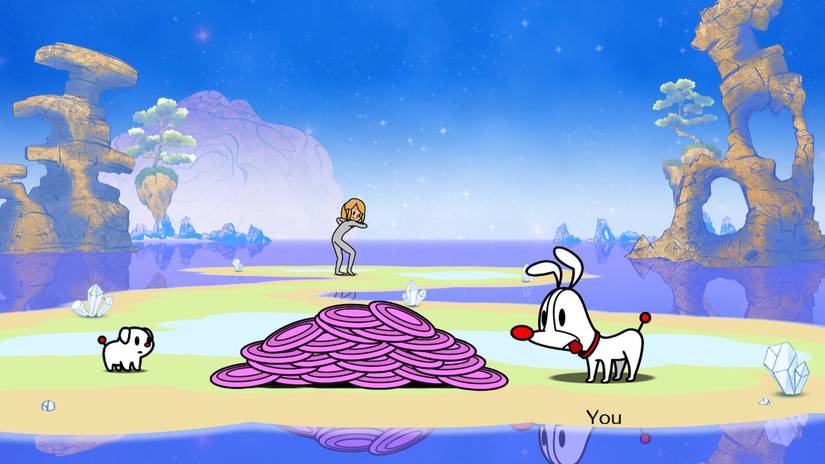
In the demo, which showcases the first five solo challenges and a multiplayer suite, the game forces players to internalize the beat rather than rely on visual prompts. For instance, the "Disc Dog" minigame requires players to time their button presses to a specific count of seven. The challenge is not in the input—which remains a single press—but in the psychological pressure of the trainer throwing the discs at unpredictable intervals. The game forces the player to listen, count, and feel the music, creating a "flow state" that few other titles in the genre manage to replicate.
The Wacky World of "Groove"
Part of the charm of the series has always been its refusal to take itself seriously. Rhythm Heaven Groove leans further into this absurdity. The minigames on display are a masterclass in visual storytelling through gameplay. Whether it is a dog catching discs in an alien landscape or umbrella-wielding creatures performing a synchronized dance, every element of the screen is designed to distract and delight.

The "Brolly Good Show" minigame, for instance, highlights the game’s emphasis on environmental awareness. As players flap their umbrellas, they must watch the other creatures on screen to determine the timing. When the screen dims, the rhythm intensifies, and the visual cues become more subtle, testing the player’s ability to maintain composure under pressure.
The "Remix" stages, which serve as the boss encounters of the game, act as the ultimate test of this mastery. By synthesizing all the disparate mechanics learned in the individual stages, the Remix challenges prove that the game is anything but basic. It is a high-stakes, high-tempo symphony of chaos that requires absolute concentration.
Multiplayer: The "Rhythm Tweezers" Return
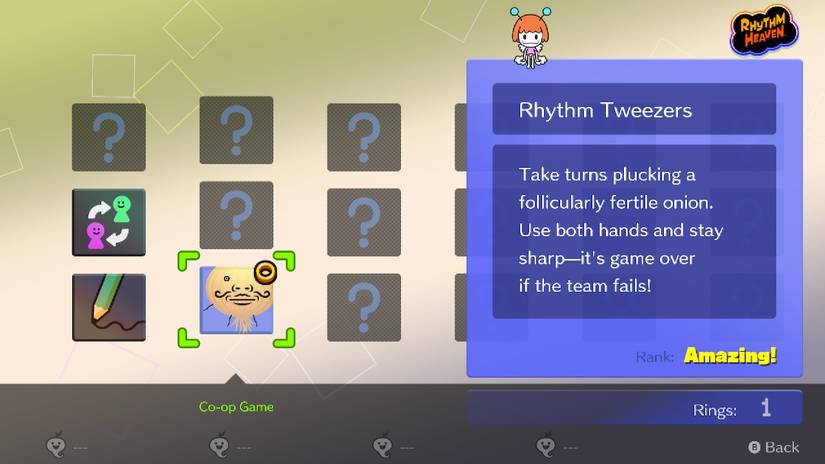
One of the most anticipated features in Rhythm Heaven Groove is the expanded multiplayer functionality. The demo features the return of the iconic "Rhythm Tweezers" minigame, a fan-favorite that originated on the GBA and saw a return on the 3DS.
In this mode, up to four players must cooperate to remove hair from onions. While the concept is undeniably ridiculous, the execution is brilliant. The game calls out each player’s name just before their turn, turning a simple rhythm task into a social, high-pressure environment. This integration of player identity into the rhythm cycle is a hallmark of Nintendo’s design prowess, ensuring that even in a group setting, the individual’s timing remains the focal point of success.
Official Stance and Development Philosophy
Nintendo SPD (Software Planning & Development) has been the primary architect behind the Rhythm Heaven series, and Groove appears to be their most refined effort to date. By focusing on 2D, high-fidelity animations, the developers have managed to create a visual experience that feels both modern and timeless.
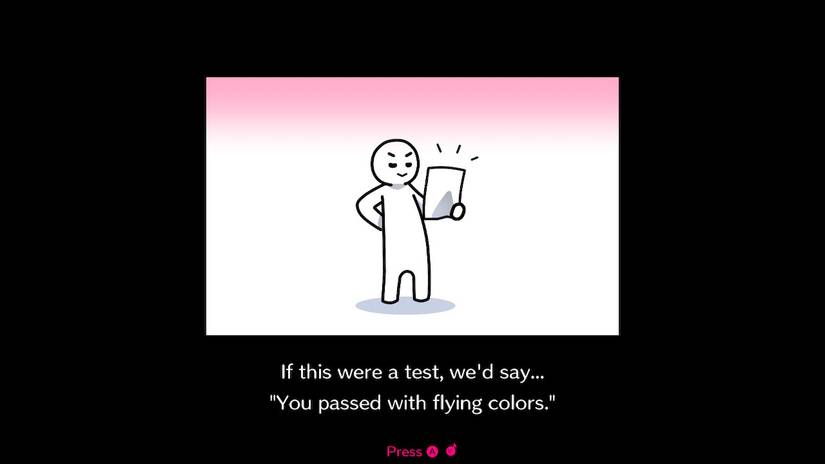
In discussions regarding the development of the title, Nintendo representatives have emphasized the "purity" of the experience. Unlike other music games that lean on licensed pop tracks or complex peripheral hardware, Rhythm Heaven Groove relies entirely on original, bespoke compositions created specifically for the gameplay. This ensures that the music and the action are perfectly synced, creating a cohesive experience that feels handcrafted. The use of humor—such as characters showing genuine contempt if the player is off-beat—adds a layer of personality that keeps the player engaged even during repeated failed attempts.
Implications for the Future
The release of Rhythm Heaven Groove carries significant weight. As the final major title for the original Switch, it acts as a bridge between the console’s past and its future. The fact that Nintendo chose a niche, rhythm-based title to close out the console’s primary life cycle speaks volumes about the company’s commitment to artistic diversity.
Furthermore, the "easy to play, hard to master" structure found in the demo suggests that the game will have immense replay value. With the inclusion of medal systems for high-performance runs, completionists will have plenty to do. The game also serves as a perfect "short-burst" title, fitting well into the modern gaming landscape where players often have limited time for long, linear campaigns.
Conclusion: A Fitting Farewell
Rhythm Heaven Groove is, at its heart, a celebration of the unique joy that only Nintendo can provide. It is a game that refuses to follow the trends of the broader industry, opting instead to double down on what makes it special: bizarre humor, infectious music, and a rhythm system that feels like second nature once it clicks.
For those who have followed the series since its GBA origins, Groove is a love letter to the last twenty years of rhythmic innovation. For those new to the series, it is the perfect entry point. As we look toward the next era of Nintendo hardware, Rhythm Heaven Groove serves as a poignant reminder that sometimes, the best games are the ones that simply ask you to listen to the beat, press a button, and smile at the chaos. It is a triumph of design, a masterclass in rhythm, and a truly unforgettable swan song for the Nintendo Switch.


 Asro
Asro
 Muslim