Dwi Wanna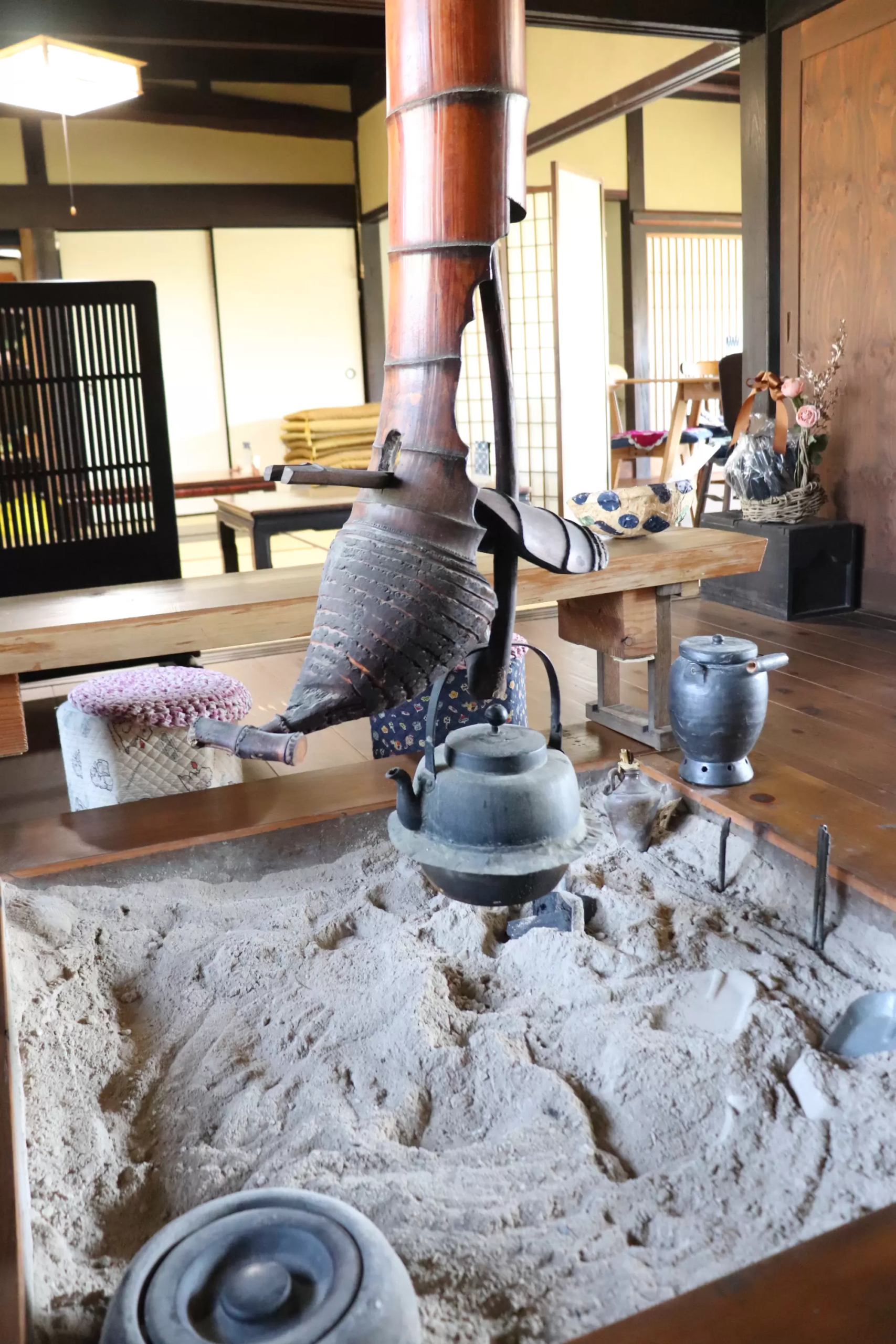
Located in the serene southwestern corner of Okayama Prefecture, Satosho Town in the Asakuchi District is often overlooked by travelers rushing between major hubs. However, for those who venture off the beaten path, this small town reveals itself as a treasure trove of cultural heritage and culinary artistry. Amidst its quiet streets, a resurgence of "Japanese-style" gastronomy is taking root, blending historical preservation with modern, artisanal dining.
This report explores two standout establishments—the rustic, century-old "Kominka Bunko Motoda" and the innovative confectionery café "Kasho Masamitsu"—to understand how these businesses are redefining local tourism and preserving the essence of traditional Japanese life.
Main Facts: The New Wave of Traditional Dining
Satosho Town has become a focal point for food enthusiasts seeking authentic, soul-soothing cuisine. The two establishments highlighted here, while distinct in their culinary approach, share a unified philosophy: the elevation of seasonal, local ingredients within environments that pay homage to Japanese history.
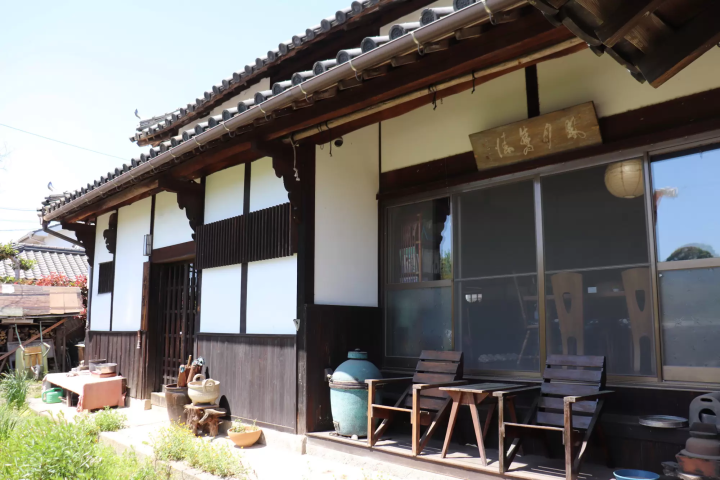
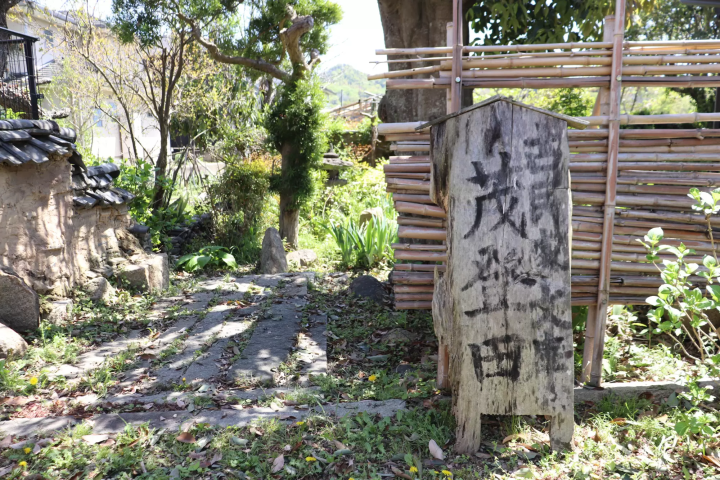
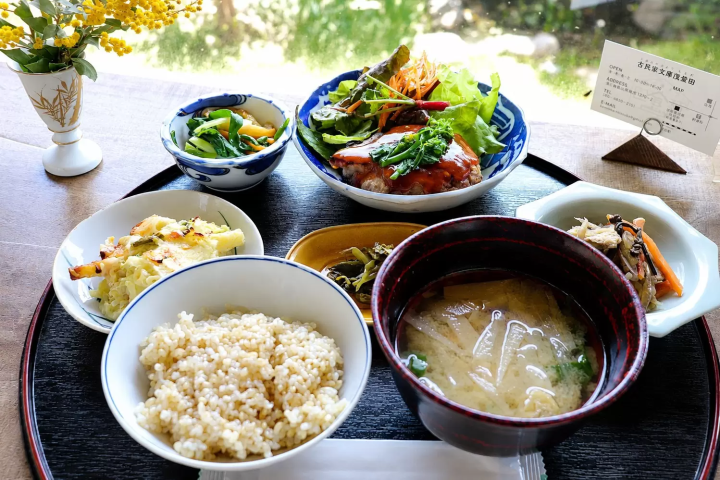
- Kominka Bunko Motoda: A 160-year-old renovated farmhouse that functions as a community hub, library, and café. It specializes in health-conscious set lunches and in-house roasted coffee.
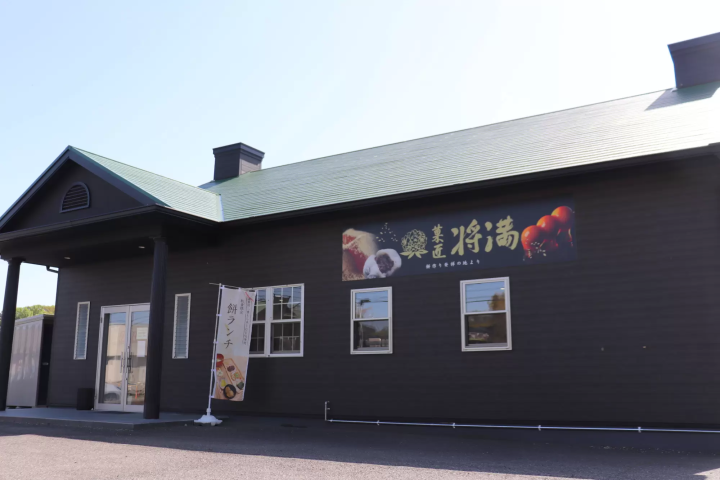
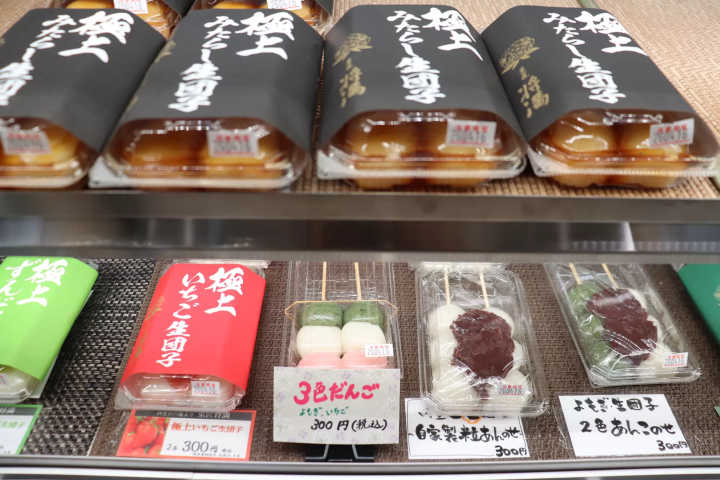
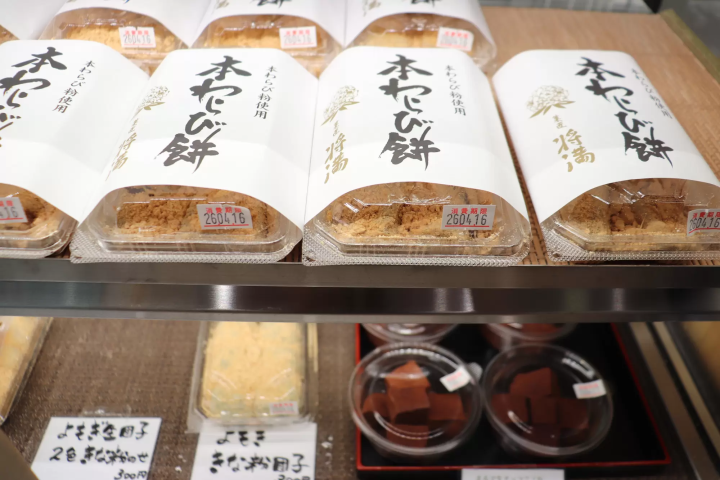
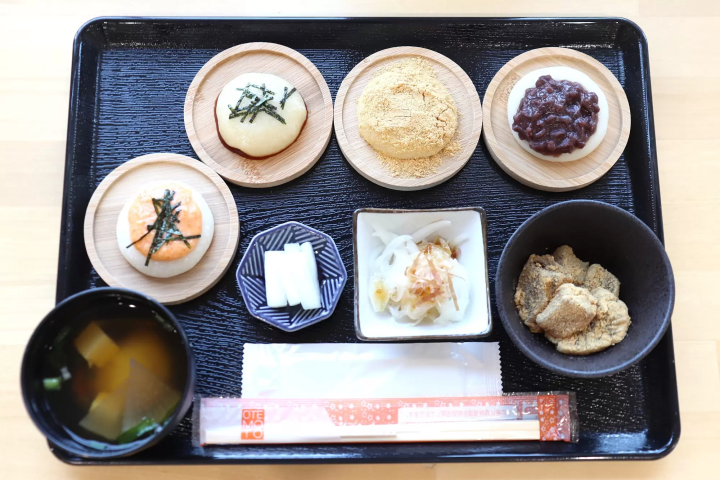
- Kasho Masamitsu (Satosho Branch): A renowned confectionery retailer that has expanded into the café space, offering a unique "Mochi Feast" that bridges the gap between traditional wagashi (Japanese sweets) and savory lunch dining.
Both venues serve as cultural anchors, providing not just food, but an immersive experience into the aesthetic and culinary traditions of rural Japan.
Chronology of Development
The emergence of these venues represents a broader trend in Okayama Prefecture to revitalize local districts through "authentic experiences."
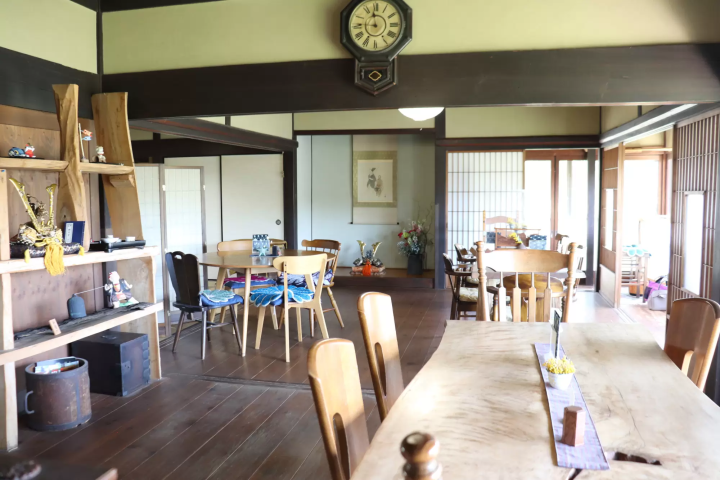
- Historical Context: The structure housing Kominka Bunko Motoda has stood for over 160 years, acting as a testament to traditional carpentry and residential design in the Asakuchi District.
- The Modern Shift: In recent years, local entrepreneurs have sought to repurpose these traditional spaces. Kominka Bunko Motoda was specifically designed to be a "third space" where the community could gather, read books, and appreciate historical architecture.
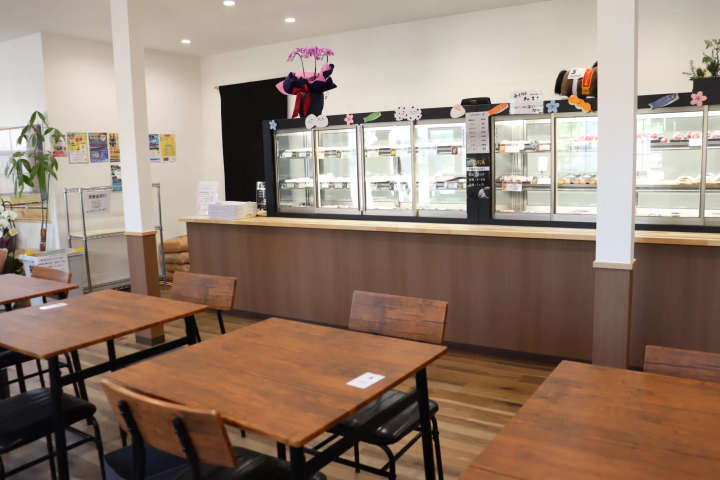
- Expansion of Kasho Masamitsu: Previously operating out of Kasaoka City, Kasho Masamitsu moved its operations to Satosho, reflecting the town’s growing appeal as a destination for food-focused visitors. The opening of the new Satosho branch included a deliberate decision to incorporate a full-service café, catering to the modern demand for "experience-based" dining.
Supporting Data: Culinary Offerings and Value
A key driver of the success of these establishments is the exceptional value proposition they offer to both locals and tourists.
The Bunko Motoda Experience
The café operates on a limited-capacity model, ensuring the highest quality of service and ingredient freshness.
- Reservations: Lunch is strictly limited to 20 servings per day, necessitating advance telephone bookings.
- Price Point: At 800 yen for a full set meal (including a main dish, brown rice, miso soup, three side dishes, and a drink), the restaurant offers a premium, home-cooked experience at a highly competitive price.
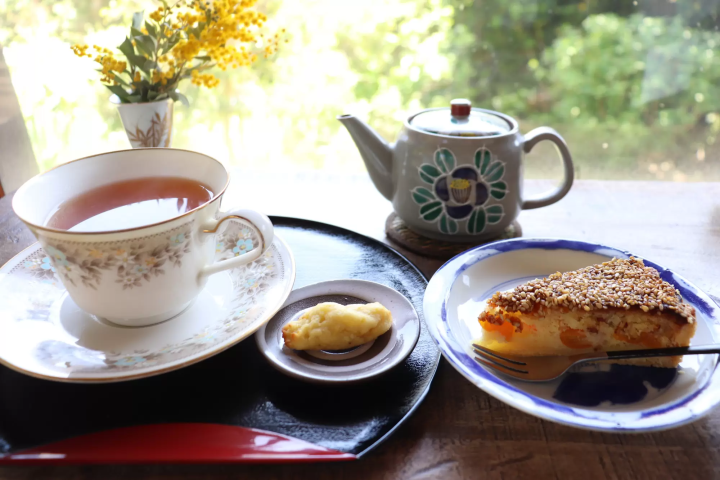
- Sustainability: The use of garden-harvested ingredients, such as kumquats for tarts, emphasizes a "farm-to-table" approach that minimizes the carbon footprint and highlights local seasonal cycles.
The Mochi Innovation at Kasho Masamitsu
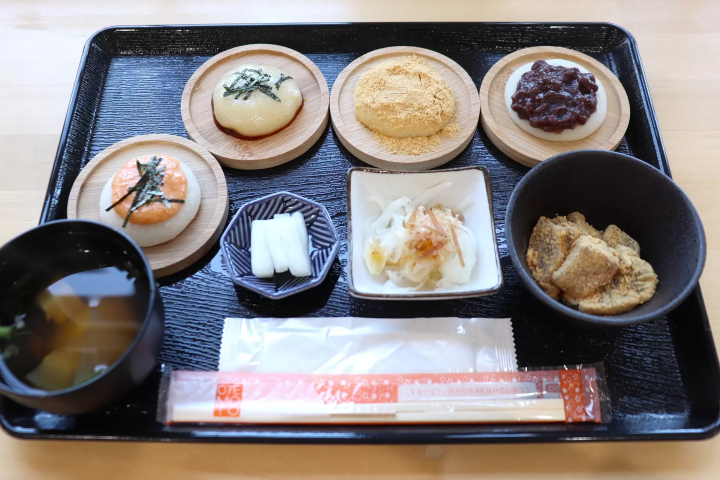
- The Mochi Feast Set: Priced at 1,000 yen, this meal provides a deep dive into the versatility of rice cakes. It includes five pieces of mochi—some savory (mentaiko mayonnaise, sugar soy sauce) and some traditional (red bean, kinako).
- Customizability: The "Dango Assortment" and the build-your-own soft serve ice cream station allow for high levels of customer engagement, encouraging repeat visits to experiment with different topping combinations.
Official Responses and Owner Philosophy
The owners of these establishments view their businesses as more than mere profit-making entities; they are stewards of culture.
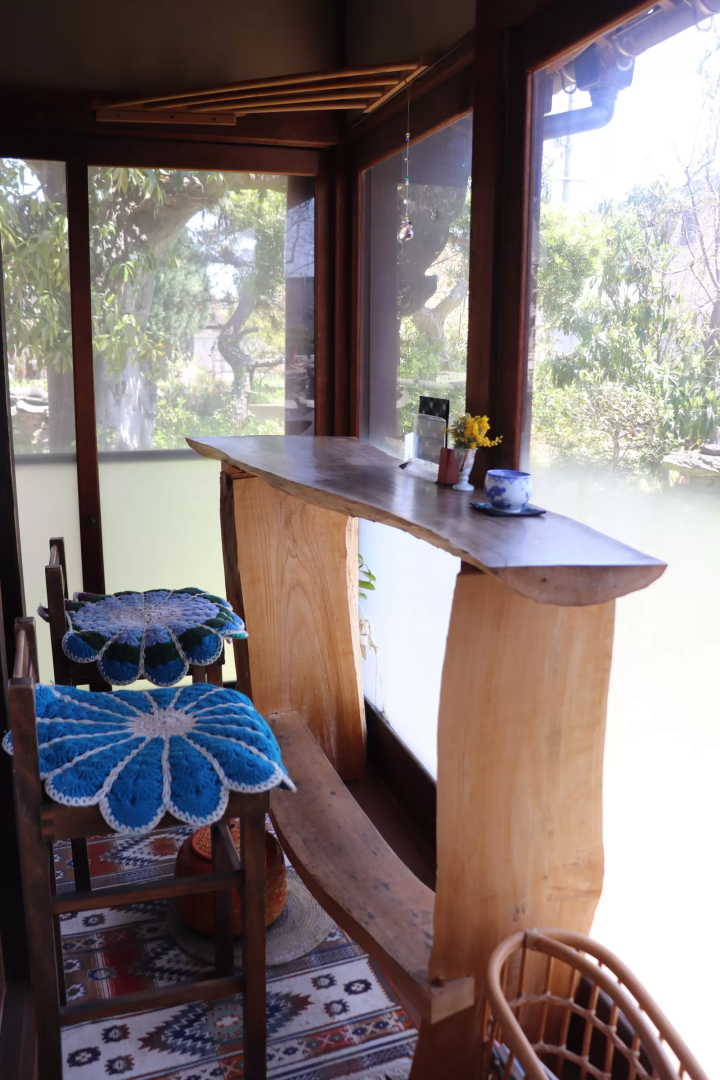
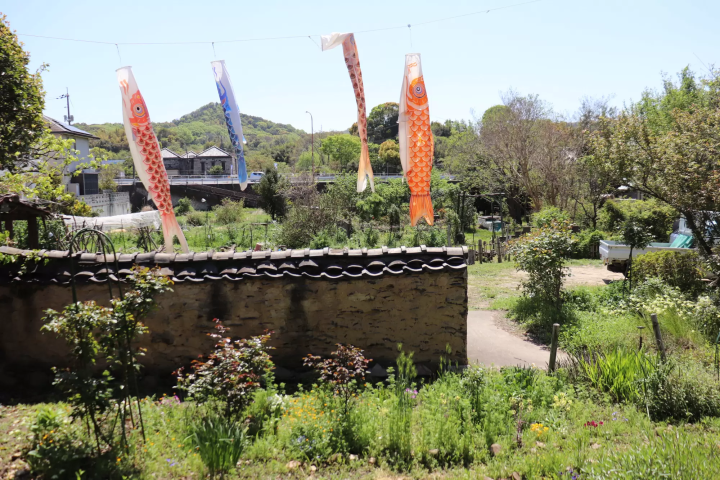
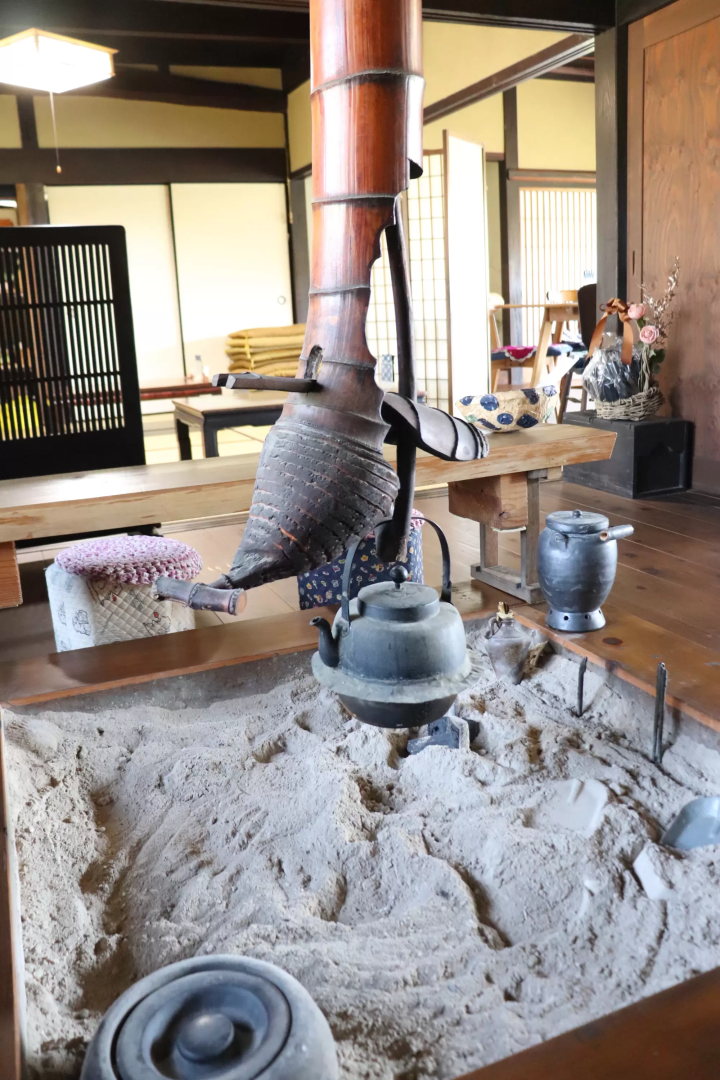
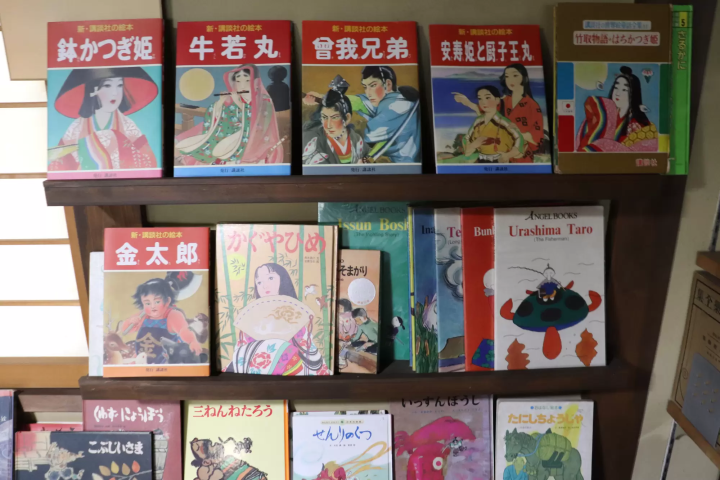
The proprietor of Kominka Bunko Motoda notes that the inclusion of the "Bunko" (bookshelf) library was a deliberate choice to encourage younger generations to interact with Showa-era literature and the traditional Irori (sunken hearth). By providing a space where children can touch history—quite literally—the owner hopes to foster a deeper appreciation for the town’s heritage. The seasonal display of koinobori (carp streamers) is another deliberate nod to the passing of time and the importance of traditional festivals.
Similarly, the management of Kasho Masamitsu emphasizes that their move to Satosho was predicated on the town’s welcoming community atmosphere. By providing both table and counter seating, they have transformed from a traditional retail shop into a social space where multi-generational families can enjoy a meal together. Their commitment to reasonable pricing, even for premium mochi, is a strategic choice to ensure that their artisanal goods remain accessible to everyone in the community.
Implications: Tourism and Community Impact
The success of these two venues has significant implications for Satosho Town and the surrounding Asakuchi District.
1. Revitalization of Local Economy
By drawing visitors from outside the prefecture, these businesses provide a much-needed boost to the local economy. The "destination dining" model—where tourists travel specifically to visit a unique, well-reviewed spot—creates a spillover effect that benefits nearby retail shops and transportation services.
2. Preservation of Traditional Architecture
Kominka Bunko Motoda demonstrates that historic preservation does not have to be stagnant. By converting a 160-year-old house into a functional café, the owners are incentivizing the maintenance of older structures that might otherwise be demolished. This creates a more attractive, authentic streetscape for the town.
3. Cultural Education
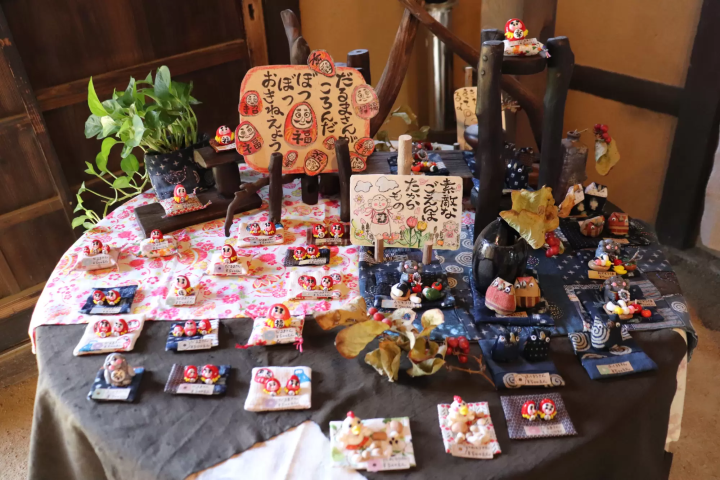
Both venues act as informal cultural centers. Whether it is through the gallery exhibitions of local artists at the entrance of Bunko Motoda or the educational aspect of the "Mochi Feast" at Kasho Masamitsu, these businesses are effectively teaching visitors about the intricacies of Japanese foodways and artistic traditions.
4. A Template for Rural Japan
Satosho Town serves as a micro-case study for the rest of Japan. As rural areas struggle with aging populations and urban flight, the "hidden gem" model—combining authentic, high-quality local cuisine with historical charm—offers a viable roadmap for sustainable growth. It proves that small towns do not need massive infrastructure projects to succeed; they need only to leverage their existing assets, history, and the dedication of local artisans to create an experience that cannot be replicated in a city.
Conclusion
Satosho Town may be small, but it is punching well above its weight in the culinary world. Through the efforts of Kominka Bunko Motoda and Kasho Masamitsu, visitors are invited to slow down, pull up a chair at a 160-year-old hearth, or savor the textures of perfectly prepared mochi. For those looking to escape the relentless pace of urban life and reconnect with the quiet, delicious heart of Japan, a trip to this corner of Okayama is not just recommended—it is essential.
Visitor Information Summary:
- Kominka Bunko Motoda: 1370-2 Shinjo, Satosho Town. Open Wed–Sat, 10:00–16:00. Reservations essential for lunch.
- Kasho Masamitsu (Satosho): 9371-6 Satomi, Satosho Town. Open daily (Sundays vary), 10:00–18:00. Ideal for casual dining and souvenir shopping.


 Neng Nana
 Asro
Asro