Azzam Bilal Chamdy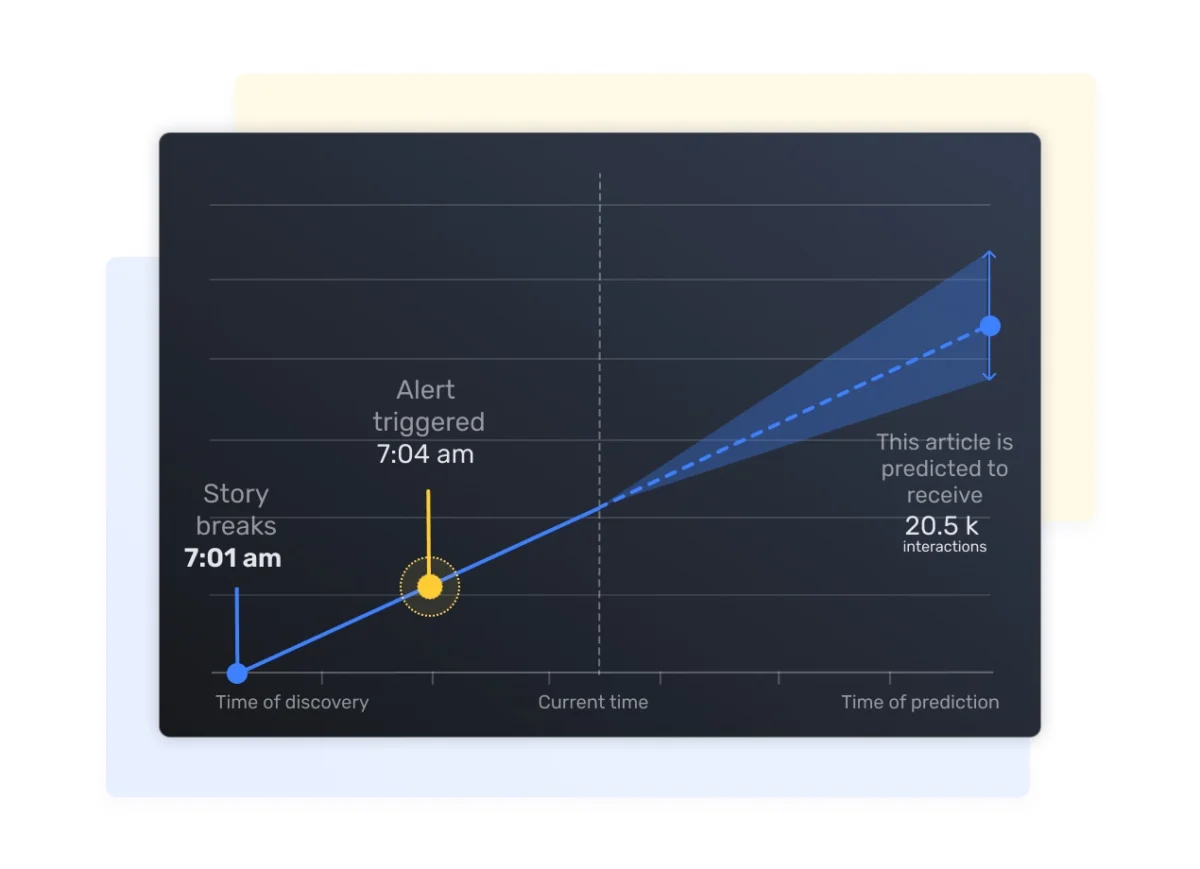
In the digital age, the lifespan of a brand narrative can be measured in minutes. A single customer post—initially an unremarkable blip on a social feed—can, within hours, cascade into a global conversation, reaching millions who have never interacted with your brand before. This rapid-fire evolution of public sentiment has created a precarious environment for organizations, where brand perception is often altered before leadership even receives an internal alert.
As we move deeper into 2026, the reliance on reactive monitoring is becoming a significant strategic liability. The gap between an external event and internal verification is widening, and for many companies, the traditional "dashboard" approach to media monitoring is effectively a post-mortem analysis, arriving far too late to influence the outcome.
Predictive media intelligence—a sophisticated convergence of AI, real-time data analysis, and predictive modeling—is emerging as the essential solution to this volatility. By identifying emerging patterns and forecasting the trajectory of public stories, organizations are shifting from a state of constant, panicked reaction to one of calculated, proactive management.
The Shift Toward Predictive Intelligence
The necessity for predictive power is backed by data. According to the Q1 2026 Sprout Social Pulse Survey, social media has officially supplanted traditional news outlets as the primary source for breaking information. Forty-nine percent of consumers now cite social platforms as their go-to news source, outpacing television (45%) and digital news applications (32%).

For PR professionals and marketing teams, this migration means the "battlefield" is no longer restricted to mainstream press releases or verified news outlets. It is decentralized, chaotic, and lightning-fast. Predictive media intelligence bridges this gap by acting as a radar system, identifying which stories possess the "viral velocity" to cross over from niche discussion to mainstream crisis.
Understanding the Mechanics: How the Models Work
Predictive media intelligence is not merely a tool for observation; it is a technological framework for anticipation. It operates by layering multiple AI-driven models to dissect, interpret, and project the future of digital conversations.
Sentiment Analysis and Emotional Context
A viral post is rarely just a post; it is a carrier of emotional charge. Advanced sentiment analysis models go beyond simple binary (positive/negative) classification to detect nuances such as frustration, irony, trust, or outrage. Understanding that a conversation is driven by "customer betrayal" rather than "minor confusion" fundamentally changes the required response strategy.
Time Series Forecasting
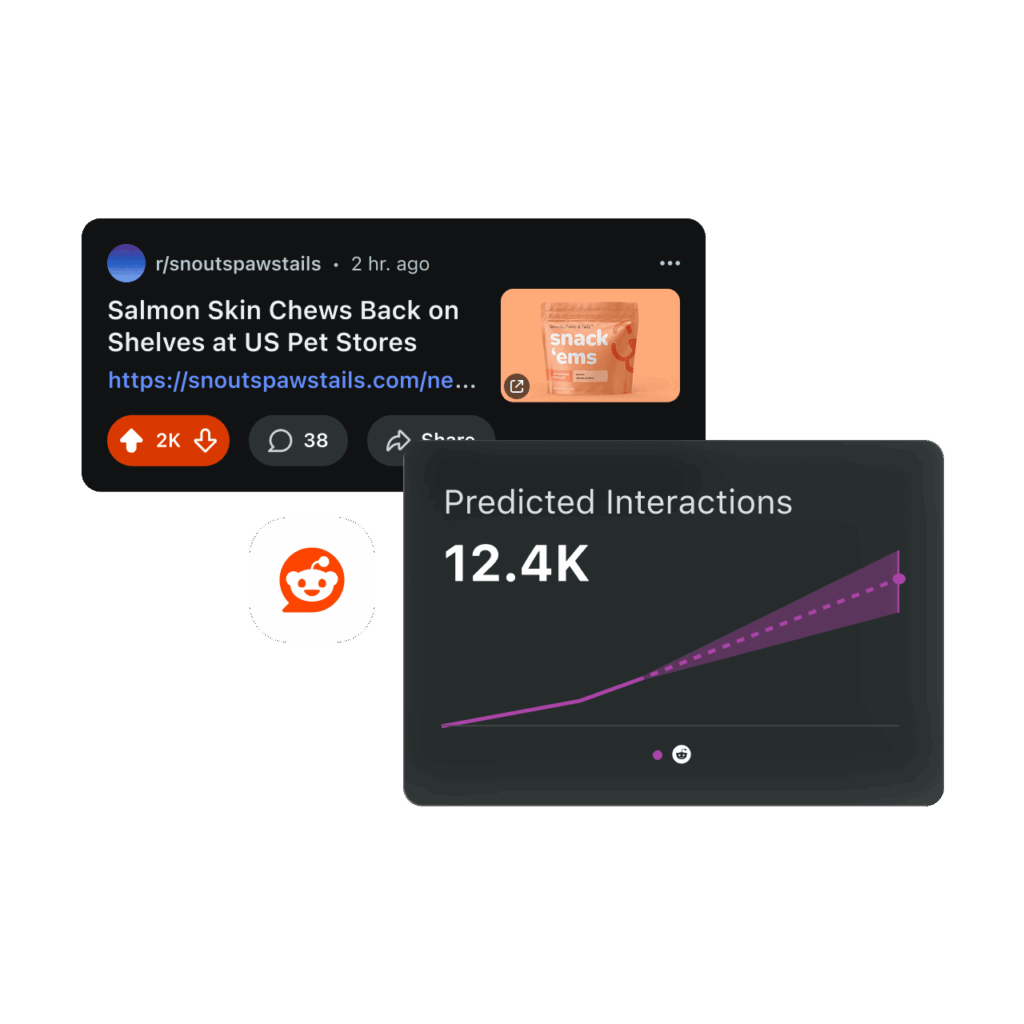
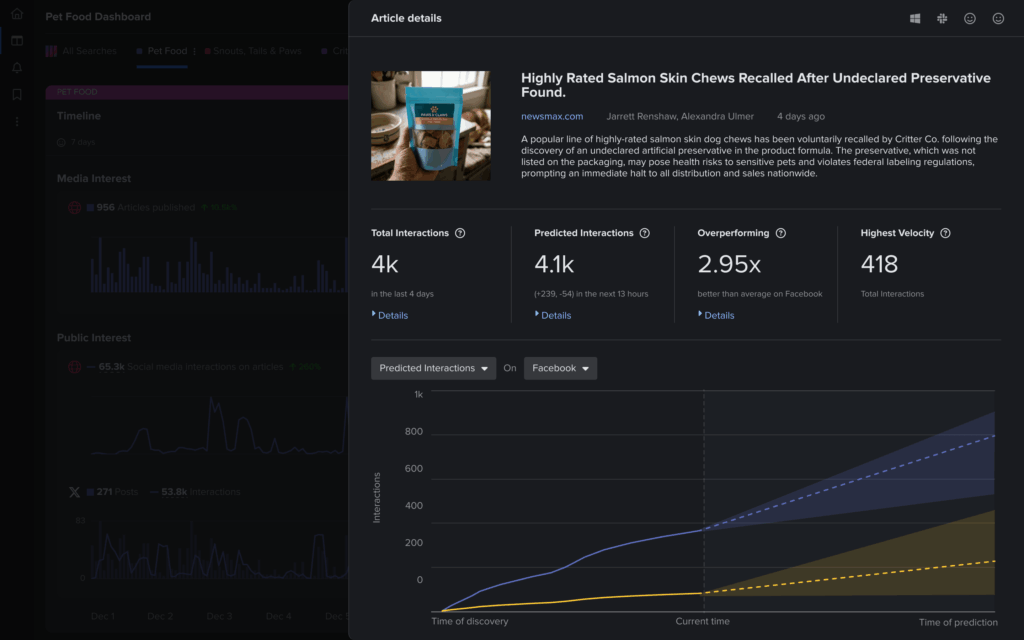
This model leverages historical engagement data combined with real-time velocity. By analyzing how quickly a story is accumulating interactions, the system estimates the trajectory. Will the conversation peak in two hours and fade, or is it on a trajectory to dominate the news cycle for 48 hours? Time series forecasting allows teams to reserve their "crisis response" resources for events with true staying power.
Anomaly Detection
In a noisy digital environment, "business as usual" is the baseline. Anomaly detection algorithms serve as a silent watchdog, flagging sudden, uncharacteristic spikes in mentions or sentiment shifts. This allows teams to investigate a potential issue—such as a coordinated disinformation campaign or a localized product complaint—before the story gains enough momentum to become uncontrollable.
The Evolution of Monitoring: A Comparison
The transition from traditional to predictive monitoring represents a fundamental change in organizational mindset.
| Feature | Traditional Media Monitoring | Predictive Media Intelligence |
|---|---|---|
| Primary Focus | What has already occurred | What is likely to occur next |
| Data Reliance | Historical reports/dashboards | Real-time velocity + historical patterns |
| Decision Speed | Retrospective (after the fact) | Proactive (during the formative stage) |
| Viewpoint | Where attention has been | Where attention is currently heading |
Strategic Implications: Putting Data into Practice
Predictive intelligence is not a theoretical exercise; it is an operational mandate. Below are six critical ways modern organizations are integrating these insights into their workflows.
1. Precision Crisis Management
Not every negative tweet is a crisis, but distinguishing a "flash in the pan" from a "reputational fire" is the ultimate challenge. Predictive models allow communicators to compare current sentiment spikes against the patterns of past crises. If the current engagement trajectory matches a historical precedent that proved disastrous, the team can escalate immediately. If the data suggests the topic is losing heat, the team can save their capital for more pressing matters.
2. Campaign Optimization in the "Wild"
Marketers often build campaigns in a vacuum, only to find they land differently across cultural or geographic lines. By auditing how specific topics are discussed in local markets, brands can predict where a campaign will resonate and where it will fail. As seen in the work of agencies like Edelman, data-rich auditing allows teams to pivot their messaging strategy based on local sentiment before the campaign even launches.
3. Media Relations and Targeted Outreach
The "spray and pray" approach to media lists is obsolete. Predictive tools allow PR teams to identify which journalists are not just covering a topic, but are currently driving the social conversation around it. By prioritizing reporters who possess high social engagement metrics for a specific topic, brands can maximize the organic reach of their press efforts.
4. Trendspotting and Market Foresight
Predictive intelligence turns social media into a massive, global focus group. By identifying emerging questions in subreddits, forums, or niche social communities, companies can spot consumer demand for new features or solutions before they appear in sales reports. This allows for an agile product development cycle that is genuinely informed by the market.
5. Bridging the Intelligence Gap
Often, there is a disconnect between what the communications team knows and what the business strategy team decides. Predictive media intelligence provides a "common language" of risk and opportunity. When the comms team can present a data-backed forecast of a shifting public narrative, leadership is better equipped to adjust business strategies, product roadmaps, or public positioning in real-time.
6. Enhancing Brand Awareness
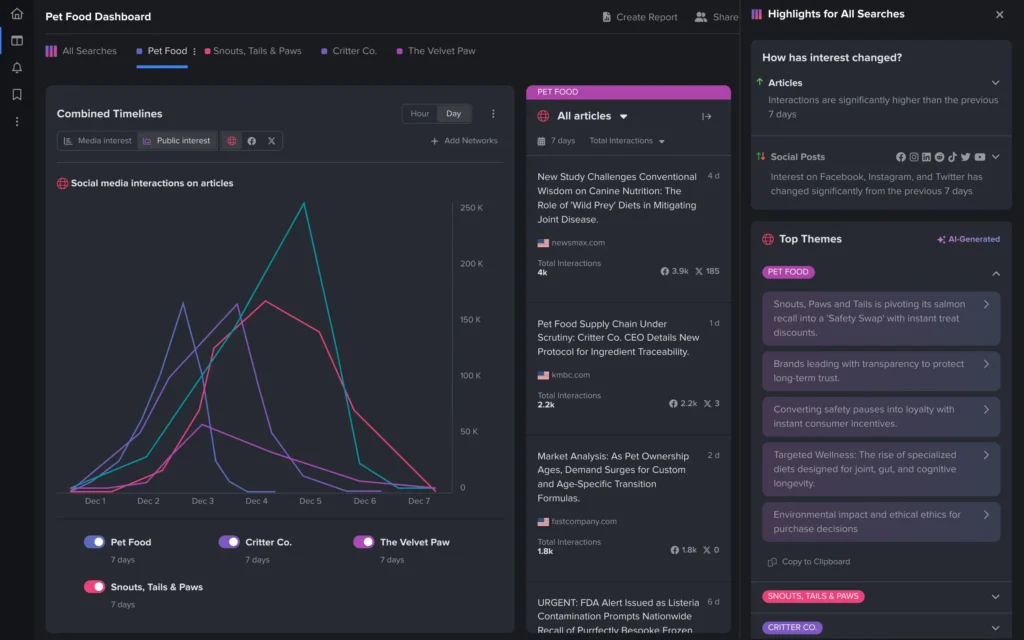
Awareness is not just about reach; it is about relevance. By identifying where your brand is currently absent from conversations it should be in, predictive intelligence highlights white-space opportunities. Brands can step into these discussions—providing answers to common questions or addressing unmet needs—thereby building authority before the customer even begins the formal purchasing process.
The Human Element: Overcoming Alert Fatigue
One of the primary risks of high-frequency monitoring is "alert fatigue." If an AI flags every minor fluctuation, the system becomes white noise. The next generation of intelligence, such as NewsWhip’s Trellis Monitoring Agent, addresses this through "agentic AI."
These systems do not just alert; they evaluate. By utilizing AI judgment to assess the context, reach, and potential impact of a story, these agents filter out the noise and deliver only high-value, actionable briefings. This allows the human team to shift their focus from searching for information to interpreting the strategy.
Future Outlook: The Autonomous Communications Department
The future of media intelligence lies in deeper integration and higher levels of autonomy. As AI models become more adept at understanding the unique nuances of specific industries, we will see a shift toward "autonomous communications," where systems not only alert teams to crises but provide automated, context-aware draft responses based on approved brand guidelines.
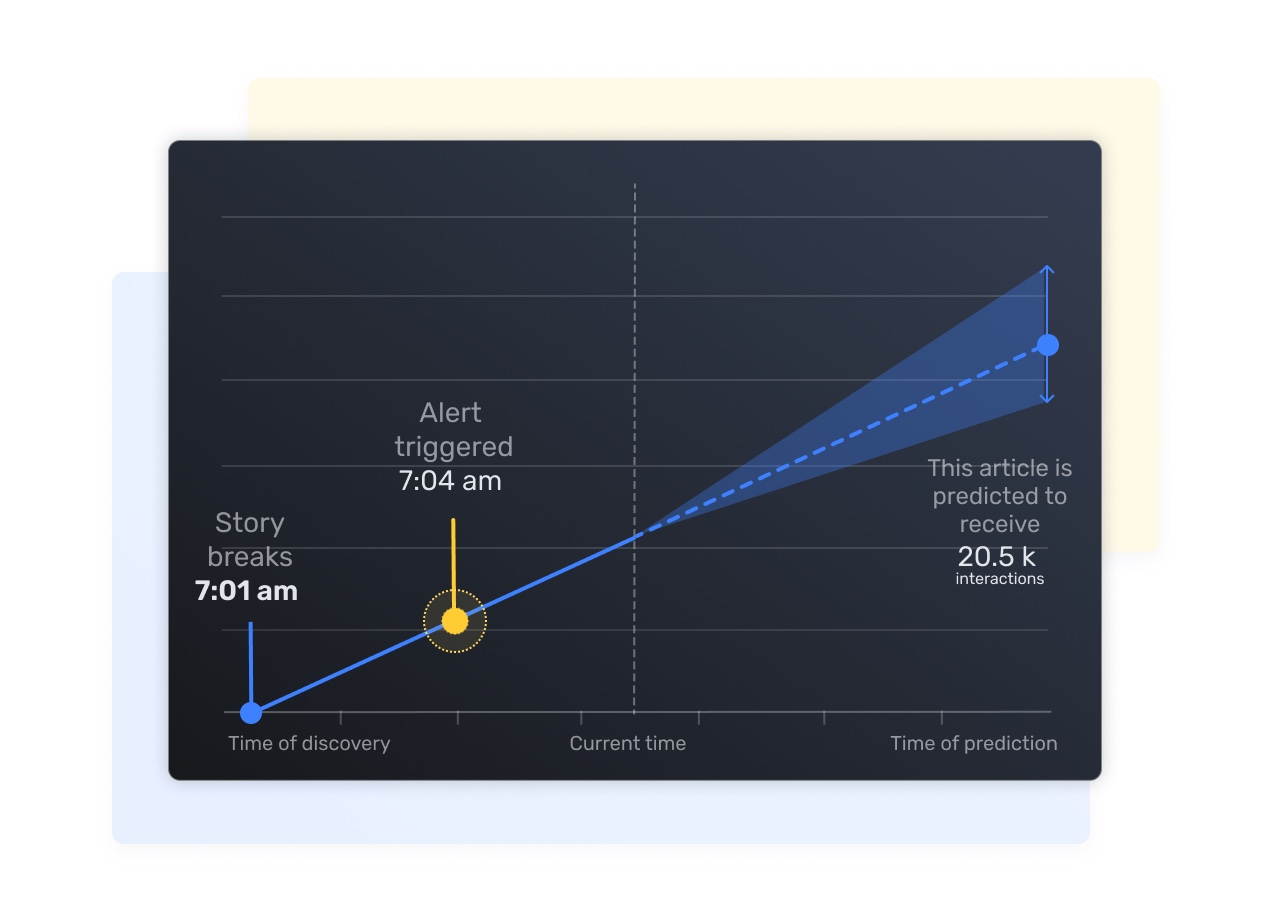
The goal for any organization today should be the elimination of blind spots. In a world where the public narrative can change in an instant, predictive media intelligence is the only way to ensure that your brand remains the author of its own story, rather than a casualty of someone else’s.
As we look toward the remainder of 2026, the question for communications leaders is no longer whether they can afford to adopt predictive media intelligence, but whether they can afford to remain in the dark until it is too late. The data is waiting—it is time to start listening to the future.


 Neng Nana
 Nana Wu