Jia Lissa
As we navigate the digital landscape of 2026, TikTok has evolved from a burgeoning entertainment app into a cornerstone of global commerce and brand identity. With over 1.59 billion active users, the platform now functions as a primary search engine, a social marketplace, and a cultural barometer. For businesses looking to capture attention in an increasingly fragmented media environment, mastering TikTok marketing is no longer optional—it is a strategic necessity.

Understanding the Landscape: What is TikTok Marketing?
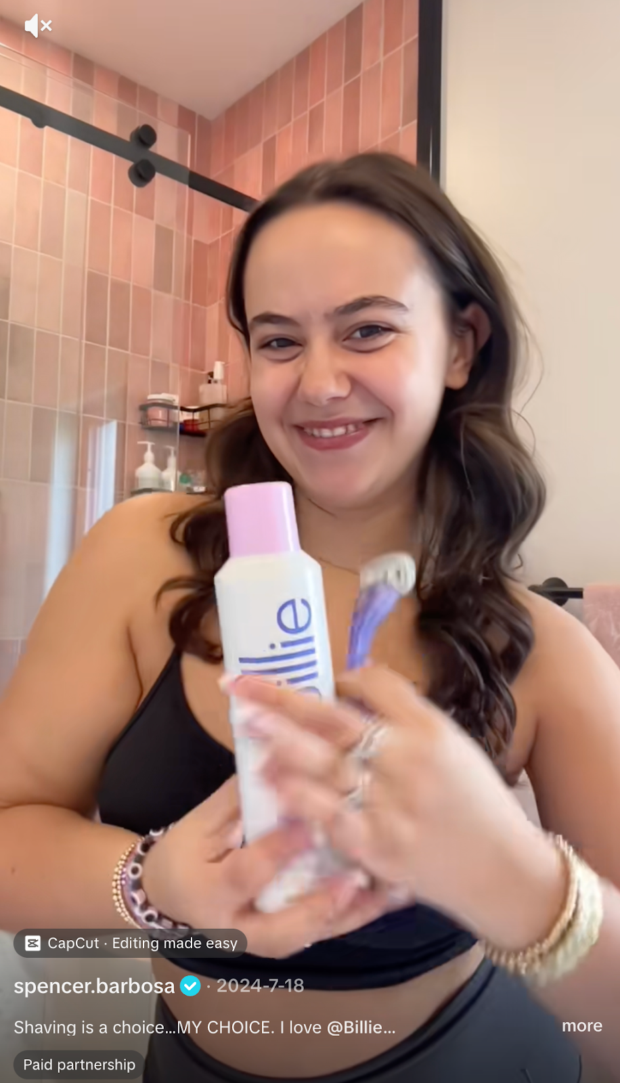
At its core, TikTok marketing is the intentional use of the platform’s ecosystem to promote a brand, product, or service. Unlike traditional social media marketing, which often relies on polished, high-production advertisements, TikTok marketing thrives on authenticity, community-led trends, and rapid-fire content consumption.

The shift is monumental. Features like TikTok Shop and integrated search capabilities have transformed the user journey. A consumer no longer just watches a video; they discover a product, read community reviews, and complete a purchase without ever leaving the application. This "social commerce" loop has redefined the funnel from awareness to conversion.
Chronology of the Platform’s Evolution
The rise of TikTok as a marketing powerhouse followed a distinct trajectory:
- The Entertainment Era: Initially known for lip-syncing and viral challenges, the app captured the attention of Gen Z, creating a massive, captive audience.
- The Creator Economy Surge: As creators monetized their influence, brands realized that partnerships with authentic voices outperformed traditional celebrity endorsements.
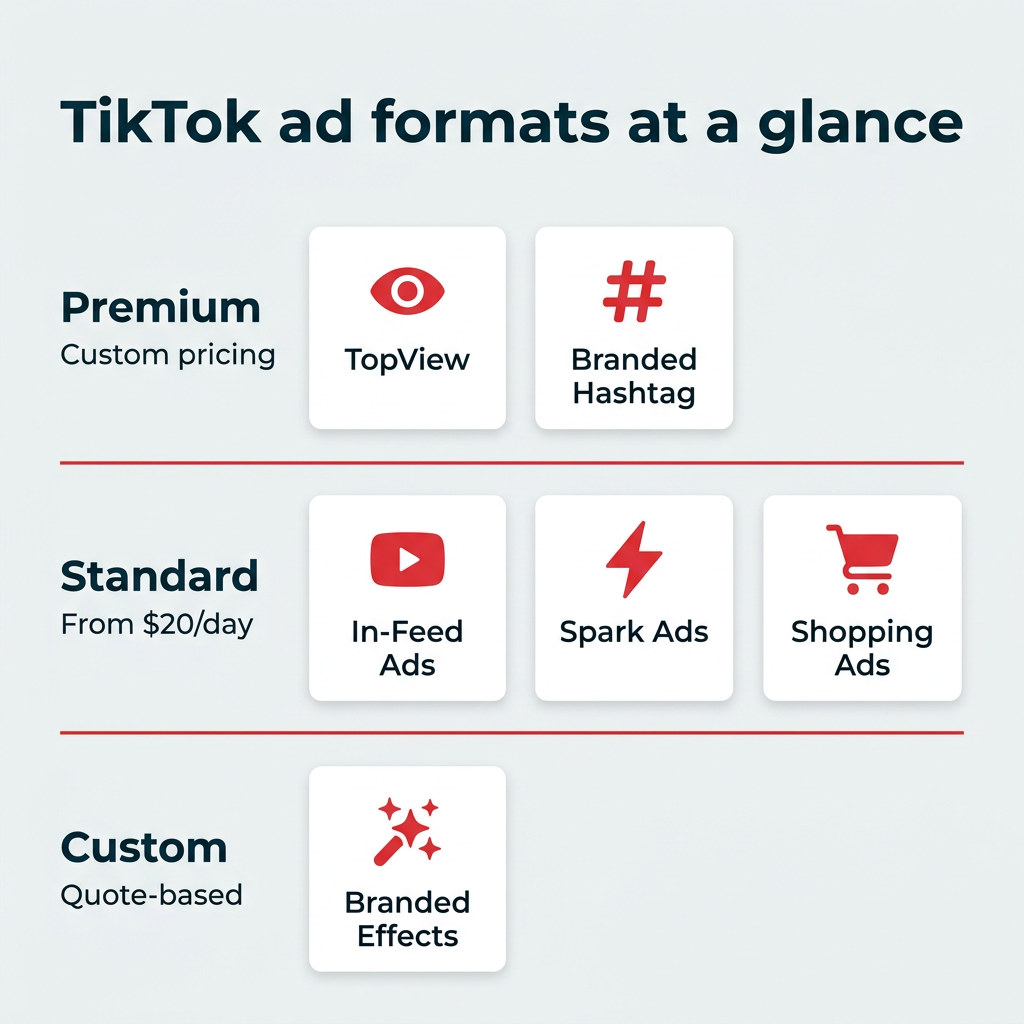
- The Commerce Pivot: The introduction of TikTok Shop and advanced advertising tools (like Spark Ads) integrated the buying experience directly into the feed.
- The Search Revolution: By 2026, TikTok began replacing Google for many younger demographics, with users turning to the platform to search for "best restaurants," "product tutorials," and "brand reviews."
Supporting Data: Why TikTok Remains Essential
Data indicates that the platform’s hold on the consumer psyche is tightening. U.S. users, on average, spend roughly 44 hours per month on the app. This high level of engagement translates to significant conversion potential.
| Feature | TikTok | Instagram Reels | YouTube Shorts |
|---|---|---|---|
| Primary Audience | 25-34 (Strong Gen Z) | 25-34 | 25-44 |
| Key Ad Formats | In-Feed, Spark, Shopping | In-Feed, Stories, Explore | In-Feed, Shorts Ads |
| Commerce Focus | Integrated TikTok Shop | Instagram Shopping | YouTube Shopping |
Furthermore, the demographics are shifting. While TikTok is famously a Gen Z stronghold, the largest user segment is now the 25-34 age group—a demographic with significant purchasing power and brand loyalty.
The Strategic Framework: Building Your Presence
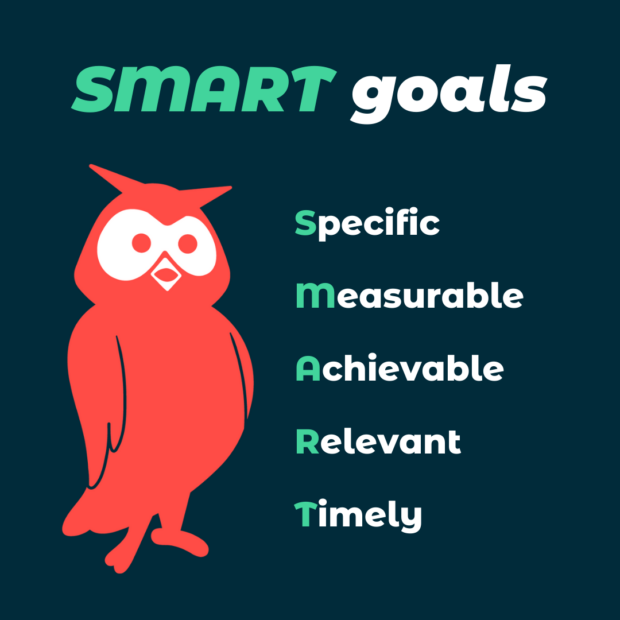
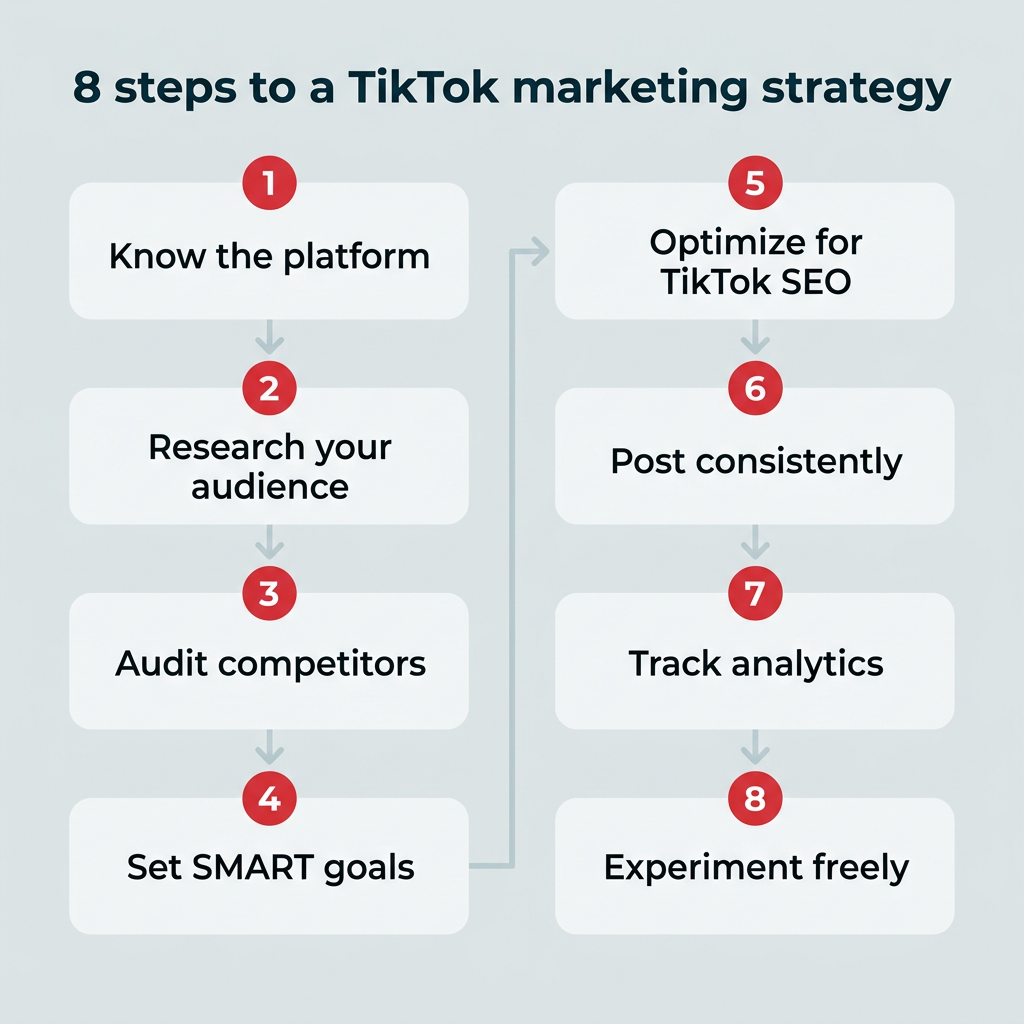
To succeed on TikTok in 2026, brands must move beyond sporadic posting and adopt a data-backed strategy.
1. Account Setup and Optimization
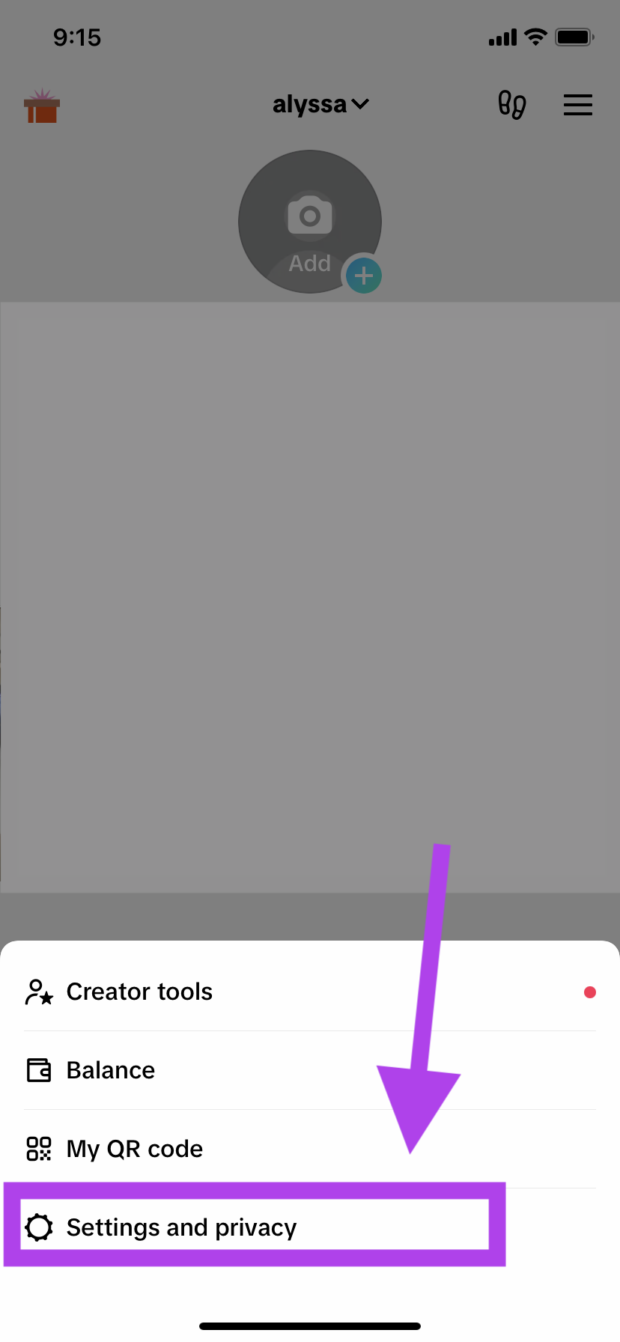
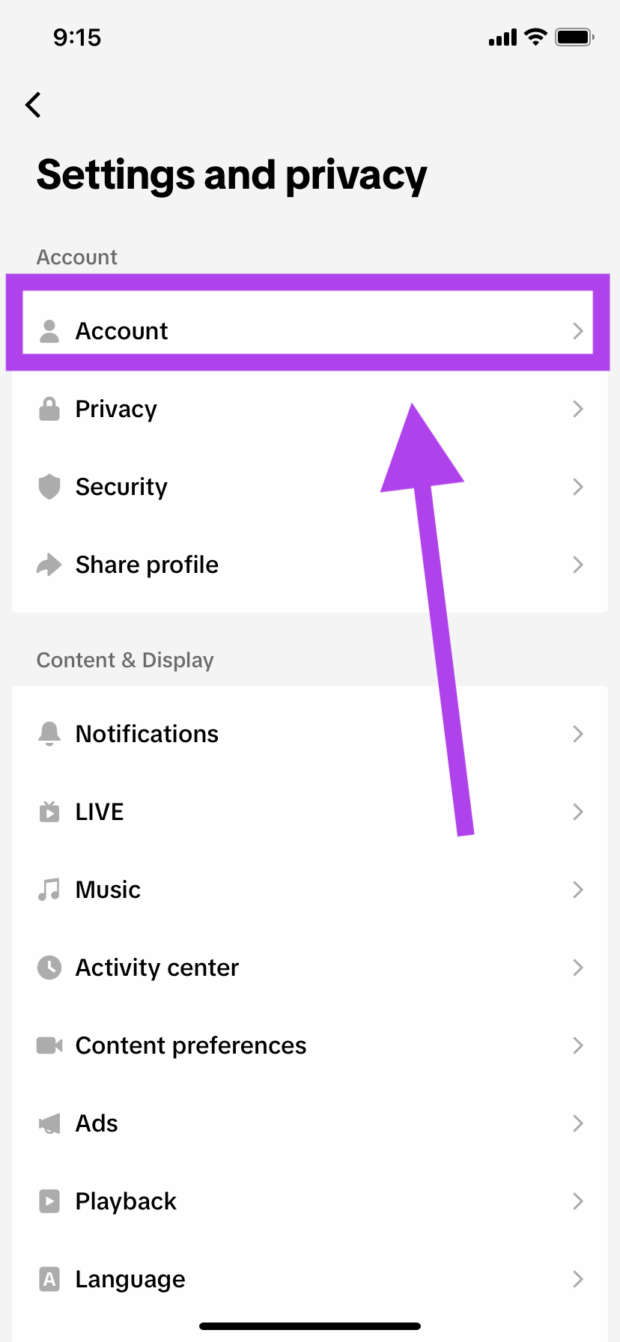
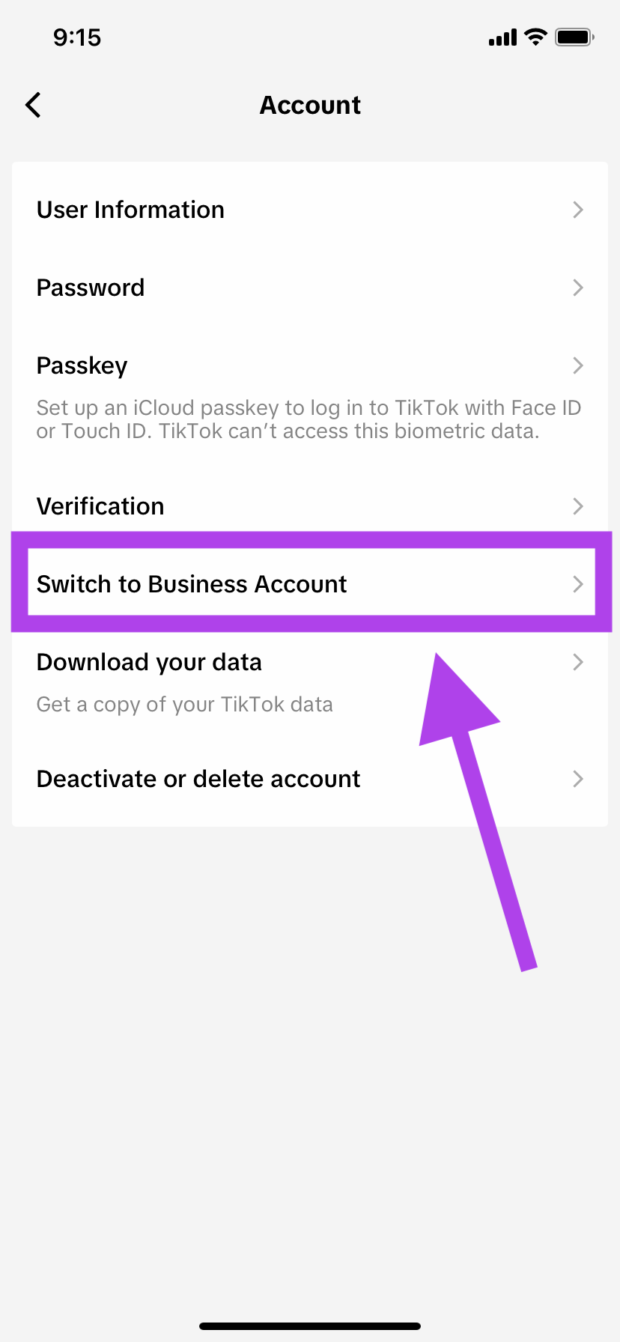
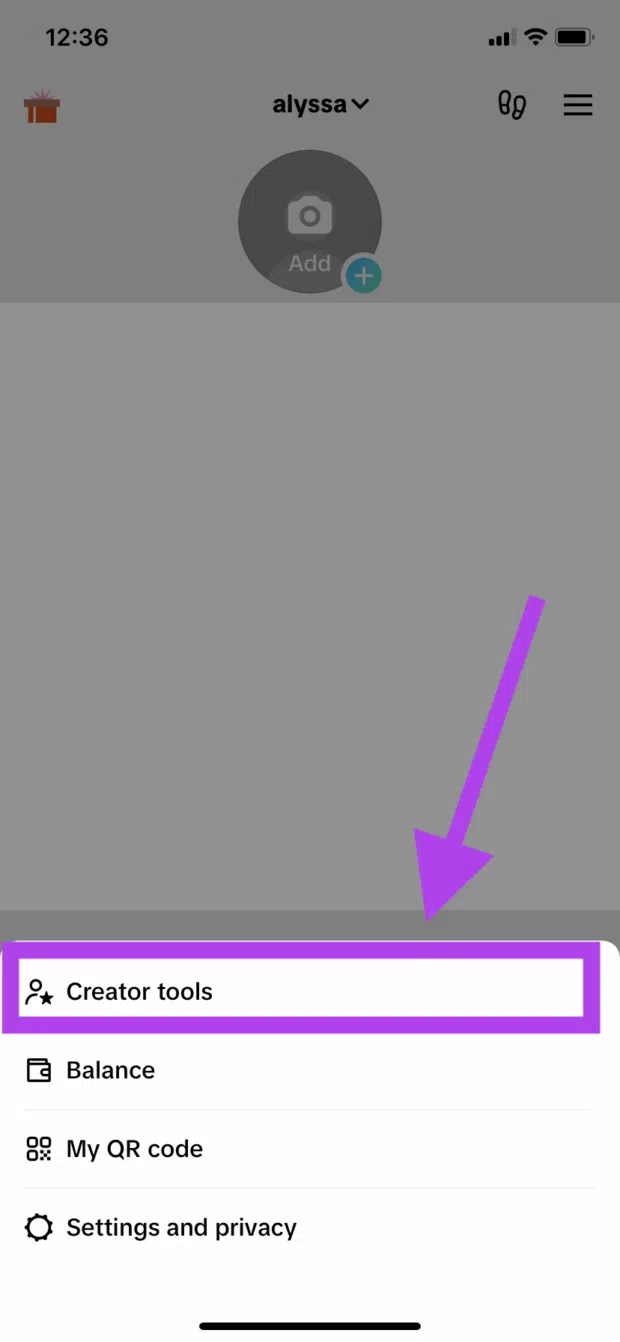
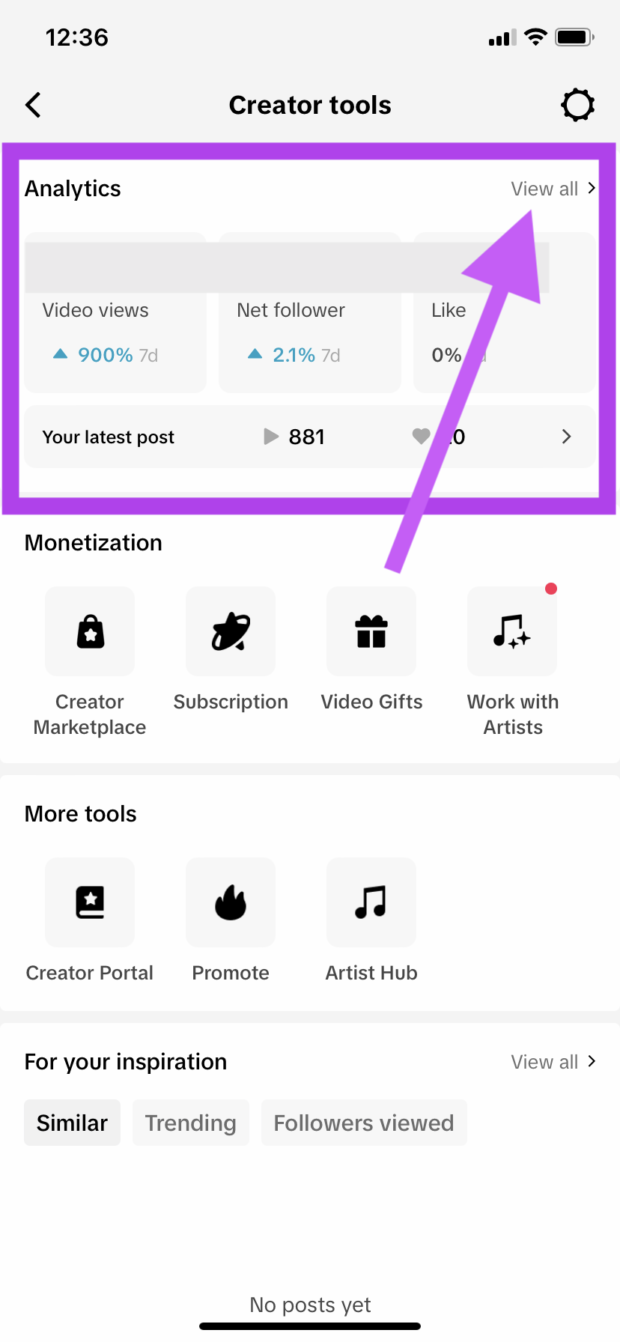
The transition from a personal to a Business Account is the foundational step. This move unlocks the "Business Creative Hub," access to the commercial music library, and, most importantly, granular analytics. Without these insights, you are flying blind.
2. The Art of the "Hook"
The "3-second rule" is the golden standard of TikTok content. Because the scroll rate is so high, the first three seconds of your video must provide value, curiosity, or a clear call to action. If you don’t stop the scroll immediately, the algorithm will bury your content regardless of its quality.
3. Leveraging TikTok SEO
In 2026, the search bar is as important as the "For You" page. Marketers must now treat captions, on-screen text, and even spoken audio as opportunities for SEO. By using relevant keywords that match user search intent, brands can ensure their videos appear when potential customers search for solutions.
4. Consistent Posting Frequency
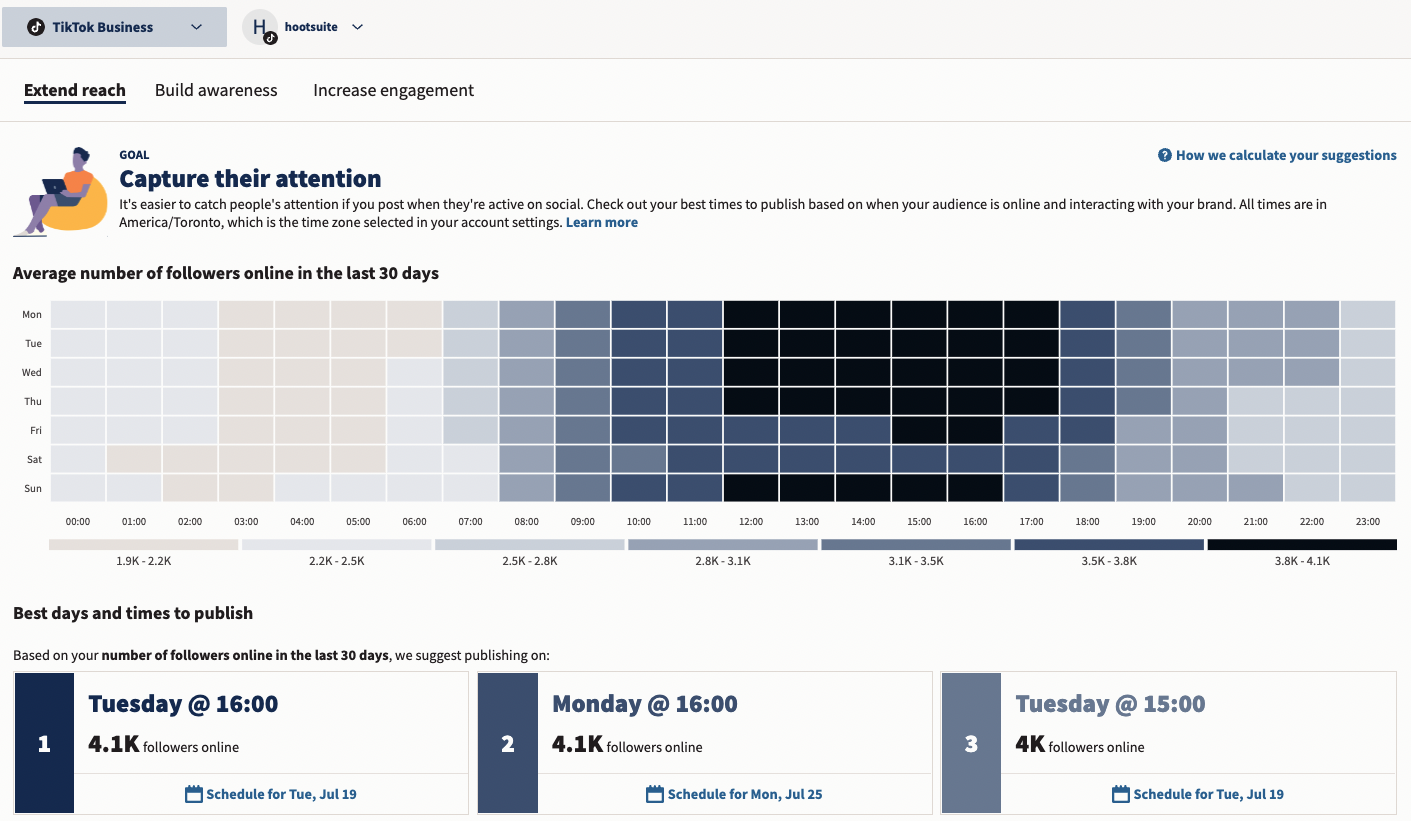
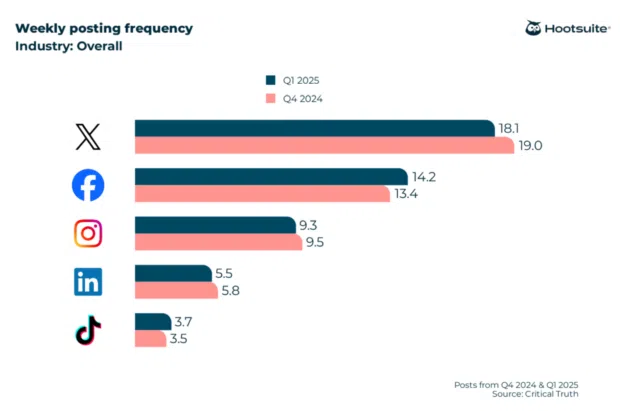
The algorithm favors fresh content. While the platform recommends multiple posts per day, data from Hootsuite suggests that 3–5 high-quality posts per week is the "sweet spot" for most brands. This frequency maintains visibility without sacrificing the quality of production.
Official Perspectives and Regulatory Considerations
While TikTok’s growth remains unprecedented, it is not without challenges. The platform has faced ongoing regulatory scrutiny in various markets. For enterprise-level organizations, this necessitates a "portable content" strategy. By maintaining a presence on platforms like Instagram Reels and YouTube Shorts, brands can mitigate risk. Creating content that is easily adaptable for other short-form video channels is a standard operating procedure for any risk-averse marketing department in 2026.
Implications for Future Marketing
The most significant implication of the current TikTok landscape is the death of the "perfect" ad. Consumers are increasingly skeptical of high-gloss, corporate-style advertising. The brands that win are those that:
- Embrace the "Lo-Fi" Aesthetic: Authentic, user-generated-style content performs better than studio-produced commercials.
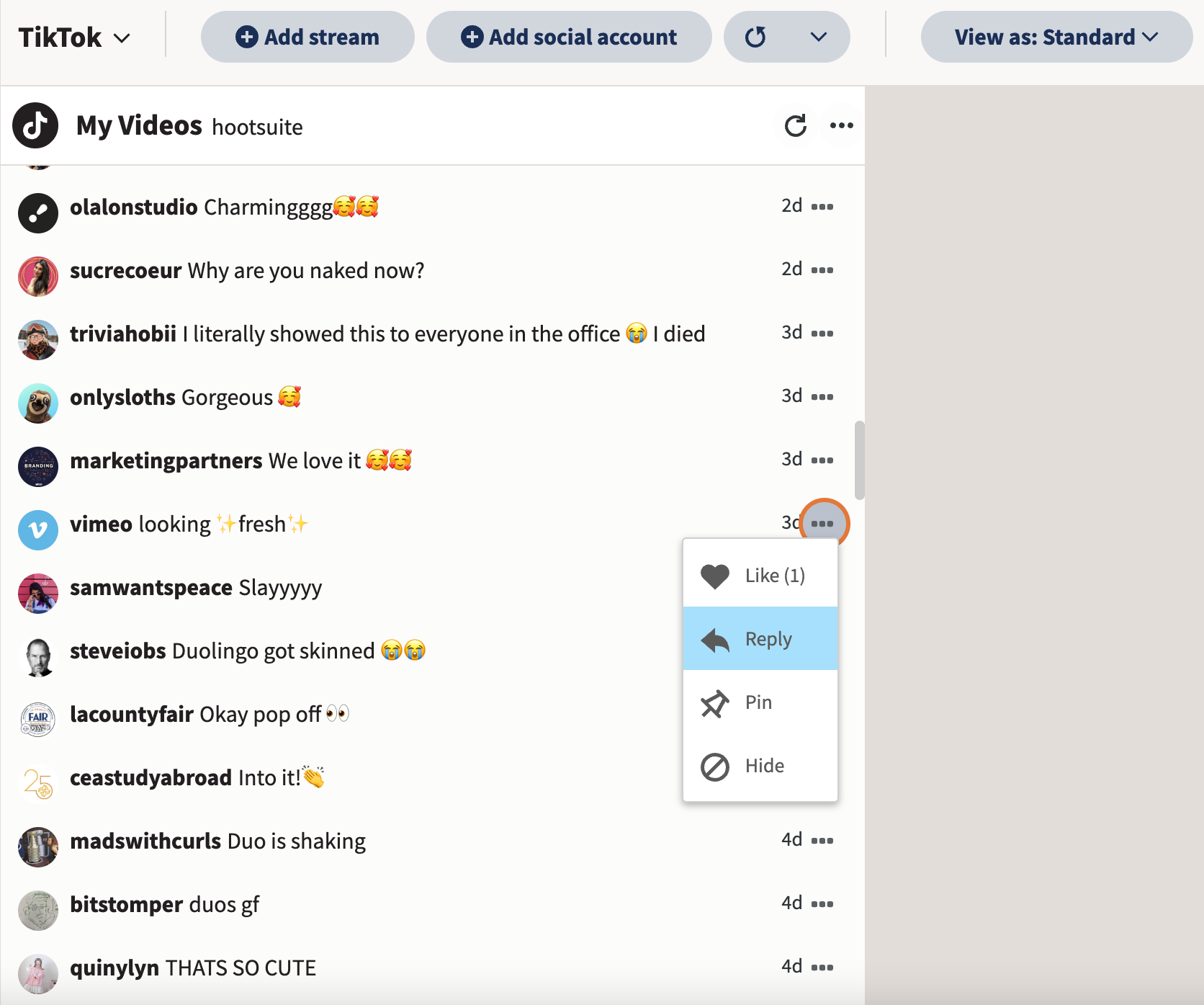
- Participate, Don’t Just Broadcast: Successful brands engage in comments, reply with video responses, and acknowledge current trends rather than ignoring the social context.
- Prioritize Community: The platform is a social network, not a digital billboard. Building a community through behind-the-scenes transparency and open dialogue creates a level of trust that traditional ads cannot replicate.
Conclusion: Tools for the Modern Marketer
To manage this effectively, the reliance on professional tools has become necessary. Platforms like Hootsuite allow brands to manage their content calendar, schedule posts for optimal times (such as Thursday mornings or Saturday mid-day), and monitor engagement across multiple platforms. Combined with creative tools like CapCut for mobile-first editing and the TikTok Creative Center for trend identification, brands can turn the chaotic energy of TikTok into a disciplined, high-performing marketing machine.
TikTok is no longer just a trend; it is the heartbeat of modern consumer culture. For businesses willing to lean into the platform’s unique language, the rewards in terms of brand awareness, community building, and direct revenue are immense. The time to stop observing and start participating is now.

 Nana Wu
 Neng Nana