Ammar Sabilarrohman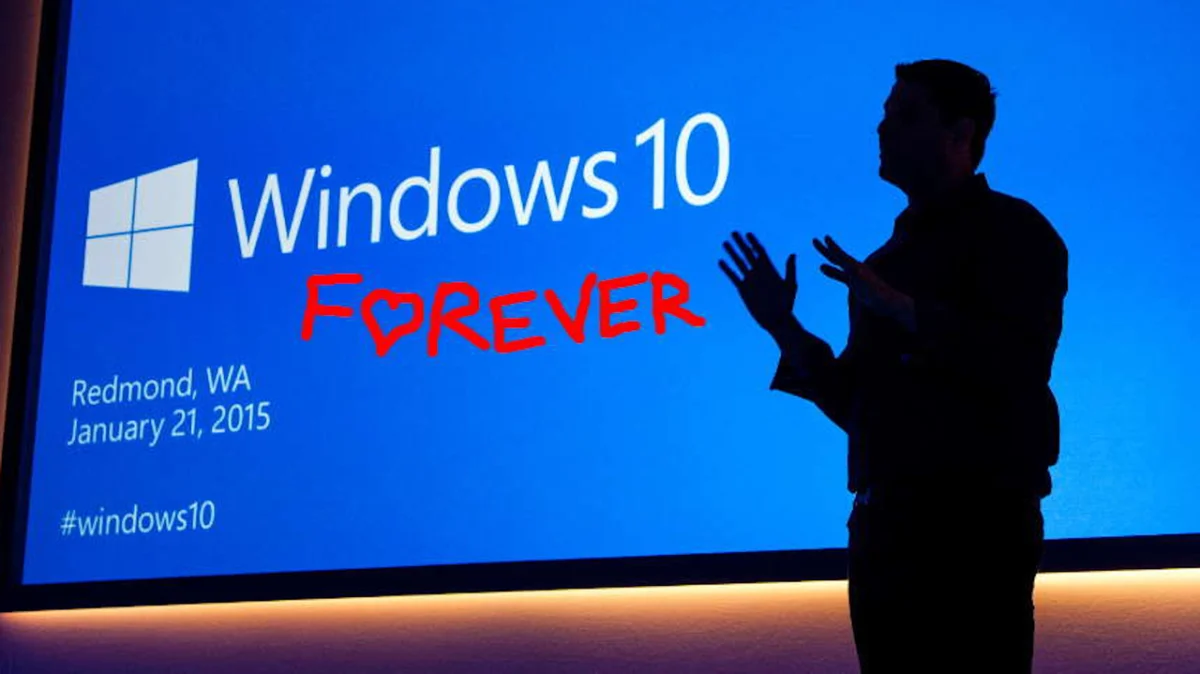
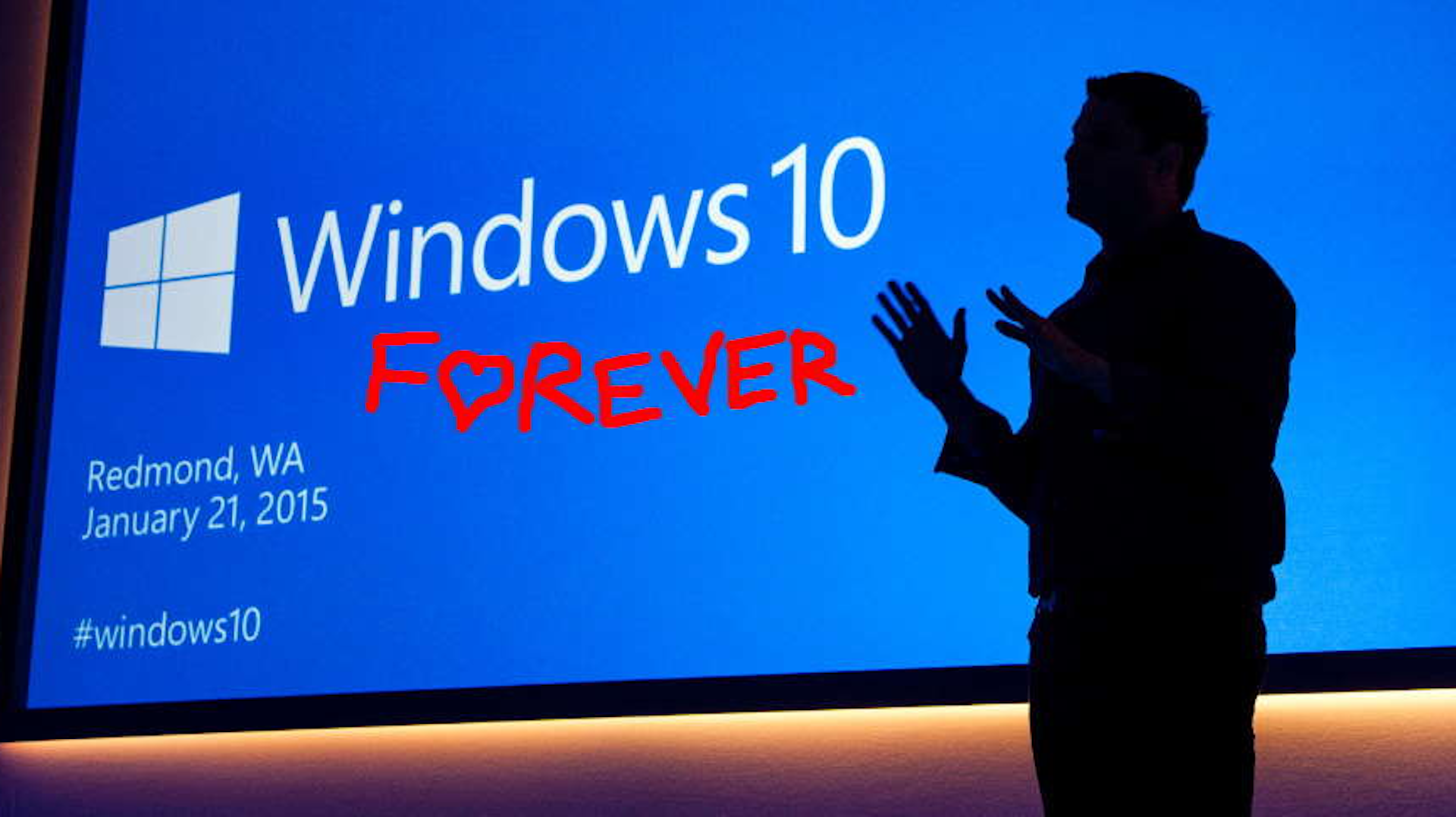
In a surprise move that provides a significant reprieve for millions of users worldwide, Microsoft has quietly extended its Extended Security Updates (ESU) program for Windows 10. Originally slated to conclude in October 2026, the lifecycle for these critical security patches has now been pushed back to October 2027. This decision marks a rare concession by the tech giant, acknowledging the massive, persistent user base that remains committed to an operating system many consider the last "truly stable" iteration of the platform.
The Chronology of an Operating System’s Twilight
To understand the significance of this extension, one must look at the timeline Microsoft established for the retirement of its most popular OS.
- July 2015: Windows 10 is launched, promising a "service-based" model that would be the final version of Windows.
- October 2021: Windows 11 arrives, introducing stricter hardware requirements—specifically the controversial TPM 2.0 and Secure Boot mandates—that immediately alienated a massive segment of the existing PC user base.
- June 2024: Microsoft officially reaffirms that the "end of support" (EOS) date for Windows 10 is October 14, 2025.
- Late 2024: Recognizing the sheer volume of enterprise and consumer devices still running the legacy OS, Microsoft announces a paid ESU program, offering one year of security patches for a fee.
- February 2025: Following internal policy reviews, Microsoft updates its official documentation to extend this support window, officially moving the final cut-off for security patches to October 2027.
Supporting Data: Why Windows 10 Remains a Titan
The decision to extend support is not merely a gesture of goodwill; it is a pragmatic response to telemetry data that shows Windows 10 is far from a legacy product. According to the most recent data from the Steam Hardware and Software Survey, approximately 24% of the gaming population continues to use Windows 10 64-bit. When extrapolated to the billions of active Windows devices globally—including corporate fleets, government infrastructure, and educational hardware—the number of affected machines reaches into the hundreds of millions.
This retention is not driven by stubbornness, but by technical necessity. Windows 11’s hardware requirements are notoriously rigid. Many perfectly functional PCs built between 2017 and 2020 lack the specific processor generations or security modules required for an "official" Windows 11 upgrade. For the average user, this creates a binary choice: either purchase a brand-new machine that they may not need, or rely on workarounds like Rufus to bypass system checks. By extending the ESU program, Microsoft has effectively reduced the immediate pressure on hardware manufacturers and consumers alike to force a premature upgrade cycle.
The Economics of the Extension
The Extended Security Updates (ESU) program is structured as a lifeline for those who cannot or will not migrate to Windows 11. For those already enrolled, the additional year of protection through October 2027 will be provided automatically, at no additional cost.
However, the barrier to entry remains for newcomers. For enterprise users, the ESU program is a tiered, per-device subscription model that scales in price each year. For individual consumers, the price point of $30 per year has been a point of contention. While $30 is a modest sum compared to the price of a new high-end workstation, it represents a fundamental shift in the Microsoft philosophy: the transition from "Windows as a product" to "Windows as a subscription service."
Implications for the Tech Landscape
The decision to push the deadline to 2027 has several profound implications for the industry.
1. The End of Feature Updates
It is vital to distinguish between "Support" and "Feature Updates." Microsoft has made it clear that Windows 10 will receive no new features, UI refreshes, or functionality overhauls. The ESU program is strictly for security patches. Users will not see new integrations with Copilot or other AI-centric features that Microsoft is currently prioritizing for Windows 11 and 12. For many users, this is actually a benefit; there is a vocal segment of the user base that prefers a stable, predictable interface over one that changes with every quarterly update.
2. Mitigating the "Rampocalypse" and Hardware Fatigue
The tech industry has spent the last several years grappling with supply chain instabilities—often referred to as the "Rampocalypse"—and the rising cost of high-performance components. When Microsoft first set the 2025 deadline, it ignored the reality of the hardware market. By granting this extension, Microsoft acknowledges that it bears some responsibility for the high cost of entry into the Windows 11 ecosystem. Forcing users to upgrade when memory prices and CPU costs are at a premium would have resulted in significant public backlash.
3. Corporate and Enterprise Stability
Large-scale corporate environments operate on a "if it isn’t broken, don’t fix it" philosophy. Migrating thousands of workstations to a new OS involves extensive testing, software compatibility checks, and downtime. An extra two years of security support provides IT departments with the necessary breathing room to plan their migration cycles without the looming threat of unpatched, vulnerable systems.
A Strategic Pivot?
Industry analysts are beginning to wonder if this extension is a sign of a larger, systemic shift. As Microsoft pivots toward cloud-based AI services, the specific version of the underlying OS becomes less relevant to their bottom line than the number of active users they can feed into their ecosystem. By keeping Windows 10 secure until 2027, Microsoft keeps those users within the Azure and Microsoft 365 orbit, rather than pushing them toward Linux or alternative operating systems that do not generate subscription revenue.
Conclusion: What Should Users Do?
For the die-hard Windows 10 user, this news is unequivocally positive. You have been granted a stay of execution. However, it is important to remember that this is a temporary fix, not a permanent solution.
If you are running Windows 10, the next two years should be viewed as a transition period. Use this time to evaluate whether your current hardware is worth upgrading or if it is time to build a new system that meets the stringent requirements of future operating systems. Ensure that you are either enrolled in the ESU program or that you are aware of the risks of using an operating system that—while receiving security patches—will eventually lose support from third-party software vendors and browser developers.
Microsoft has handed the community a valuable gift: time. Whether that time is used to delay the inevitable or to prepare for a smooth transition remains entirely up to the user. For now, the "good" version of Windows will remain a viable, secure home for your desktop for another two years.


 Asro
Asro
 Muslim