Asro
Asro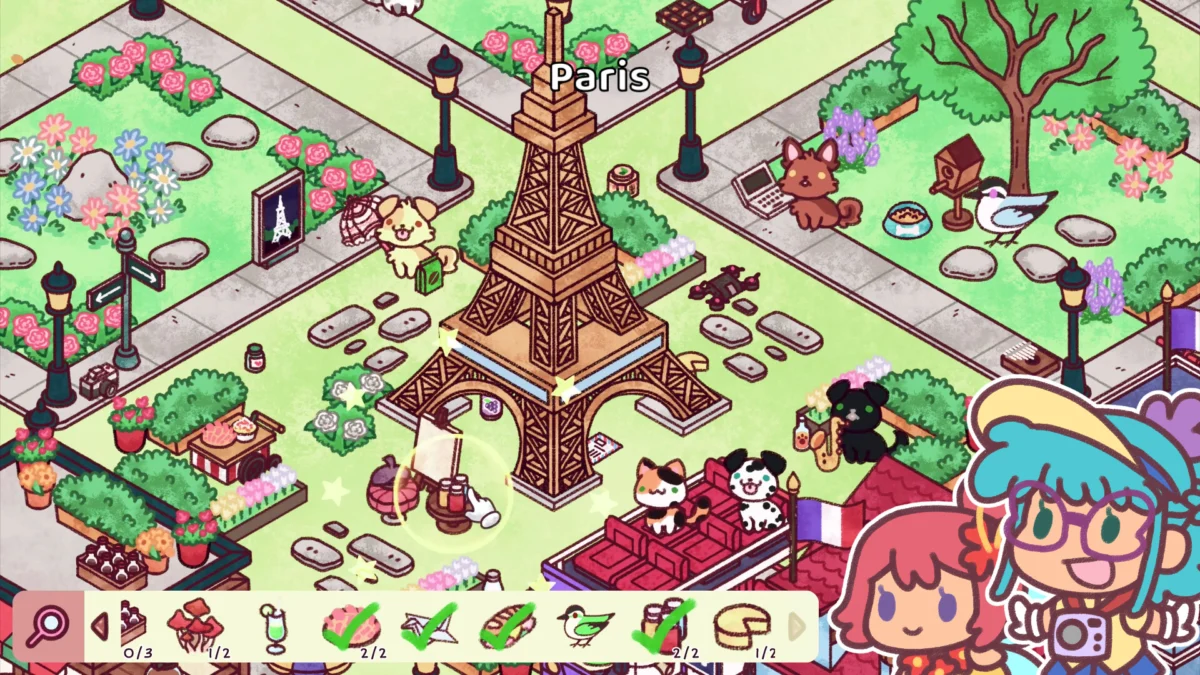
In the rapidly expanding landscape of "cozy gaming," where titles prioritize player comfort and low-stress progression over high-stakes adrenaline, a new contender has emerged to challenge the conventions of the hidden-object genre. Hidden Around the World offers more than just a digital version of "Where’s Waldo." By blending meticulous, hand-drawn aesthetics with a robust, community-driven sandbox mode, the game invites players into a thoughtful, meditative experience that turns the act of searching into an art form.
Main Facts: A New Perspective on Exploration
At its core, Hidden Around the World is an interactive exploration game that takes players on a global tour. From the neon-lit, bustling streets of Tokyo to the romantic, café-lined avenues of Paris, players are tasked with identifying specific items tucked away within dense, sprawling dioramas. Unlike traditional hidden-object games that rely on static, flat images, this title emphasizes environmental storytelling.
The game demands a level of focus that belies its "cozy" label. While the aesthetic is charming and the pace is unhurried, the difficulty lies in the density of the environments. Items are not merely layered over backgrounds; they are integrated into the architecture. Players must navigate obstacles, move furniture, and peer behind structural elements to find their targets. This interactive layer transforms the game from a simple checklist exercise into a slow-burn investigation of digital spaces.
Chronology: The Evolution of the Hidden Object Genre
The hidden-object genre has long been a staple of casual PC gaming, often associated with the early 2000s "Big Fish" era of titles. Historically, these games relied on repetitive mechanics: a list of items appears, and the player clicks them until the screen is cleared. The experience was often criticized for being "soulless" or overly formulaic.
In recent years, the genre has undergone a renaissance, driven by a demand for low-impact, high-satisfaction gameplay. Hidden Around the World represents the latest milestone in this timeline. By introducing physics-based interactions—where objects must be shifted or manipulated to reveal hidden secrets—the developers have bridged the gap between traditional puzzle games and immersive simulations. The shift from "click-to-find" to "explore-to-find" marks a maturation of the genre, signaling a move toward more player-agency and creative freedom.
Supporting Data: Why Interactivity Matters
The primary differentiator for Hidden Around the World is its mechanical depth. When analyzing player engagement, the "sandbox mode" emerges as the game’s most significant retention tool. By allowing players to construct their own environments using a modular kit of assets, the game shifts the player’s role from consumer to creator.

Data from the community suggests that the longevity of such titles is directly tied to user-generated content (UGC). In many households, this has turned the game into a multi-generational activity. Parents are using the sandbox mode to build custom scavenger hunts for their children, creating a collaborative puzzle-solving experience that extends the game’s value far beyond the main campaign.
However, the game is not without technical hurdles. Feedback indicates that on smaller screens—such as handheld gaming devices or tablets—the precision required to manipulate objects can become a point of frustration. The "fiddly" nature of the UI, particularly when aligning objects for snapshot challenges, suggests that the developers prioritized creative depth over streamlined controls. While this adds to the charm for some, others may find the lack of "snap-to-grid" or sensitivity settings a barrier to entry.
Official Responses and Developer Intent
While the developers have remained relatively quiet regarding future updates, the community reception has been overwhelmingly positive, particularly regarding the game’s artistic direction. The hand-drawn aesthetic serves as a testament to the effort poured into each level. Each city is rendered with a distinct color palette and architectural style, ensuring that the visual fatigue often associated with "find-it" games is mitigated.
The developers have emphasized that the intention behind the game was to evoke the feeling of travel. By forcing the player to pause and look closely at the details of a scene, the game mimics the experience of a tourist taking the time to notice the subtle beauty of a foreign street. This intent is reflected in the game’s pacing; it is not meant to be speed-run. It is a game designed to be played with a cup of tea, allowing the player to lose themselves in the minutiae of the illustrations.
Implications for the Future of Cozy Gaming
The success of Hidden Around the World has significant implications for the future of indie development. As the market for cozy games becomes increasingly saturated, titles that offer "creative toyboxes" rather than just static puzzles will likely lead the pack.
The Shift Toward Creative Agency
The game proves that players are no longer satisfied with being passive observers. They want to contribute to the game world. By providing the tools to build custom puzzles, the developers have successfully extended the life of the product without needing to release constant, expensive DLC. This model—where the player becomes the content creator—is a blueprint for the next generation of indie titles.

Accessibility vs. Complexity
There is an ongoing debate in the community regarding the game’s "rough edges." Is the fiddliness a flaw, or is it part of the tactile experience? As developers look toward the future, the challenge will be balancing the complexity of the sandbox tools with the accessibility required for a casual audience. The game’s 7.5/10 rating highlights this duality: it is a highly enjoyable, charming experience that nonetheless requires a degree of patience that might alienate players looking for a more polished, "snappy" interface.
Conclusion: A Charming, If Imperfect, Addition to the Library
Hidden Around the World is a successful experiment in bringing tactile, creative play to a classic genre. It does not reinvent the wheel, but it does add a much-needed layer of personality and agency. While it struggles with occasional UI awkwardness and accessibility issues on smaller displays, the core experience—building, sharing, and searching—is deeply rewarding.
For players who value the journey over the destination, the game offers a refreshing, meditative escape. Whether you are navigating the dense, chaotic streets of a digital Tokyo or designing your own backyard puzzle for friends, the game excels at being exactly what it sets out to be: a cozy, creative, and endlessly replayable toybox.
It is a reminder that in an industry obsessed with graphics and scale, there is still immense value in the small, the quiet, and the hand-drawn. As the game continues to find its footing, it stands as a strong recommendation for anyone looking to slow down, take a deep breath, and appreciate the hidden details of a well-crafted world.
Quick Summary of the Experience:
- Genre: Cozy Hidden Object / Sandbox
- Strengths: Exceptional art style, high replayability through UGC, creative freedom.
- Weaknesses: Occasional UI clunkiness, potential difficulty with small-screen interactions.
- Verdict: A must-play for fans of puzzle-solving and creative building, provided they have the patience for a more tactile, slow-paced interface.


 Sagoh
Sagoh
 Ammar Sabilarrohman