Sagoh
Sagoh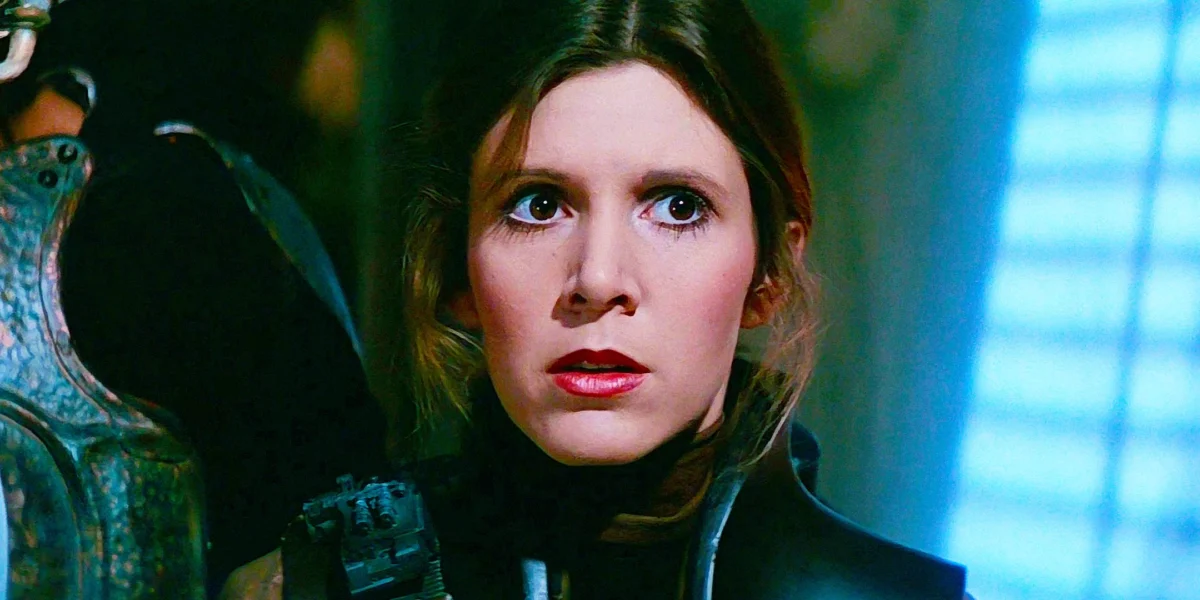
The Star Wars galaxy is a tapestry of interconnected mythologies, yet some threads remain frustratingly thin. While the Original Trilogy concluded with the triumphant destruction of the second Death Star and the fall of the Empire in Return of the Jedi, the subsequent decades—the period leading up to the rise of the First Order—have remained largely shrouded in mystery. Now, a new entry into the franchise is set to pull back the curtain on this under-explored era.
Star Wars: Galactic Racer, the upcoming title from developer Fuse Games and publisher Secret Mode, is poised to offer fans a unique, high-octane perspective on the state of the galaxy in the immediate aftermath of the Emperor’s defeat. Set between 5 ABY and 34 ABY, the game promises to be more than just a speeder-bike simulator; it is an ambitious attempt to flesh out the geopolitical instability and cultural shifts of the New Republic era.
The Main Facts: A High-Speed Narrative
Announced for a worldwide release on October 6, 2026, Star Wars: Galactic Racer positions itself as a narrative-heavy racing title. Players step into the flight suit of Shade, an aspiring pilot carving out a reputation in the cutthroat, unsanctioned circuits of the Galactic League.
Unlike traditional arcade racers, the developers have emphasized that the game’s core loop is inextricably tied to the volatile state of the galaxy. By focusing on "unsanctioned" races, the game taps into the lawlessness that permeated the outer rim even after the Battle of Endor. With the Empire in retreat but not yet fully dismantled, and the New Republic struggling to establish authority across a fractured star system, the Galactic League provides a perfect backdrop for a story about survival, ambition, and the transition of power.
Chronology: Navigating the Void After Endor
To understand the significance of Galactic Racer, one must understand the timeline. Return of the Jedi concludes in 4 ABY. For years, the Star Wars canon has treated the thirty-year gap between that film and The Force Awakens as a period of significant transition.
- 4 ABY (The Aftermath): The Emperor is defeated, and the Second Death Star is destroyed. The Rebel Alliance begins its transformation into the New Republic.
- 5–34 ABY (The Galactic Racer Window): This is the game’s primary setting. It is a period defined by disarmament, bureaucratic gridlock, and the quiet, insidious rise of the First Order in the Unknown Regions.
- 34 ABY (The Sequel Trilogy): The destruction of the Hosnian Prime system by the Starkiller Base effectively resets the status quo, pushing the galaxy back into a state of total war.
Galactic Racer occupies the "middle ground" of this timeline. It is a period where the euphoria of the Rebellion’s victory has begun to fade, replaced by the grim realization that maintaining peace is far more difficult than winning a war.
Supporting Data: Why the New Republic Era Matters
The decision to set a game in this specific timeframe is a strategic move by Lucasfilm and the development team. Fans have long expressed a desire for more content regarding the "New Republic" era. While The Mandalorian and Ahsoka have begun to scratch the surface, they focus heavily on the Mandalorian culture and the remnants of Imperial leadership.
Galactic Racer offers a ground-level view. By utilizing the racing circuit, the game can visit diverse worlds—from industrialized core worlds still rebuilding from Imperial occupation to lawless frontier moons where the New Republic’s reach is nonexistent. The game features full cross-platform play, ensuring that the player base remains unified across PC, PlayStation 5, and Xbox Series S/X.

The inclusion of "Galactic League" lore suggests a world-building effort that rivals the depth of the podracing sequences in The Phantom Menace, but with a grittier, post-war aesthetic. The visual design of the speeder bikes—sleek, scavenged, and heavily modified—mirrors the scrappy nature of a galaxy that is trying to repurpose the machinery of war for the pursuits of sport and commerce.
Official Responses and Developer Vision
While details remain guarded, Fuse Games has hinted that the narrative will not shy away from the darker implications of the post-Imperial era. "We didn’t want to make a game where the galaxy feels shiny and perfect," a spokesperson for the studio noted in a recent briefing. "The New Republic is a fragile entity. Our story with Shade reflects the tension of people trying to find their footing in a galaxy that has seen too much death and is desperate for a distraction."
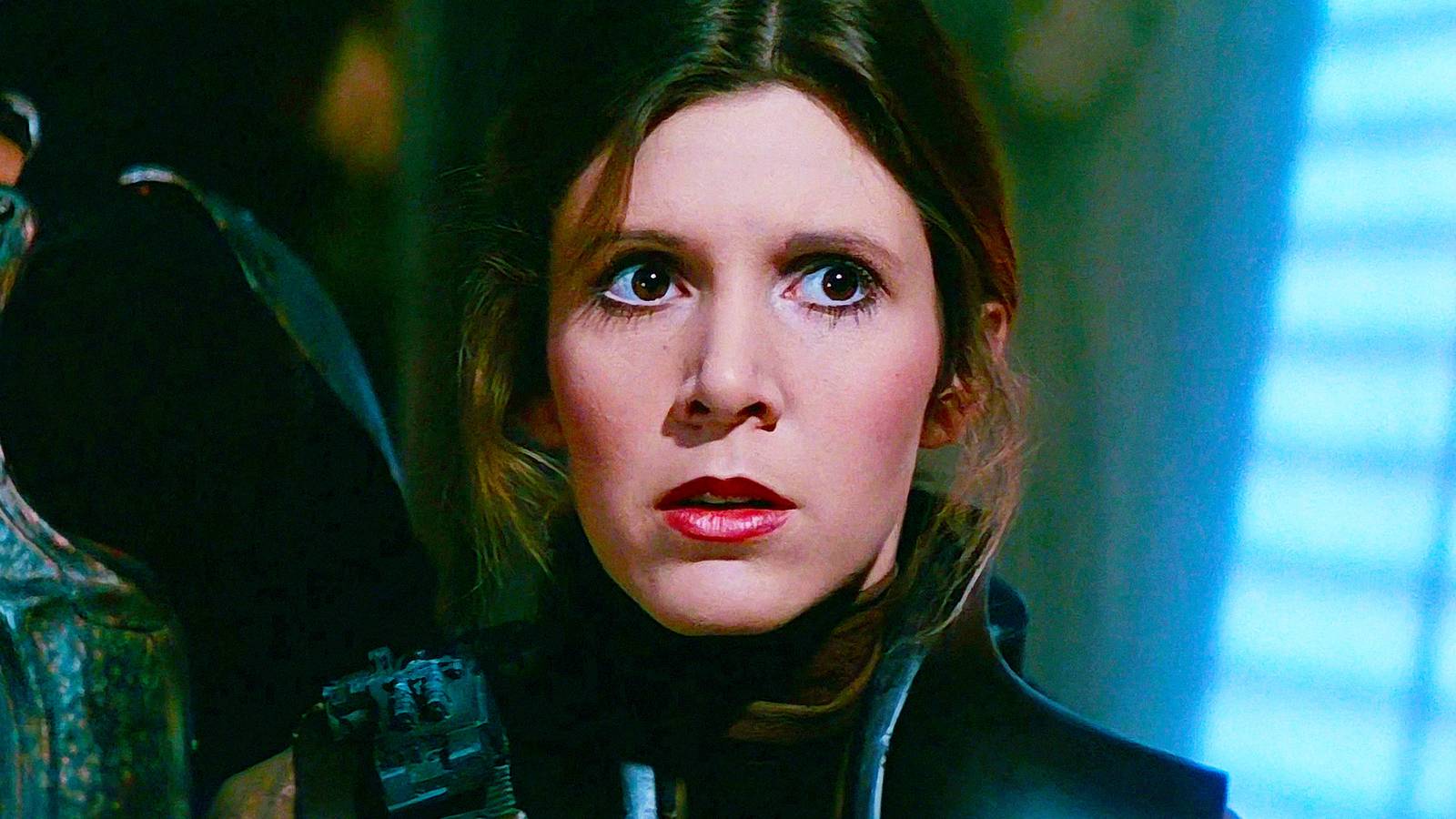
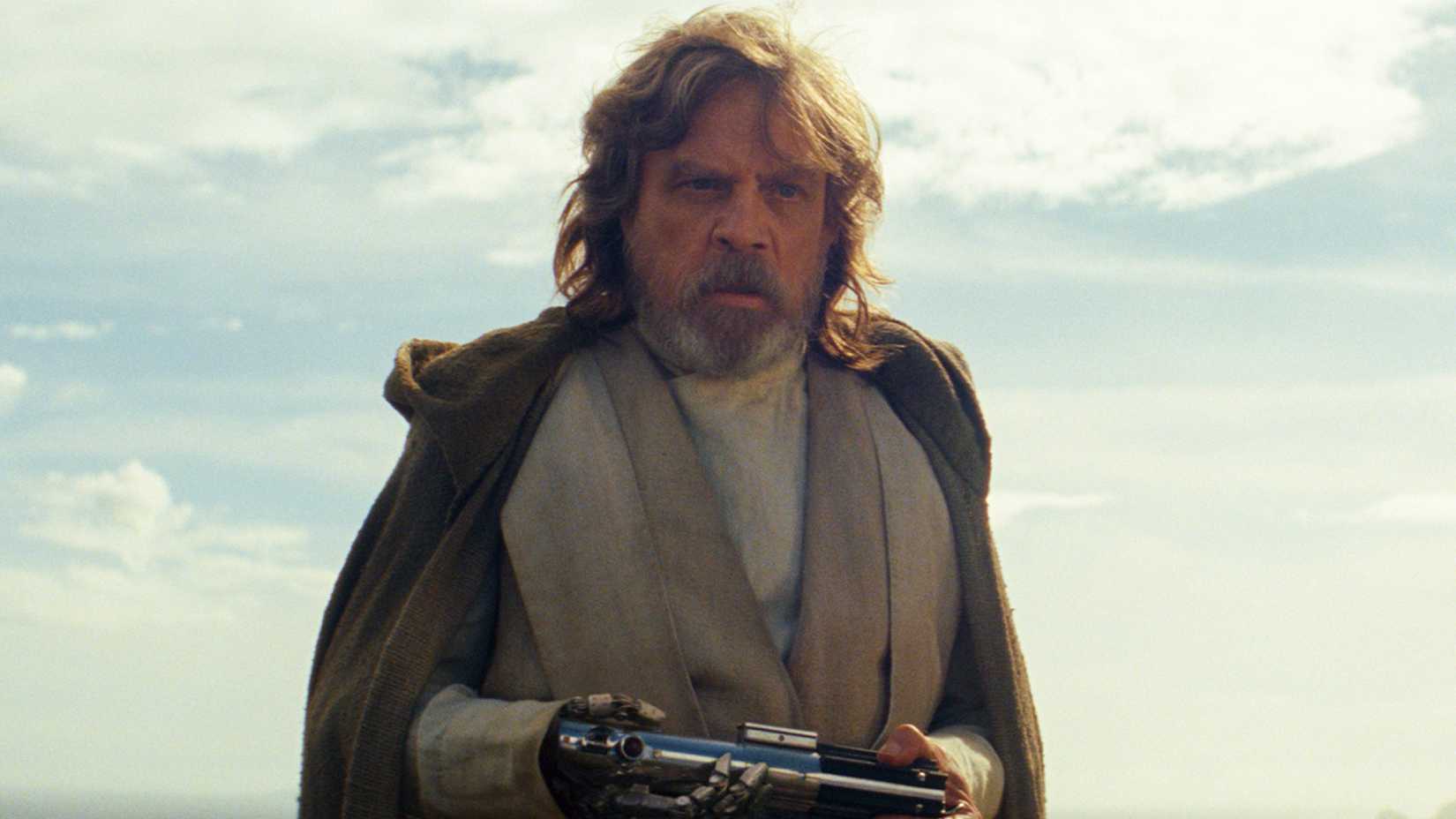
The choice to avoid the "Skywalker" trope is equally intentional. While characters like Luke Skywalker, Leia Organa, and Han Solo are undoubtedly operating within the galaxy during this window, Galactic Racer is designed to feel intimate. By keeping the scope focused on an original character like Shade, the game avoids the "small galaxy" problem that has occasionally plagued the franchise, where every story must revolve around the same core group of Jedi and Sith.
Implications: The Potential for a New Star Wars Identity
The implications for this release are twofold. First, it serves as a litmus test for "niche" Star Wars gaming. If Galactic Racer succeeds, it validates the idea that the franchise can thrive in genres outside of the third-person action-adventure or open-world RPG formats. It proves that there is a hunger for lore-rich experiences that explore the fringes of the timeline.
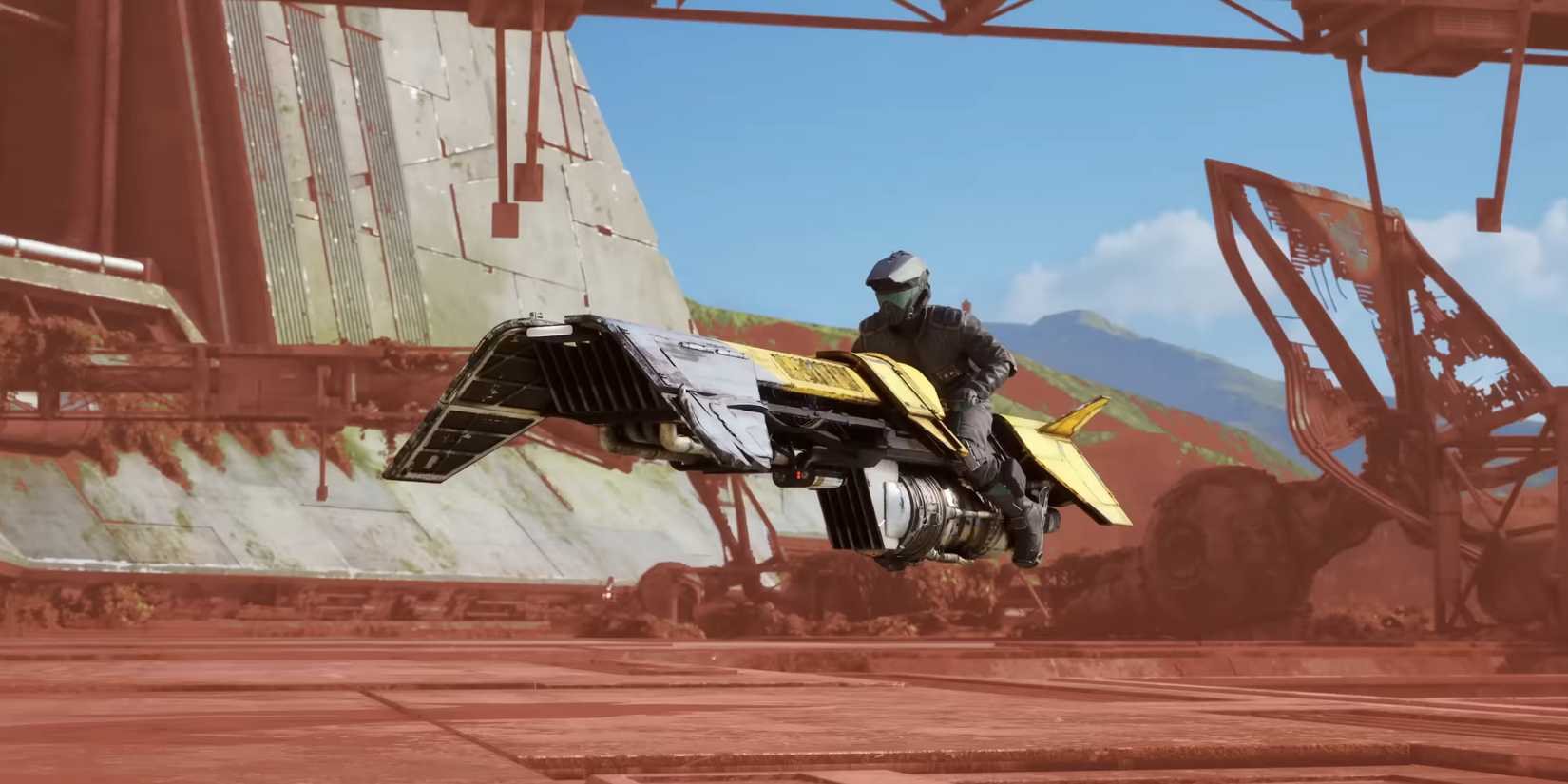
Second, the game sets the stage for future projects. If the developers successfully depict the rise of the First Order as a background element—a sense of creeping dread felt by racers who notice that the ships they are racing against are becoming more militarized and uniform—it could provide the most compelling look at the First Order’s origins to date.
The lack of Luke Skywalker is not a deficiency; it is a creative liberation. It allows the player to inhabit a world that feels vast, dangerous, and distinctly Star Wars without the baggage of pre-determined destiny. Players are not saving the galaxy; they are living in it.
The Aesthetic of the Post-War Frontier
One of the most striking aspects of the early promotional material is the art style. We see speeders that are clearly built from the wreckage of TIE fighters and X-wing scrap, reflecting the theme of "swords into plowshares." The tracks themselves, according to reports, span from the neon-lit industrial sectors of Coruscant to the desolate, windswept deserts of planets that were once key Imperial outposts.
The technical specifications provided by the developers indicate a high level of fidelity. With full support for modern lighting engines on the PS5 and Xbox Series S/X, the environmental storytelling is expected to be a highlight. Players might notice abandoned Imperial banners in the distance, or the presence of New Republic patrol cruisers that are too thin to effectively police the sector. These details will reward observant fans who are looking for a deeper connection to the current canon.
Conclusion: A New Direction
Star Wars: Galactic Racer represents a bold pivot for the franchise. By anchoring a racing game in the socio-political reality of the New Republic, Fuse Games is daring to treat the Star Wars universe not just as a setting for space battles, but as a living, breathing world with its own history and internal conflicts.
Whether it will satisfy those looking for a traditional Jedi-centric narrative remains to be seen. However, for those who have spent years pouring over the lore of the New Republic era, the game offers a tantalizing prospect: the chance to see how the common citizens of the galaxy lived, struggled, and played in the shadow of a fallen Empire. As we approach the October 6 launch, all eyes will be on the starting line to see if this ambitious project can deliver a victory lap for the franchise.
The galaxy is vast, and for the first time in a long time, the most interesting story isn’t about the Force—it’s about the speed, the stakes, and the desperate scramble to define a new future in the wake of the old.

 Asep Darmawan
 Layla Zulfa