Siti Muinah
Ray Bradbury remains a titan of 20th-century literature, a writer whose influence transcends the boundaries of science fiction, horror, and fantasy. His prose, characterized by a distinct, rhythmic lyricism, captured the anxieties of the atomic age while simultaneously mourning the loss of small-town Americana. From his seminal The Martian Chronicles to the cautionary dystopia of Fahrenheit 451, Bradbury’s work didn’t just predict the future—it interrogated the human soul’s reaction to technological and societal evolution.
However, translating Bradbury’s “idea-forward” narratives to the screen has always proven a difficult endeavor. His stories are often internal, intellectual, and poetic—qualities that do not always translate easily into the kinetic language of cinema. Despite the challenges, a handful of directors have managed to distill the essence of his work into cinematic form. Here, we examine the five most successful adaptations of his legendary bibliography.
The Bradbury Ethos: A Legacy of Ideas
Ray Bradbury was never merely a genre writer; he was a mythmaker. He famously noted that his short story "There Will Come Soft Rains"—which depicts a high-tech, automated home continuing to function long after its inhabitants have been vaporized in a nuclear war—was the definitive expression of his ethos. It perfectly encapsulates his recurring themes: the coldness of machinery, the fragility of human existence, and the persistence of memory.
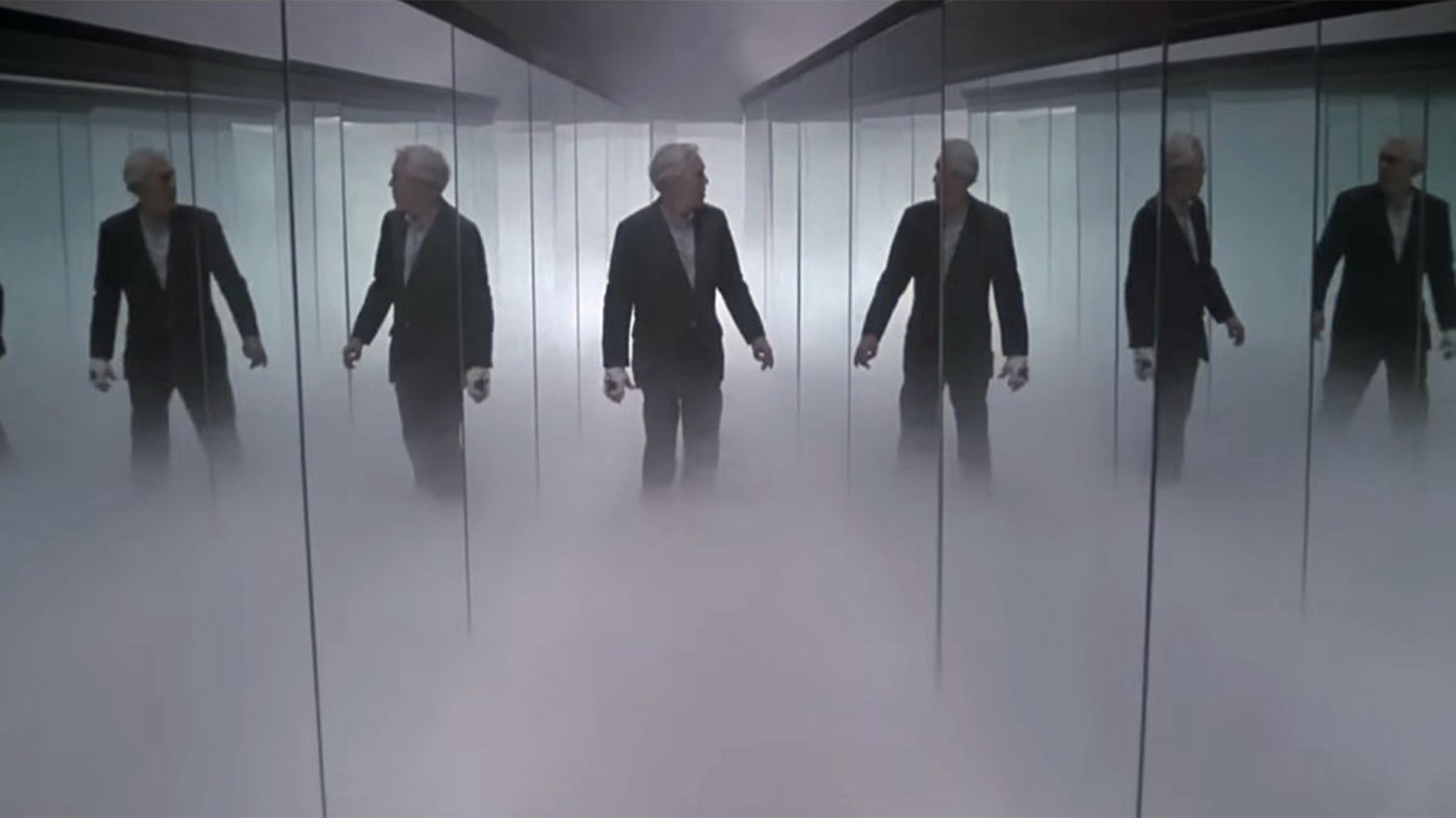
While Bradbury’s written words remain the gold standard, his filmography is surprisingly sparse. Filmmakers have often found themselves intimidated by the density of his prose. When adaptations were attempted, the results ranged from cult classics to misunderstood experiments. The following ranking highlights the films that best captured his haunting vision.
5. The Electric Grandmother (1982): The Automation of Affection
The Electric Grandmother is a quiet, contemplative piece that originated as an episode of The Twilight Zone titled "I Sing the Body Electric." Bradbury, who wrote the original teleplay, was notoriously critical of the 1960 episode. However, he found redemption in this 1982 television film.
The Narrative Arc
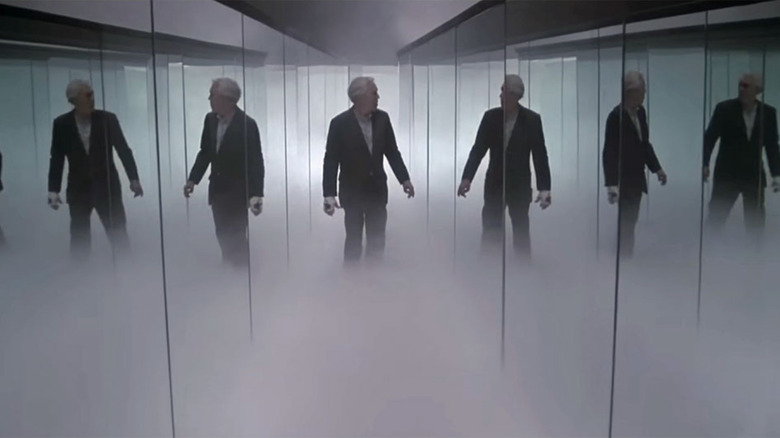
Set in a near-future where domestic labor is increasingly outsourced to robotics, the story follows a widower and his three children who purchase a "gynoid" grandmother. While the younger children embrace the mechanical matriarch, the eldest daughter is gripped by skepticism. The narrative subverts traditional "killer robot" tropes; instead of a technological uprising, we are presented with a study on the nature of love. The film explores the profound, if unsettling, possibility that familial bonds can be synthesized. Unlike many of his contemporaries, Bradbury suggests that perhaps the origin of love—whether biological or manufactured—matters less than the grace with which it is delivered.
4. The Illustrated Man (1969): A Tapestry of Existential Dread
The Illustrated Man (1951) is one of Bradbury’s most iconic collections, unified by a framing device involving a drifter whose skin is entirely covered in living, animated tattoos. Each tattoo serves as a window into a different dark, speculative reality.
Anthology Structure and Impact
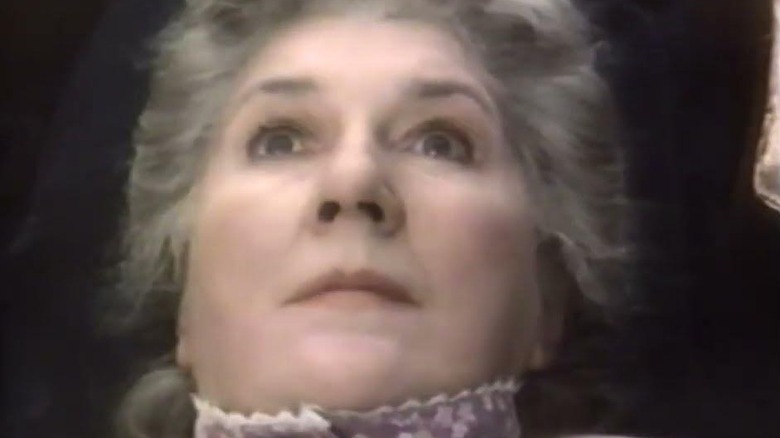
The 1969 film, starring Rod Steiger, attempts the daunting task of adapting three distinct tales from the book: "The Veldt," "The Long Rain," and "The Last Night of the World." The film is a study in tonal extremes. "The Veldt," perhaps the strongest segment, serves as an eerie inversion of The Electric Grandmother, exploring how technology can turn children into monsters. Meanwhile, "The Last Night of the World" offers a poignant, heartbreaking look at humanity’s final hours. While the film is undeniably uneven—a common pitfall of the anthology format—it remains a fascinating artifact of late-60s counterculture cinema, reflecting the era’s deep-seated anxieties about technology and the impending end of the status quo.
3. The Halloween Tree (1993): The Cultural History of Fear
While much of Bradbury’s work leans toward the cold, sterile future, The Halloween Tree highlights his deep affection for the past and the folklore of autumn. Written by Bradbury himself for the 1993 animated special, this film serves as a whimsical, educational, and slightly terrifying journey through the origins of Halloween.
A Masterclass in Atmospheric Storytelling
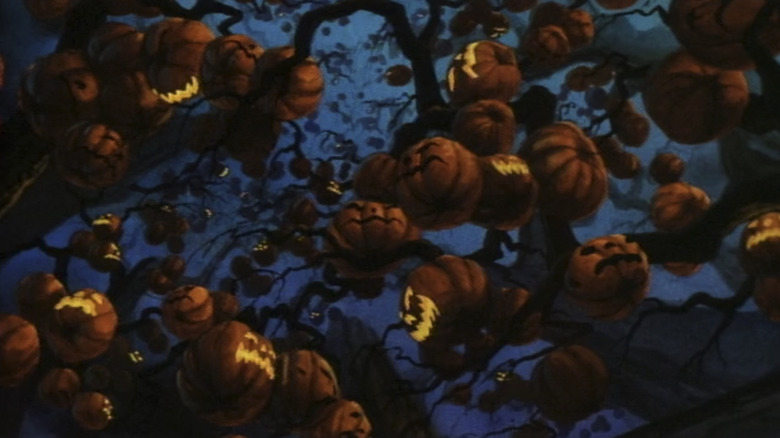
The narrative follows four friends who embark on a mission to save their ailing classmate. Guided by the enigmatic Carapace Clavicle Moundshroud, voiced with gravelly perfection by Leonard Nimoy, the children travel through history—from Ancient Egypt to the druidic traditions of Stonehenge—to understand why we wear masks and fear the dark. It is a rare work that manages to be both a history lesson and a quintessential piece of October programming. The film’s success lies in its sincerity; it treats the holiday not as a commercial gimmick, but as a necessary, ancestral confrontation with mortality.
2. Something Wicked This Way Comes (1983): The Price of Nostalgia
Directed by Jack Clayton, this 1983 adaptation is arguably the most atmospheric and "literary" of all Bradbury films. It delves into the dark side of nostalgia, a recurring theme in the author’s life.
The Moral Weight of Memory
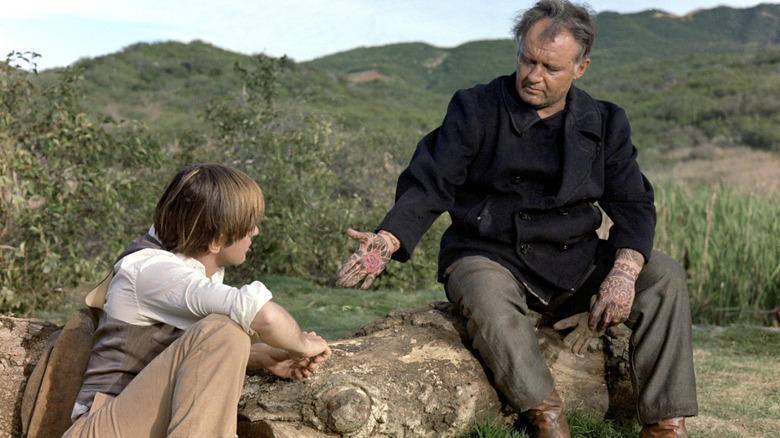
The story centers on a traveling carnival that arrives in a small Midwestern town, bringing with it Mr. Dark, a malevolent ringmaster who offers the residents a chance to reclaim their lost youth. The film is a masterclass in gothic horror, utilizing the setting of a small town to heighten the sense of vulnerability. Jason Robards delivers a career-defining performance as the town librarian, the moral anchor who realizes that the cost of returning to the past is the surrender of one’s soul. Released during a period of financial instability for Disney, the film has gained a well-deserved cult following for its uncompromisingly bleak yet beautiful exploration of the human condition.
1. Fahrenheit 451 (1966): The Definite Dystopia
Topping the list is François Truffaut’s 1966 adaptation of Bradbury’s magnum opus. The film is a fascinating cross-cultural bridge: a French New Wave visionary directing a quintessentially American story of censorship and intellectual decline.
Critical Reception and Legacy
Truffaut’s Fahrenheit 451 was his first film in English and his first in color. While it was a commercial disappointment upon its initial release, it has since been vindicated by time. The film captures the terrifying, hypnotic nature of a society that has voluntarily traded its intellect for the flicker of television screens.
Unlike the book, which ends on a note of hopeful, albeit rugged, preservation, Truffaut’s ending is more ambiguous and perhaps more haunting. He presents the "living library"—people who memorize books to keep them alive—not as a triumphant solution, but as a fragile, melancholy existence. The film serves as a chilling reminder that the survival of information is useless without the capacity to truly understand and internalize it. It remains the most powerful visual representation of Bradbury’s warnings about a world that finds it "a pleasure to burn."
Implications for Modern Media
Looking back at these five films, it becomes clear that Bradbury’s work is uniquely suited for adaptation—not because of its action, but because of its philosophy. His stories demand an audience willing to engage with complex ideas. As technology continues to mirror his predictions, from AI-driven homes to the rapid decline of deep-reading habits, these films serve as more than just entertainment; they are cautionary maps.
Whether it is the haunting imagery of a tattoo-covered vagabond or the flames of a book-burning future, Ray Bradbury’s influence on cinema remains as vital today as it was when he first put pen to paper. His stories remind us that while the future is inevitable, the quality of our humanity within that future remains entirely our choice.


 Layla Zulfa
 Lina Hope