Asro
Asro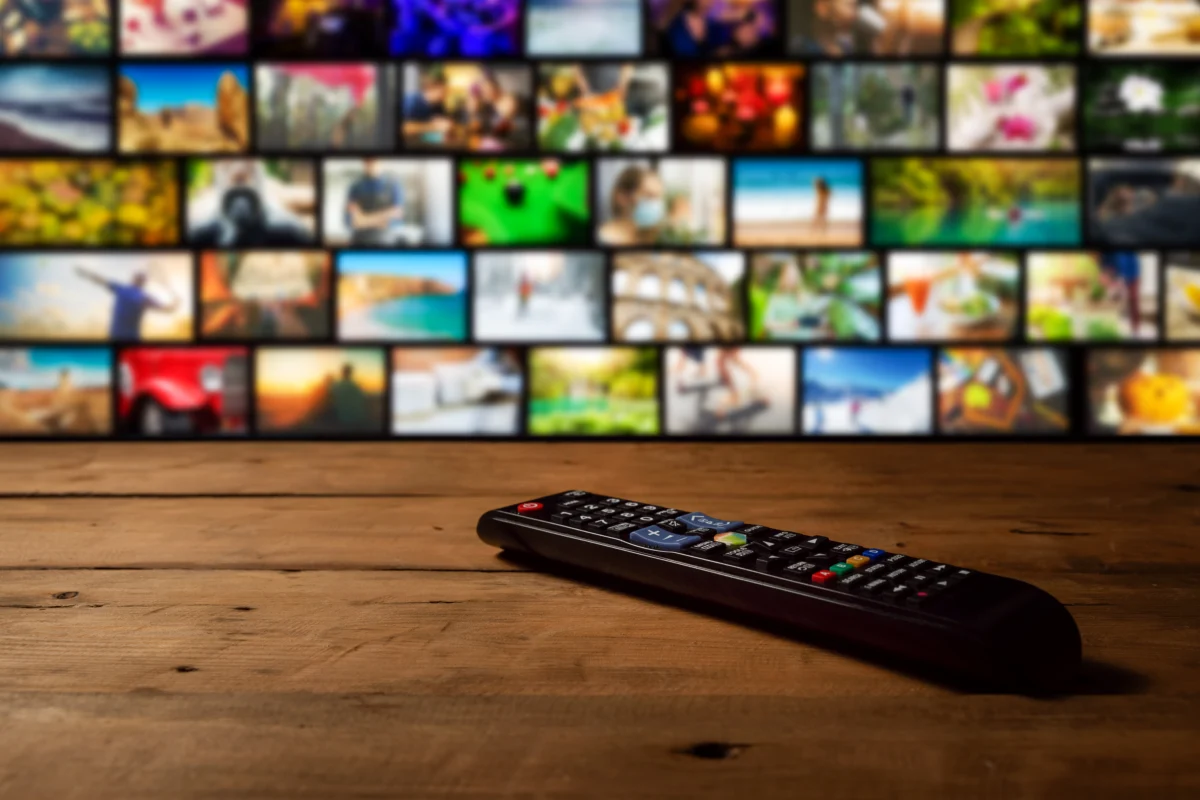
By Tech Insights Desk
June 28, 2026
For years, the experience has been universal: a viewer settles in to watch a quiet, atmospheric drama, only to be jolted from their seat by a commercial break that registers at a significantly higher decibel level. While broadcast and cable television have long been subject to federal regulations regarding "loud commercials," the streaming sector has existed in a regulatory grey area—until now.
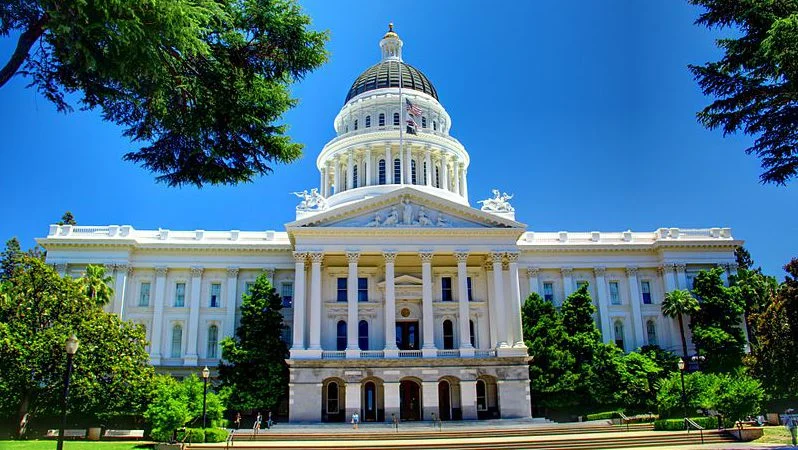
As of Wednesday, July 1, 2026, California will officially implement a landmark law that prohibits streaming services from airing advertisements that are louder than the primary video content they accompany. This legislative milestone marks a significant shift in the digital media landscape, bringing the "Wild West" of streaming audio levels under the purview of consumer protection standards.
The Regulatory Framework: A New Era for Streaming Audio
The legislation, which was signed into law in late 2025, effectively extends the spirit of the federal Commercial Advertisement Loudness Mitigation (CALM) Act of 2010 into the digital streaming era. While the CALM Act successfully reined in the jarring volume spikes common on traditional television networks, it left a massive loophole for internet-delivered content.
Under the new California statute, streaming platforms—including major players like Netflix, Hulu, Disney+, and Peacock—must ensure that the average volume of their advertisements is consistent with the audio profile of the programming. If a viewer is watching a program at a moderate volume, the sudden transition to a commercial break can no longer involve an artificial boost in gain or dynamic range compression designed to make the ad "pop" or sound more aggressive.
Chronology: From Legislative Draft to Enforcement
The path to this regulation was paved by years of consumer complaints and shifting viewing habits.
- Early 2024: Public frustration reaches a fever pitch as more streaming services transition to ad-supported tiers. Social media forums and consumer advocacy groups begin documenting consistent volume discrepancies between content and ads.
- October 2025: California Governor Gavin Newsom signs the bill into law, championed by State Senator Thomas Umberg. The legislation is hailed as a major victory for household sanity, specifically targeting the intrusive nature of modern digital advertising.
- Late 2025 – Early 2026: Streaming services enter a grace period to upgrade their audio-normalization algorithms. During this time, the Motion Picture Association of America (MPA) and the Streaming Innovation Alliance (SIA) engage in lobbying efforts, citing technical hurdles.
- June 28, 2026: With only days remaining until implementation, platforms remain tight-lipped about their specific technical solutions, though experts suggest widespread deployment of automated loudness-normalization tools is already underway.
- July 1, 2026: The law officially goes into effect across California, setting a precedent that is expected to influence national policy.
Supporting Data and The "Baby-to-Sleep" Factor
The driving force behind this legislation was not merely a desire for convenience, but a response to the psychological and physiological impact of "dynamic range abuse."
State Senator Thomas Umberg, the bill’s primary sponsor, famously summarized the motivation during the 2025 legislative session: "This is for every exhausted parent who has finally gotten a baby to sleep, only to have a blaring streaming ad undo all that hard work."
Data from acoustic research firms suggests that streaming ads often utilize aggressive compression techniques that reduce the dynamic range of an audio track, effectively making every sound within the ad hit the "ceiling" of the device’s output capacity. While this technique makes the audio sound "louder" without necessarily increasing the peak decibel level, it creates a harsh listening experience that feels significantly more intrusive than the nuanced audio design of high-end cinematic content.
Official Responses: Industry Friction vs. Consumer Advocacy
The reaction from the streaming industry has been one of cautious pushback. Trade organizations, including the Streaming Innovation Alliance, have argued that the regulation presents a technical minefield.

In official statements, industry representatives have noted that "streaming" is a fragmented ecosystem. Unlike a linear TV broadcast, where the signal is controlled from end-to-end, streaming content is consumed across an array of disparate hardware: smart TVs, budget tablets, high-end home theater systems, and smartphones. Each device handles audio processing differently, and the industry claims that forcing a uniform "loudness" standard could inadvertently degrade the audio quality of the ads themselves, leading to a "muffled" or "flat" experience.
Conversely, consumer advocacy groups have dismissed these concerns as stalling tactics. They argue that if broadcast networks—which also deal with a wide variety of hardware—can comply with the federal CALM Act, there is no technical reason why a multi-billion-dollar streaming infrastructure cannot implement similar, if not superior, automated audio leveling.
Implications: A National Domino Effect
While the law is currently enforceable only within the borders of California, the practical reality of modern digital infrastructure suggests that the impact will be felt nationwide.
1. The Illinois Precedent
The conversation is already shifting eastward. A similar bill is currently working its way through the Illinois legislature, with a projected effective date in 2027. Should Illinois join California in mandating volume parity, the streaming industry will effectively be forced to adopt a national standard. It is commercially inefficient for a global streaming service to maintain different audio-delivery pipelines for different states; thus, a "California-compliant" audio stream will likely become the default for all US users.
2. Technical Standardization
To comply with the new law, developers are expected to implement server-side audio normalization. This involves running all ad content through a "True Peak" and "Loudness Range" (LRA) analysis before it is served to the user. This ensures that the audio signal conforms to industry standards like ITU-R BS.1770, which is the gold standard for measuring audio loudness.
3. The Future of Ad Creative
Marketing agencies are also bracing for change. For years, the "loudness" of an ad was considered a key performance indicator (KPI) for grabbing attention. With that tool removed from their arsenal, creatives will be forced to rely on visual storytelling and compelling audio design rather than brute-force volume to capture the viewer’s attention. This could lead to a more sophisticated, less abrasive generation of digital advertising.
4. Regulatory Creep
Observers in the technology and media sectors are watching closely to see if this legislation serves as a blueprint for further regulation of streaming platforms. If states successfully regulate the audio experience, the door may open for legislation regarding ad frequency, the length of unskippable segments, or even the transparency of data-tracking practices within ad-supported tiers.
Conclusion
As the July 1 deadline approaches, the streaming industry finds itself at a crossroads. While the transition may be technically complex, the legislative trend is clear: the era of the "blaring commercial" is coming to a close.
For the average consumer, the change may be subtle, but the cumulative effect on the home viewing experience will be profound. By forcing the hand of the streaming giants, California has signaled that the comfort of the living room is a priority that outweighs the industry’s desire for aggressive, high-impact audio advertising. Whether this leads to a more harmonious viewing experience or simply a new set of technical challenges, one thing is certain: the volume is being turned down, and for many, that is a change long overdue.

 Laily UPN
 Azzam Bilal Chamdy