

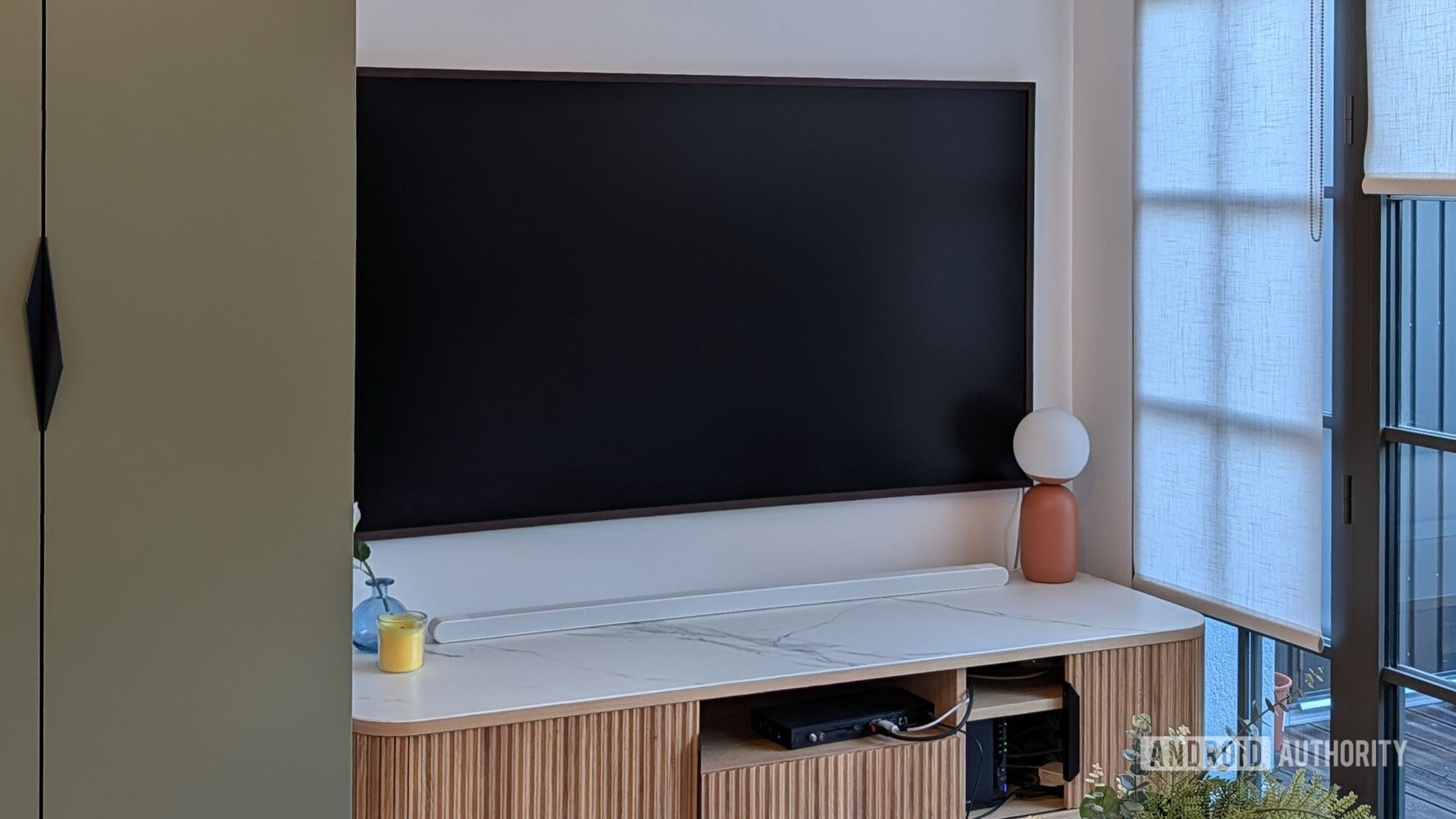
For decades, the television has been the undisputed anchor of the domestic living space. It is the "big black box"—a monolithic piece of hardware that, when powered off, dominates the room’s aesthetic, forcing homeowners to compromise between interior design and entertainment. However, as display technology evolves, a growing segment of consumers is beginning to question this status quo.
Recent personal experiences and shifting market trends suggest that we are at a tipping point. The era of the high-end, ultra-short-throw (UST) Google TV projector has arrived, offering a compelling alternative to the traditional flat-panel display. Whether it is the convenience of portability, the freedom of wall-agnostic installation, or the seamless integration of smart software, projectors are no longer just for home theaters; they are becoming legitimate, daily-driver replacements for the modern household.
Main Facts: The Rise of the Projector Ecosystem
The primary catalyst for this shift is the drastic improvement in projector technology. Once relegated to dimly lit basements or office conference rooms, modern projectors—specifically those featuring laser light sources and UST capabilities—can now produce vibrant, high-contrast images that compete with traditional panels in moderately lit rooms.
Key to this evolution is the integration of robust operating systems. Platforms like Google TV have become nearly universal in the portable and UST projector market. Brands such as XGIMI, Dangbei, Epson, and TCL are embedding full-featured smart TV experiences directly into their hardware. This eliminates the "streaming stick" clutter, consolidating the display, sound, audio processing, and smart hub into a single, cohesive unit.
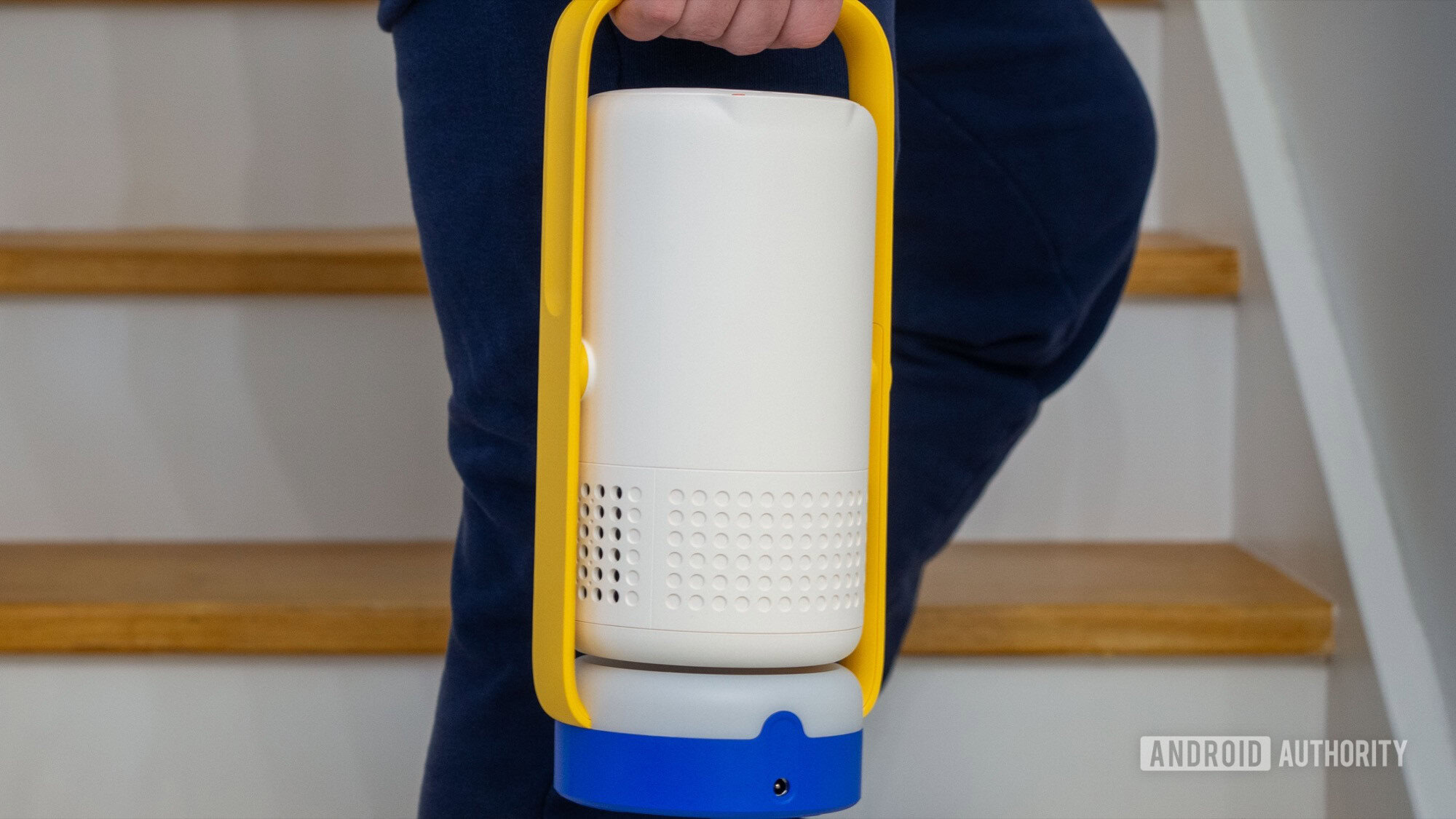
The core appeal is simple: Versatility. A television is a fixed, static object. A projector, particularly a portable one, is a dynamic tool. It can be moved from a living room wall to a kitchen cabinet, a bedroom ceiling, or even an outdoor patio. It is a device that adapts to the home, rather than forcing the home to adapt to it.
Chronology: From Niche Gadget to Mainstream Contender
- 2019: The launch of portable, battery-powered projectors like the XGIMI MoGo Pro signaled a shift. These devices proved that consumers wanted the ability to take their entertainment anywhere, bridging the gap between a mobile tablet and a stationary TV.
- 2021-2023: As Google TV matured, manufacturers began moving away from fragmented, proprietary operating systems. This standardization allowed for a "plug-and-play" experience that mirrored the ease of use found on high-end smart TVs.
- 2024-2025: The "Ultra-Short-Throw" (UST) revolution began to take hold. By placing a projector inches away from the wall, manufacturers solved the "walking in front of the beam" issue that had plagued front-projection systems for years.
- 2026: Current market data indicates a surge in interest for "lifestyle" projectors. Users are increasingly opting for projectors that offer aesthetic appeal, leading to a decline in demand for bulky, wall-mounted traditional panels in design-conscious households.
Supporting Data: Why Consumers Are Pivoting
The argument against the traditional television is often rooted in the physical and software limitations of the hardware.
The Aesthetic Dilemma
Even high-end "lifestyle" TVs, like the Samsung Frame series, promise to disguise themselves as art. However, real-world application often falls short. Many users find themselves disabling "Art Mode" due to lackluster software performance or the desire to avoid the "big black box" aesthetic that inevitably returns when the screen is powered down. In contrast, a projector requires no wall space when not in use. It can be tucked onto a media console, or paired with a drop-down screen that vanishes into the ceiling.
The Installation Headache
Installing a 65-inch or 75-inch television is an ordeal. It requires heavy-duty wall mounts, precise drilling, and complex cable management solutions to hide power and HDMI cords. Furthermore, if a display panel fails, the process of unmounting and transporting a large TV for repairs is a logistical nightmare. Projectors, which typically weigh under 10kg, offer a modular, user-friendly alternative. They require no drilling, no cable concealment, and no fear of damaging a massive glass panel during a simple move to another room.
Scaling the Experience
TVs are locked to a specific physical dimension. A 65-inch TV is always 65 inches. A projector, however, offers variable scaling. By adjusting the distance from the wall, a user can shift from a 70-inch display for casual viewing to a 100-inch-plus cinematic experience for movies, all without buying a new device.
Official Responses and Industry Outlook
While manufacturers like Samsung, LG, and Sony continue to dominate the premium TV market, they are quietly watching the projector segment. Industry analysts note that while traditional OLED and QLED panels maintain a lead in peak brightness and absolute contrast ratios, the projector market is winning in the "convenience and adaptability" category.
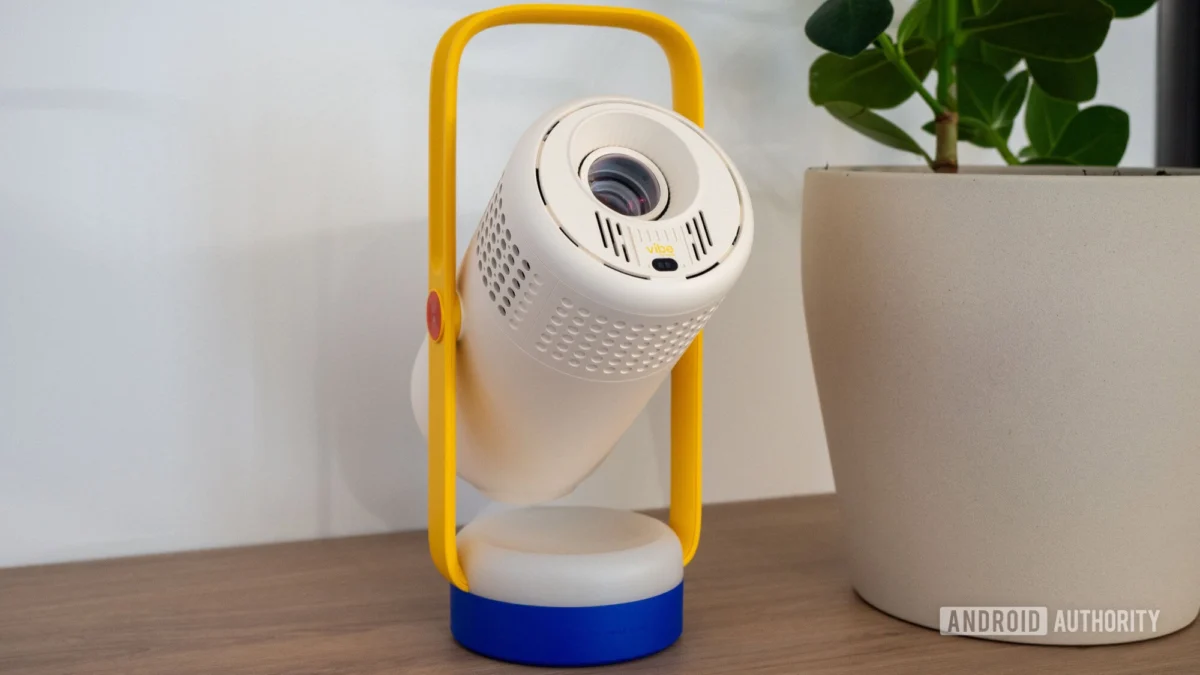
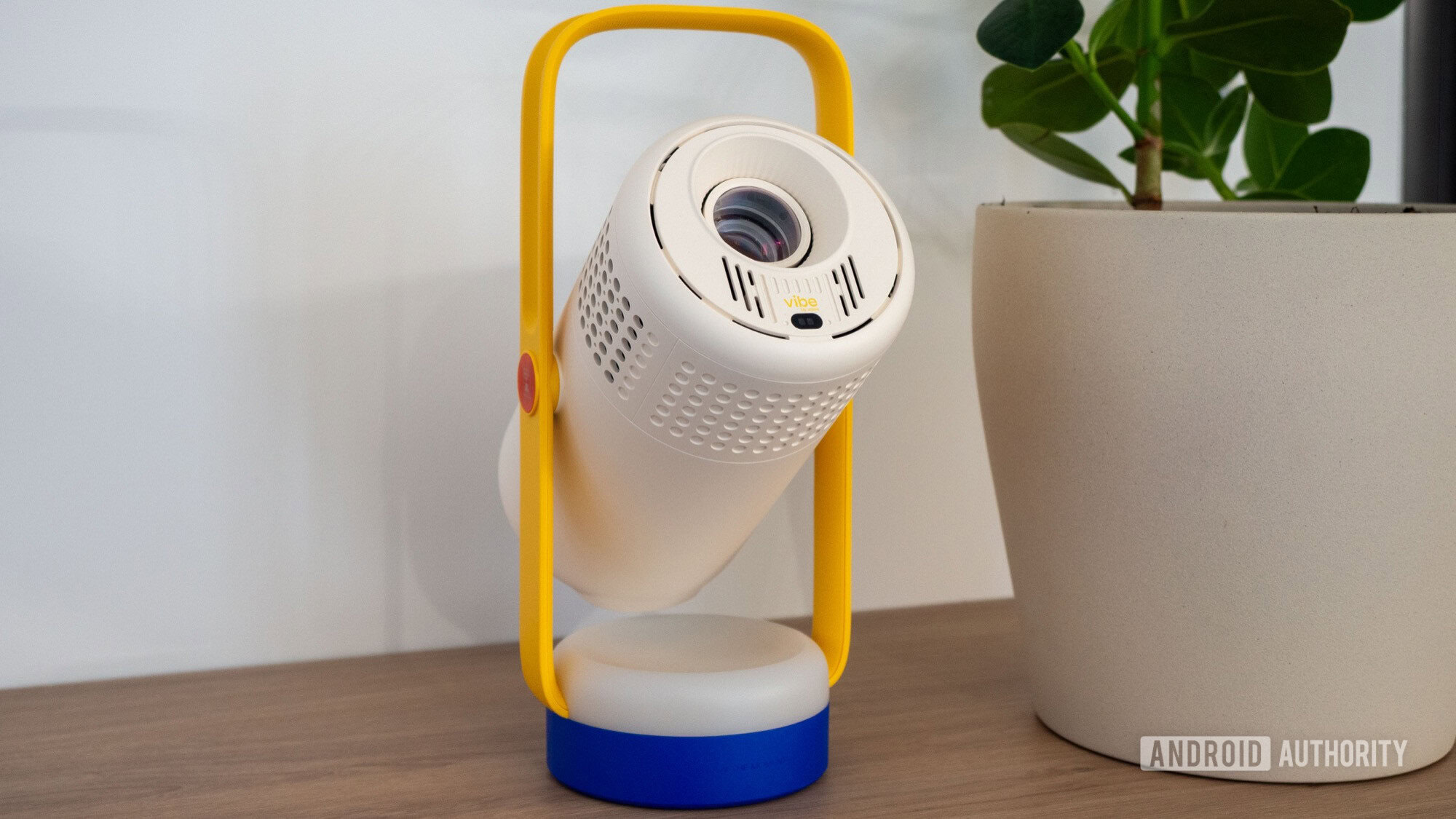
Manufacturers have responded to the "dealbreakers"—namely fan noise and ambient light issues—by focusing on improved thermal management and high-lumen output lasers. New models, such as the XGIMI Vibe One and the BenQ GV series, are designed specifically to operate in rooms that aren’t perfectly dark. The consensus among reviewers is that while a high-end OLED remains the gold standard for a dedicated "dark room" theater, the modern projector has surpassed the "good enough" threshold for general, everyday use.
Implications: The Future of Home Entertainment
What does this mean for the future of the living room? The implication is that we are moving toward a more decentralized model of home entertainment.
A Shift in Power
The reliance on a single, fixed, and expensive television is decreasing. Families are finding that a single high-quality projector can serve as a "floating" entertainment hub. The ability to move the screen to wherever the family is gathering—whether that is the kitchen, the garden, or the bedroom—is a fundamental shift in how we consume media.
Integration with Smart Homes
With the deep integration of Google Home, a projector is no longer a peripheral; it is a smart hub. Features like on-screen smart home dashboards and native support for casting allow the projector to act as the brain of the room. As more consumers adopt smart home ecosystems, the projector’s role as an interactive, connected display becomes even more vital.
Environmental and Economic Considerations
There is also an economic argument to be made. Projectors represent a lower long-term cost for those who move frequently. A renter, for instance, cannot easily install a 75-inch TV in every apartment. A projector, however, travels with the user, ensuring that their investment is not tied to a specific wall or room layout.
Conclusion: Is the TV Dead?
The death of the television has been predicted for years, yet it persists. However, it is no longer the only option. For the modern consumer, the choice between a new TV and a new projector is no longer about which one has a better screen; it is about which device fits the lifestyle of the owner.
If you value the absolute best contrast and brightness in a controlled environment, the traditional panel remains king. But if you value flexibility, aesthetic freedom, and the ability to take your theater with you, the projector is the clear winner. As technology continues to close the gap in image quality, the "big black box" on the wall may soon become a relic of the past, replaced by the silent, unobtrusive, and endlessly adaptable power of light.











