Nana
Nana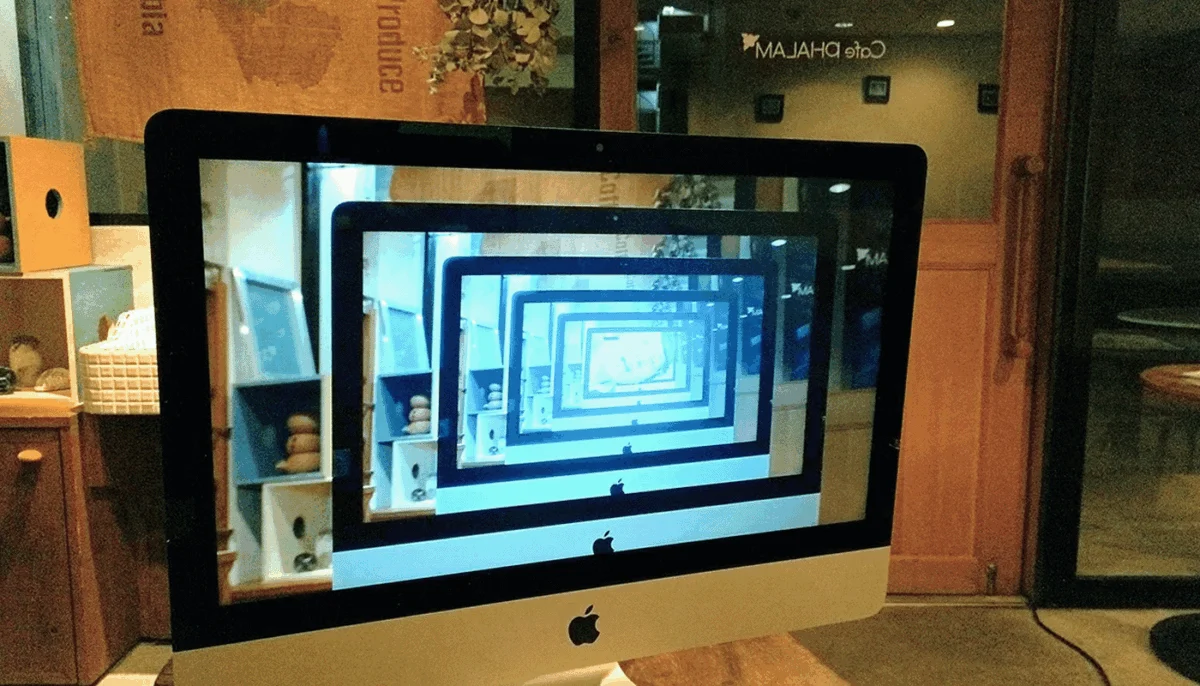
In the landscape of modern science fiction, where bloated budgets and CGI-heavy spectacles often define the genre, the 2020 Japanese micro-budget gem Beyond the Infinite Two Minutes (Japanese: Droste no Hate de Bokura) stands as a testament to the power of pure, unadulterated creativity. Directed by Junta Yamaguchi and written by Makoto Ueda, this 70-minute marvel proves that when a story is anchored in a tight, clever premise, a production does not need millions of dollars—or even a large crew—to leave an indelible mark on its audience.
Main Facts: The Anatomy of a Paradox
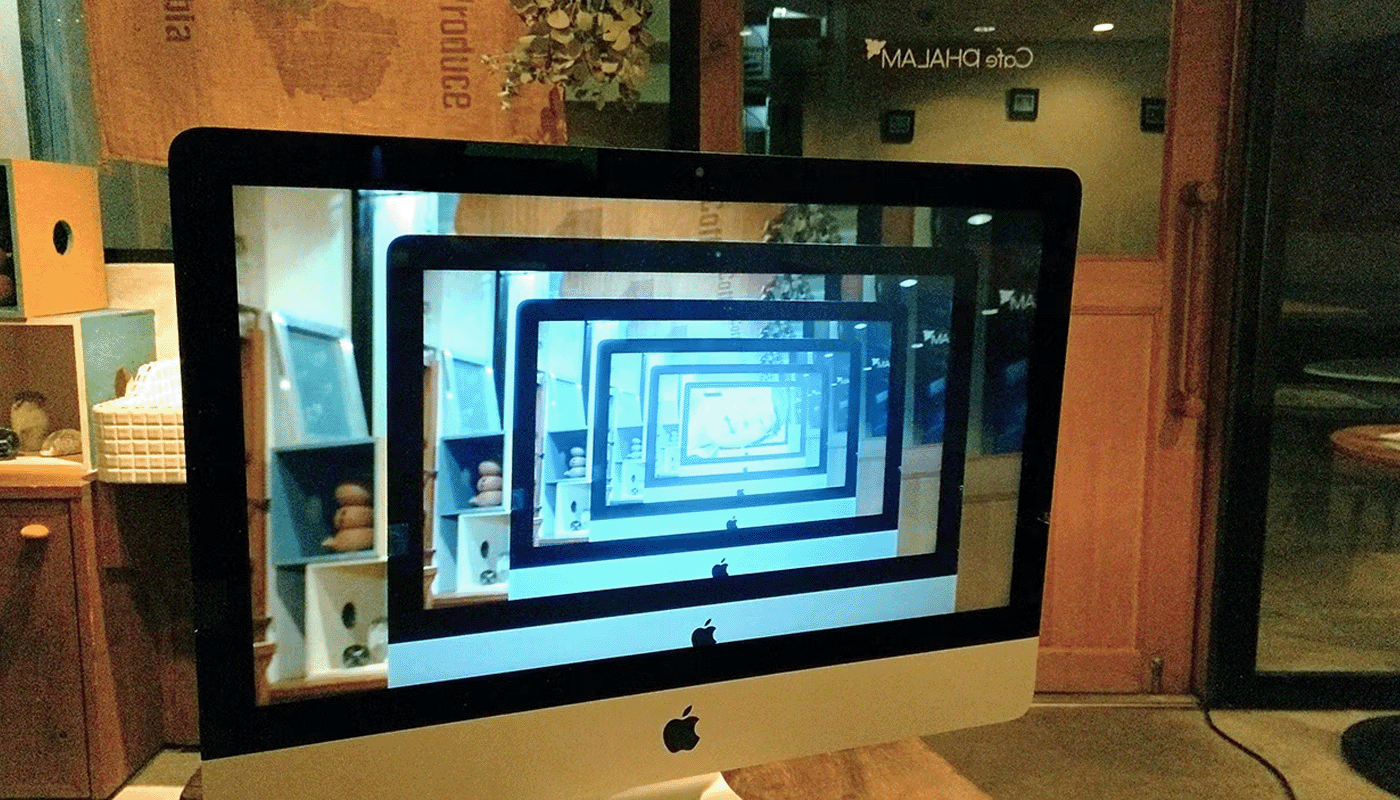
The film follows Kato (Kazunari Tosa), a modest café owner in Kyoto who discovers an unsettling anomaly after his shift: his computer monitor at work is inexplicably displaying a live feed of his own apartment, located just upstairs. The catch? The feed is delayed by exactly two minutes, effectively allowing him to see into the immediate future.
What follows is not a high-stakes thriller, but a charming, frantic exploration of human curiosity. As Kato’s café staff and friends—Aya (Riko Fujitani), Komiya (Gōta Ishida), Tanabe (Masashi Suwa), and Ozawa (Yoshifumi Sakai)—discover the "Time TV," they immediately attempt to leverage the technology for personal gain. The film’s title derives from the "Droste effect," a recursive visual phenomenon where an image appears within itself, much like the iconic 1904 Droste cocoa tin advertisement. By placing the two computers face-to-face, the characters create an infinite loop of time, allowing them to peer further and further into the future.
The film is produced by the renowned Kyoto-based theater troupe Europe Kikaku, an ensemble founded at Doshisha University in 1998. Known for their whimsical, reality-bending stage plays, the troupe brought their signature kinetic energy and comedic timing to the screen. The entire production was completed in just seven days for a modest budget of roughly ¥3 million (approximately $18,000 USD).
Chronology: A Race Against Time
The production history of Beyond the Infinite Two Minutes is as compressed and efficient as its narrative. Writer Makoto Ueda had been gestating the concept for years, waiting for the right conditions to execute the project. The film’s "real-time" aesthetic, which makes it appear as one continuous, unbroken shot, was a deliberate stylistic choice designed to immerse the viewer in the characters’ panic and realization.
Filming took place in a café frequented by the troupe members, lending an air of authenticity to the performances. Given the nature of the "one-take" illusion, the cast and crew operated under grueling technical constraints. Director Junta Yamaguchi, who also served as the cinematographer and editor, utilized a lightweight, handheld setup—often mounting an iPhone to a small gimbal—to maneuver through the tight spaces of the café and the staircase connecting it to the apartment.
The film premiered during the COVID-19 pandemic, originally screening for an audience of only twelve people in a small Tokyo venue. However, its viral word-of-mouth success caught the attention of Toho Cinemas, which facilitated a wider release. It has since become a staple of international film festivals, cementing its status as a cult classic of low-budget, high-concept cinema.
Supporting Data: The Technical Wizardry
The film’s "single-take" look is a brilliant sleight of hand. It is, in reality, a series of carefully edited sequences designed to mask the cuts. This technique invites comparison to major Hollywood productions like Alejandro G. Iñárritu’s Birdman (2014) or Sam Mendes’ 1917 (2019). However, whereas those films utilize massive budgets to maintain the illusion, Beyond the Infinite Two Minutes relies on meticulous choreography.
Yamaguchi has noted in interviews that the two-minute time delay depicted in the film had to be mathematically and rhythmically perfect. "Everything, from the camera movement to the actors, had to be very precise," Yamaguchi explained. The cast had to rehearse the timing of their dialogue and physical movements to match the "future" footage displayed on the monitors, creating a complex, multi-layered choreography that would be impressive in a stage play, let alone a feature film.
The film serves as a spiritual successor to the 2017 hit One Cut of the Dead, another low-budget Japanese meta-commentary that transformed a chaotic production process into a coherent and deeply funny narrative. Both films demonstrate that the constraints of a small budget can often lead to superior, more innovative storytelling compared to "blockbuster" counterparts.
Official Responses and Critical Reception
Critics worldwide have lauded the film for its "timey-wimey" efficiency. It avoids the heavy-handed exposition that plagues many time-travel narratives, opting instead for a "show, don’t tell" approach that respects the audience’s intelligence. The characters are genre-savvy, recognizing the risks of paradoxes and the temptation of using the future to manipulate the present.
The film’s refusal to escalate into a global catastrophe is perhaps its most refreshing attribute. Instead of an end-of-the-world scenario, the tension is resolved through character growth and the simple, human realization that we are not slaves to our future selves. When the characters finally ask, "Can’t we just… not do that?" it marks a shift from passive observation to active agency.
Implications: The Future of High-Concept Indie Film
The success of Beyond the Infinite Two Minutes has significant implications for the future of independent cinema. It validates the "Europe Kikaku model": small, tight-knit troupes with a background in live theater can effectively bridge the gap between stage and screen, creating films that are inexpensive to produce but rich in intellectual and comedic value.
Following this success, the team reunited for River (2023), which applies a similar time-loop premise to a group of people stuck at a ryokan (traditional inn). The consistent quality of these projects suggests that this team has found a sustainable formula for high-concept, low-budget success.
A Note on the "Machine" Mindset
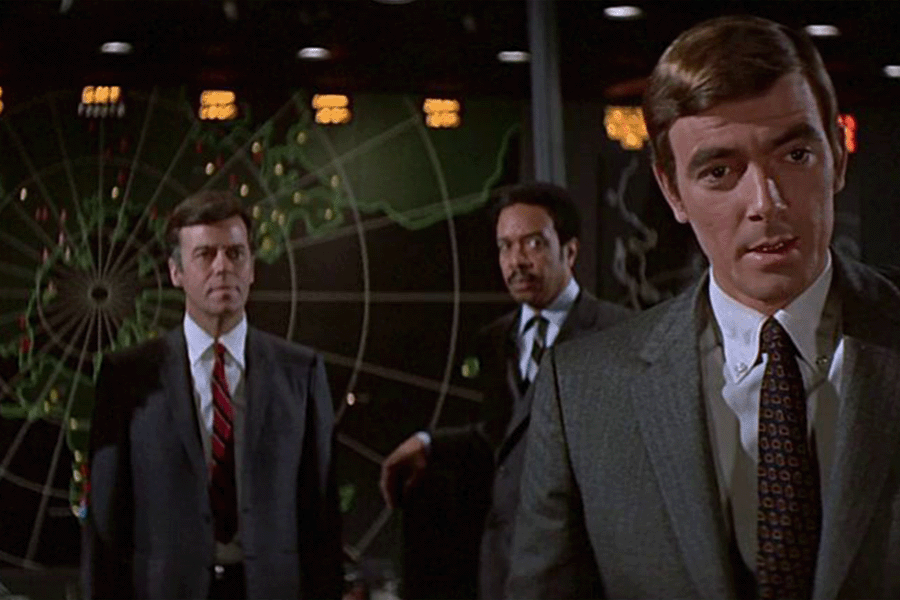
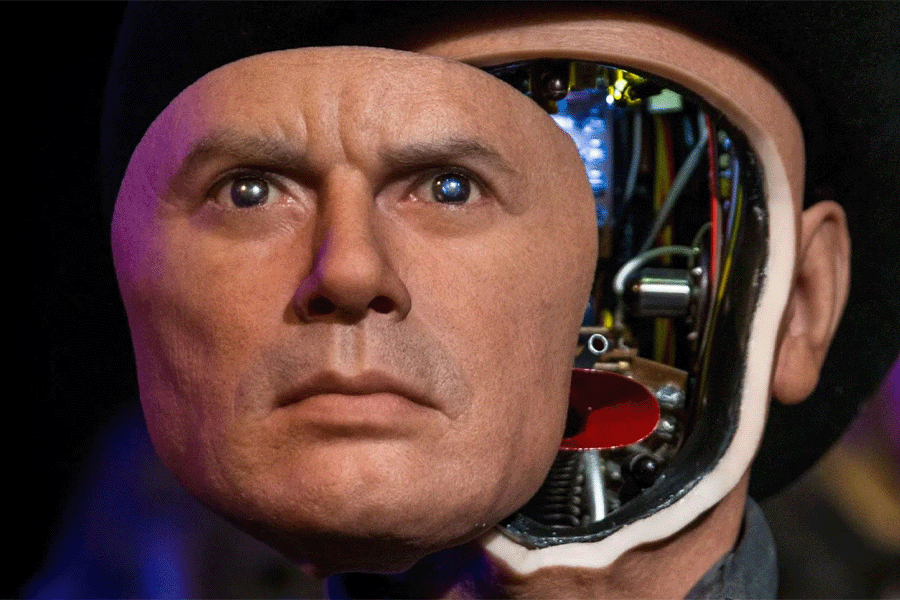
As we look forward to our July programming at the Science Fiction Film Club, we are shifting our focus to the darker side of technology. While Beyond the Infinite Two Minutes uses technology as a catalyst for play and personal connection, the films slated for July—Colossus: The Forbin Project (1970), Westworld (1973), Zardoz (1974), and The Terminator (1984)—explore the more ominous potential of artificial intelligence and automated systems.
These films represent a shift in the human perspective regarding technology. If our computers can show us the future, as they do for Kato, we might be tempted to trust them with our lives. But as these four classic cautionary tales will illustrate, handing over the reins to our machines often leads to scenarios that are far less charming than a two-minute loop in a Kyoto café.
July Schedule:
- July 8: Colossus: The Forbin Project (1970) – When machines decide the fate of nations.
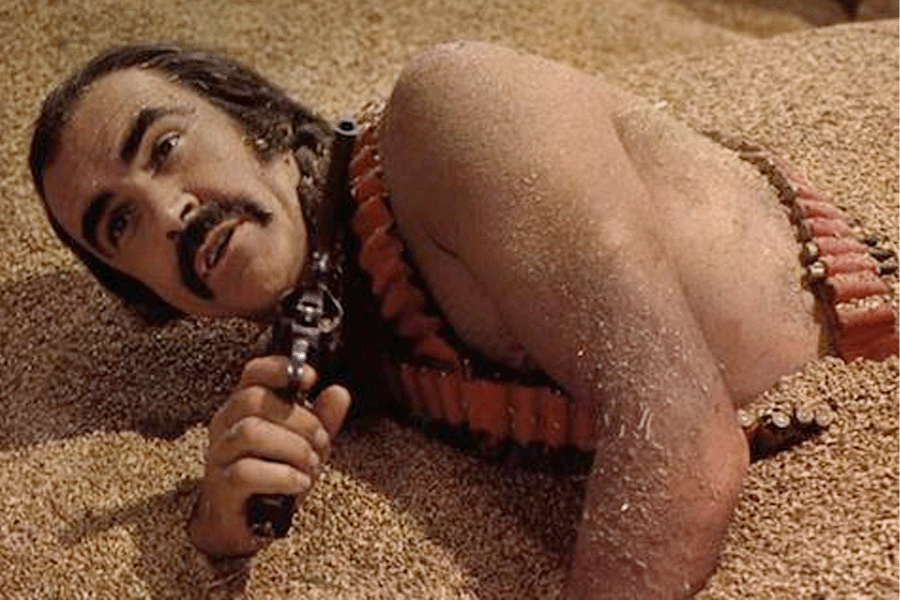
- July 15: Westworld (1973) – The perils of corporate-driven, hyper-realistic technology.
- July 22: Zardoz (1974) – The existential weight of machine-controlled immortality.
- July 29: The Terminator (1984) – A definitive reminder that sometimes, the machine simply cannot be reasoned with.
Ultimately, whether we are using a computer to peek two minutes into the future or allowing one to manage our nuclear arsenal, the question remains the same: Does technology serve us, or are we simply the ones caught in the loop?
For now, I recommend everyone revisit Beyond the Infinite Two Minutes. It is a reminder that even when faced with the infinite, the most important thing to do is order a cup of coffee, sit down with your friends, and decide, for once, to ignore what the screen tells you to do. Life is far more interesting when you create the future yourself, rather than simply watching it arrive on a monitor.

 Raul Delapena Setiawan
 Laily UPN