Reynand Wu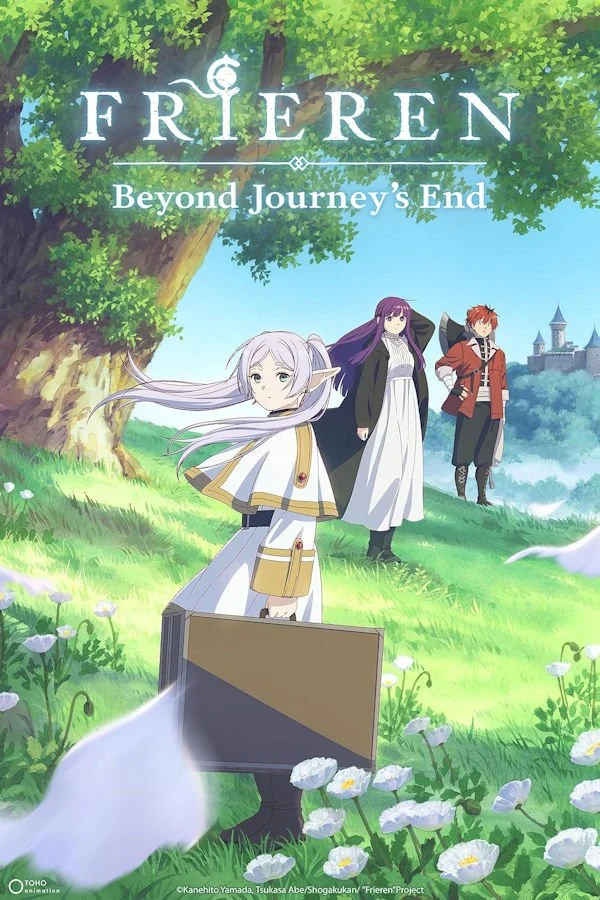
For decades, the "cute girls doing cute things" (CGDCT) subgenre has served as a reliable staple of the anime and manga landscape. Whether these characters are forming high school rock bands, embarking on whimsical travelogues, or navigating the social complexities of adult life over drinks, they have long functioned as the industry’s most accessible gateway. These narratives are often meticulously designed—stylized for maximum aesthetic appeal and framed through the lenses of shojo (targeted at teen girls) or shonen (targeted at teen boys). However, a seismic shift is occurring in the way audiences consume fantasy, moving away from the grim, high-stakes political maneuvering of the late 2010s toward something more contemplative, artistic, and inherently "cozy."
At the center of this movement is Witch Hat Atelier, a title that defies easy categorization and is rapidly ascending to the status of a modern classic.
The Genesis of an Enchanted World: A Chronology of Magic
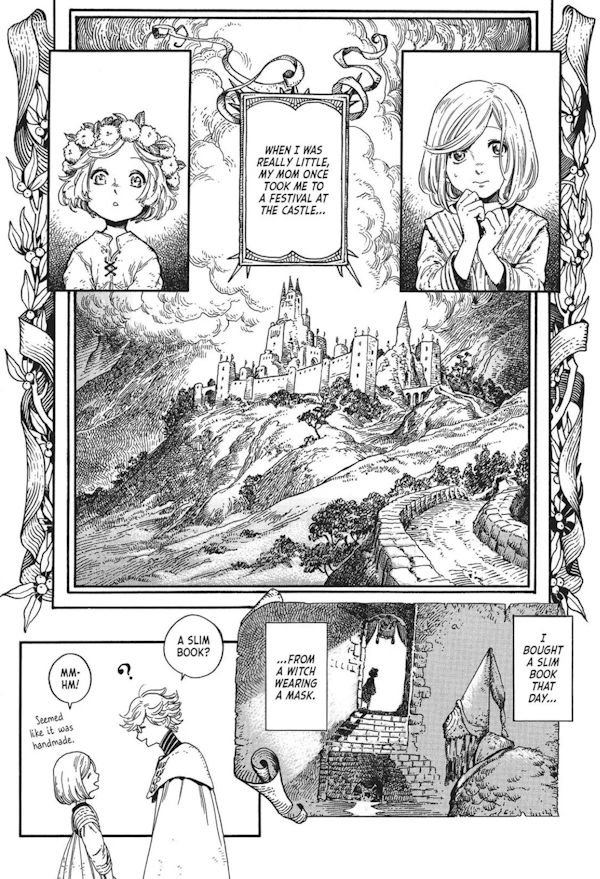
The narrative of Witch Hat Atelier begins in a quiet, pastoral setting, centering on Coco, a young girl with a heart full of aspiration. Coco is a dressmaker’s daughter, but her true passion has always been magic. Her fascination was ignited in early childhood during a chance encounter with a masked witch, from whom she purchased a mysterious book of symbols.
The catalyst for the story occurs when a tall, enigmatic witch named Qifrey visits Coco’s home seeking fabric. Following a magical accident involving a carriage, Coco witnesses a secret: magic is not an innate talent, but a craft involving the precise drawing of complex sigils. Driven by an innocent, unchecked curiosity, Coco attempts to replicate a spell from her long-treasured book. The result is catastrophic: she inadvertently triggers a forbidden enchantment that encases her home—and her mother—in a massive, time-frozen crystal.
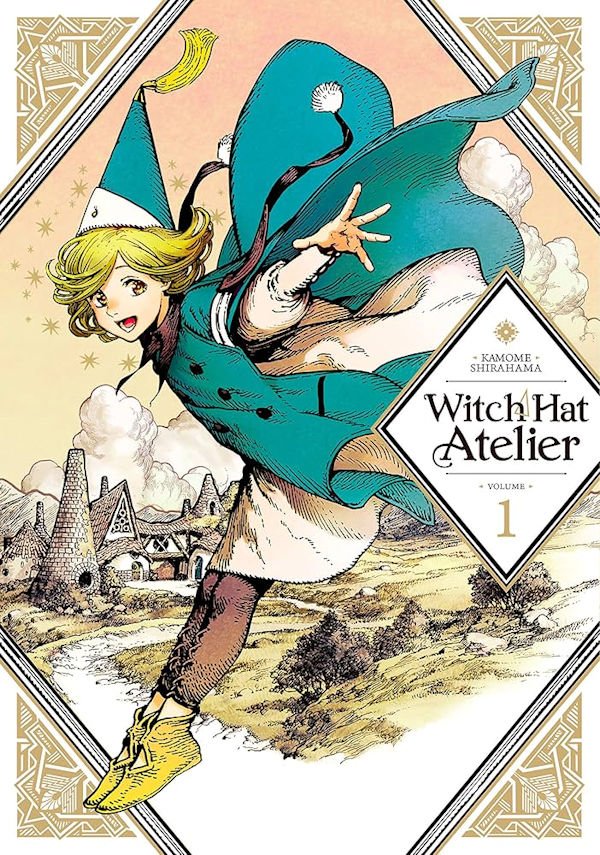
Rescued by Qifrey, Coco is whisked away to his atelier to begin her training. What follows is a journey of discovery as she joins a cohort of young apprentices: the vivacious Tetia, the introverted Richeh, and the fiercely guarded, skeptical Agott. As Coco navigates the social hierarchies of the magical world, she becomes entangled in a dangerous hunt for the "Brimmed Caps"—rebellious magicians who defy the established order.
The Seinen Paradox: Why Genre Labels Are Fading
While Witch Hat Atelier features a cast of young girls and a setting that feels ripe for a shojo adventure, it is published in a seinen magazine. Historically, seinen is intended for an older male demographic, often leaning toward visceral action or complex psychological thrillers.
The fact that Witch Hat Atelier thrives in this space is a testament to the blurring lines of modern manga distribution. Creators are increasingly prioritizing the story’s vision over the constraints of a magazine’s traditional target audience. Witch Hat Atelier utilizes the "cute" aesthetic not as a trope-heavy crutch, but as a visual language to contrast against the series’ underlying darker, more mature themes. As the series progresses, the "cozy" atmosphere serves as a thin veil over questions of morality, the cost of power, and the corrupting nature of obsession—themes that resonate far beyond the "tween" demographic.
Supporting Data: The New "Fantasy Big Three"
The meteoric rise of Witch Hat Atelier is not an isolated phenomenon. It occupies a pivotal position in what critics are now calling the "New Fantasy Big Three," alongside Frieren: Beyond Journey’s End (2023–present) and Delicious in Dungeon (2024–present).
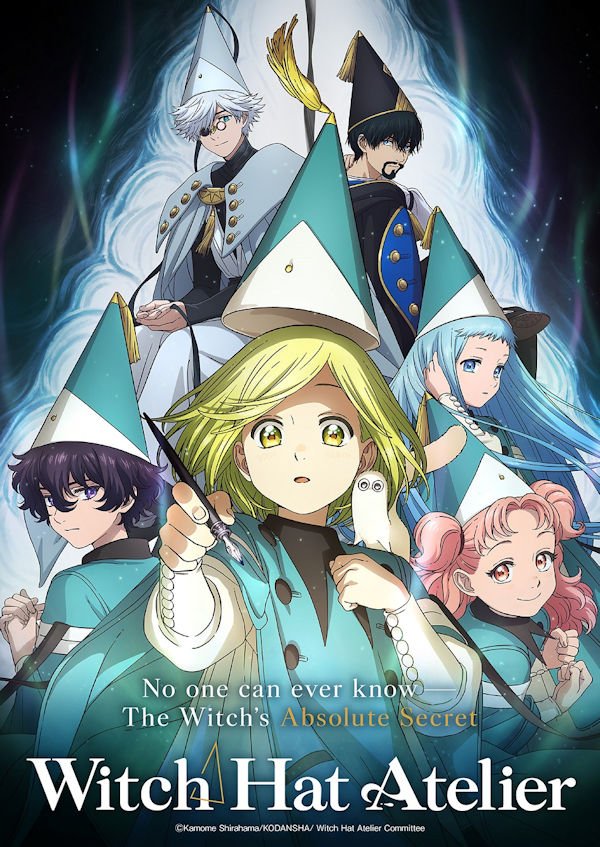
This modern triumvirate represents a clear departure from the "Original Big Three"—Naruto, Bleach, and One Piece—which focused on escalating power levels and traditional combat-oriented shonen narratives. The New Big Three instead prioritize world-building, character-driven introspection, and a refined sense of "cozy" stakes.
| Series | Primary Theme | Tone |
|---|---|---|
| Frieren | Legacy & Time | Melancholic/Philosophical |
| Delicious in Dungeon | Survival & Ecosystems | Adventurous/Comedic |
| Witch Hat Atelier | Craft & Responsibility | Wonder-filled/Mysterious |
The success of these titles suggests that the global audience, once dominated by the dark, nihilistic tone of shows like Game of Thrones, is experiencing a "comfort craving." The rise of the "Romantasy" genre in Western literature, exemplified by authors like T. J. Klune and Travis Baldree, mirrors this anime trend. Readers and viewers are actively seeking stories that provide emotional sanctuary without sacrificing narrative depth.
Official Perspectives and Creator Intent
Kamome Shirahama, the visionary behind Witch Hat Atelier, has consistently demonstrated a commitment to "slow-burn" storytelling. In interviews and post-chapter commentaries, Shirahama has expressed a lack of interest in the "crunch" of plot-driven pacing. Instead, she emphasizes the beauty of the craft.
The magical system in Witch Hat Atelier is one of the most unique in modern fantasy. By framing magic as a form of calligraphy—where every stroke of the pen must be perfect—Shirahama mirrors the act of drawing manga itself. The animation, which renders these spells with breathtaking fluidity, reinforces the idea that magic is a miracle of artistic labor. This "metatextual" layer—the art of drawing magic to create magic—has captivated audiences who appreciate the technical brilliance behind the paneling.
Furthermore, critics have drawn frequent comparisons between Qifrey and Gojo Satoru from Jujutsu Kaisen. While both serve as mentor figures with immense power and hidden agendas, Qifrey represents a more nuanced character archetype: a man whose obsession with vengeance is constantly tempered by the gentle, optimistic influence of his students.
Implications: The Future of Fantasy Consumption
The cultural impact of Witch Hat Atelier and its peers is profound. For years, the barrier to entry for anime was perceived to be high, with many viewers intimidated by the genre’s reputation for excessive violence or fan-service tropes. This new wave of fantasy provides a "gentle" point of entry.
- Normalization of "Cozy" Stakes: The success of these titles proves that a story does not need to threaten the end of the world to be compelling. The stakes in Witch Hat Atelier are deeply personal—a daughter trying to save her mother—which creates a stronger emotional tether than a generic "save the world" plot.
- Visual Literacy: The aesthetic of these shows has forced a change in the industry. Production houses are investing more heavily in "painterly" animation styles, moving away from standard digital flat colors toward textures that mimic watercolors and ink washes.
- Broadening Demographics: By successfully navigating the space between shojo and seinen, these shows are effectively expanding their reach. They are proving that a show about "girls doing magic" can be a sophisticated, multi-layered experience for adults.
Conclusion: A Call to the Uninitiated
As we look toward the future of the genre, the legacy of the "New Big Three" is already cemented. We are living in an era where fantasy is moving away from the cold, clinical darkness that dominated the 2010s and toward a more humanist approach.
If you have been hesitant to dive into the world of anime, Witch Hat Atelier is the perfect place to start. It asks for nothing more than your patience and your sense of wonder. Whether you are drawn in by the intricate art, the fascinating mechanics of the world, or the simple, moving story of a girl who just wants to learn, this series offers a rare, magical experience that is as rewarding as it is beautiful. It is time to pick up the staff and join the atelier—the magic is waiting.

 Ali Ikhwan
 Laily UPN