Azzam Bilal Chamdy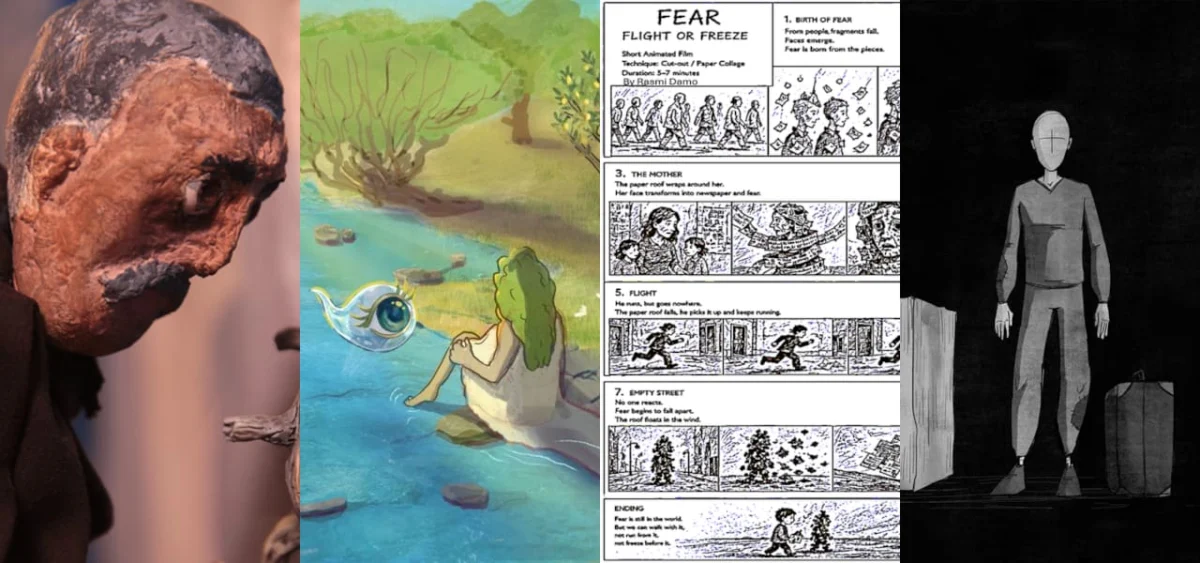
By [Your Name/Journalist Name]
The Annecy International Animation Film Festival has long served as the global industry’s barometer for creative innovation and cultural storytelling. However, the 2026 edition of the festival—and specifically the MIFA (Marché International du Film d’Animation) market—witnessed a particularly poignant and historic turning point. While the marketplace is typically dominated by high-budget studio acquisitions and established franchises, this year provided a dedicated platform for a burgeoning collective of Palestinian animators.
In a session that transcended the typical business-of-film dynamics, Palestinian creators were given the spotlight to pitch their early-stage projects. The atmosphere was one of profound emotional weight, framed by the resilience of a community navigating both the trauma of history and the aspiration of artistic expression.
The Context: A Historic Showcase at MIFA
The panel, hosted by filmmaker Mats Grorud, was far from a routine pitching event. As Grorud took the stage, the gravity of the occasion was immediate. "It’s already a historic day just to be here at MIFA representing Palestine," Grorud told the audience. "Already my head is spinning, and tears are filling my eyes, but I’ll try my best to stand in front of you and represent these beautiful projects we found in less than a year."
The initiative behind this showcase began as a concerted effort to unify the Palestinian animation diaspora. By bridging the gap between local creators and international financiers, the organizers aimed to provide a pathway for stories that have historically been sidelined by mainstream Western production houses. While the projects presented are currently in the scriptwriting or early storyboarding phases, their presence at Annecy signals a growing movement to claim space in the global animation landscape.
Spotlight on Four Pivotal Projects
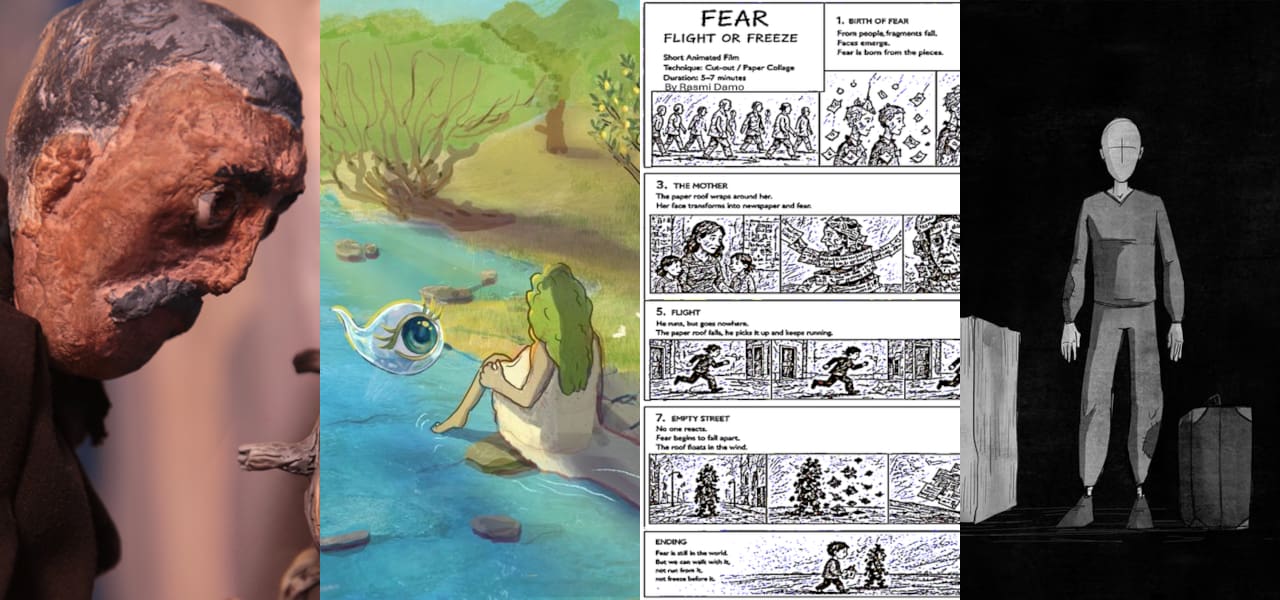
The showcase featured four distinct works, each utilizing different animation techniques—from stop-motion to 2D—to process the complexities of Palestinian identity, memory, and resistance.
.png)
1. Milad, The Birth of Walid
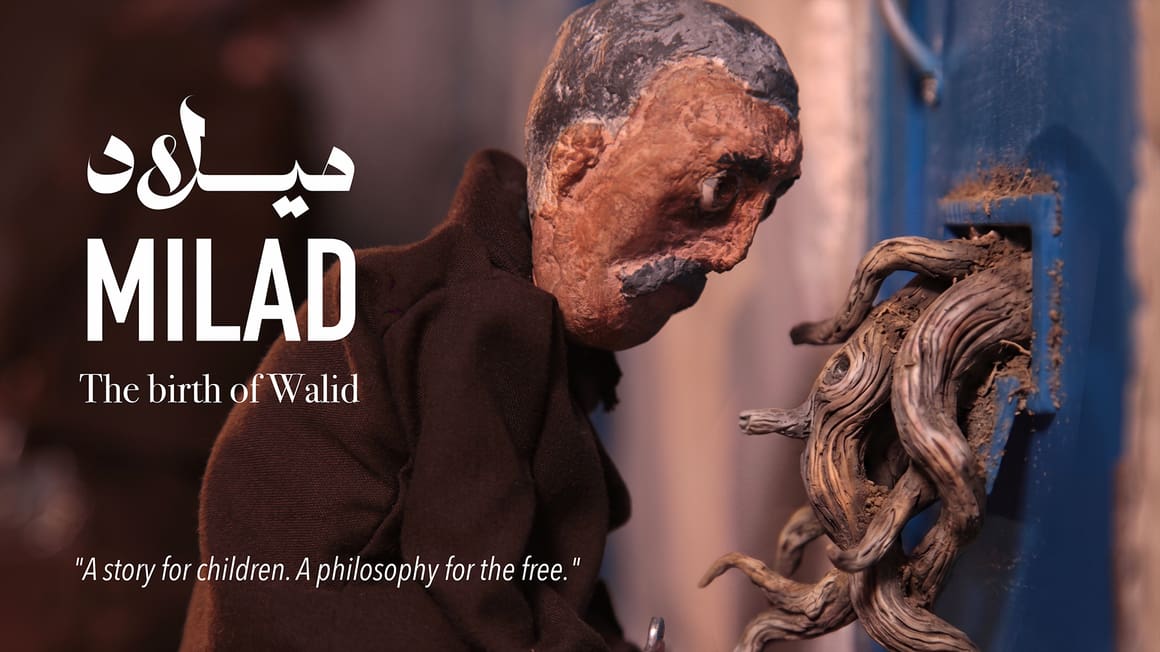
Directed by Ahmad Saleh and Basel Nasr, this feature film is perhaps the most ambitious of the quartet. The story centers on the life of Walid Daqqa, the late Palestinian novelist who endured 38 years in Israeli prisons, becoming one of the longest-held prisoners in the region’s history.
Rather than a dry biopic, Saleh and Grorud have opted for the language of magical realism. By introducing an ancient olive tree and forest animals as companions during Daqqa’s isolation, the film aims to make a harrowing reality accessible to younger audiences. The narrative hinges on "seven wish-granting seeds" found within the tree. "The tree tells them that the seeds carry a secret," Grorud explained during the pitch. "Use them with a good and pure heart, and they will guide you to the real meaning of freedom." The project, which utilizes stop-motion, seeks to weave factual history with folklore to explore how Daqqa managed to maintain family ties and human connection despite his imprisonment.
2. Riverkeepers
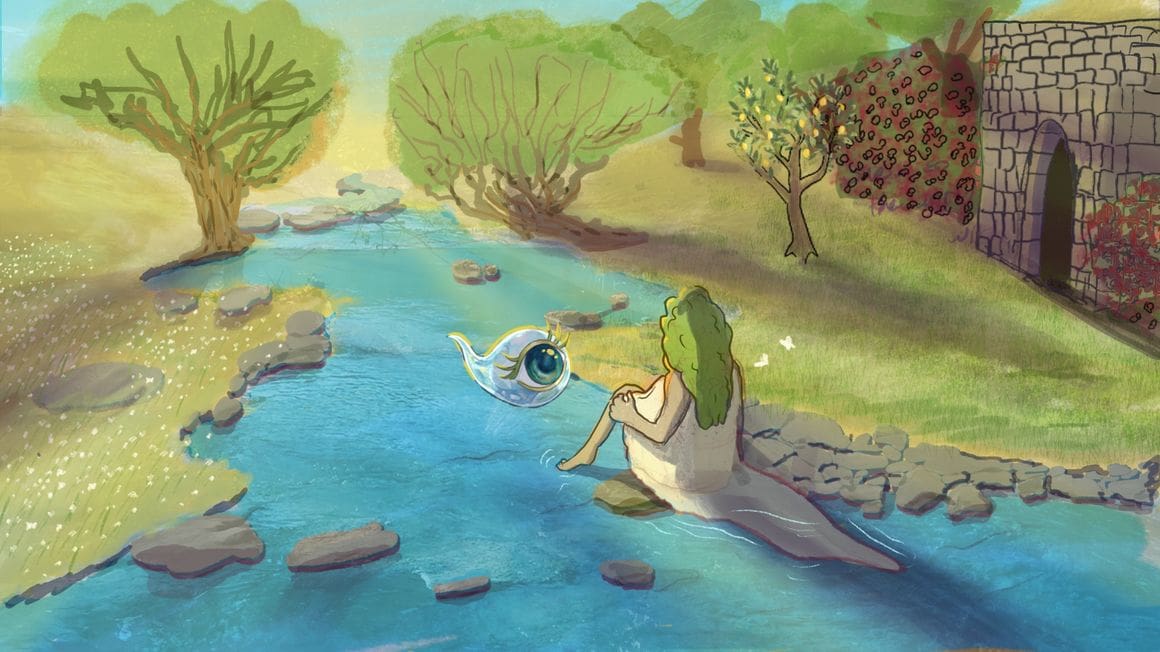
Director Dana Durr, who previously garnered attention for her 2020 short Mariam, brings a different perspective to the table. Currently an educator at Birzeit University—which recently launched its first-ever animation curriculum—Durr’s Riverkeepers is a 2D fantasy adventure.
The film follows two star-crossed friends, Manor and Khaled, living in rival villages. The central conflict ignites when the water sources across their land vanish overnight. The narrative serves as an allegory for identity and displacement. "It’s about finding your identity even after losing your paradise," Durr stated. "Somehow, you find it inside your family or ancestors." By rooting the story in the cultural association of water as a feminine, sacred spirit, the film elevates a regional environmental anxiety into a universal tale of survival and heritage.
3. 194
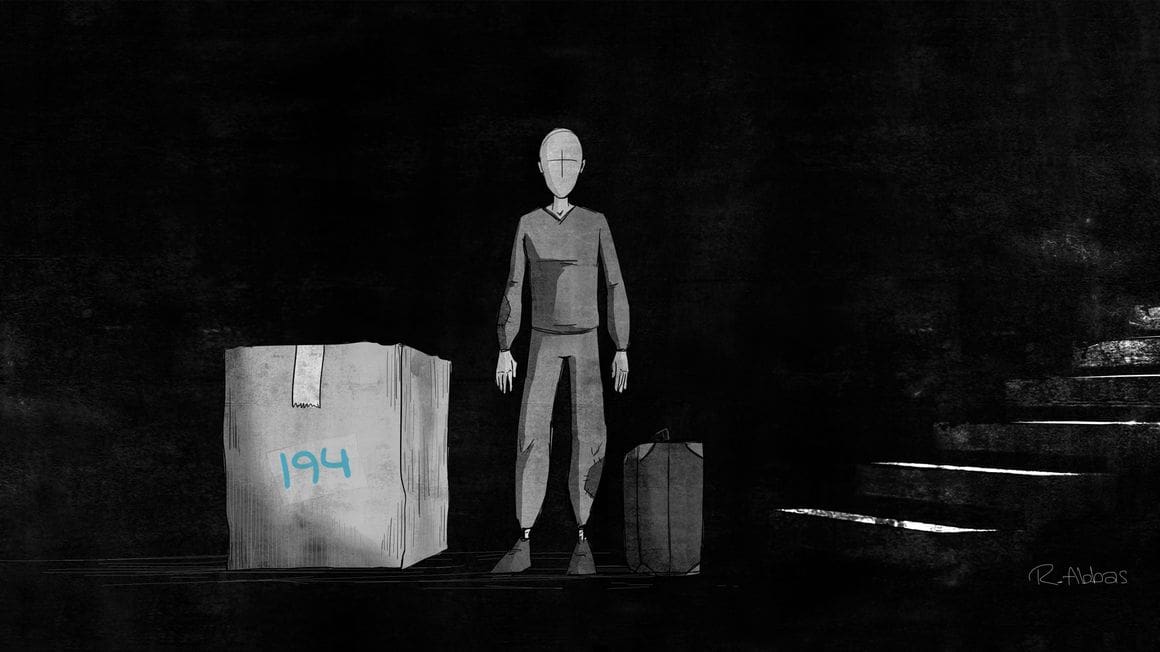
Rami Abbas’s short film, 194, takes its name from the UN Resolution 194, a foundational document in Palestinian history regarding the right of refugees to return to their homes. The film is a deeply personal exploration of "inherited exile."
Abbas, who was born outside of Palestine, describes the film as an attempt to reconcile with the fragmented memories passed down by his father, who fled his village as a six-year-old child. "I was born outside of Palestine, and like many people of my generation, I grew up with fragments of memories that weren’t mine," Abbas noted. The short will be presented in a stark black-and-white aesthetic with minimal, desaturated color accents and no dialogue. By focusing on the psychological condition of exile rather than purely political debate, Abbas aims to document the intergenerational trauma that defines the diaspora experience.
4. The Fear
The most experimental entry, Rasmi Damo’s The Fear, utilizes paper-cutout stop-motion to explore the nature of trauma. Damo, who was captured and tortured 35 years ago, uses the film to process a specific, intense moment of fear from his past.
Instead of depicting the violence itself, Damo personifies "fear" as an ephemeral entity that follows a child, eventually learning to be tamed. Damo’s objective is a radical departure from the common cinematic tropes surrounding Palestinian stories. "In cinema, we are often playing the role of the perfect victim," Damo said. "I don’t want to share my suffering. I want to share what I gained and learned from it."
Supporting Data and Production Needs
While these projects carry significant cultural weight, they remain in the "developmental infancy" stage. All four creators are currently seeking a range of support:
- Co-production partners: To bridge the gap between Palestinian production houses and European/International studios.
- Financiers: Specifically entities interested in socially conscious, auteur-driven animation.
- Creative Talent: Artists, animators, and technical leads familiar with stop-motion and 2D traditional pipelines.
The collective presence of these filmmakers at Annecy is a strategic move to integrate Palestinian voices into the formal market mechanisms of the animation world. By securing partnerships at MIFA, these creators hope to secure the capital required to move from storyboards to full production.
Implications for the Global Animation Industry
The emergence of this group at Annecy has broader implications for the animation industry. For years, there has been a push for "diversity and inclusion" in animation, but much of that discourse has remained centered on corporate diversity hiring. This movement, however, is organic and creator-led. It suggests that the next wave of global animation will not just be defined by technical advancements in CGI, but by the urgent, raw, and authentic narratives emerging from regions of historical struggle.
The success of these pitches could redefine how international festivals view the "Global South" in animation. If these projects find the funding they require, they will stand as evidence that animation is perhaps the most effective medium for telling stories that are too complex, too painful, or too ethereal for live-action documentary or drama.
Conclusion: A Shift in the Narrative
The 2026 Annecy festival may well be remembered as the moment the Palestinian animation scene moved from the margins to the center of the industry’s consciousness. By moving away from the "perfect victim" narrative and leaning into folklore, fantasy, and psychological abstraction, these filmmakers are doing more than just documenting a conflict—they are building a cultural archive.
As the industry looks toward the coming years, the question is not whether these films will be made, but how quickly the global animation community will step up to provide the resources necessary to bring these stories to the screen. For the creators, the mission is clear: to ensure that while their geography may be contested, their stories remain undeniable.


 Ammar Sabilarrohman
 Neng Nana