For digital artists and traditional illustrators alike, the pursuit of mastery is a lifelong journey—a path paved with constant learning, experimentation, and community connection. This month, ImagineFX returns with its 268th issue, serving as a comprehensive toolkit for creators looking to sharpen their skills and broaden their artistic horizons. Whether you are a professional concept artist navigating the complexities of high-stakes production or a hobbyist looking to refine your technique, this edition offers a curated blend of technical tutorials, industry insights, and profound creative inspiration.
The Evolution of the Digital Canvas: Main Facts
At its core, the latest issue of ImagineFX centers on the philosophy of efficiency without sacrificing artistic integrity. The editorial team has focused heavily on the art of "speed painting," a technique essential for concept artists who must iterate rapidly. By providing readers with actionable tutorials on how to translate raw, fleeting ideas into polished, expressive visual narratives, the magazine addresses the primary bottleneck for many artists: the gap between imagination and execution.
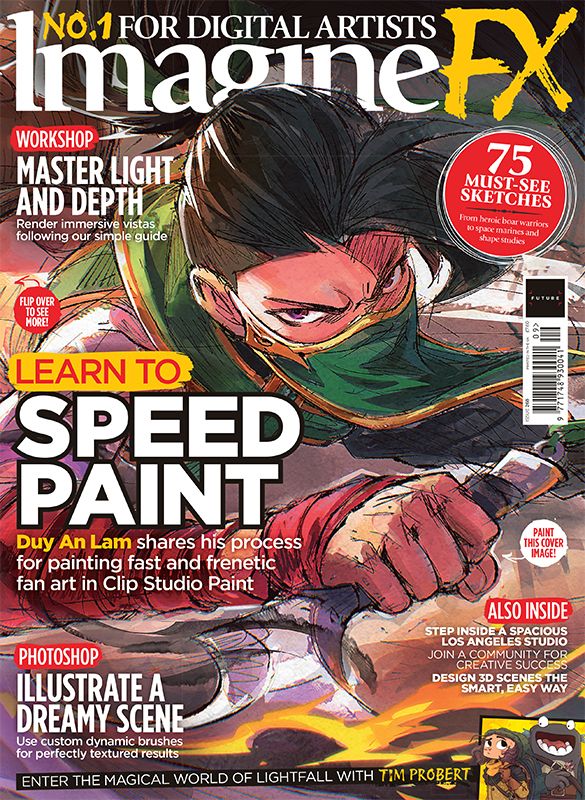
Beyond the technical workshops, the issue acts as a bridge to the broader art world. It features in-depth profiles, exclusive sketchbook deep-dives, and advice on navigating the social dynamics of the creative industry. For those seeking to fill gaps in their personal libraries, the magazine is currently available via Magazines Direct, offering both single-issue purchases and subscription tiers that unlock an expansive digital archive of over 150 past issues.
A Chronology of Creative Growth
The journey presented in issue 268 is structured to mirror the development of an artist’s career. It begins with the fundamental building blocks of mark-making and character design, moves into the nuanced application of light and environmental depth, and concludes with the strategic professional choices that define a long-term career.
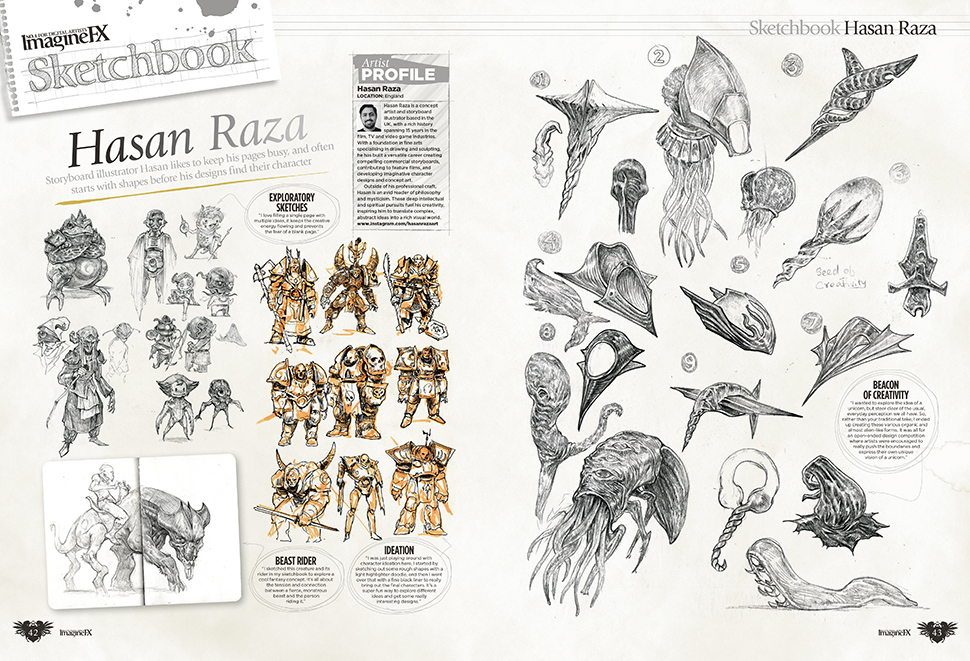
- Foundational Exploration: The issue opens by inviting readers into the personal sketchbook of Hasan Raza. Through a series of shape studies and character designs—ranging from gritty space marines to formidable boar warriors—Raza demonstrates how simple geometry forms the skeleton of complex character design.
- Mastering the Environment: Following the sketchbook section, concept artist Louis Stillace provides a masterclass in light and depth. This middle section serves as a technical bridge, teaching readers how to move from flat silhouettes to immersive, three-dimensional spaces.
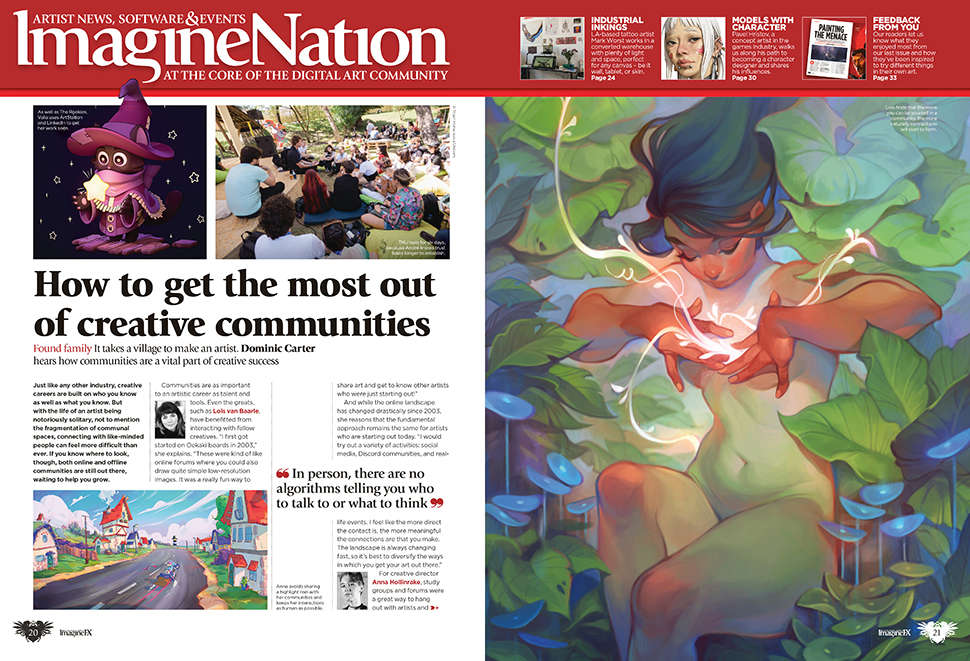
- Community and Context: The mid-issue shift moves toward the sociological aspect of art. It explores why, in an increasingly digital and isolated workspace, joining a community is not just a social benefit but a professional necessity.
- Professional Synthesis: The issue culminates with a feature on Tim Probert, the creator behind the Lightfall graphic novel series. By detailing his artistic journey, the magazine provides a roadmap for how individual skills can be synthesized into a long-form, coherent narrative project.
Supporting Data: What’s Inside the Toolkit
The value of ImagineFX lies in its granular approach to art education. In this issue, the supporting data—the technical "how-to" guides—are particularly robust:
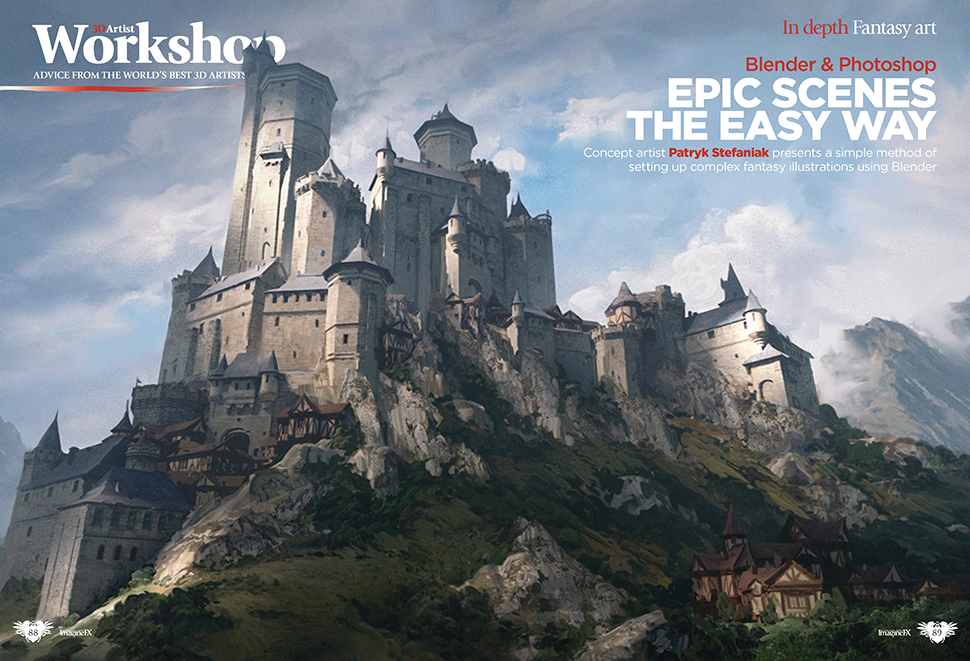
- The Speed Painting Protocol: Patryk Stefaniak shares his proprietary advice for rapidly setting up epic vistas. For artists working in the gaming or film industry, time is the most expensive commodity. Stefaniak’s guide breaks down how to leverage brushes, layer modes, and composition tricks to build breathtaking environments in a fraction of the usual time.
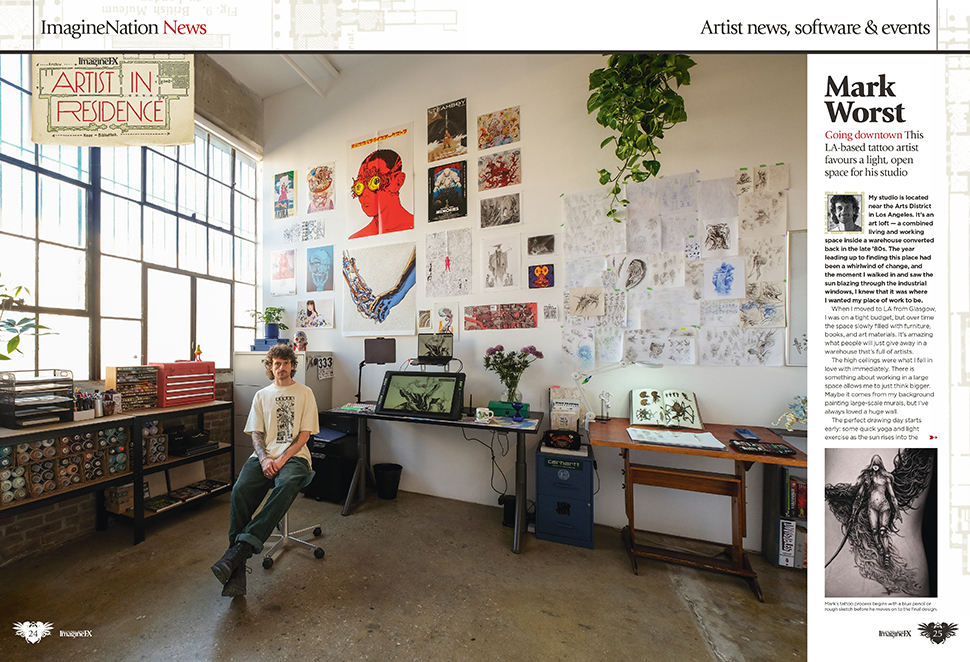
- The Studio Perspective: To provide a glimpse into the working conditions of top-tier professionals, the magazine features a high-definition tour of a loft studio in Los Angeles. Understanding the environment in which art is produced is a crucial, yet often overlooked, aspect of the creative process.
- Digital Integration: Subscribers benefit from a significant data advantage: the ability to access over 150 digital back issues. This archive functions as a historical database of techniques, covering everything from the early days of digital painting software to modern AI-assisted workflows and industry-standard 3D integration.
Official Perspectives and Industry Voices
When asked about the editorial focus of the current issue, contributors emphasized that the "speed painting" movement is not about rushing the art, but about "accelerating the communication of an idea."
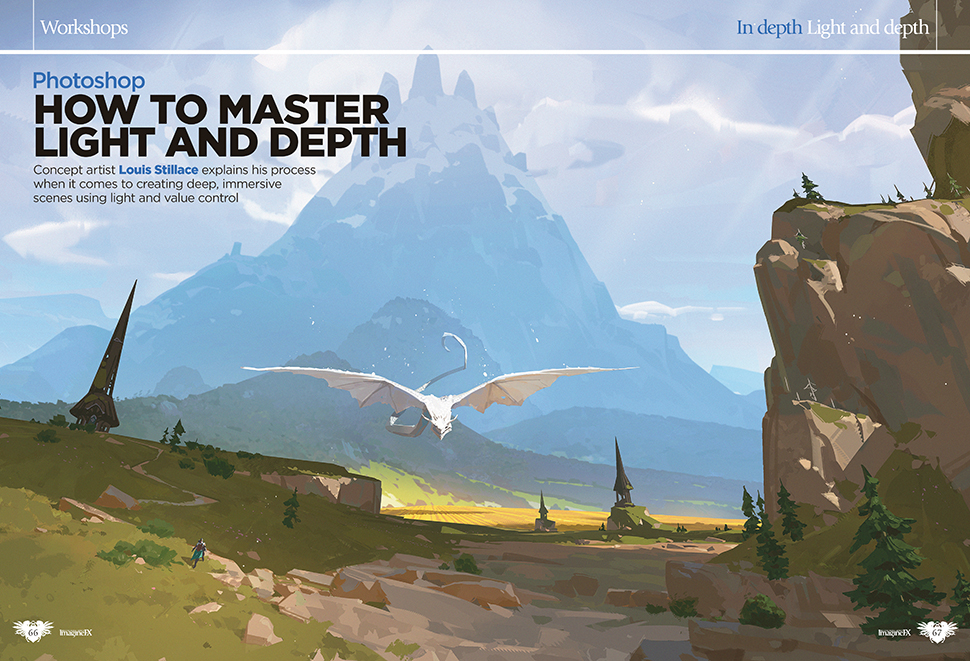
Louis Stillace noted in his feature that "mastering light is the difference between an image that feels like a painting and an image that feels like a world." His contribution aims to move students beyond simple value studies, pushing them toward an understanding of how light interacts with volume in a way that guides the viewer’s eye.
Furthermore, the focus on community—highlighted in the feature on artistic development—serves as an official acknowledgement of the changing landscape of the art industry. The editorial staff argues that the days of the "solitary genius" are behind us. Instead, modern success is defined by feedback loops, peer review, and the exchange of ideas within professional networks. By highlighting the experiences of creators like Tim Probert, the magazine underscores that while technique is the foundation, persistence and community support are the pillars of longevity.
Implications for the Modern Creator
The publication of issue 268 comes at a pivotal time for the art community. With the rise of generative tools and shifting demands in the entertainment industry, the role of the human artist is undergoing a transformation.
The Shift Toward Intentionality
The primary implication of this issue is the return to intentionality. By focusing on sketchbook studies, the magazine encourages artists to slow down and focus on the "why" and "how" of their shapes. In a world where digital tools can easily create "polished" but empty imagery, ImagineFX emphasizes the human touch—the character of a sketch, the deliberate choice of a lighting scheme, and the soul of a narrative.
The Value of the Archive
The inclusion of a 150-issue back catalogue is not merely a marketing perk; it is a vital resource for historical context. As trends in digital art cycle in and out of fashion, having access to years of expert advice allows the modern artist to see what remains constant. The principles of composition, color theory, and human anatomy remain unchanged, regardless of the software version or the platform being used.
Community as a Competitive Advantage
Finally, the emphasis on joining communities acts as a call to action. The editorial team posits that an artist’s growth is directly proportional to the quality of the feedback they receive. By participating in forums, attending workshops, and engaging with the ImagineFX community, artists are essentially diversifying their knowledge base, gathering insights from disparate styles and disciplines that they might never encounter in isolation.
Conclusion: Investing in Your Craft
For those serious about elevating their portfolio, the latest issue of ImagineFX is more than just a magazine; it is a curated mentorship. By balancing the technical prowess of experts like Patryk Stefaniak and Louis Stillace with the philosophical lessons of Tim Probert, the publication offers a comprehensive guide for navigating the complexities of a career in the visual arts.
Whether you are looking to master the speed of a production environment, understand the intricacies of light, or simply find a community that understands the unique challenges of the creative process, this issue provides the roadmap. Head over to Magazines Direct to secure your copy and begin integrating these professional strategies into your own workflow. As the industry continues to evolve, those who invest in their foundational skills and community ties will undoubtedly be the ones to define the next generation of visual storytelling.