By Editorial Staff
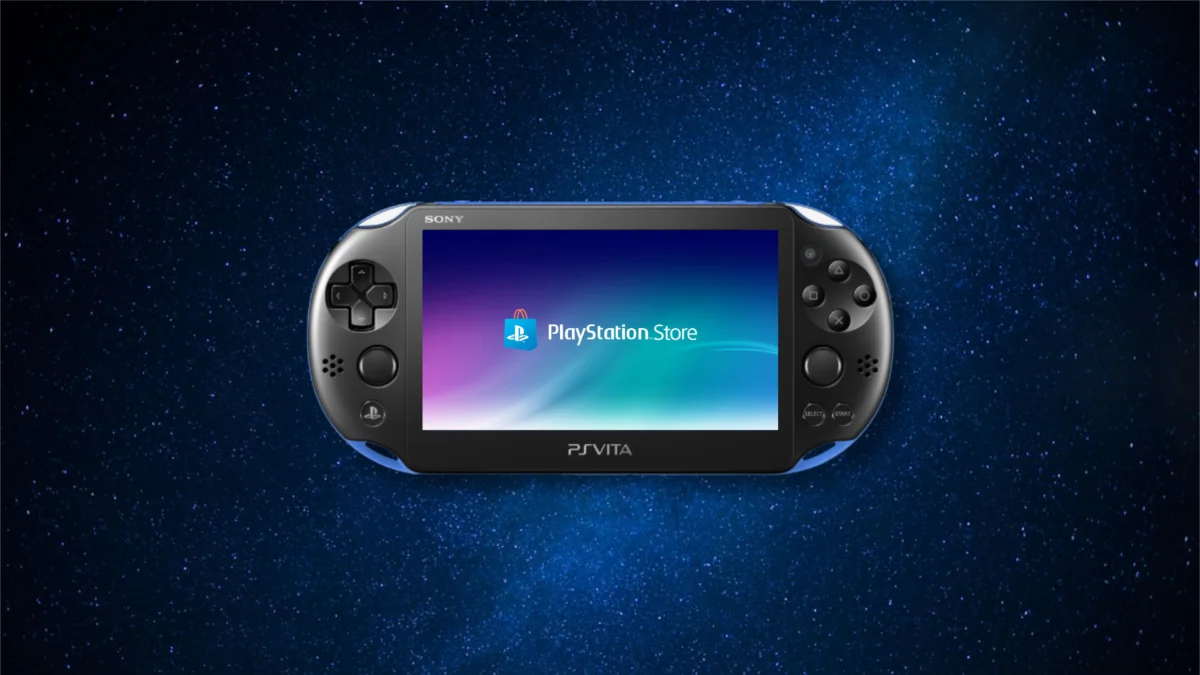
The digital preservation of gaming history has reached a somber milestone. After years of speculation, community anxiety, and a temporary reprieve that lasted half a decade, Sony Interactive Entertainment (SIE) has officially confirmed that the curtain is finally falling on the PlayStation 3 and PlayStation Vita storefronts. This decision marks the end of a long-standing chapter in gaming, effectively severing the direct digital umbilical cord for two of the most beloved platforms in the company’s history.
The Announcement: A Final Timeline
The news was broken via the official PlayStation Blog by Sid Shuman, Senior Content Communications Director at SIE. The announcement was direct, acknowledging the nearly two-decade tenure of the PS3 generation. "After nearly two decades of supporting the PS3 console generation, we wanted to let you know we will be closing the PlayStation Store on PS3, as well as on PS Vita," Shuman stated.
The rollout of this closure will be staggered, a strategy likely intended to manage server load and provide users in various regions a final window to finalize their purchases. The closure is set to begin in select markets within the current year, with a full, global cessation of store functionality expected to conclude next year. Once the clock strikes midnight on the final date in each respective region, users will no longer be able to browse the store, purchase new content, or conduct in-game transactions.
A Brief Chronology: From 2021 Backtrack to 2026 Reality
To understand the gravity of this news, one must look back at the tumultuous events of 2021. During that spring, Sony initially announced that it would shutter the PS3, Vita, and PSP stores. The reaction from the gaming community was immediate and visceral. Collectors, preservationists, and casual players alike protested the move, citing concerns over the "digital dark age"—a scenario where software becomes permanently inaccessible due to corporate store closures.
Faced with this massive wave of fan backlash, Jim Ryan, then-President and CEO of Sony Interactive Entertainment, issued a rare apology and a reversal of the decision. At the time, Ryan admitted that the company had "made the wrong decision."
This reversal bought the community five years of grace. During this time, the PS3 and Vita communities flourished, with dedicated enthusiasts keeping the hardware relevant. However, the 2026 announcement confirms that the 2021 reprieve was merely a stay of execution, not a permanent change of heart. The underlying infrastructure costs, security concerns, and the shift toward modern hardware—specifically the PS5’s cloud-integrated ecosystem—have ultimately rendered the continued maintenance of these legacy storefronts untenable for Sony.
The Mechanics of the Closure: What Remains?
It is critical to distinguish between "closing a store" and "wiping an account." Sony has clarified that while the ability to purchase new content will be removed, the ability to redownload existing content will remain operational for the time being.
Users who have spent the last fifteen years building massive digital libraries of PS3, PSP, and PS Vita games will still be able to access their "Download List" via the consoles’ internal interfaces. However, this is a precarious form of preservation. The reliance on Sony’s servers means that if the company eventually decides to decommission the download authentication servers—as Nintendo did with the Wii Shop Channel to a significant extent—the games will become "bricks" unless the user already has them installed on their local hard drive or memory card.
For many, this serves as a wake-up call to finalize their "backlog." With the store still open in various regions for the coming months, there is a final, urgent opportunity to purchase titles that were never ported to modern platforms. This is particularly vital for the library of PS1 Classics and PSP titles, many of which remain trapped in the digital ecosystems of the PS3 and Vita.
The Implication of Digital Obsolescence
The closure of the PS3 and Vita stores highlights the fundamental flaw in the modern "Games as a Service" and digital-only model: ownership is often an illusion. When a consumer buys a digital game, they are technically purchasing a revocable license to access the content.
The Preservation Crisis
Video game preservationists have long warned that reliance on proprietary storefronts is a dangerous game. Unlike physical media, which can be maintained by collectors, digital games require the cooperation of the publisher. When a store shuts down, games that were not cross-platform or available on physical discs risk being lost to time.
The PS Vita, in particular, has a unique library of indie titles and niche Japanese imports that were never released physically. When the store goes dark, a significant portion of that console’s library will become virtually impossible to acquire legally. This has sparked a renewed debate regarding the legal right to emulate or "rip" software that is no longer being sold by the manufacturer.
The Financial and Technical Burden
From Sony’s perspective, the decision is one of cold economics. Maintaining servers that support older SSL/TLS encryption standards, managing payment processing for legacy systems, and dealing with the security vulnerabilities inherent in aging software is a significant drain on resources. As the user base for these consoles shrinks, the cost per active user to maintain these services becomes unjustifiable for a publicly traded company.
The Community Response: Grief and Action
The reaction to this latest announcement has been significantly more resigned than the outcry in 2021. While there is still sadness, the sentiment among enthusiasts is that the five-year "bonus period" granted by the 2021 reversal was used effectively. Many collectors have used this time to finish their digital collections, and the community has doubled down on documenting store contents and finalizing hardware-based storage solutions.
Across forums and social media, users are now sharing "must-buy" lists, highlighting hidden gems on the Vita and obscure PS1 classics that are still available for purchase. The focus has shifted from protest to "last-minute shopping," as players attempt to secure their favorite digital memories before the shutters come down permanently.
Looking Ahead: The Future of Legacy Hardware
What happens after 2026? As the PS3 and Vita transition into the "purely offline" phase of their lifecycle, the focus will shift entirely to homebrew and third-party solutions. The community is already developing methods to back up libraries and maintain access to software independently of Sony’s servers.
This move by Sony likely sets a precedent for the eventual closure of the PS4 storefront in the distant future. It signals that even in the modern era of digital distribution, every store has a shelf life. Players are being reminded, once again, that if they value a piece of software, physical ownership remains the only way to guarantee access for the next generation.
As the clock ticks down, the PS3 and Vita represent a specific era of gaming—an era where digital stores were a novelty rather than a requirement. Their passing is not just a corporate administrative task; it is the closing of a chapter that defined the digital transition for millions of players. Whether this is the end of the line for these machines or the beginning of a new era of community-led preservation, one thing is clear: the digital landscape of PlayStation is about to get a lot smaller.
For those still holding onto their controllers, the message is clear: if there is a digital title you have been meaning to add to your collection, now is the time. Tomorrow, the window of opportunity will be gone.