Dwi Wanna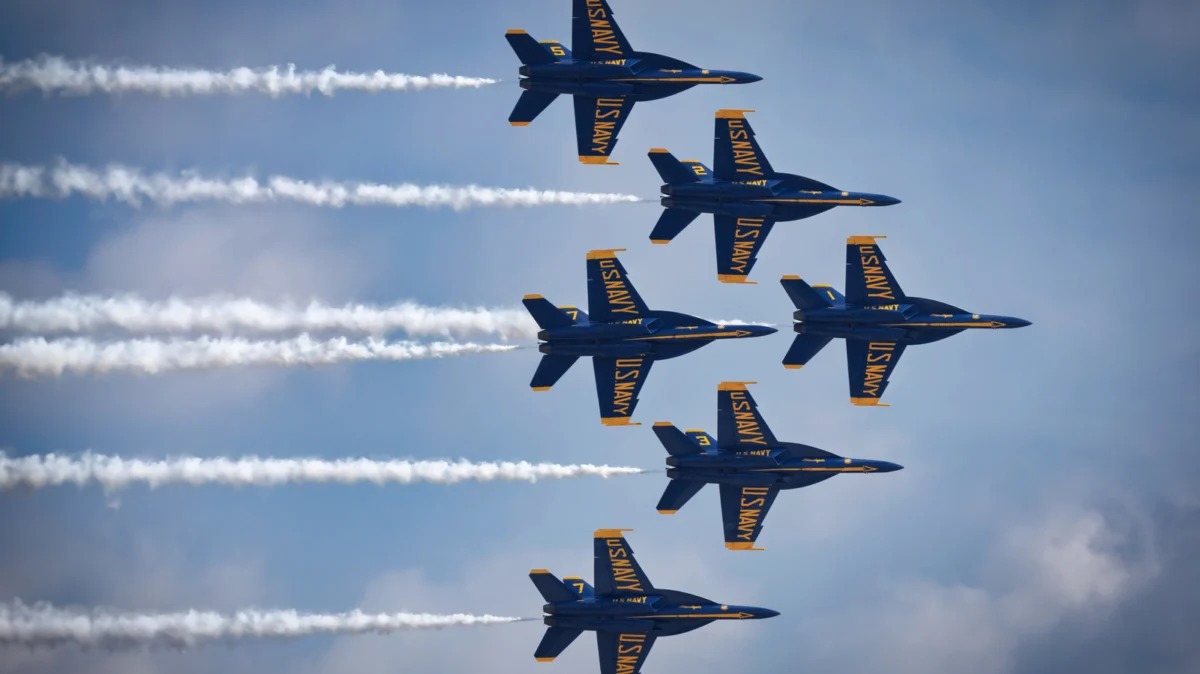
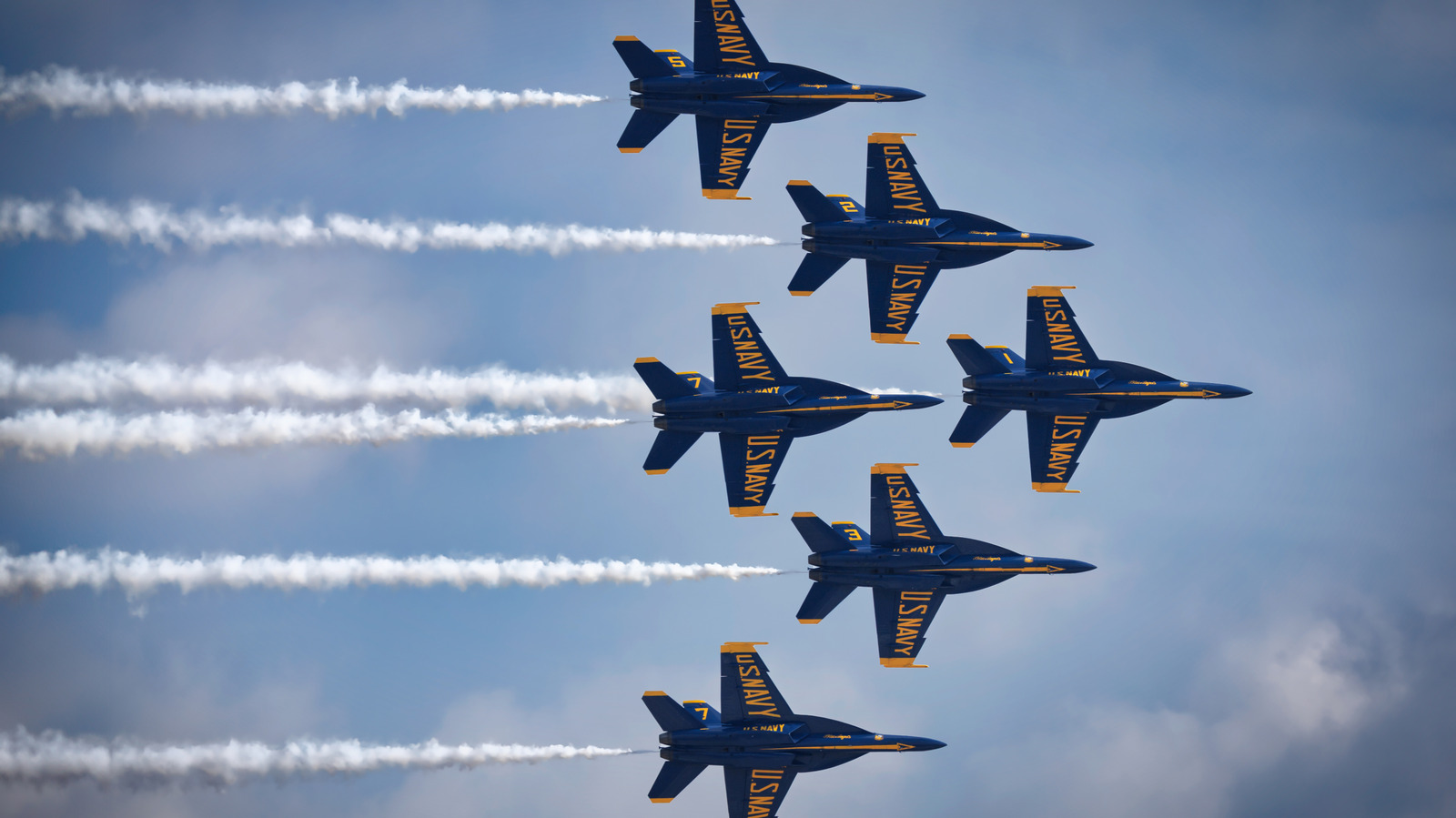
For aviation enthusiasts, military historians, and families alike, few experiences rival the sensory overload of a U.S. Navy Blue Angels performance. The sight of six F/A-18 Super Hornets carving through the sky with millimeter-precision is not merely an air show; it is a masterclass in aerial discipline, engineering, and the absolute pinnacle of naval aviation. As the 2026 summer season reaches its crescendo, the "Blues" are embarking on a nationwide tour that promises to be one of the most anticipated demonstration circuits in recent history.
The Elite Standard: Why the Blue Angels Demand Attention
The United States Navy Flight Demonstration Squadron, known universally as the Blue Angels, represents the tip of the spear for naval aviation. Since their inception in 1946, they have served as the public face of the Navy and Marine Corps, tasked with showcasing the pride and professionalism of the service.
Engineering Marvels in the Sky
The team currently operates the F/A-18 Super Hornet, a twin-engine, carrier-capable, multirole fighter aircraft. Manufactured by Boeing, the Super Hornet is a workhorse of the modern fleet, capable of reaching speeds of Mach 1.6 and performing in the most demanding combat environments. What makes the Blue Angels’ version unique is that these jets remain "combat-ready." Under standard protocols, the aircraft can be returned to operational fleet status within 72 hours if national security interests dictate. Watching them perform maneuvers like the "Diamond Aileron Roll" or the "Sneak Pass" is, in effect, watching the absolute limit of what this world-class airframe can achieve in the hands of the world’s most elite pilots.
The Human Element
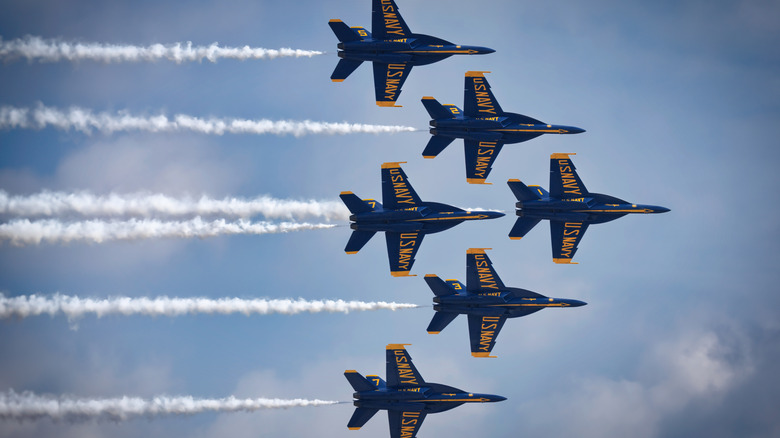
Beyond the machinery, the Blue Angels are defined by a culture of absolute trust. Pilots fly in formations separated by as little as 18 inches, relying on visual cues and rigorous training to maintain safety at high speeds. This level of synchronization is not merely for show; it is an extension of the same coordination required for successful carrier landings in the middle of the ocean during the dead of night.
Summer 2026: A Chronological Itinerary
The 2026 schedule is meticulously planned to traverse the diverse landscapes of the United States. Below is the essential timeline for those looking to witness these aerial virtuosos during the peak of summer.
July: Mid-Summer Highs
- July 11–12: Great State of Maine Air Show (Brunswick, ME)
Held at the historic Brunswick Executive Airport, this event serves as a focal point for aviation fans in the Northeast. Attendees are reminded that ticket sales for this event are strictly digital and must be secured via the official event portal in advance. - July 18: Pensacola Beach Air Show (Pensacola, FL)
For the Blue Angels, this is home turf. Being based at NAS Pensacola, the team treats this performance as a homecoming. The event is unique in that there is no admission fee; thousands typically gather at Casino Beach to watch the jets execute their maneuvers over the Gulf of Mexico. It is widely considered the most iconic viewing experience of the entire season.
August: The Heat of the Performance Season
- July 31 – August 2: Boeing Seafair Air Show (Seattle, WA)
Set against the stunning backdrop of Lake Washington, the Seafair festival is a Pacific Northwest institution. The Blue Angels are scheduled to headline the weekend. Notably, this venue often hosts a variety of other high-performance aircraft, including the F-35B, allowing fans to compare the legacy of the Super Hornet with the cutting-edge technology of the Joint Strike Fighter. - August 8–9: Arctic Thunder Open House (JBER, AK)
The Joint Base Elmendorf-Richardson event offers a rare opportunity to see the Blues in a sub-arctic environment. The dramatic Alaskan landscape provides a stark, beautiful contrast to the sleek blue-and-gold paint schemes of the jets. - August 14–16: Oregon International Air Show (McMinnville, OR)
Hosted at the McMinnville Airport, this event draws massive crowds from the Pacific Northwest, offering a mid-August spectacle of speed and precision. - August 28–30: Thunder Over Louisiana (Lake Charles, LA)
Closing out the month, the Chennault International Airport hosts the team for a three-day exhibition. This event is a critical stop for fans in the Southern United States and serves as a precursor to the intense fall schedule.
Supporting Data: Understanding the Logistics
A Blue Angels demonstration is a logistical feat comparable to a major touring musical act or a massive professional sporting event.
Fuel and Maintenance
Each F/A-18 Super Hornet is a fuel-intensive machine. The coordination required to transport the "Fat Albert" (the team’s C-130J Hercules support aircraft) along with the team’s maintenance crews, spare parts, and support staff is immense. The maintenance cycle is grueling; every minute an aircraft spends in the air requires hours of ground maintenance to ensure that the flight control systems are functioning at 100% capacity.
The "Combat-Ready" Implication
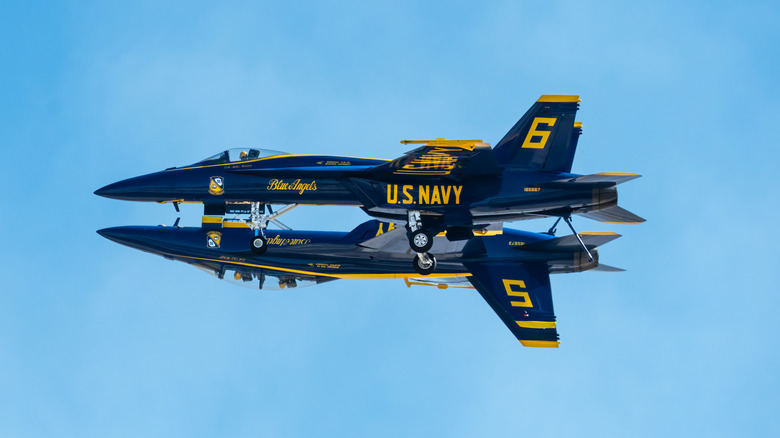
The fact that the Blue Angels’ aircraft can be converted to combat status within 72 hours carries a profound implication: the pilots flying the show are not just stunt performers; they are active-duty Naval Aviators who maintain their tactical proficiency throughout the season. When the public watches the "Opposing Knife Edge" maneuver, they are witnessing the same spatial awareness and G-force tolerance required to engage an adversary in a dogfight.
Official Perspectives and Safety Protocols
The U.S. Navy emphasizes that the primary mission of the Blue Angels is to recruit and inspire. By appearing at air shows, the team directly influences the next generation of engineers, mechanics, and pilots.
Safety as a Priority
The Navy maintains a rigorous safety program. Every maneuver is practiced in a "low-show," "flat-show," or "high-show" configuration depending on the cloud ceiling and weather conditions. If visibility or wind conditions do not meet the strict safety parameters, the team is trained to adjust their performance instantaneously to protect both the crowd and the pilots. Attendees should always check the official Blue Angels website for real-time updates regarding show status, as weather can force last-minute changes to the lineup.
Looking Ahead: The Fall Transition
While this guide focuses on the summer, the Blue Angels’ season continues well into the autumn months. A notable highlight is the Cleveland National Air Show over Labor Day weekend (September 5–7, 2026), a tradition that brings the city to a standstill as the jets scream over Lake Erie.
Finally, the season concludes with a series of high-profile events, including the MCAS Miramar Air Show in San Diego (September 25–27). While technically a fall event, the Southern California climate ensures that the "summer feeling" persists, providing a perfect capstone to a season defined by excellence.
Conclusion: How to Prepare for Your Visit
To get the most out of a Blue Angels performance, preparation is key:
- Check Official Channels: Always visit the official Blue Angels show schedule before driving to a venue. Show times can fluctuate due to air traffic control, weather, or maintenance requirements.
- Hydration and Protection: Most air shows occur on tarmac surfaces with little to no shade. Bring ear protection, especially for children, as the sound of jet engines is immense.
- Tickets: As noted, events like the Great State of Maine Air Show require pre-purchased digital tickets. Do not assume you can purchase entry at the gate.
- Engage: If you have the opportunity, visit the static displays of the team’s C-130 Hercules, "Fat Albert," or speak with the enlisted crew members who maintain these incredible machines. Their dedication is the backbone of the entire operation.
The Blue Angels represent the best of what American innovation and human training can produce. Whether you are a veteran of air shows or a first-time spectator, catching a performance in 2026 is an opportunity to witness a living, flying piece of American history. Prepare for the heat, the noise, and the sheer spectacle of the finest pilots in the world doing what they do best: pushing the boundaries of the sky.


 Iffa Jayyana
 Asep Darmawan