

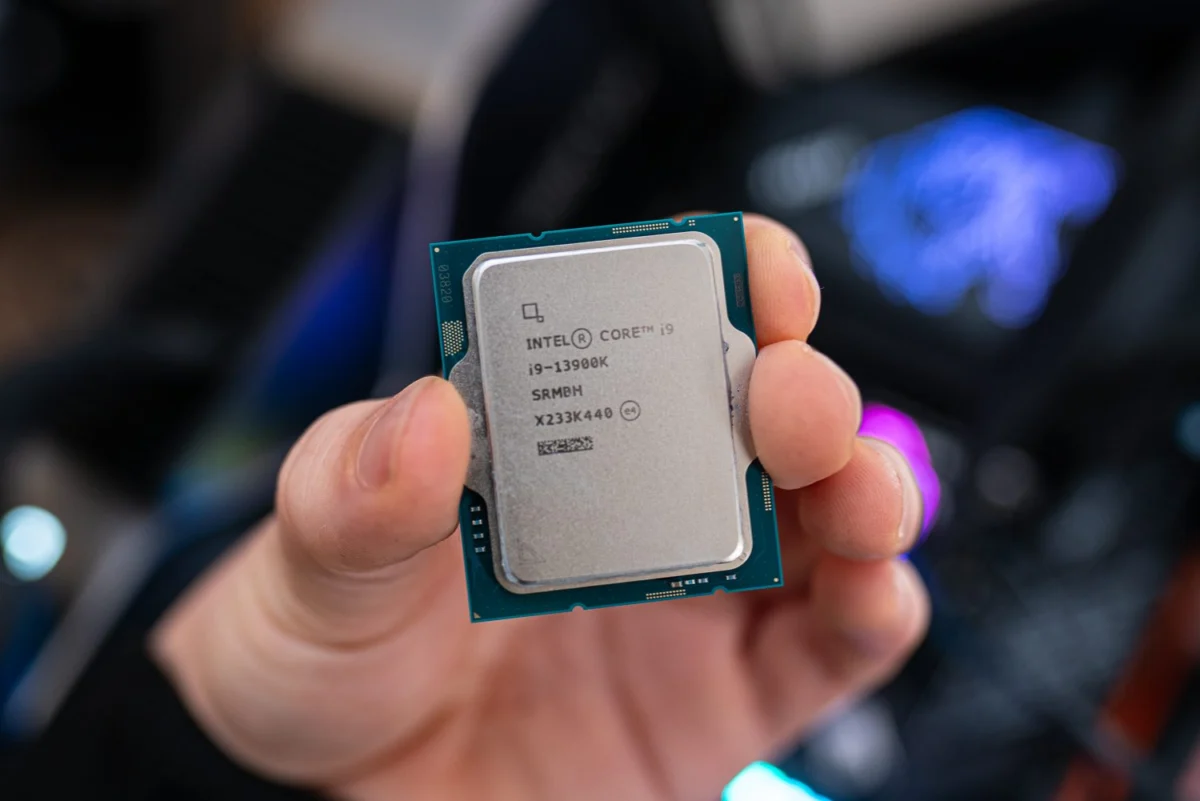
In a move that has stunned industry analysts and signaled a significant pivot in strategy, Intel is reportedly preparing to breathe new life into its legacy processor catalog. Facing a global landscape where the cost of next-generation hardware has begun to stifle consumer demand, the semiconductor giant is pivoting back to the past to solve a very modern problem: the prohibitive cost of DDR5 memory.
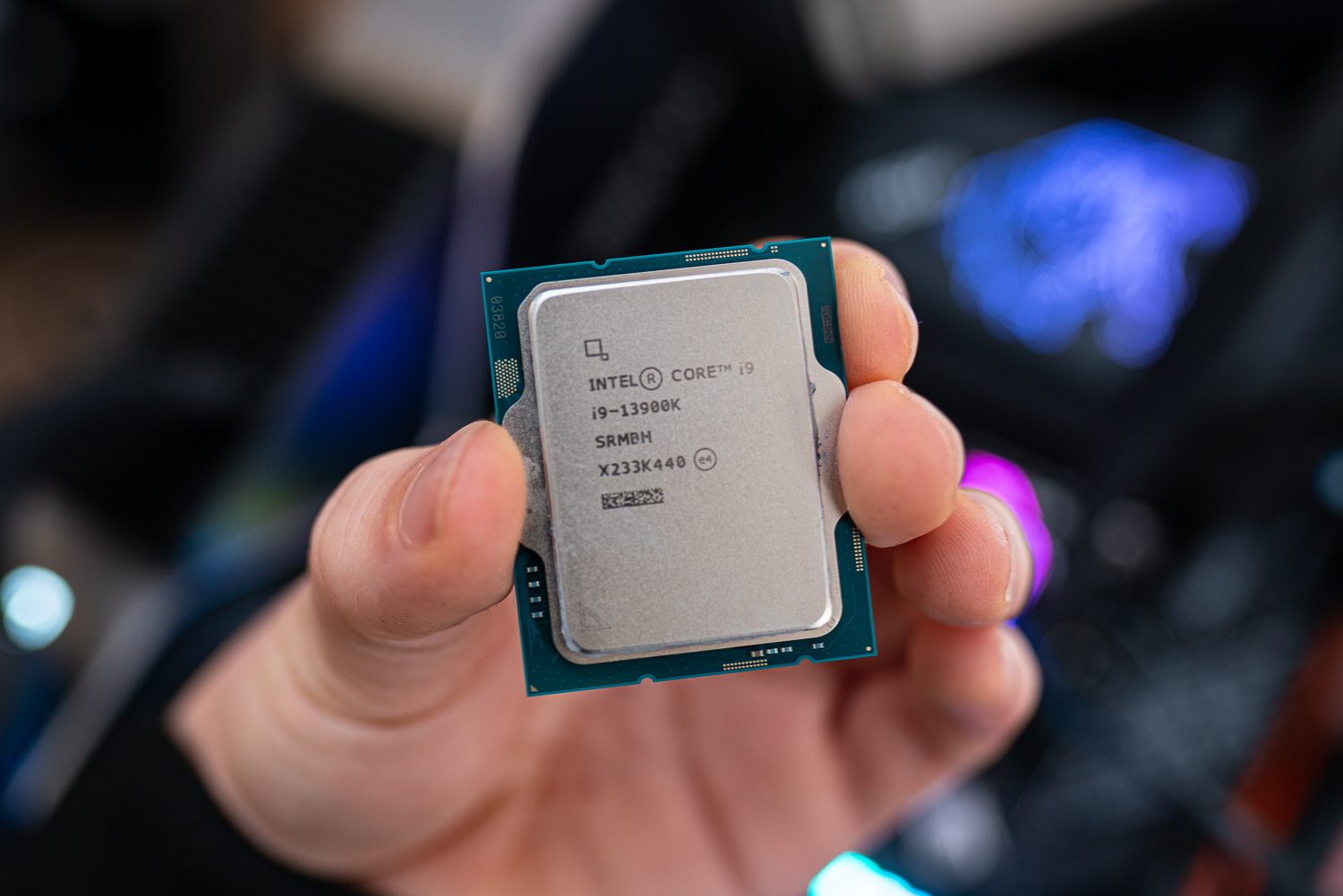
According to reports from the Chinese outlet ITHome, citing industry supply chain intelligence from ChannelGate, Intel is moving to restart production lines for its 13th and 14th-generation Core processors. This initiative is part of a broader, strategic push to increase the availability of CPUs across the 10th, 12th, 13th, and 14th generations, with a particular focus on the massive DIY PC market in mainland China.
For the average consumer, this isn’t just about supply; it’s about accessibility. As DDR5 memory prices continue to climb, the barrier to entry for building a modern gaming PC has reached a tipping point, forcing Intel to reconsider the lifespan of its previous platforms.

The Economics of the Memory Crunch
The primary driver behind this sudden interest in "yesteryear’s" technology is the widening price gap between memory standards. While DDR5 was intended to be the industry-standard successor to DDR4, the transition has been plagued by volatility in the DRAM market.
For budget-conscious builders, the math simply stopped adding up. Pairing a modern processor with a high-end motherboard and premium DDR5 RAM has pushed the cost of entry-level and mid-range builds into a price bracket that many consumers find unpalatable. By re-investing in the LGA 1700 ecosystem and older architectures, Intel is essentially offering a "value lane" that allows users to leverage existing, cheaper DDR4 inventory without sacrificing the core functionality of a modern desktop system.
A Chronology of the Pivot: From Innovation to Reiteration
The trajectory of this shift can be traced back to the middle of 2026, as motherboard manufacturers began to realize that the market was not absorbing newer platforms as quickly as anticipated.
- Early 2026: Reports emerge indicating that DRAM manufacturers are struggling to meet demand, leading to sustained price hikes for DDR5 modules.
- Mid-2026: Several prominent motherboard manufacturers officially confirm they are extending production schedules for DDR4-compatible LGA 1700 motherboards, effectively defying the industry trend of pushing consumers toward newer sockets.
- Late 2026: Intel identifies a surge in demand for legacy CPUs in regional markets where price sensitivity is higher, leading to internal discussions regarding the reactivation of older manufacturing lines.
- Early 2027 (Projected): Intel is expected to launch "Raptor Lake Next," a new processor series specifically designed to maintain compatibility with the aging but reliable LGA 1700 platform.
Supporting Data: Why DDR4 Still Matters
To understand why this is a strategic move rather than a step backward, one must look at the current market data. The "platform cost" of a PC is determined by the triad of the CPU, motherboard, and RAM. While a 14th-gen processor may be statistically faster than a 10th or 12th-gen counterpart in synthetic benchmarks, the real-world performance difference in gaming—when paired with a mid-tier GPU—is often marginal.
However, the cost difference is anything but marginal. DDR4 memory has matured into a commodity with high yields and low pricing, while the supply chain for DDR4-compatible motherboards remains robust. By keeping these platforms alive, Intel is effectively subsidizing the "budget" gaming segment of the market.
Industry data suggests that motherboard manufacturers who bet on DDR4 throughout 2026 have seen higher inventory turnover than those who exclusively pushed newer, DDR5-only platforms. This data has forced Intel’s hand, proving that the consumer base is prioritizing affordability and utility over raw, bleeding-edge performance specs.
Industry Implications: AMD’s Precedent
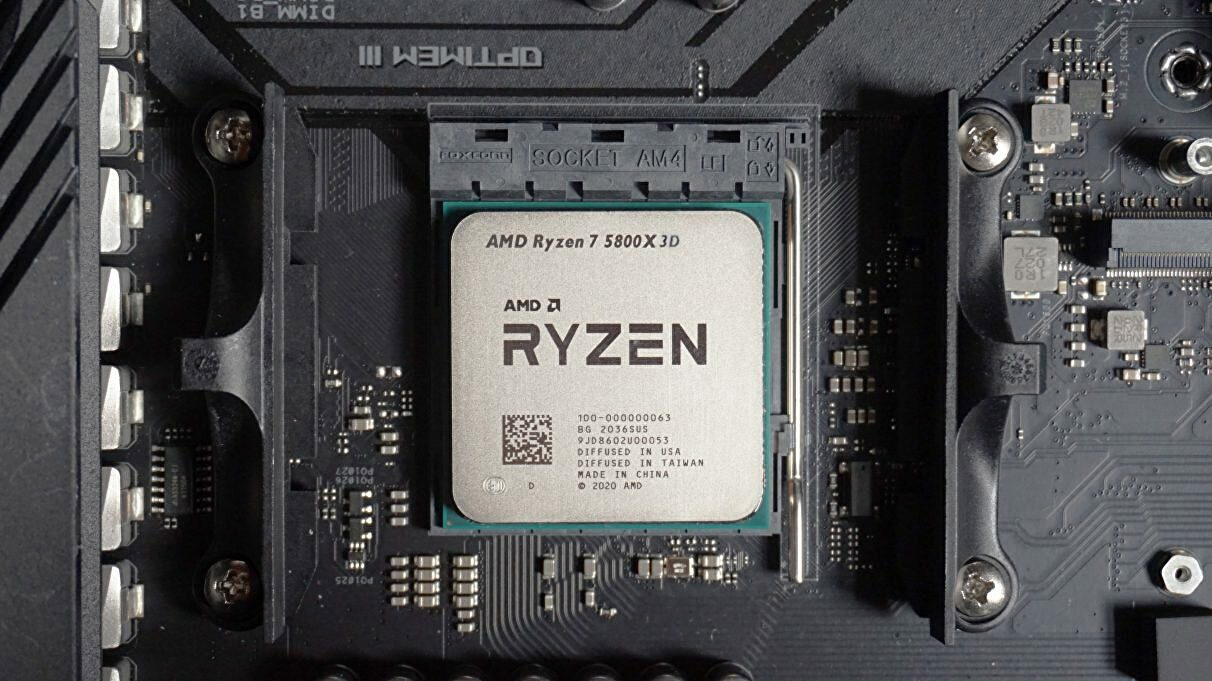
Intel is not acting in a vacuum. The company appears to be taking a page directly out of AMD’s playbook. AMD famously extended the life of its AM4 platform long after the introduction of AM5, releasing specialized chips like the Ryzen 7 5800X3D—a processor that, despite its age, remains one of the most popular gaming chips in the world due to its efficient use of 3D V-Cache and its compatibility with affordable, legacy hardware.
By adopting a similar strategy, Intel is signaling a departure from the "planned obsolescence" model that has defined the industry for years. This shift suggests that the market for CPUs is becoming bifurcated: one segment chasing the absolute pinnacle of performance with the latest memory standards, and a much larger, more stable segment looking for long-term value, reliability, and cost-effective upgrade paths.
The "Raptor Lake Next" Prospect
Perhaps the most intriguing element of this development is the rumored "Raptor Lake Next" architecture. Set for release in the first half of 2027, this series is not intended to compete with the next wave of flagship silicon. Instead, it is a targeted product aimed at the millions of users who are currently sitting on older LGA 1700 motherboards.

If these processors offer even a modest performance uplift, they will provide a "drop-in" upgrade that bypasses the need for a full system rebuild. This is the ultimate "quality of life" improvement for the PC enthusiast community, allowing for a performance boost without the financial headache of replacing a motherboard and RAM kit.
The Future of the DIY Ecosystem
What does this mean for the future of the DIY PC market? It indicates that the era of annual socket changes may be coming to a forced conclusion. As the global economy remains sensitive to tech inflation, companies are finding that they cannot simply dictate the pace of upgrades to the consumer.
For Intel, this is a defensive play to maintain its market share against competitors who are capturing the budget-conscious user. For the consumer, it is a rare instance of a corporation listening to the realities of the wallet rather than the desires of the marketing department.

Summary of Stakeholder Impacts:
- For the Consumer: An extended window of relevance for existing hardware and a more affordable path to mid-range gaming performance.
- For Motherboard Manufacturers: A continued revenue stream for older manufacturing lines that had previously been earmarked for decommissioning.
- For Intel: A stabilization of market share in the budget segment and a buffer against the volatility of the DRAM market.
Conclusion: A Second Life for Silicon
The decision to revive older CPU lines is a pragmatic acknowledgment of current economic realities. While tech enthusiasts often prioritize the newest architecture, the vast majority of the PC gaming market operates on a cycle defined by value. By providing a "second life" to 10th through 14th-generation CPUs, Intel is ensuring that the barrier to entry remains low, protecting the health of the broader PC gaming ecosystem.
As we look toward 2027, the success of this initiative will likely be measured not in flops or gigahertz, but in the number of systems that remain relevant, functional, and affordable. In a world of constant, often unnecessary upgrades, Intel’s move to look backward to move forward might just be the most consumer-friendly decision the company has made in years.
While we wait for official confirmation of the full production scope, one thing is clear: the age of the "disposable" PC platform is under fire, and the longevity of our current hardware just got a significant, and very welcome, extension.











