Ammar Sabilarrohman
As a Senior TV Editor with over a decade of experience dissecting the latest display technologies, I have developed a deep appreciation for the entire spectrum of the television market. While I frequently spend my days analyzing the nuances of cutting-edge, top-of-the-line OLED and QD-OLED panels that carry premium price tags, I hold a special place in my heart for budget-friendly displays. These are the sets that bring entertainment to the masses, and in a market often cluttered with bloated, sluggish software, the simplicity of a Roku-integrated TV is a breath of fresh air.
However, not all Roku-branded TVs are created equal. With the recent release of the 2026 Roku Select Series, many consumers are tempted by its aggressive entry-level pricing. Having put the Select Series through our rigorous testing suite, I’ve walked away with a tempered perspective. If you are currently in the market for a display upgrade and are committed to the Roku ecosystem, I urge you to look past the newest model and consider the 2025 Roku Plus Series instead. While it may require a slightly higher initial investment, the performance gains offer a significantly better value proposition.
The Core Conflict: Select vs. Plus
At the heart of the current consumer dilemma is a simple question: is it worth saving $80 to go with the newer, entry-level Select Series, or should one opt for the slightly older, more robust Plus Series? Currently, you can secure a 55-inch Roku Plus Series on Amazon for just $349. When compared to the lower-cost alternatives in the Select lineup, the price gap is undeniably attractive for the budget-conscious, but it comes at a technical cost that becomes evident the moment you start watching high-dynamic-range (HDR) content.
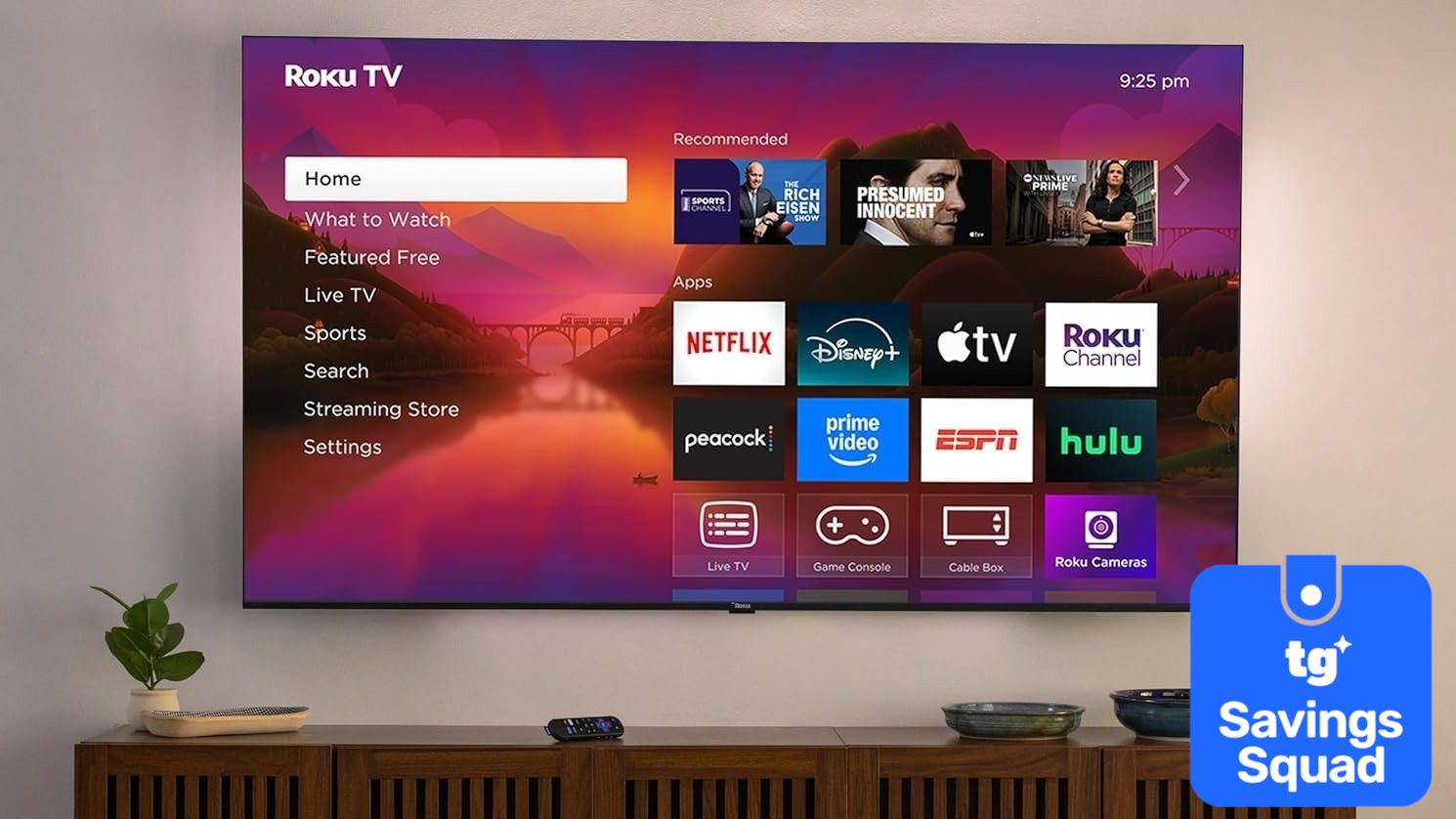
The disparity between these two models is rooted primarily in their backlighting architecture. The Roku Select Series is built upon a standard, direct-LED display. While this is objectively superior to the aging, entry-level edge-lit technology of a decade ago, it remains a "dumb" light source. It provides uniform brightness across the screen, which is sufficient for basic cable television or daytime talk shows, but it struggles significantly when tasked with the high-contrast demands of modern cinema.
Conversely, the Roku Plus Series employs a modest array of Mini-LEDs. While these are not the massive, hyper-dense arrays found in flagship televisions, they represent a monumental leap in performance over the Select Series.
The Technical Edge: Why Mini-LED Matters
To understand why the Plus Series is the recommended choice, one must understand the importance of local dimming. The Mini-LED backlighting in the Plus Series is paired with a local dimming system, allowing the TV to control the intensity of light across different "zones" of the screen.
In practical terms, this means that when you are watching a dark scene—such as a night-time sequence in a thriller—the TV can dim the LEDs behind the dark areas of the image while keeping the LEDs behind bright objects (like streetlights or stars) fully illuminated. This increases the perceived contrast and prevents the "washed-out" gray look that often plagues standard LED displays.
The Select Series, lacking this precision, cannot isolate brightness in this manner. When a bright object appears on a dark background, the entire screen must maintain a similar light output, leading to light bleed and a lack of depth. For the cinephile on a budget, the Plus Series provides the dynamic range necessary to make content pop, whereas the Select Series is destined to leave the image looking flat and listless.
Chronology of the Roku Hardware Strategy
Roku’s transition from a pure software-licensing company to a hardware manufacturer has been a calculated, multi-year evolution. By producing their own televisions, Roku has gained total control over the integration between the OS and the display panel, a feat that third-party manufacturers often fail to optimize.
- 2023: Roku officially enters the television hardware market with the launch of the Select and Plus series, aiming to capture the mid-range and budget segments.
- 2024: Roku focuses on refining the software experience, introducing voice-activated features and better integration with smart home ecosystems.
- 2025: The introduction of the 2025 Roku Plus Series solidifies the brand’s reputation for high-value Mini-LED technology.
- 2026: The release of the newer Select Series aimed at capturing the absolute lowest price point, prioritizing affordability over high-end contrast features.
This progression shows a clear pivot. Roku is now segmenting its audience: those who prioritize the lowest possible entry price (Select) and those who prioritize a "best-for-the-money" performance experience (Plus).
The Software Advantage
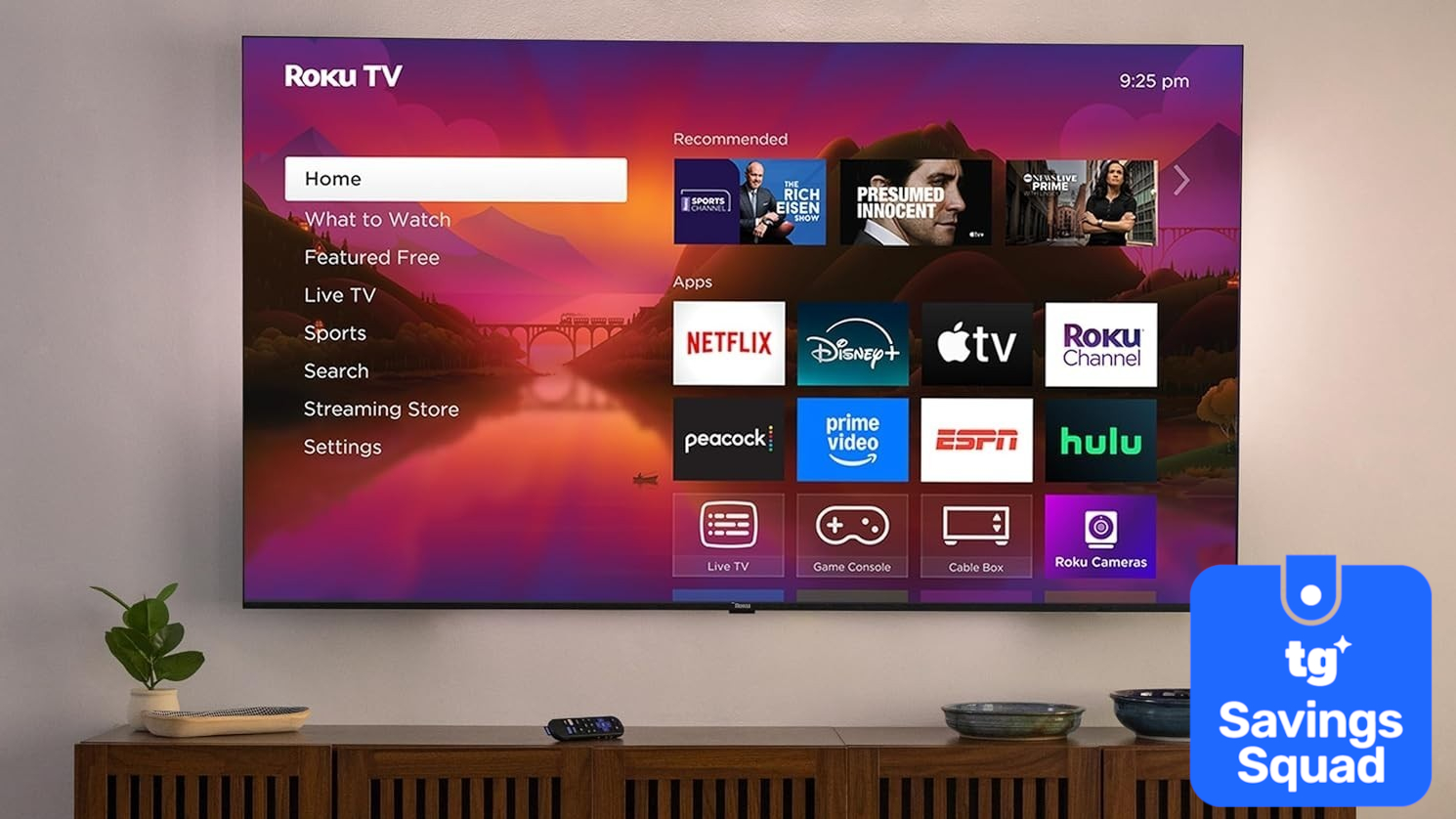
Regardless of which hardware tier you choose, the true "star of the show" remains the Roku operating system. Even as a professional reviewer who uses high-end external streaming devices, I find myself returning to the Roku interface because of its unparalleled simplicity and robust app library.
Unlike many proprietary smart TV platforms—which are often cluttered with invasive advertisements, auto-playing trailers, and confusing menus—Roku remains refreshingly straightforward. The grid-based layout is intuitive, the search functionality is cross-platform, and the system performance is remarkably "zippy." For the average user who is tired of dealing with slow, bloated interfaces that lag every time they try to switch from Netflix to YouTube, a Roku TV is a sanctuary of usability.
Implications for the Consumer
If you are currently deciding between these two models, you must evaluate your long-term usage patterns.
If your TV usage is limited to occasional background news or children’s programming, the Roku Select Series will get the job done. It is affordable, reliable, and provides access to the world’s largest library of streaming apps without fuss. However, if your TV is a primary device—if you use it for streaming movies in the evening, playing games, or watching high-production-value series—the $80 difference is an investment that pays dividends daily.
The implications of choosing the cheaper model go beyond just image quality. Over a 5-to-7-year product lifespan, the "cost" of the better display (the Plus Series) breaks down to roughly $11–$16 per year. When viewed through this lens, the choice becomes clear: the performance-to-price ratio of the Plus Series is vastly superior.
Final Verdict
At just $269 for the 55-inch Select Series, I understand the psychological appeal of that lower price tag. It is an enticing figure that makes the prospect of a 4K upgrade feel accessible to almost everyone. However, as an editor who has spent thousands of hours comparing screen performance, I am confident in my recommendation.
The Roku Plus Series represents the "sweet spot" of the current television market. It bridges the gap between bargain-bin hardware and premium display technology by utilizing effective, if entry-level, Mini-LEDs and local dimming. It doesn’t try to be an OLED flagship, but it refuses to sacrifice the visual experience for the sake of a bargain.
If you are upgrading your living room, save a few extra dollars, skip the entry-level Select model, and move up to the Plus Series. Your eyes will thank you every time you hit the power button.


 Suro Senen
 Evan Lee Salim