By The Graphic Policy Editorial Team
Published: July 4, 2026
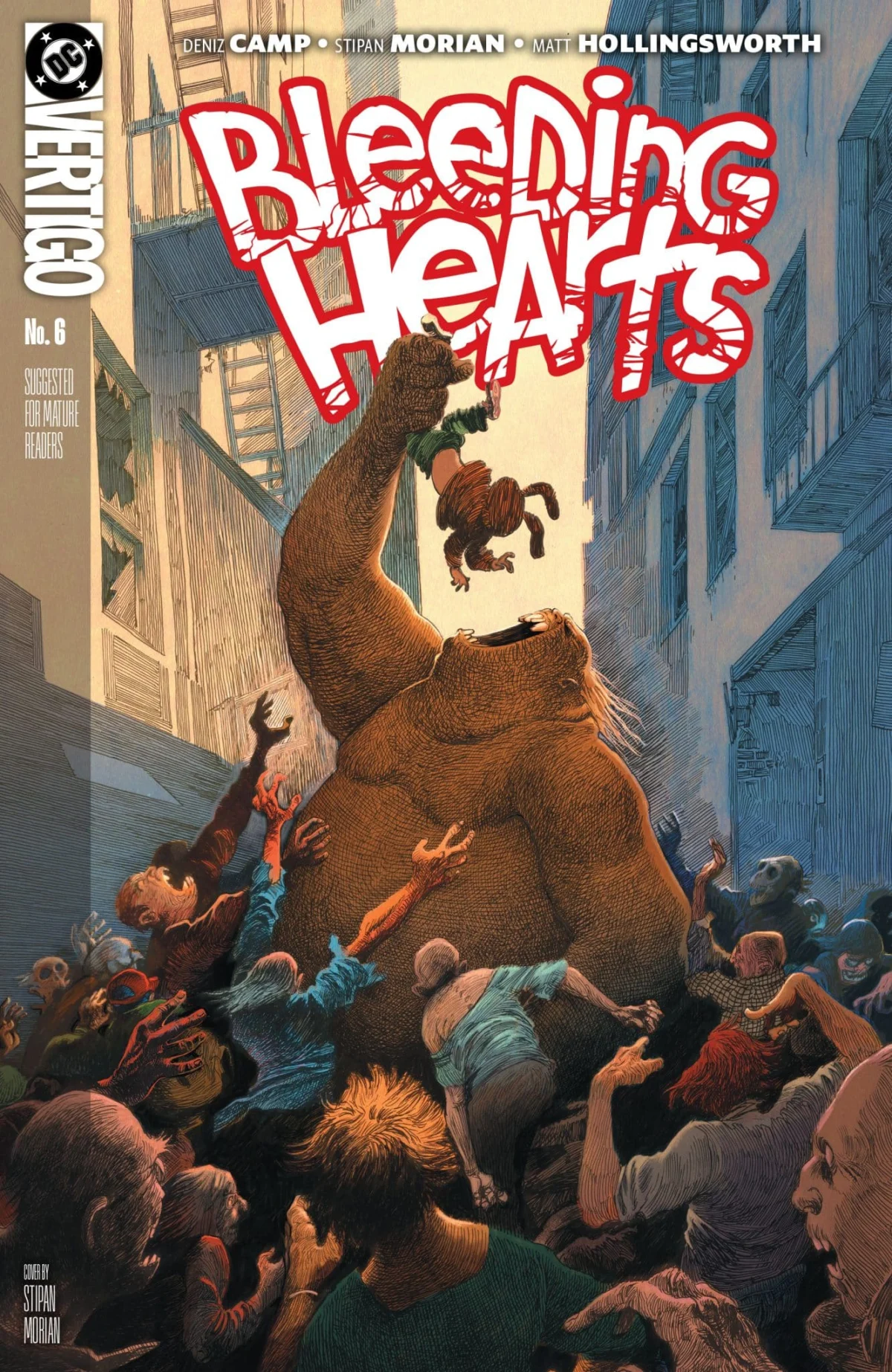
The comic book industry has long pushed the boundaries of horror and dark fantasy, but few titles have managed to capture the grotesque, nihilistic, and satirical spirit of the genre quite like Deniz Camp and Stipan Morian’s Bleeding Hearts. With the release of issue #6, the series reaches a fever pitch, coinciding with a narrative milestone within the book’s own twisted universe: the 11th Annual Outbreak. As the series continues to gain traction among fans of elevated horror, this latest installment offers a disturbing glimpse into a world where humanity has not just been conquered by death—it has learned to celebrate it.
Main Facts: The Anatomy of an Outbreak
Bleeding Hearts #6, written by Deniz Camp with visceral interior art by Stipan Morian, serves as the crescendo for the current story arc. The issue centers on the “11th Annual Outbreak,” a global, multi-day event that functions as a dark inversion of traditional holidays.
Unlike conventional post-apocalyptic narratives where the human survivors fight to reclaim their agency, Bleeding Hearts flips the script entirely. The world depicted is one where the “undead” have established a societal structure, complete with its own traditions, festivities, and twisted sense of community. The narrative focuses on the preparation and execution of these macabre rituals—including the construction of “Bone-Towers,” organized hunts for the few remaining “Live Ones,” and a pervasive, rotting atmosphere that serves as the backdrop for the characters’ existential dread.
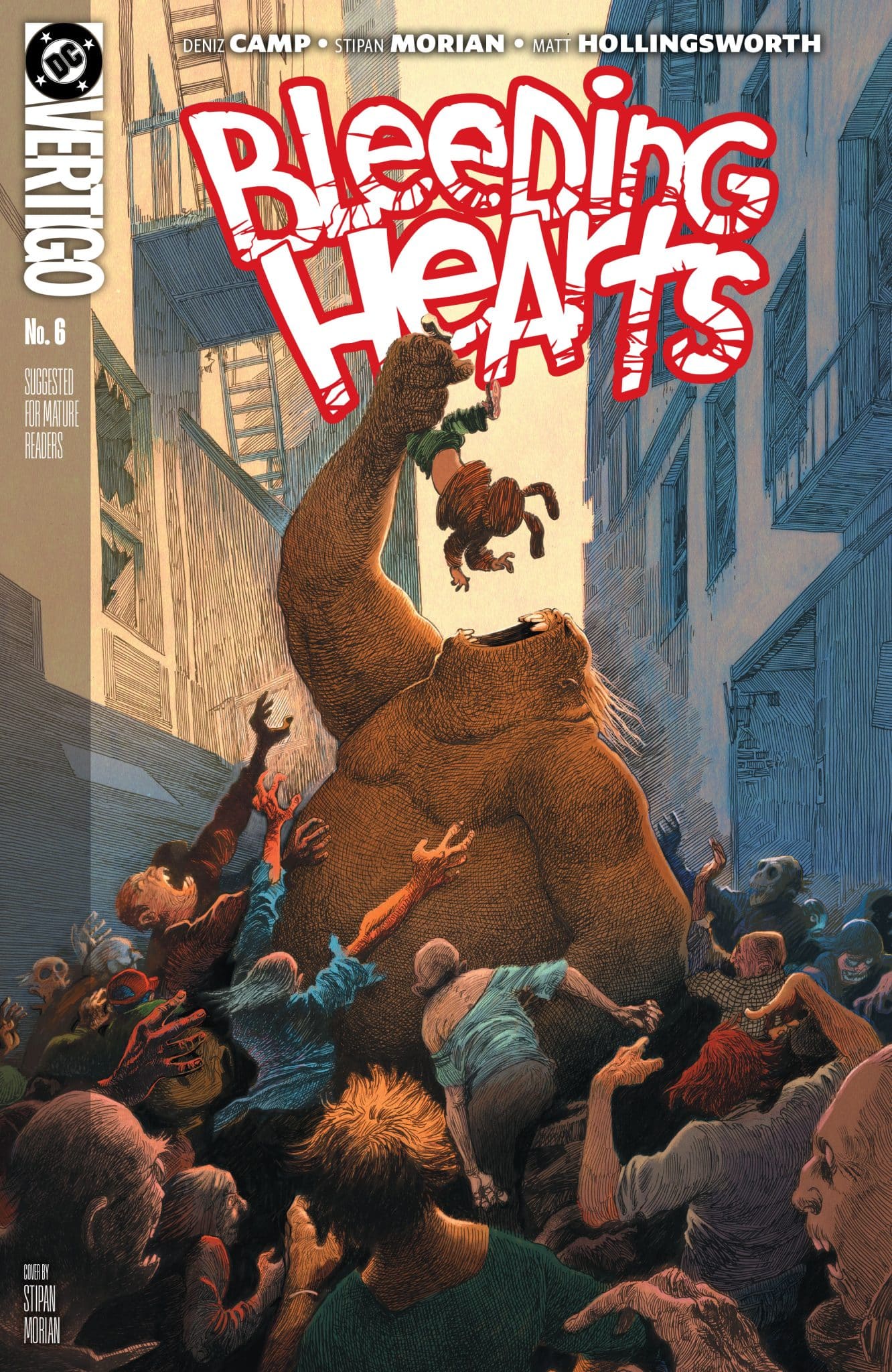
The central premise of issue #6 is simple yet chilling: "It’s time to party like you’re never gonna live!" This slogan captures the essence of Camp’s writing—a blend of dark humor and genuine horror that forces the reader to confront the permanence of death in a world where it has become the standard of living.
Chronology of the Series
To understand the weight of Bleeding Hearts #6, one must look at the progression of the series from its inception:
- Issues #1-2 (The Discovery): Establishing the setting, where the “outbreak” is treated as an inevitable evolution of the species rather than a biological disaster.
- Issues #3-4 (The Societal Shift): Readers were introduced to the power dynamics between the living remnants and the undead majority. The “Live One” hunts became a recurring motif, highlighting the brutality of the new world order.
- Issue #5 (The Build-Up): The narrative began to coalesce around the upcoming 11th Annual Outbreak. Tensions between factions of the undead—those who want to preserve the history of humanity and those who want to erase it—came to a head.
- Issue #6 (The Peak): The celebration begins. The issue serves as both a standalone look at the festivities and a critical plot point where the stability of the undead society is tested by the sheer scale of the rituals being performed.
Supporting Data: Visual Storytelling and Tone
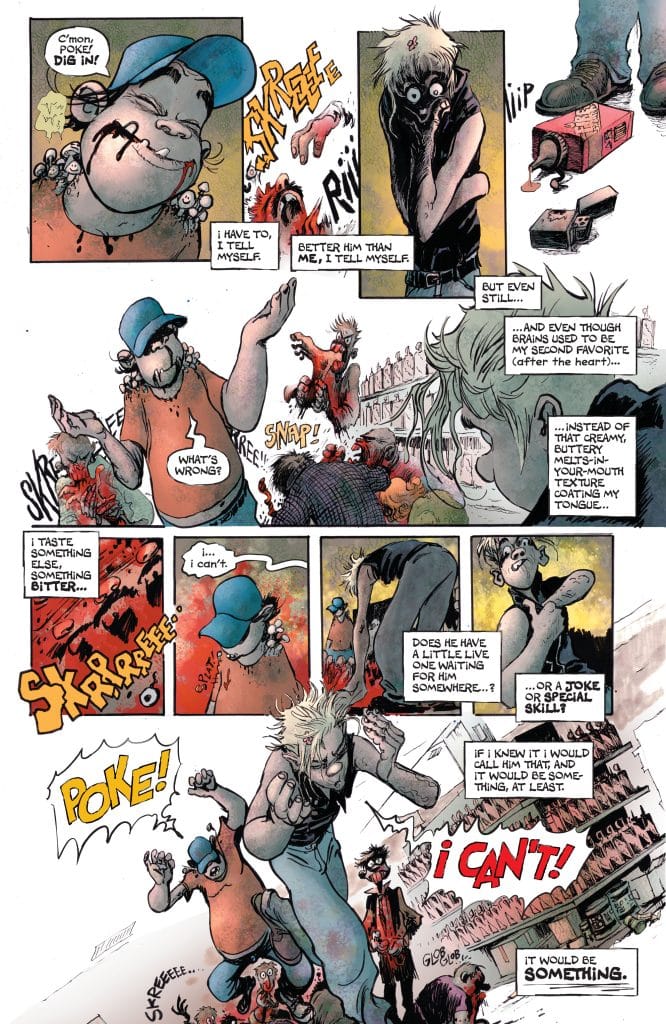
The success of Bleeding Hearts lies in the synergy between Deniz Camp’s script and Stipan Morian’s art. Morian’s visual style, characterized by heavy shadows and a muted, sickly color palette, creates a sense of claustrophobia that permeates every page.
In issue #6, the artwork specifically highlights the "Bone-Tower" construction. The panels are dense with detail, showing the architecture of death—towers made of calcified remains that dominate the skyline. This visual storytelling provides the "supporting data" for the reader to understand the scale of the world. It is not merely a story about zombies; it is a story about the bureaucracy and tradition of a society built on the ashes of another.

The tone is consistently ironic. By labeling the human survivors as "Live Ones" and treating them as seasonal prey, the book utilizes satire to reflect on the modern obsession with vanity and consumerist traditions. The "undead music" and "live food" mentioned in the promotional material serve as punchlines to a joke that the reader is increasingly becoming a part of.
Official Responses and Creator Commentary
While official press releases from the creative team have been sparse, the tone of the book suggests a deliberate attempt to challenge the tropes of the zombie genre. Deniz Camp, known for his work in deconstructing genre expectations, has utilized Bleeding Hearts to explore themes of environmental collapse, generational cycles of violence, and the human propensity to build monuments to their own failures.
In early interviews regarding the series, Camp noted that the goal was to "make the reader uncomfortable not just with the gore, but with the normalcy of the situation." By positioning the undead as the ones who are "proud of their victory over life," the series forces a confrontation with the idea that humanity’s legacy might eventually become an aesthetic choice for those who outlive us.
Implications: A New Standard for Horror Comics
The release of Bleeding Hearts #6 carries significant implications for the landscape of independent horror comics.
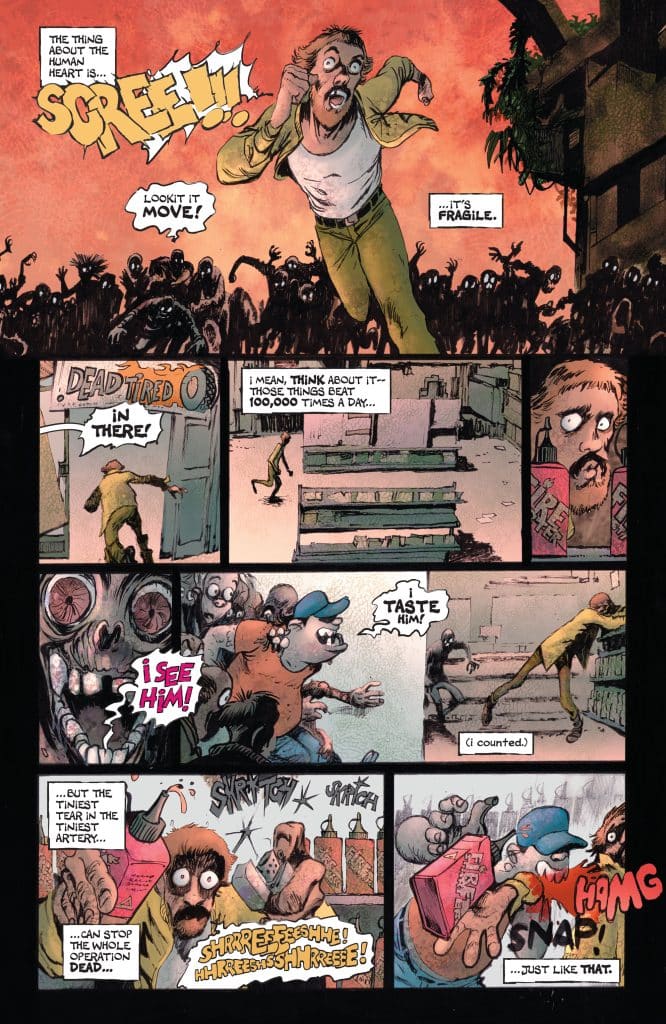
- The Satire of Decay: The series has effectively moved beyond the "survival horror" trope. It is now firmly entrenched in the "societal horror" subgenre, where the primary threat is not the monsters, but the social systems they have created.
- Artistic Progression: Stipan Morian’s work on this issue is likely to be cited as a benchmark for atmospheric horror. The use of scale—making the reader feel small against the backdrop of massive, bone-chilling monuments—is a technique that sets this title apart from its contemporaries.
- Genre Evolution: As readers become fatigued with traditional "run-from-the-monster" tropes, Bleeding Hearts provides a refreshing, albeit disturbing, alternative. It suggests that there is a market for stories that treat the end of the world as a mundane, albeit horrifying, state of affairs.
Why This Issue Matters Now
Coming out on July 4th, the release date itself feels like a calculated, if not cheeky, commentary on nationalistic pride and the celebration of origins. By juxtaposing the "unholy origin of our species" with a date traditionally associated with independence and new beginnings, the creators are making a bold statement about the cyclical nature of power.
The 11th Annual Outbreak is not just a party; it is a warning. It suggests that once the old world dies, a new, more rigid, and perhaps more terrifying order will take its place. The "Bone-Towers" act as a metaphor for the history we leave behind—structures built on the discarded remnants of our past that we are forced to look at every day.
Conclusion: A Must-Read for the Bold
Bleeding Hearts #6 is not for the faint of heart. It is a dense, challenging, and visually arresting installment that demands a second look. It asks the reader to consider what they would leave behind if they were the last of their kind, and how they would want their memory to be treated by those who inherit the earth.
For those looking to dive into a series that refuses to hold the reader’s hand, Bleeding Hearts offers a masterclass in tone and world-building. As the series moves into its next phase, the 11th Annual Outbreak will likely be remembered as the moment the series cemented its place as a modern classic of the horror genre.
Whether you are a fan of the macabre or a student of social satire, this issue is a mandatory addition to your collection. The party is in full swing, and as the series suggests: "You are what you are—be proud of that." Just be sure you aren’t the one on the menu.
About the Contributors:
- Deniz Camp: A writer known for his incisive, genre-bending approach to comic book storytelling.
- Stipan Morian: An illustrator whose work in the horror genre is celebrated for its intricate detail and oppressive atmosphere.
For more updates on Bleeding Hearts and the latest in independent comic book news, subscribe to the Graphic Policy newsletter and join our community of readers.