The landscape of gaming is undergoing a tectonic shift. In a move that has sent shockwaves through the community of collectors, archivists, and casual players alike, Sony has confirmed it is phasing out the production of physical game discs for its PlayStation ecosystem. This decision effectively marks the end of a decades-long tradition that defined the console experience since the original PlayStation’s debut in 1994.
As the industry pivots toward a cloud-first, digital-exclusive model, the backlash has been swift and cynical. Major consumer brands, typically disconnected from the nuances of gaming culture, have leaned into the controversy with biting, ironic social media campaigns. However, beneath the humor lies a grim reality for consumers: as Sony simultaneously moves to strip digital licenses from user libraries, the question of digital ownership has moved from a philosophical debate to a tangible crisis.
The Chronology of a Disappearing Medium
To understand the weight of this transition, one must look at the historical trajectory of the PlayStation brand. When the original console launched, the CD-ROM was the cutting-edge standard, offering massive storage capacities that catapulted gaming into the cinematic era.
- 1994–2006: The "Golden Age of Physical Media." Every console generation was defined by the physical disc, which served as a tangible receipt of ownership, a tradeable commodity, and a collector’s item.
- 2006: The launch of the PlayStation Store. This marked the quiet introduction of digital distribution, which initially served as a convenience-based supplement to physical retail.
- 2013–2020: The rise of the "Digital-Only" console SKU. With the PlayStation 5, Sony introduced a disc-less version, signaling a clear shift in consumer behavior and a preference for ecosystem lock-in.
- 2026: The current inflection point. Sony confirms the end of physical disc production, rendering the disc drive a relic of the past.
This evolution was not sudden, but rather a slow migration. Over the last two decades, Sony has systematically incentivized digital purchases through subscription services like PlayStation Plus, early access, and frequent sales, gradually eroding the market share of brick-and-mortar retail.
Supporting Data: The Erosion of "Ownership"
The shift to digital is not merely a change in format; it is a change in the legal relationship between the publisher and the player. Recent events surrounding Sony’s digital library have underscored the fragility of these assets.
In a move that has horrified the digital preservation community, Sony recently announced the removal of 551 films from user libraries due to a loss of licensing rights with Studio Canal. Customers who had purchased these titles—believing they were adding permanent entries to their digital collections—discovered that the content simply evaporated from their accounts.
There was no reimbursement, no credit, and, most crucially, no option to download a local backup. This incident serves as a chilling case study: in the digital age, a "purchase" is more accurately described as a "revocable, long-term license." When the licensing agreements expire, the consumer’s access is extinguished, regardless of how much capital they invested in the product.
Official Responses: Corporate Satire and Market Cynicism
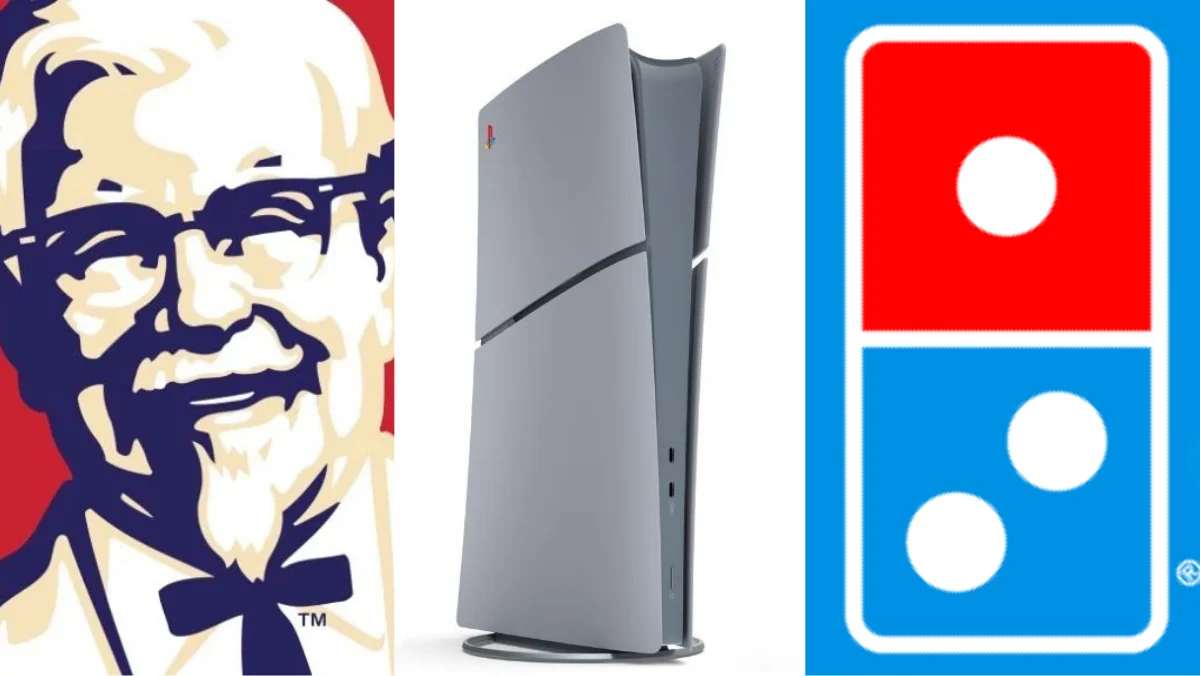
The reaction from other sectors of the industry has been surprisingly vocal. KFC Spain and Domino’s UK, brands known for their "online-native" marketing teams, took to X (formerly Twitter) to satirize the shift.
Domino’s UK poked fun at the absurdity of the "digital-only" trend, posting a mock update to their famous "Domin-oh-hoo-hoo" catchphrase, changing it to "Domin-oh-hoo-whose-dumb-idea-was-this?" The post gained significant traction, reflecting a broader sentiment of frustration among the general public. These companies are effectively mocking the industry’s trend toward stripping away physical assets, recognizing that their own products—like a hot pizza—are the antithesis of a digital, ephemeral service.
These posts are not just memes; they are indicators of how far the sentiment has shifted. When fast-food chains are using their marketing platforms to criticize a tech giant’s business practices, it highlights that Sony’s decision has moved beyond a "niche gamer complaint" into a mainstream cultural frustration.
Implications: The Future of the PlayStation 6 and Beyond
As industry analysts gaze toward the horizon, all eyes are on the upcoming PlayStation 6. Rumors suggest a 2028 release date, a window that would give Sony enough time to fully cement its digital-only infrastructure.
The End of the Disc Drive
The most significant implication is that the PS6 may be the first flagship console in the history of the brand to lack an internal disc drive entirely. While this reduces the manufacturing cost of the hardware, it removes the consumer’s ability to participate in the secondary market. Used games, which are the backbone of affordable gaming for millions, will effectively be legislated out of existence by the console’s software architecture.
The "Service" vs. "Product" Divide
The industry is moving toward a "Netflix-ification" of gaming. By controlling the distribution channel exclusively, Sony retains total authority over pricing, availability, and access. If a game is pulled from the store, it vanishes. If a server is shut down, the game becomes a paperweight. The loss of physical media removes the "off-ramp" for consumers—the ability to play a game offline, indefinitely, without needing to ping a corporate server to verify a license.
The Rise of Digital Preservationists
The void left by Sony’s decision is already being filled by a growing movement of digital archivists. Independent groups are now working to archive game data, create fan-made patches for defunct servers, and advocate for the "Right to Repair" and "Right to Own." However, as encryption becomes more sophisticated, the hurdle to preserving these titles becomes exponentially higher.
Conclusion: A Precarious Future
We are currently witnessing the end of an era. The physical disc was more than just a piece of plastic; it was a symbol of autonomy. It represented a contract: you paid once, and you owned the ability to play that game for as long as your hardware lasted.
As we transition into this new digital-only paradigm, the power dynamic has shifted entirely in favor of the publisher. Sony’s recent removal of Studio Canal films from its library is not an isolated incident—it is a preview of the "digital rot" that will inevitably affect gaming as time goes on.
For the average consumer, the convenience of digital downloads is undeniable. The ability to switch between games without swapping discs is a luxury many have grown accustomed to. Yet, as the industry marches toward a future where every game is merely a streamable or downloadable service, we must ask ourselves: what happens when the connection is lost?
If the recent reactions from brands like Domino’s and the growing outcry from the gaming community are any indication, the industry may have miscalculated the value players place on the permanence of their collections. In their rush to secure recurring revenue and prevent the resale of software, Sony may be sacrificing the very thing that made the PlayStation brand a titan of the industry: the trust of the user.
The digital future is here, but for many, it feels less like an upgrade and more like an eviction from their own libraries. As we look toward the 2028 release of the next generation of consoles, the question remains: will we truly own our games, or are we merely renting our hobbies one license at a time?