

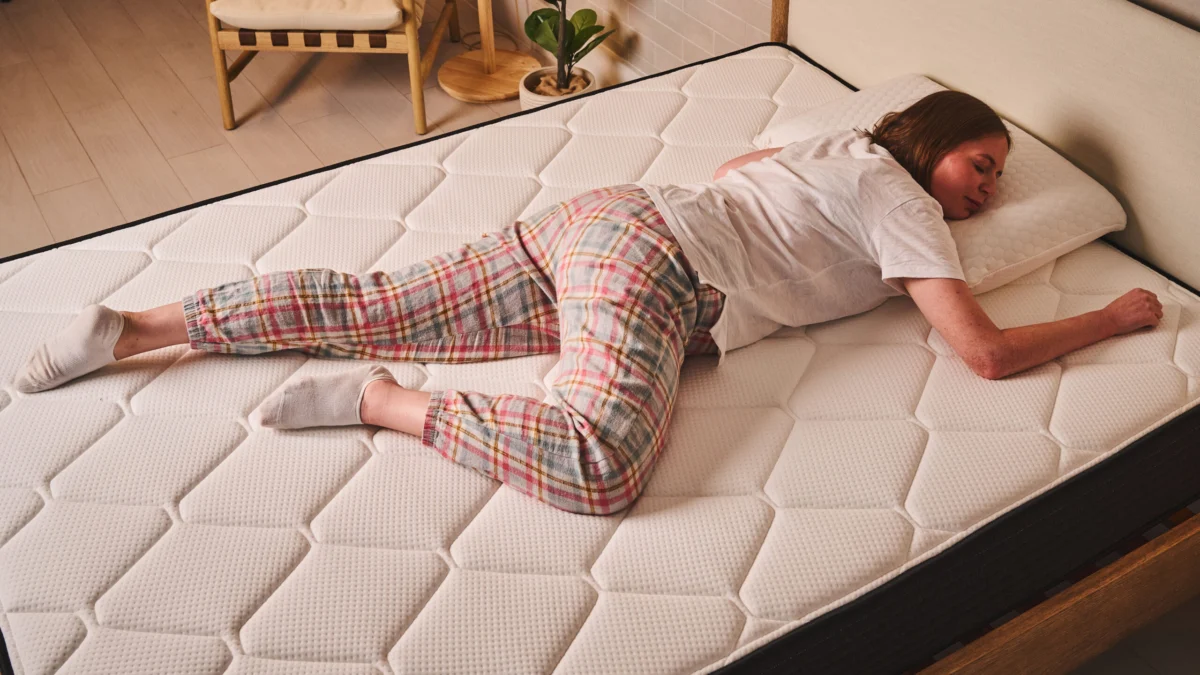
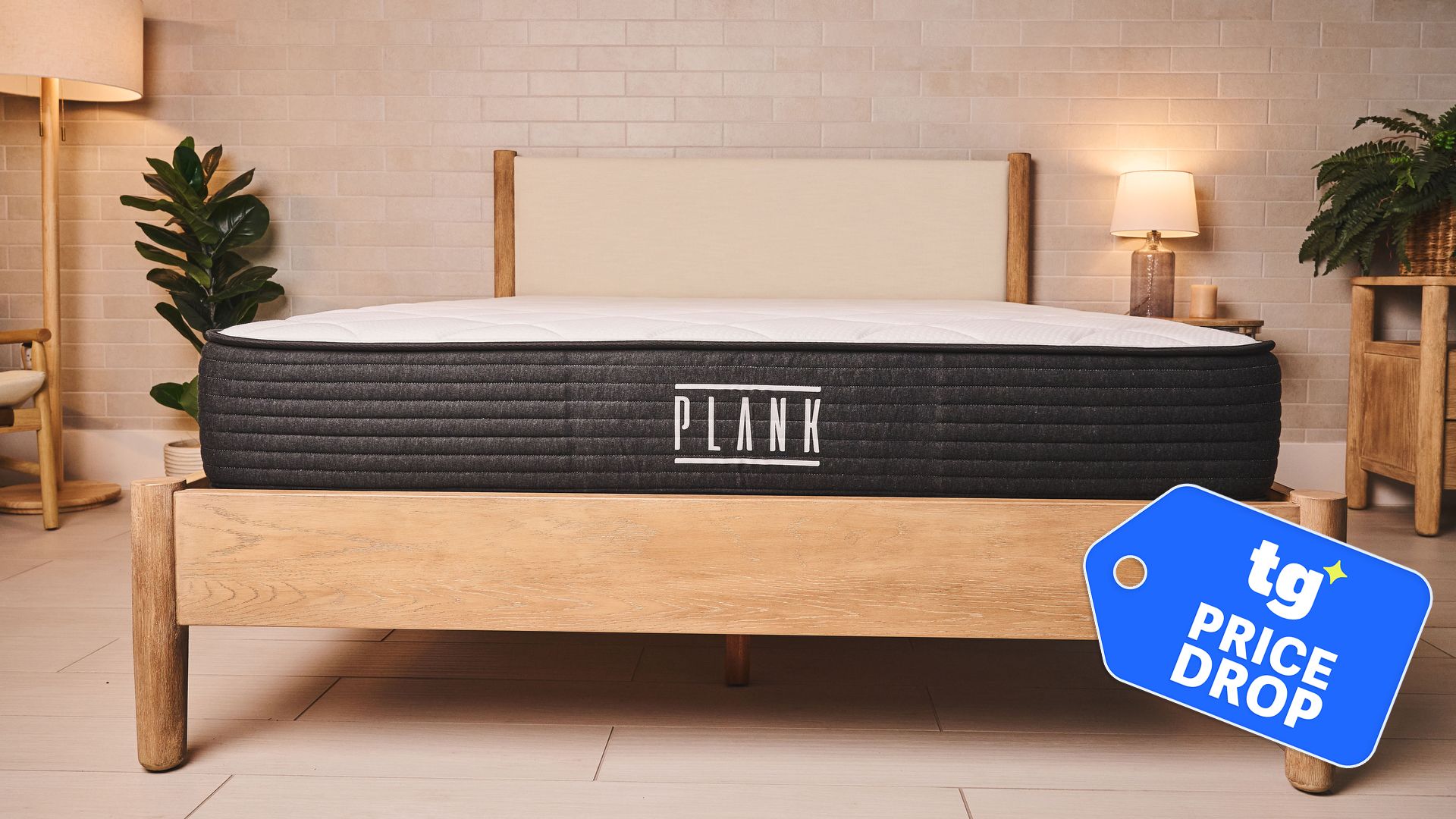
In an industry currently obsessed with the "universal feel"—a middle-of-the-road softness designed to please the widest possible demographic—the Plank Firm mattress arrives as a deliberate outlier. For those who suffer from chronic back pain, or simply prefer the sensation of sleeping "on" rather than "in" their bed, the Plank has carved out a distinct niche. As part of a major 30% off 4th of July sale, the Plank Firm is currently available starting at $524, returning to its lowest price point of the year.
While many mattresses marketed as "firm" often include soft memory foam top layers that sacrifice structure for comfort, the Plank takes a different approach. It is a double-sided, all-foam bed designed specifically to facilitate spinal neutral alignment. By stripping away the plush, cloud-like aesthetic common in modern direct-to-consumer bedding, the Plank offers a utilitarian, unyielding surface that has earned it the title of the Best Firm Mattress of 2026.
The Evolution of the Firm Mattress: A Chronology of Design
The shift toward ultra-firm sleep surfaces began as a direct response to the "memory foam boom" of the 2010s. Early, low-density foams were notorious for trapping heat and creating "sinkholes," where the mattress would lose its structural integrity within a few years. Consumers began reporting increased lower back pain, as the lack of lumbar support caused their hips to dip, effectively folding the spine throughout the night.
The Plank Mattress was developed with a specific engineering goal: mimic the support of a traditional Japanese futon while maintaining the convenience of modern foam logistics.
- Initial Prototype Phase: Engineers focused on high-density polyurethane cores that could withstand immense pressure without permanent deformation.
- The Double-Sided Innovation: Recognizing that "firmness" is subjective, the company introduced a flip-over design. One side provides a traditional firm feel, while the reverse offers an "extra firm" experience, achieved through varying the density of the foam layers.
- Market Reception: Following its launch, the mattress gained traction among physical therapists and chiropractors, who often recommend firm surfaces to patients suffering from hyper-mobility or chronic spinal inflammation.
Supporting Data: Why Firmness Matters for Alignment
The core philosophy behind the Plank Firm is "unyielding support." For a mattress to support the body, it must exert a counter-force equal to the weight of the sleeper. If the mattress yields too much—as in soft or medium-soft beds—the heavier parts of the body, specifically the hips and shoulders, sink deeper into the material. This creates a "hammock effect," forcing the spine into a curved position for six to eight hours a night.
Clinical Implications of Surface Tension
Data suggests that for individuals with a higher Body Mass Index (BMI) or those who carry weight in their midsection, a firmer mattress is not just a preference; it is a necessity for recovery. The Plank’s construction eliminates "sagging," which is defined in industry testing as a loss of more than 0.5 inches in material depth after 100,000 cycles of rolling pressure. Because the Plank maintains its shape, it allows the muscles of the lower back to fully relax, as they are no longer required to engage in micro-adjustments to compensate for an uneven sleep surface.
Anatomy of the Plank Firm: A Targeted Approach
The Plank is categorized as a "niche" product for a reason. It is not designed for the general population, nor does it attempt to be. Its design focuses on three key pillars:
1. Spinal Neutrality
By holding the body in a straight line from head to toe, the Plank addresses the primary cause of morning stiffness: uneven weight distribution. For desk workers who spend their days hunched over, the "straightening" effect of the mattress acts as a passive stretching mechanism throughout the night.
2. Specialized Sleeping Positions
The mattress is specifically optimized for two groups:
- Back Sleepers: The firm surface ensures the lumbar region is cradled without the pelvis dropping into the foam.
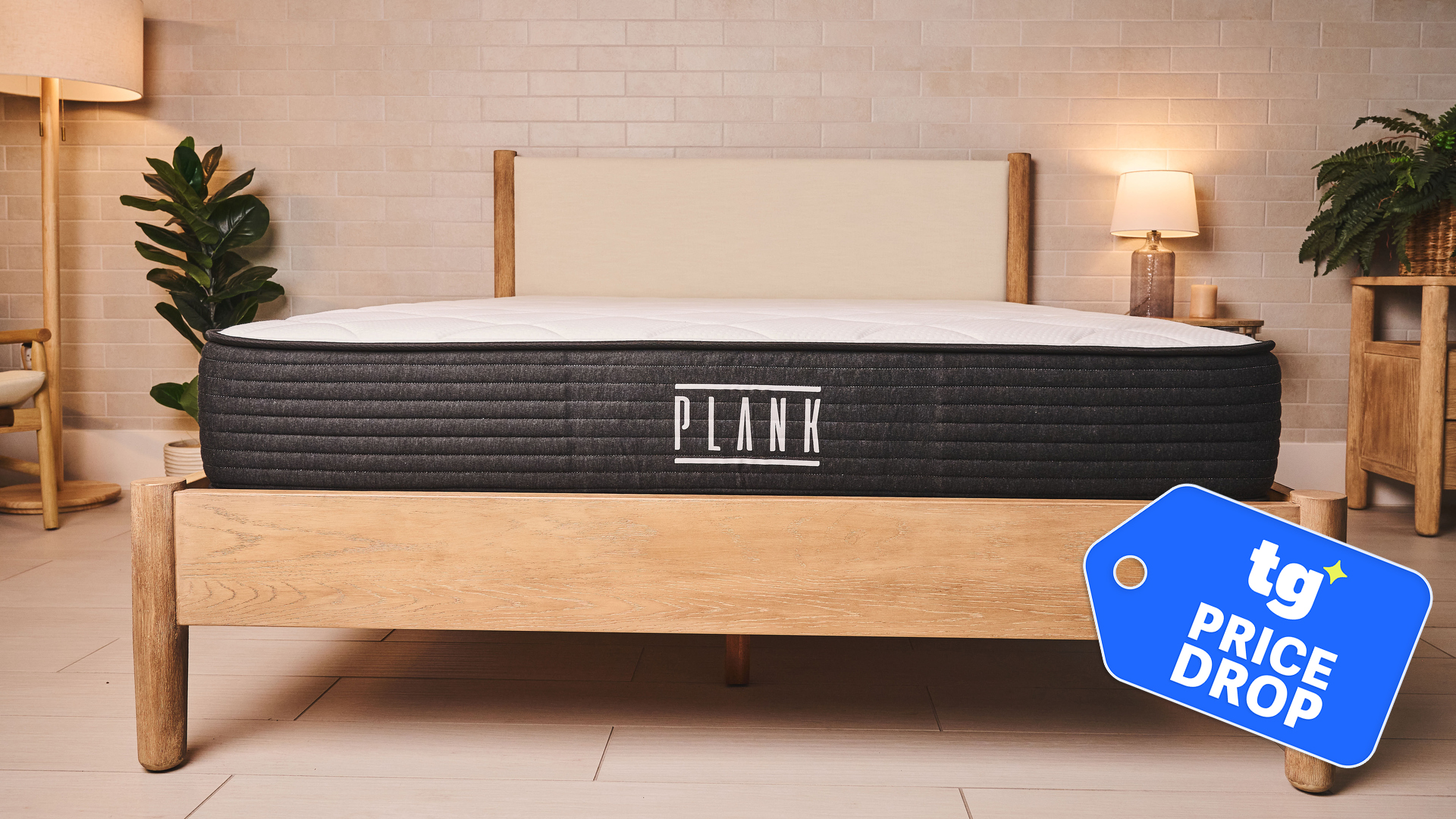
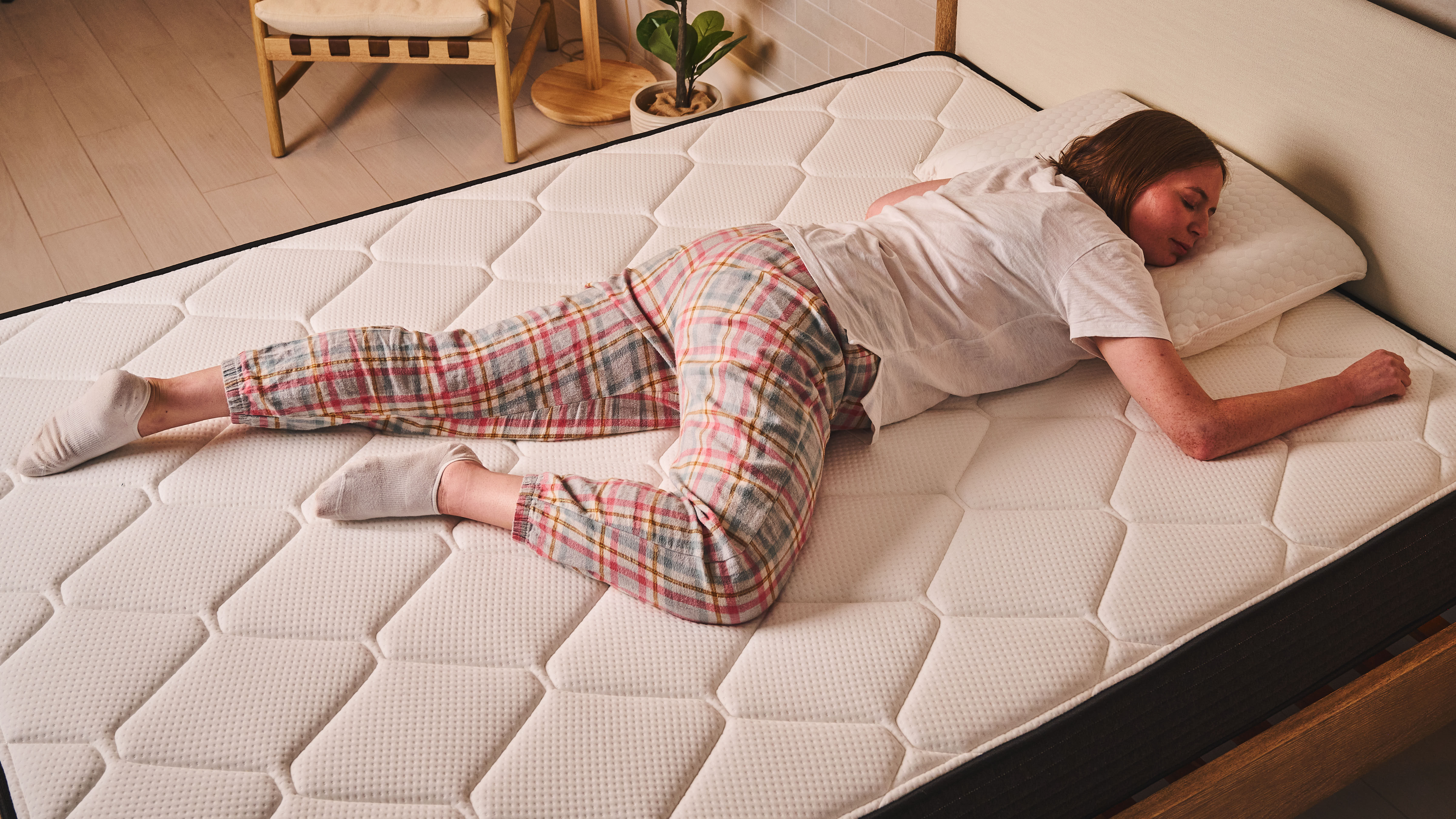
- Stomach Sleepers: This is the most demanding position for a mattress. If the bed is too soft, the stomach sinks, hyperextending the lower back. The Plank provides the necessary resistance to keep the spine in a neutral, flat position, which is critical for preventing long-term orthopedic issues.
3. Edge-to-Edge Sturdiness
Edge support is a frequently overlooked metric in mattress reviews. In the Plank, the perimeter is as firm as the center. This is particularly advantageous for individuals with limited mobility who need a stable surface to push off from when getting out of bed. The structural integrity is such that sitting on the edge of the mattress feels akin to sitting on a solid, upholstered chair, rather than a soft piece of furniture.
Official Manufacturer Stance: The "Less Is More" Philosophy
In interviews regarding the design of the Plank, the company has consistently emphasized that "comfort" is often conflated with "cushioning." Their official response to the market trend of ultra-soft beds is that true comfort is derived from the absence of pain, not the presence of plushness. By prioritizing a high-density, flat-plane construction, they are targeting a demographic that values longevity and health-conscious design over the "cozy" marketing tropes prevalent in the sleep industry.
Implications for the Consumer: The 4th of July Sales Landscape
As the retail industry enters the 4th of July sales period, the market is saturated with discounts on "universal" mattresses. However, the decision to invest in a firm mattress like the Plank should be treated as a health decision rather than a decor choice.
Consumers looking for a new mattress this month should consider:
- The Adjustment Period: Unlike softer beds, a transition to an ultra-firm surface may require a "break-in" period of 14 to 30 days. The body, accustomed to compensating for softer surfaces, may initially feel "sore" as it adjusts to a proper, neutral spinal position.
- Material Longevity: Because the Plank uses high-density foams, it is statistically less likely to develop body impressions (the "valley" effect) compared to lower-density memory foam beds.
- Value Proposition: With the current 30% discount, the price point of $524 represents a significant value, particularly for those who have previously found standard market offerings to be inadequate for their back-health needs.
Conclusion
The Plank Firm mattress is a testament to the fact that specialization still has a place in a commoditized market. By ignoring the trends of "sink-in" comfort and focusing on the mechanical requirements of the human spine, it provides a solution for a specific set of physical needs. While it may not be for the side sleeper who craves a "hug" from their mattress, it remains the gold standard for those who require the rigid, reliable support of a firm foundation. As it returns to its lowest price of the year, it offers a compelling argument that the best way to wake up refreshed is to ensure your body spent the night in perfect alignment.











