Layla Zulfa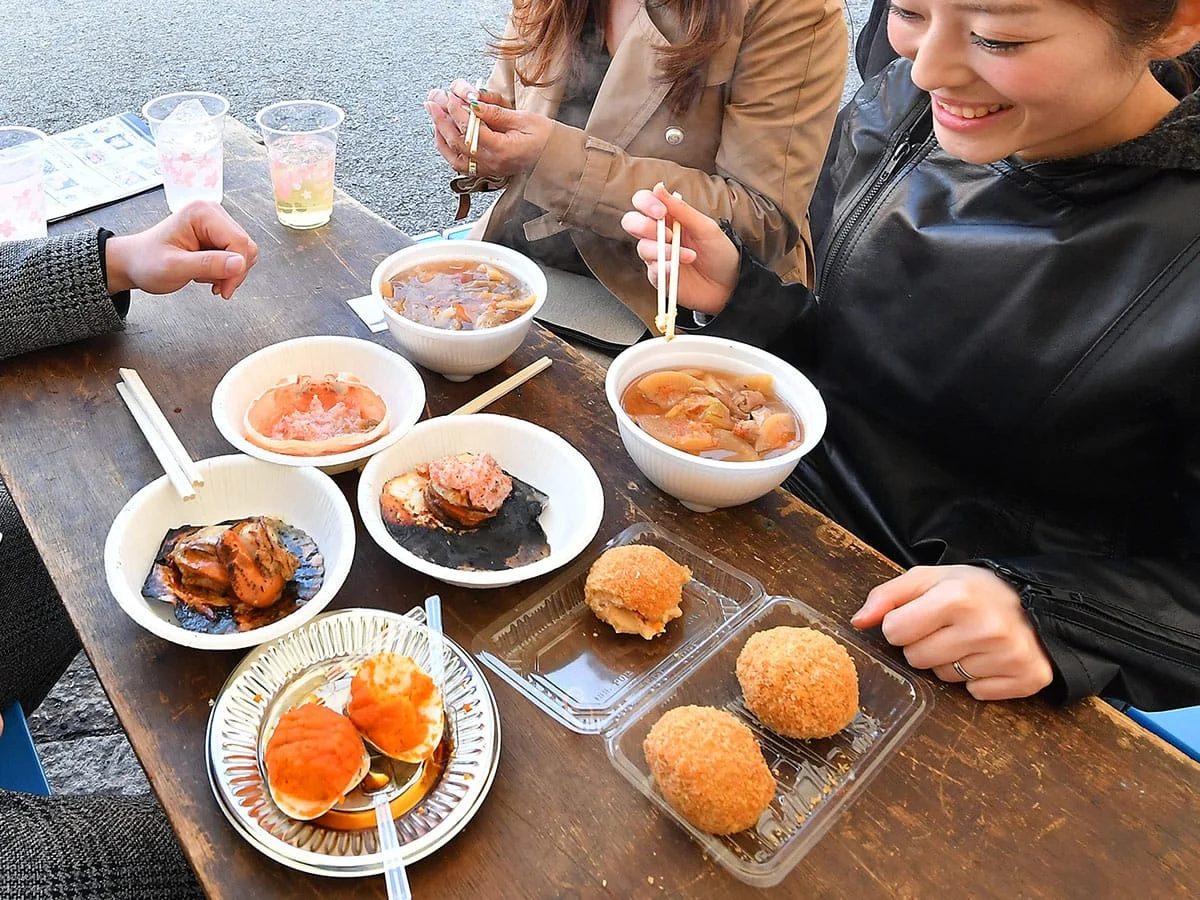
The Return of a Culinary Giant
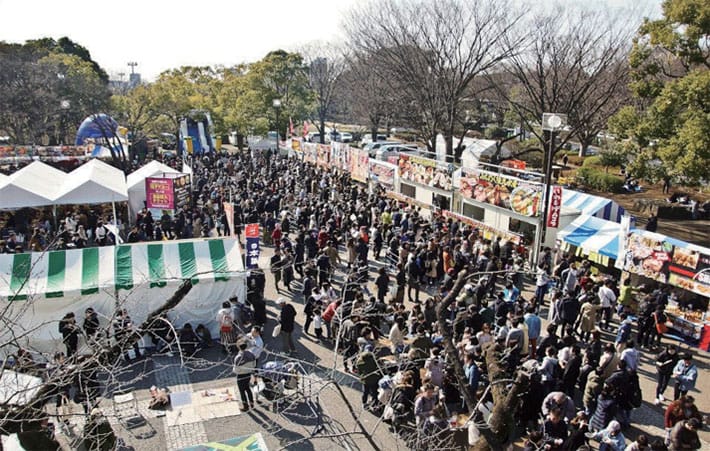
After a long-awaited four-year hiatus, the epicenter of Japanese seafood culture is set to roar back to life. The 4th annual Sakana & Japan Festival 2023 is scheduled to transform Tokyo’s Yoyogi Park into a gastronomic paradise from February 23rd to February 26th. As the sister event to the renowned Japan Fisherman’s Festival—the nation’s largest seafood celebration held annually in Hibiya Park—this event represents more than just a food fair; it is a vital reclamation of Japan’s vibrant street-food culture and a much-needed celebration for the nation’s fishing communities.
For seafood enthusiasts in the Tokyo metropolitan area, the festival’s return signifies the end of a long period of uncertainty. Since the 3rd Sakana & Japan Festival concluded in 2019, the subsequent iterations scheduled for 2020, 2021, and 2022 were systematically canceled due to the persistent challenges posed by the novel coronavirus pandemic. Now, with public health measures stabilizing and a renewed interest in local tourism, the organizers are ready to welcome crowds back to the heart of Shibuya.
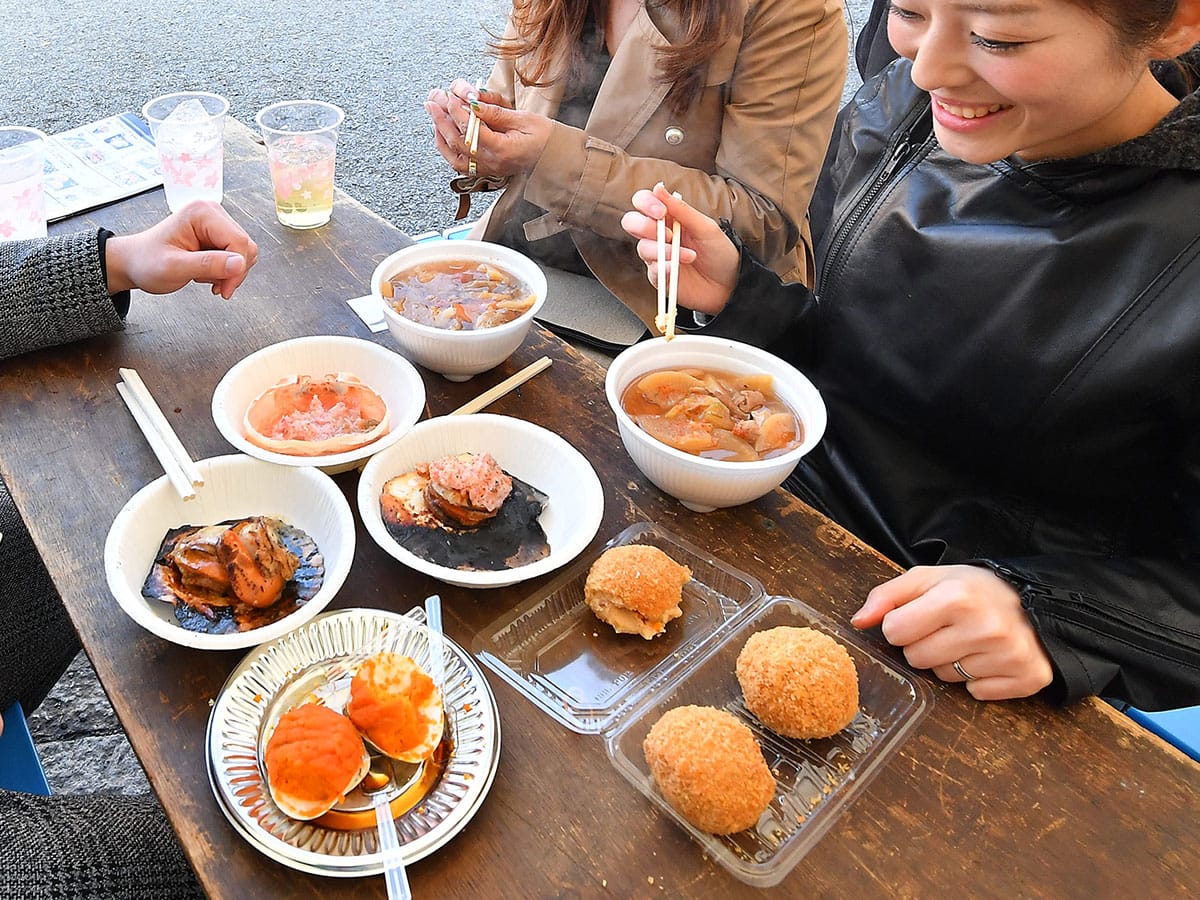
Chronology: A History of Resilience
The trajectory of the Sakana & Japan Festival has been defined by its ambition to connect urban consumers with rural producers. Historically, the festival serves as a high-profile platform for regional fishermen to showcase the diversity of the Japanese archipelago’s maritime offerings.
- 2017–2019: The Foundation: The inaugural years established the festival as a premier destination for foodies. By focusing on quality, sustainability, and authentic "fisherman-style" preparation, the event rapidly grew in both scale and reputation, eventually requiring the vast grounds of Yoyogi Park to accommodate the influx of visitors.
- 2020–2022: The Silent Years: The global pandemic hit the festival industry particularly hard. For three consecutive years, the cancellation of the event resulted in significant economic losses for local vendors who relied on the festival as a primary revenue stream. These years were marked by a lack of face-to-face engagement between rural fishing cooperatives and urban consumers.
- 2023: The Great Reopening: The 2023 iteration is framed as a "rebound event." By choosing the late-February window, organizers are tapping into the tail end of the winter seafood season, where cold-water fish—prized for their high fat content and superior flavor—are at their peak.
Supporting Data: A Deep Dive into the Menu
The 2023 festival is slated to host approximately 70 specialized booths. This massive logistical undertaking is designed to represent the geographical breadth of Japan’s waters, from the frigid northern seas of Hokkaido to the warmer currents surrounding Kyushu.
Signature Offerings and Culinary Highlights
The menu is curated to provide a cross-section of Japanese seafood traditions, ranging from high-end sashimi to hearty, rustic fisherman’s stews. Key highlights identified in the event’s preliminary press materials include:
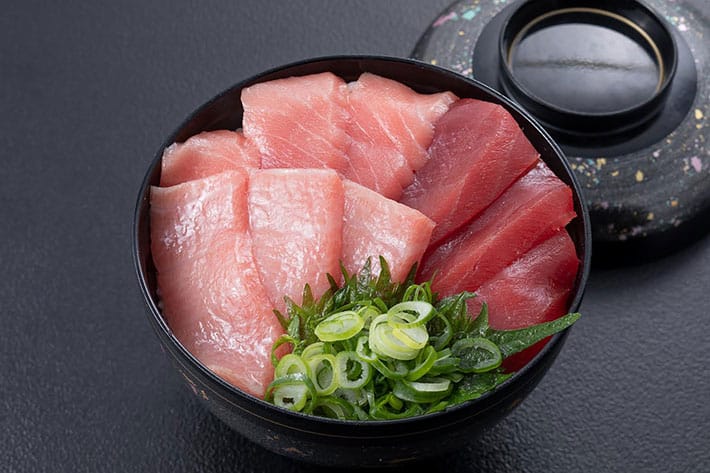
- The Kuroshio Market’s Tuna Trio: A decadent bowl featuring three distinct cuts of premium tuna. This dish highlights the artistry of the Kuroshio Market, known for its expertise in sourcing and preparation.
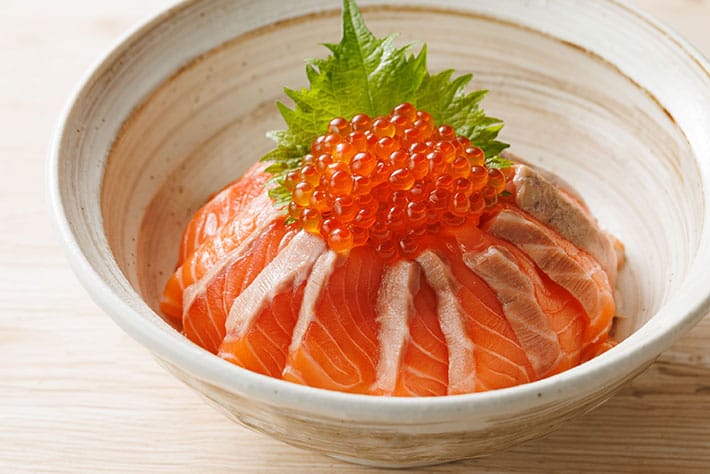
- Maple Salmon & Ikura Bowl: This dish features "Maple Salmon," a specialized brand of salmon trout originating from Fukushima Prefecture. The history of this fish is a testament to Japanese agricultural innovation; it was developed by hatching and breeding Canadian rainbow trout roe over several generations. The result is a texture and flavor profile specifically tailored to the Japanese palate—rich, buttery, and clean.
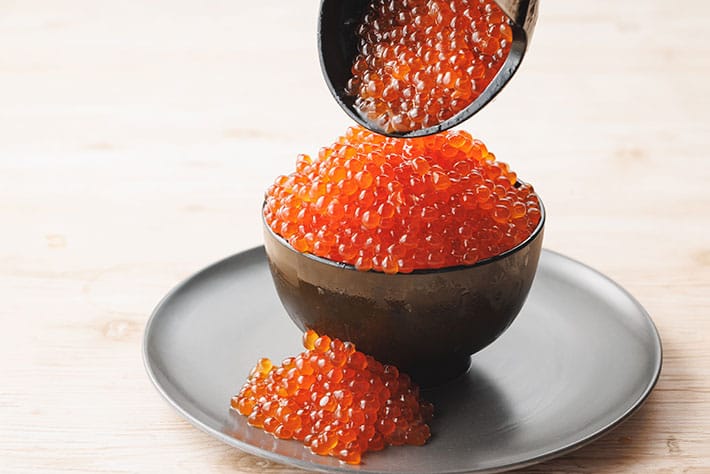
- The "New Improved" Salmon Roe Bowl: An upgrade on a classic, this bowl focuses on the quality of the ikura (salmon roe), emphasizing freshness and precise curing methods.
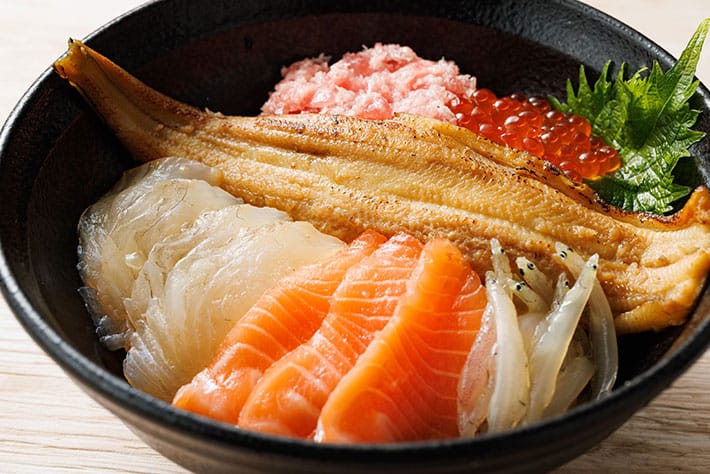
- Fukushima Seafood Bowl: A regional showcase that brings together the best of Fukushima’s coastal output, highlighting the prefecture’s commitment to safety and quality in the post-2011 era.
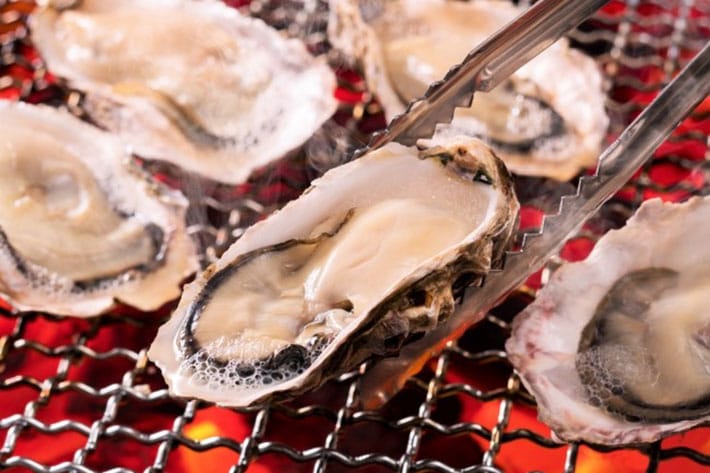
- Fresh Grilled Oysters: A festival staple that offers the simple, elemental pleasure of charcoal-grilled shellfish, often served with a splash of local citrus or soy.
Official Responses and Strategic Intent
Organizers have emphasized that the festival is more than just an opportunity to eat; it is a strategic effort to support the domestic fishing industry. According to industry advocates, the pandemic years created a "supply-chain disconnect," where the sudden collapse of restaurant demand left fishermen with an overabundance of product and no clear avenue for sales.
By facilitating a direct-to-consumer model at Yoyogi Park, the Sakana & Japan Festival effectively acts as a bridge. It allows producers to bypass wholesalers and retail markups, ensuring that the profits remain in the hands of the fishermen while offering consumers a competitive price point for high-grade ingredients.
The Japan Fisherman’s Festival organization, which oversees these events, has stated in various forums that their goal is to increase the per-capita consumption of fish in Japan. By introducing younger generations to diverse seafood preparations—such as seafood ramen, paella, and fusion bowls—the organizers hope to pivot away from the traditional, often intimidating, image of high-end sushi-ya dining and toward a more accessible, casual, and frequent seafood consumption habit.
Implications: The Cultural and Economic Impact
The return of the festival has broad implications for both Tokyo’s economy and the national food narrative.
1. Boosting Local Tourism
The festival serves as a cultural anchor for Shibuya, one of Tokyo’s most visited districts. By hosting an event that celebrates the "flavor of the regions," the city of Tokyo is effectively acting as a promotional hub for the rest of the country. Tourists who enjoy a particular dish at the festival are statistically more likely to visit the prefecture of origin later in the year.
2. Post-Pandemic Social Reconnection
The communal nature of eating at the festival—standing at tables, sharing food with friends, and engaging directly with chefs—reestablishes the social fabric that was frayed during years of social distancing. It provides a sense of normalcy and psychological relief, marking a transition into a post-pandemic era of public events.
3. Sustainability and Awareness
The festival also serves as a platform for discussions regarding sustainable fishing practices. Through the consumption of varied species—not just the popular favorites like tuna or salmon—the festival encourages a more balanced consumption of Japan’s marine resources. Visitors are exposed to underutilized or regional fish species, which helps to alleviate pressure on overfished stocks and supports a more diversified maritime economy.
Practical Information for Visitors
While the event is free to attend, prospective visitors should prepare for the reality of high demand. Given the four-year gap, organizers anticipate record-breaking attendance.
- Payment: While entry is free, food and beverage sales are handled individually at each booth. It is highly recommended that attendees bring sufficient cash, as some smaller vendors may not have reliable mobile payment or credit card terminals.
- Timing: To avoid the longest queues, visiting during weekday hours or arriving early on the morning of February 23rd is advisable.
- Updates: Because the event is subject to dynamic changes in vendor availability and weather conditions, visitors are encouraged to monitor the official Sakana & Japan Festival website for real-time updates on booth locations, menu changes, and any potential event schedule modifications.
Conclusion: A Future of Continued Growth
The 2023 Sakana & Japan Festival stands as a symbol of resilience. The return of this event is a clear signal that Japan’s culinary heartbeat—centered on the bounty of the sea—remains as strong as ever. For those lucky enough to be in Tokyo this February, it offers a rare opportunity to taste the craftsmanship of the nation’s best fishermen and chefs in one accessible, vibrant location.
As the organizers look toward the future, the success of this year’s festival will undoubtedly set the stage for next year’s iteration. By bridging the gap between the ocean and the urban table, the Sakana & Japan Festival secures its place as an indispensable fixture in the Japanese cultural calendar, ensuring that the traditions of the past are sustained by the appetite of the present. Whether you are a connoisseur of fine sashimi or a casual fan of street food, the upcoming event in Yoyogi Park is an experience not to be missed.


 Neng Nana
 Asro
Asro