Raul Delapena Setiawan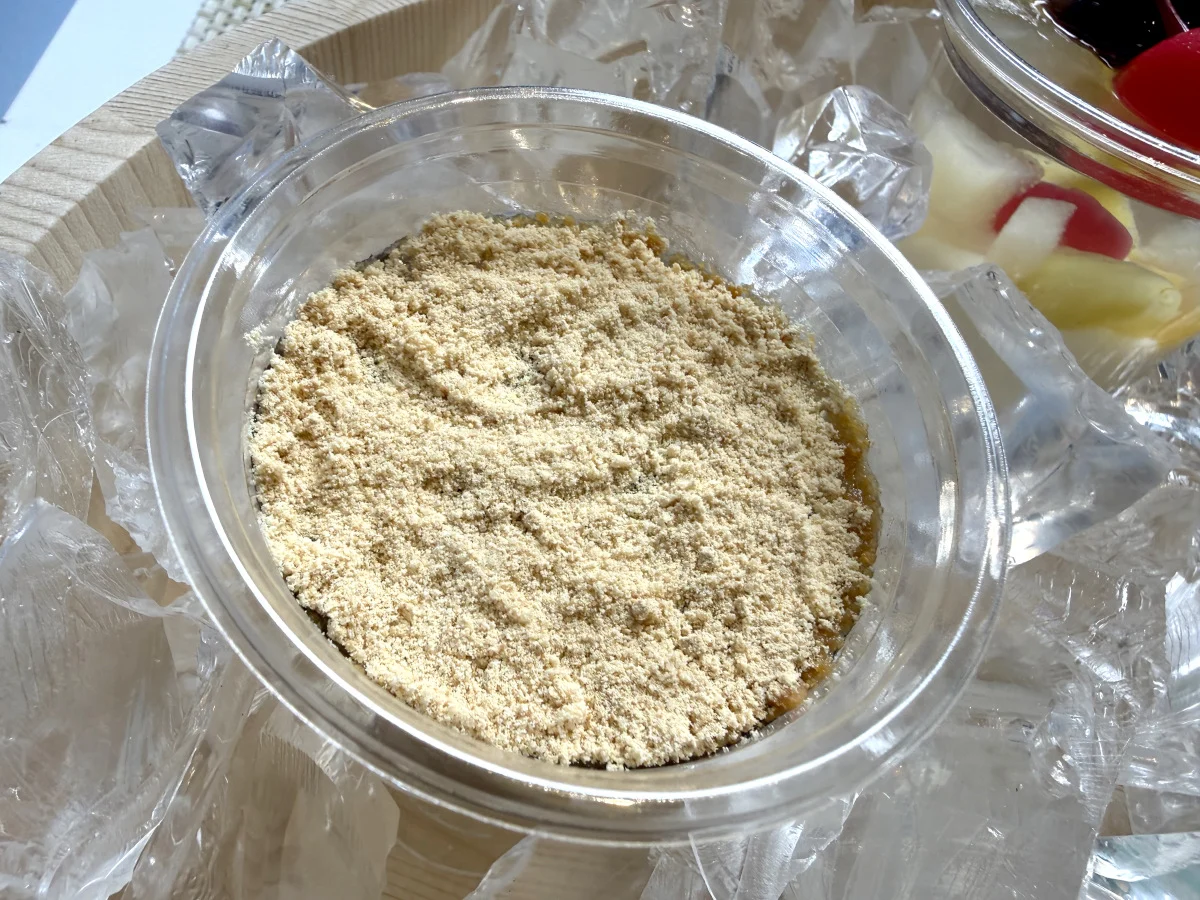
In the ever-evolving landscape of Japanese culinary innovation, few chains are as bold as Marugame Seimen. Known internationally as Marugame Udon, the fast-casual titan has spent years defying the traditional boundaries of noodle preparation. From the introduction of "shakeable" portable noodles to the viral sensation of udonuts—doughnuts infused with the distinct chew of udon flour—the company has established itself as an experimental laboratory for wheat-based gastronomy.
Now, as the summer heat descends upon Japan, Marugame Seimen has unveiled its most daring project to date: Udon Purin. This dessert, which reimagines the beloved Japanese custard-like pudding through the lens of a savory noodle house, challenges the very definition of what a sweet treat can be.
Main Facts: A Dessert Defined by Texture
The Udon Purin is a radical departure from the purin typically found in Japanese convenience stores. While traditional purin relies on a delicate emulsion of eggs, milk, and sugar, set to a silky, jiggly consistency, the Marugame iteration is built from the literal foundation of the restaurant’s primary product.
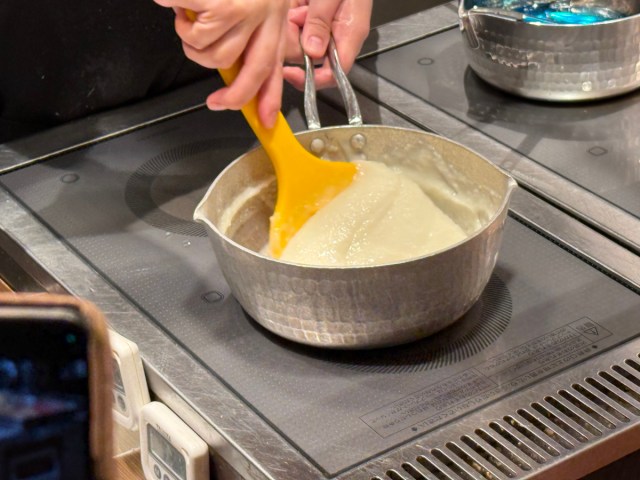
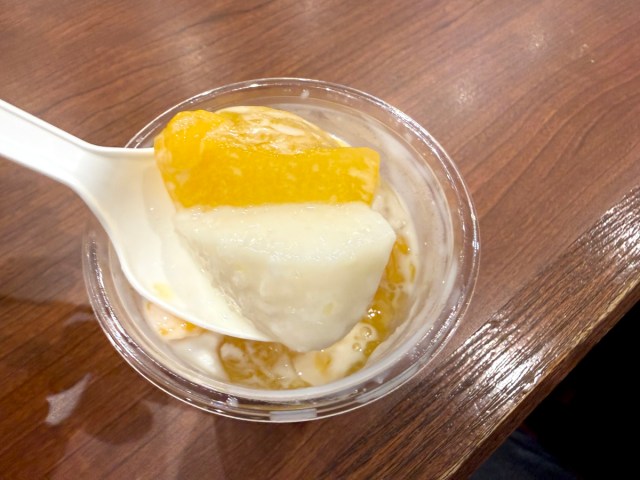
The production process is a feat of culinary engineering. Chefs take finely chopped udon noodles, knead them into a refined paste, and subject them to a slow-cooking process. Once solidified, the mixture is chilled, resulting in a firm, elastic texture that deviates significantly from the melt-in-the-mouth nature of standard custard. Rather than using eggs or traditional dairy-heavy binding agents, the "pudding" derives its body from the starch of the wheat noodles themselves. It is then sweetened with condensed milk and granulated sugar to bridge the gap between a savory staple and a sugary dessert.
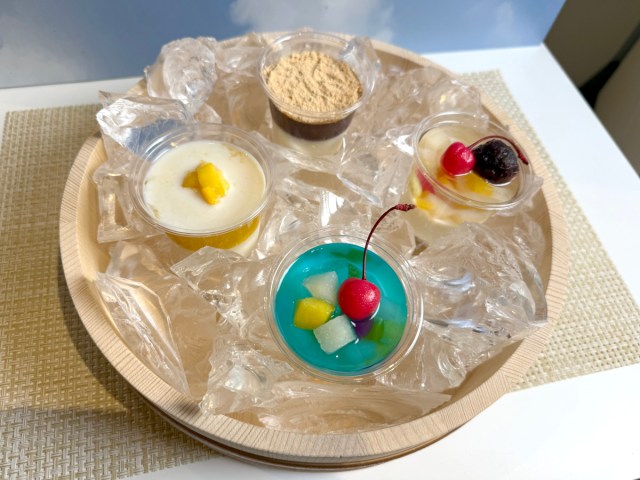
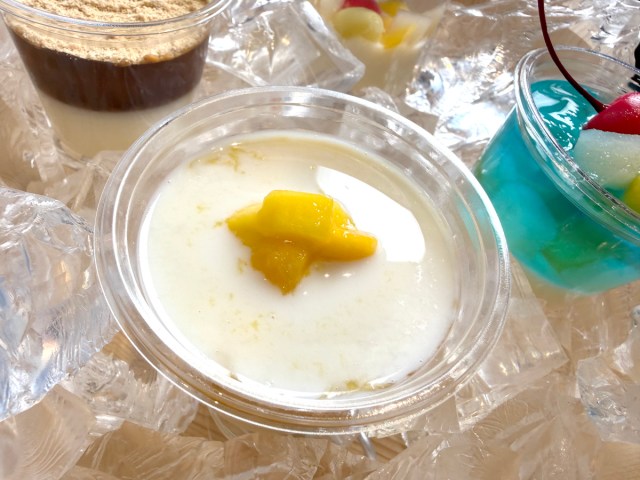
The product line, launching on July 7th, features four distinct variations, each priced between 290 and 340 yen (approx. $1.80 to $2.12 USD). The flavor profiles are diverse, ranging from the refreshing, neon-hued Blue Hawaii to the deeply traditional Anko Kinako, which incorporates red bean paste and roasted soybean flour.
The Chronology of a Culinary Pivot
To understand the emergence of Udon Purin, one must look at the recent trajectory of Marugame Seimen’s menu development.
- June 2023: The chain launches its first-ever drive-through concept in Japan, signaling a push toward convenience and on-the-go consumption.
- June 2024: The company debuts "Udonuts," a fusion snack that successfully proved that the signature texture of udon flour could be adapted for sweet, deep-fried applications.
- Early 2026: Research and development teams begin exploring "summer-specific" menu items, with a directive to expand the versatility of udon beyond the hot-and-cold broth paradigm.
- July 2026: The official launch of Udon Purin at select locations.
The development phase was marked by an intense focus on texture. During the pre-tasting sessions held in Tokyo, developers admitted that the primary hurdle was not the flavor—which was easily managed with sugar and fruit toppings—but the mouthfeel. The team had to strike a balance between the "toothsome" bite of a fresh noodle and the expected smoothness of a pudding.
Supporting Data: The Four Faces of Udon
The Udon Purin is designed as a multi-layered experience. Each cup consists of three distinct tiers: the pudding base, a layer of jelly or paste, and a fruit or bean topping. The flavor profiles are curated to appeal to a wide demographic:
- Mango: This iteration leans into tropical sweetness. The pudding base, when paired with mango, highlights the similarity between the chewy udon-starch base and Southeast Asian tapioca or kuih desserts.
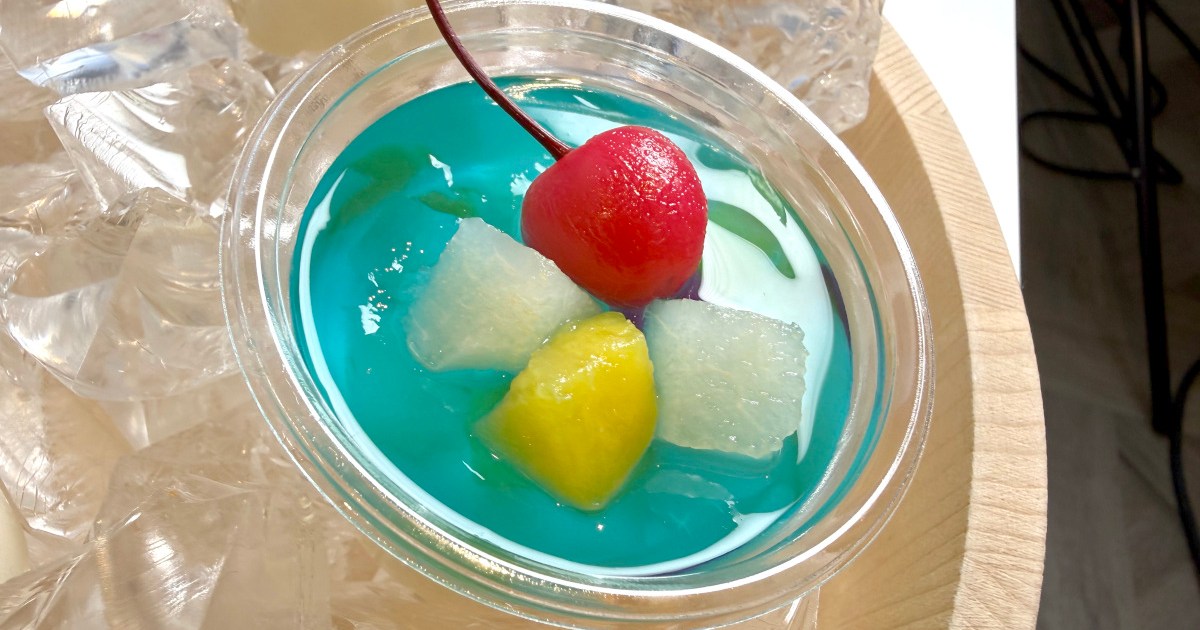
- Blue Hawaii: A visual spectacle, this version utilizes a bright blue jelly topping that offers a refreshing, summery contrast to the dense, starchy pudding below.
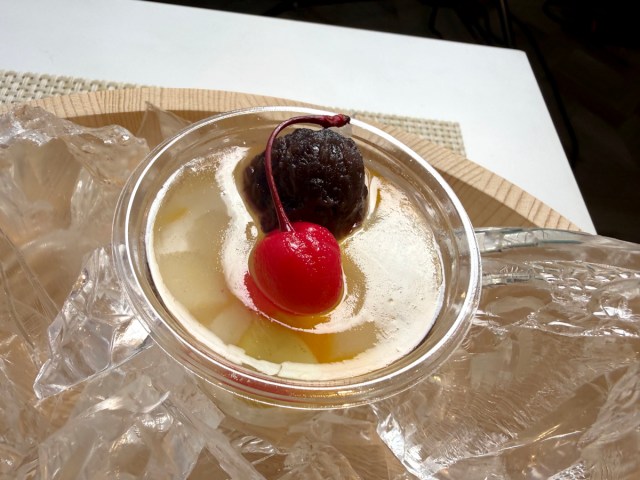
- Anmitsu-style: A nod to traditional Japanese tea-house desserts. This version incorporates kanten (agar jelly) and creates a bridge between modern fusion and classical confectionery.
- Anko Kinako: The most mature offering, this uses the nutty bitterness of roasted soybean flour to ground the intense sweetness of the condensed-milk-infused base.
The pricing strategy is aggressive, positioning these desserts as an "add-on" purchase for customers already dining in the store. By keeping the price point low, Marugame is encouraging trial among their existing customer base, turning a standard lunch stop into a comprehensive dining experience.
Official Responses and Strategic Vision
Marugame Seimen’s corporate communications have been clear about their motivation: they are attempting to "expand the ways to enjoy udon." In a market as saturated as Japan’s fast-food industry, differentiation is the only path to sustained growth.

"We wanted to challenge the perception of udon," a company spokesperson noted during the press preview. "For too long, wheat noodles have been confined to lunch and dinner. By moving into the dessert space, we aren’t just selling a sweet treat; we are re-educating our customers on the versatility of our core ingredients."
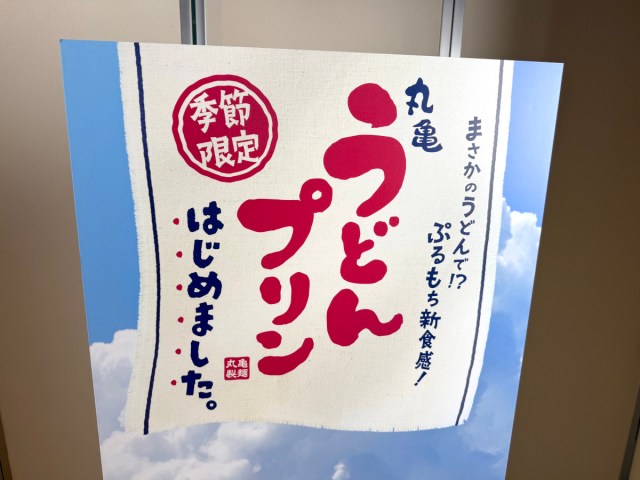
The company has taken a cautious approach to distribution. Because each unit is prepared fresh in-store, production is limited. Interested customers are advised to look for specific signage—featuring the stylized characters for "Udon Purin"—at participating locations. This scarcity is a calculated move to manage quality control and generate "buzz" through social media, as customers scramble to find the few stores offering the limited-run item.
The Implications: Is This the Future of Noodle Chains?
The launch of Udon Purin raises an interesting question: can a brand known for a singular, savory product successfully pivot into the dessert category?
Cultural Impact
In Japan, the purin market is fiercely competitive, dominated by artisan shops and high-end dairy brands. By entering this space, Marugame is effectively declaring that their brand identity is no longer "the noodle shop," but rather "the wheat expert." If successful, this could pave the way for a wider range of flour-based desserts, potentially including cakes, pastries, or even cold-set noodle mousses.
Operational Challenges
The move is not without risks. Preparing Udon Purin in-store requires staff to master a completely different set of skills—kneading, chilling, and layering—that are far removed from boiling noodles and pouring broth. This increases the complexity of kitchen operations and could lead to inconsistencies in quality across different franchise locations.
The Verdict
Initial taste tests suggest that the Udon Purin is a polarizing experience. Critics might argue that the chewiness of the udon-base, while impressive, feels "unnatural" for a pudding. However, supporters of the dish point to the growing trend of "mochi-like" textures in global desserts. The Udon Purin isn’t just a dessert; it is a testament to the fact that in the current market, innovation isn’t just about adding new flavors—it’s about changing the fundamental texture of what we eat.
As of early July 2026, the Udon Purin remains an experimental, limited-time offering. Whether it becomes a permanent fixture of the menu or goes down in history as a strange, one-off culinary experiment, one thing is certain: Marugame Seimen has once again successfully captured the public’s attention, proving that even a humble bowl of noodles has a lot more to offer than meets the eye.


 Neng Nana
 Asro
Asro