Dwi Wanna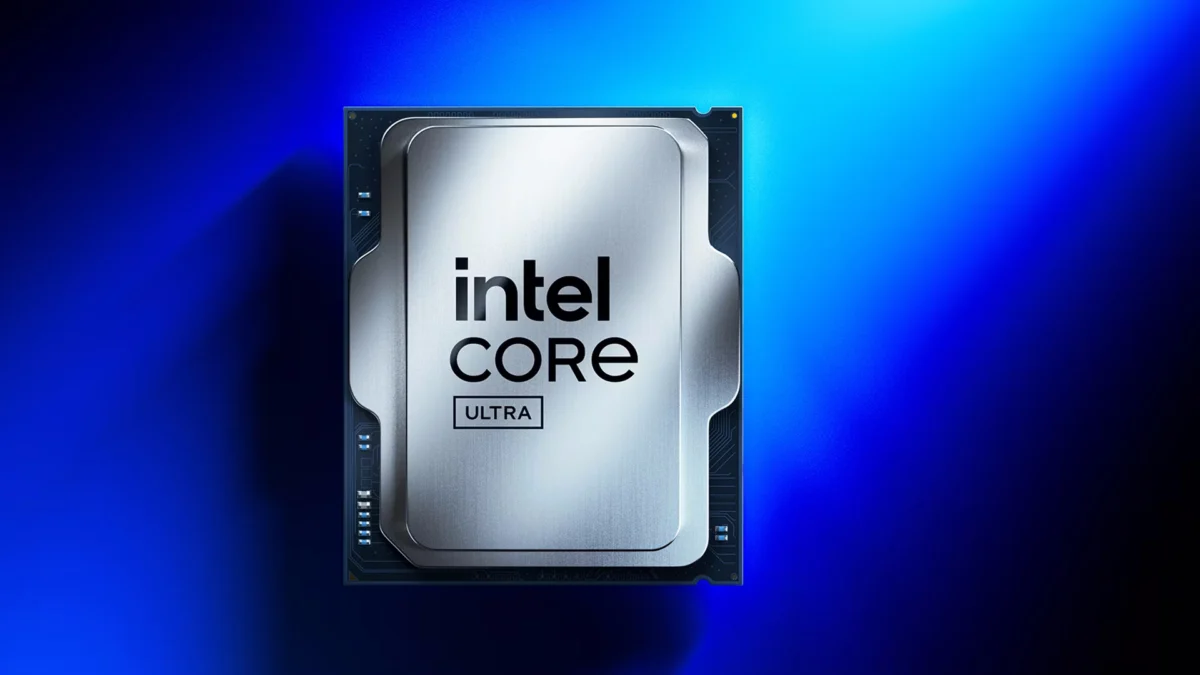
In the high-stakes arena of desktop processor design, Intel is preparing a significant strategic shift. Recent intelligence indicates that the company is developing a new line of "Nova Lake-S" processors, specifically engineered to challenge the long-standing dominance of AMD’s Ryzen X3D series. By integrating a massive "bLLC" (big Last Level Cache) architecture into its mid-range desktop lineup, Intel appears to be pivoting away from raw clock speeds as its primary metric, focusing instead on latency reduction—a move explicitly designed to capture the lucrative gaming enthusiast market.
The Core of the Strategy: Nova Lake-S and the bLLC Architecture
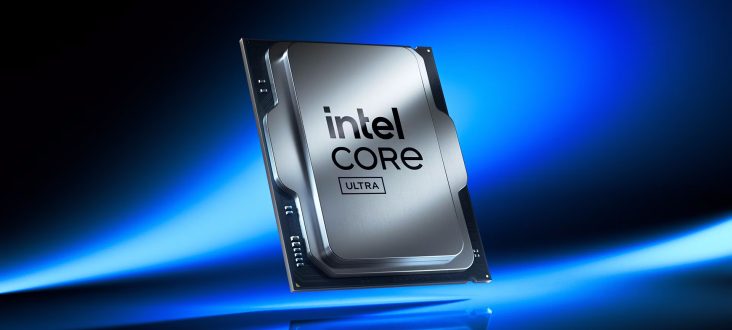
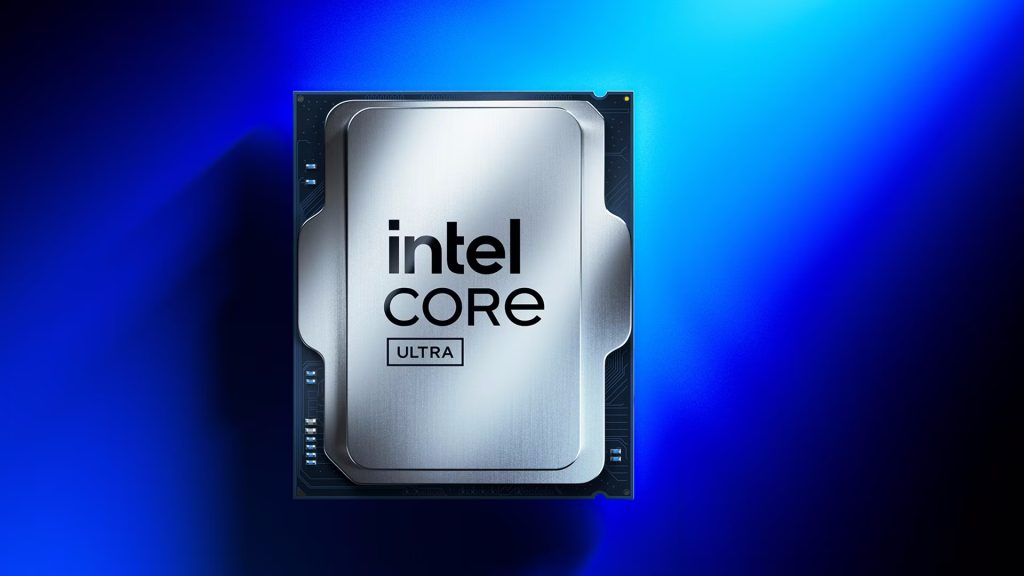
At the heart of the latest leaks, provided by industry insider Jaykhin, are two distinct 22-core configurations within the upcoming Core Ultra 5 400S family. Unlike the multi-tile configurations often seen in high-end workstations, these models utilize a single compute die design. This approach is optimized for mid-range gaming systems, where latency and memory access times are far more critical than extreme core counts.
The architecture is a sophisticated hybrid design:
- 6 "Coyote Cove" Performance (P-Cores): Designed for single-threaded burst performance essential for modern game engines.
- 12 "Arctic Wolf" Efficiency (E-Cores): Providing background task management to ensure the P-cores remain dedicated to gaming threads.
- 4 Low-Power Efficiency (LPE) Cores: Optimized for background OS tasks and idle efficiency.
The defining feature, however, is the 108MB of "bLLC" cache. This massive cache layer serves as a buffer between the processor and the system RAM, minimizing the time the CPU spends waiting for data—the exact bottleneck that AMD solved with its 3D V-Cache technology. By implementing this cache on a single-die design, Intel is attempting to achieve similar latency benefits while maintaining the thermal and manufacturing efficiency required for the mid-range market.
Chronology of a Competitive Shift
The narrative of this development is rooted in Intel’s reaction to the market reception of the Ryzen 7000 and 9000 series X3D processors. For the past several cycles, AMD’s strategy of stacking SRAM vertically on the CPU die has allowed them to command the "Best Gaming CPU" title in almost every independent review, despite Intel holding the edge in multi-threaded productivity tasks.
- Early 2023: The success of the Ryzen 7 7800X3D solidified AMD’s position as the preferred choice for gamers. Intel began internal feasibility studies on how to mitigate the latency advantages provided by large, on-die caches.
- Late 2023 – Early 2024: Intel shifted focus toward the "Nova Lake" architecture, moving away from the legacy monolithic designs of the 12th through 14th Gen chips.
- October 2024: Leaks regarding the Core Ultra 5 400S family confirm that Intel is targeting a specific "mid-range" price bracket to directly combat the value proposition of AMD’s mid-tier X3D offerings.
- Current Status: Technical specifications for the LGA-1954 socket have begun to circulate, indicating that the ecosystem is being built to support not just these mid-range chips, but massive 52-core variants for the high-end enthusiast space.
Supporting Data: Technical Specifications and Power Profiles
The leaked documents highlight a distinct segmentation between the two upcoming Core Ultra 5 400S models. While both share the same core count and cache capacity, their operational profiles target different segments of the PC builder community:
- The Overclocker’s Choice (125W TDP): Positioned within the "K-series" branding, this chip is designed for enthusiasts who intend to push frequency limits. The unlocked multiplier allows for fine-tuning, though early reports suggest thermal management will be a significant challenge given the density of the 22-core die.
- The Efficiency Model (65W Base TDP): This locked variant is clearly aimed at mainstream pre-built systems and SFF (Small Form Factor) builds. By maintaining a lower base TDP, Intel is betting that the efficiency of the "Arctic Wolf" cores combined with the gaming performance of the massive cache will provide the best "performance-per-watt" profile in the current market.
Beyond the specific CPUs, the platform support for Nova Lake-S is expansive. The Z9x0 desktop platform will utilize the new LGA-1954 socket. Perhaps most revealing is the power headroom built into this platform; rumors suggest that high-end, dual-tile configurations could draw up to 474W in PL2 (Power Limit 2) mode. This indicates that while Intel is focusing on efficiency for the mid-range, they are not abandoning the "power-at-all-costs" philosophy for their flagship halo products.
Official Responses and Industry Outlook
Intel has remained characteristically tight-lipped regarding specific, unreleased product architectures. When reached for comment on the "Nova Lake-S" roadmap, a spokesperson reiterated that the company remains "committed to delivering the best-in-class gaming and productivity experiences across the entire Core Ultra portfolio," declining to comment on rumors or leaked specifications.
However, industry analysts suggest that Intel’s move is a defensive necessity. The "gaming crown" has been a vital marketing asset for AMD, influencing not just CPU sales, but also motherboard and memory ecosystem adoption. By introducing high-cache designs at the mid-range level, Intel is attempting to neutralize AMD’s primary competitive advantage before it trickles down further into the budget segment.
Implications: The Future of the Gaming CPU
The move toward massive L3 or "bLLC" caches represents a fundamental change in how desktop processors are being designed. For over a decade, the "gigahertz race" dominated the industry. Today, that race has hit a thermal wall. We are now in the "latency race," where the physical distance between the data and the logic gate is the most important factor in gaming performance.
1. Market Segmentation
If Intel successfully executes this strategy, the traditional "K-series" vs. "Non-K" distinction may become secondary to the "Cache Capacity" distinction. Consumers will likely be asked to choose between standard architectures for general productivity and "Cache-optimized" architectures for gaming.
2. The Thermal Challenge
The jump to a 474W PL2 for the platform is alarming for the cooling industry. High-cache designs are notorious for being heat-sensitive; the cache itself adds a layer of thermal resistance that makes heat dissipation from the compute cores more difficult. The adoption of the LGA-1954 socket suggests a larger Integrated Heat Spreader (IHS), which will be vital for managing these heat densities.
3. Impact on AMD
AMD is unlikely to stand still. With the Zen 5 architecture already in the market, the company is expected to continue iterating on its 3D V-Cache technology. The competition will likely move toward "3D-stacking" efficiency, where the goal will be to provide high-cache performance without the heavy power draw associated with current high-end Intel platforms.
Conclusion
Intel’s reported preparation of the Nova Lake-S processors with 108MB of cache is a clear signal that the company recognizes the shift in the desktop market. The era of pure clock-speed supremacy is fading, replaced by a more nuanced battle over memory architecture and data accessibility. For the average gamer, this competition is ideal: whether the crown belongs to Intel or AMD, the result is faster, more efficient hardware hitting the shelves in the coming months.
As we look toward the launch of the LGA-1954 platform, the focus will shift from the sheer number of cores to the effectiveness of the cache-to-core communication. Intel has a tall task ahead—they must convince a market that has become accustomed to AMD’s cache superiority that their new architecture is the definitive solution for high-fidelity gaming. Whether this strategy will reclaim the performance crown remains to be seen, but one thing is certain: the battle for the desktop CPU throne has never been more intense.


 Muslim
 Rifan Muazin