Rifan Muazin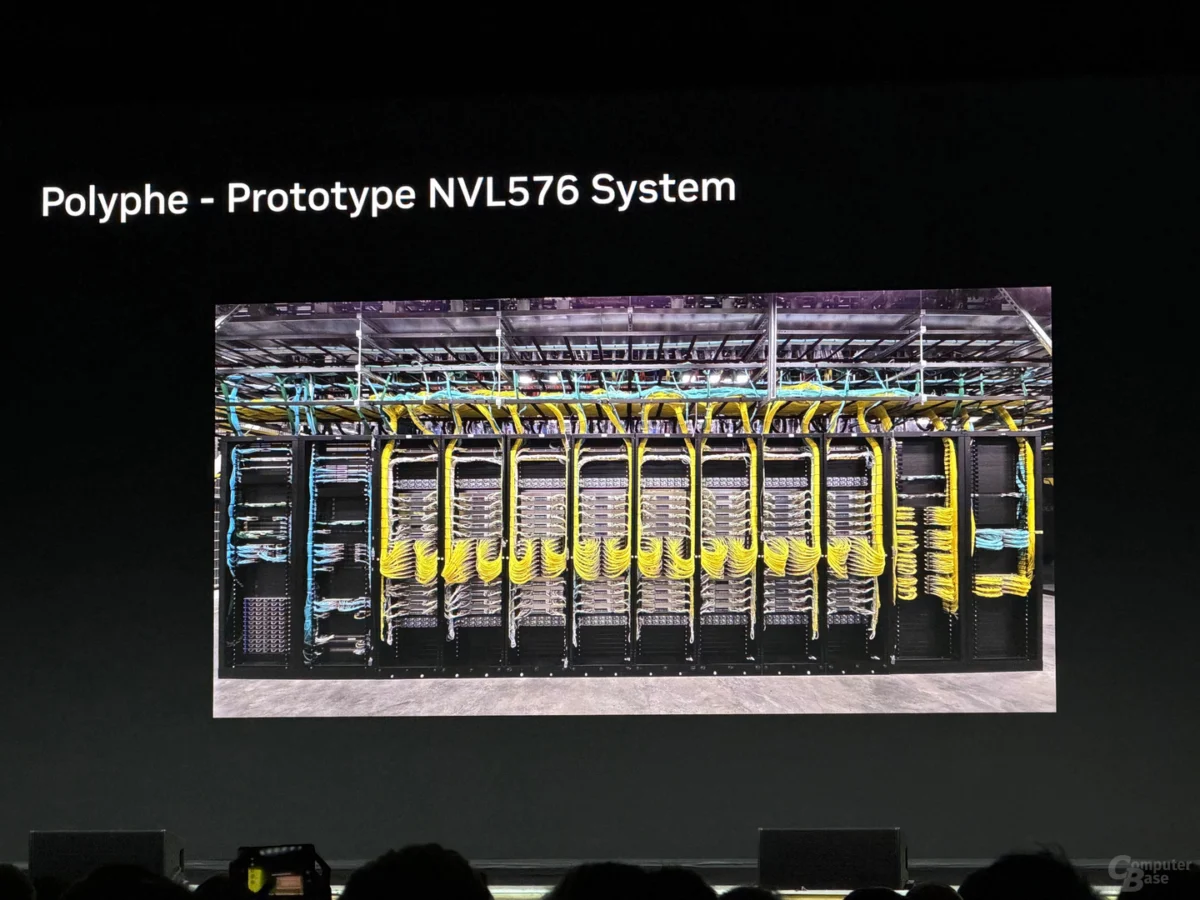
In the high-stakes world of artificial intelligence infrastructure, Nvidia’s ability to deliver hardware at scale is the single most critical bottleneck for the global tech industry. However, recent reports from the supply chain indicate that "Kyber," the company’s ambitious next-generation server rack architecture, is facing significant headwinds. Originally intended to redefine data center density, Kyber is now effectively sidelined for 2027, forcing Nvidia to rely on its legacy "Oberon" architecture for longer than originally planned. At the heart of this disruption lies a marvel of engineering—a 78-layer midplane printed circuit board (PCB)—that has proven far more difficult to manufacture than even Nvidia’s most seasoned engineers anticipated.
The Engineering Challenge: The 78-Layer Midplane
To understand the gravity of this delay, one must look at the structural shift Kyber represents. Current Nvidia deployments, based on the "Oberon" architecture, follow a traditional server layout: individual trays are inserted into a rack and connected via extensive rear-panel cabling. This is standard, reliable, and proven.
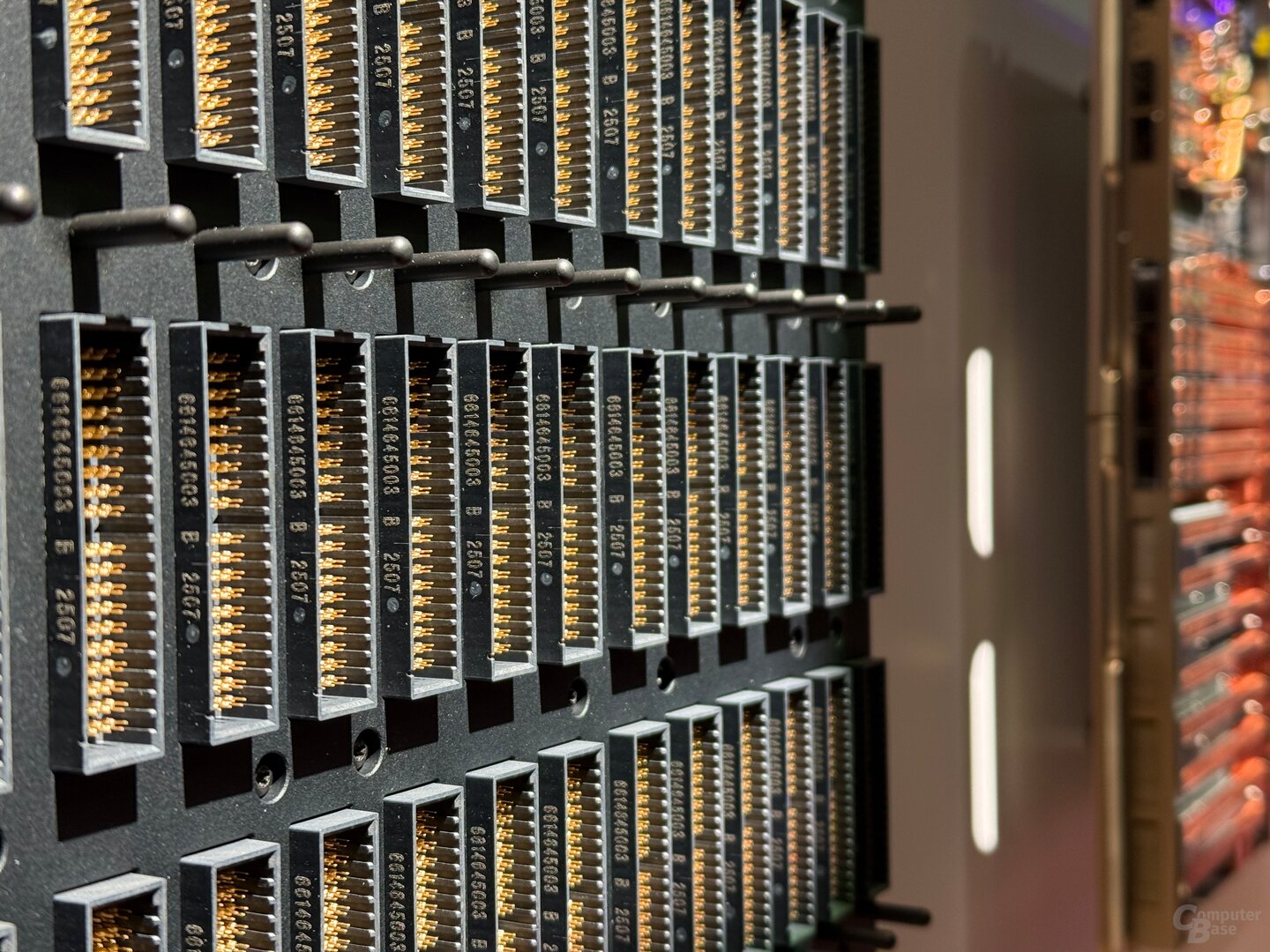
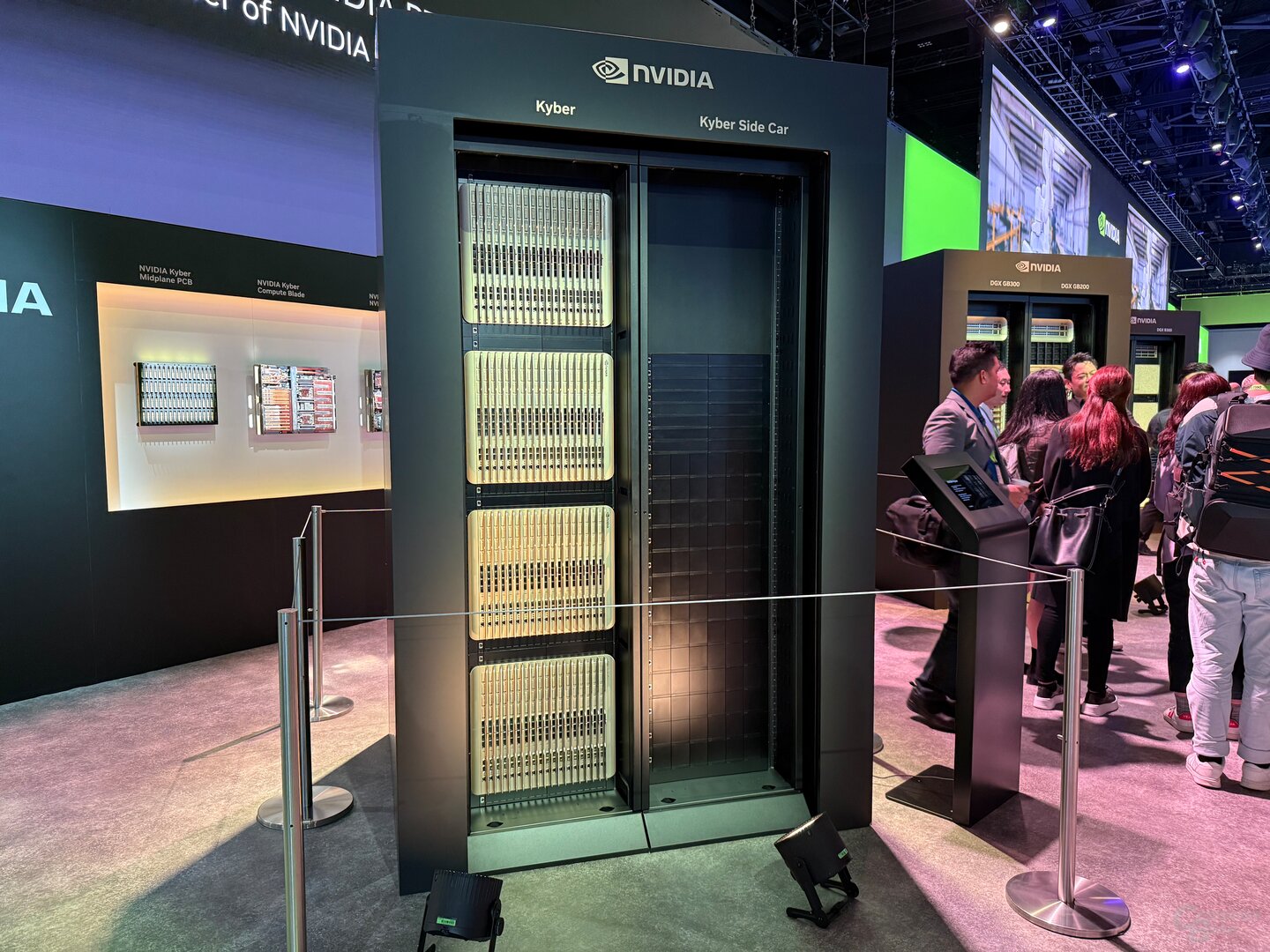
Kyber, by contrast, seeks to abandon this paradigm in favor of a "bookshelf" design. In this setup, compute blades and networking switches are inserted vertically into a massive, central 78-layer midplane PCB from both sides. This central backbone acts as the nervous system of the entire rack, facilitating high-speed data transmission between GPU compute trays and switch modules. By reducing the height of individual trays, Nvidia aims to double the GPU density per rack, creating a "DGX SuperPod in a single rack" effect.

However, the manufacturing of a 78-layer PCB is an unprecedented undertaking. The complexity of routing high-speed electrical signals across such a dense substrate—while maintaining thermal integrity and structural stability—has pushed current manufacturing processes to their breaking point. Yield issues in the fabrication of these boards have become the primary anchor dragging down the entire project timeline.
Chronology of a Delay
The trajectory of the Kyber project has been marked by mounting skepticism throughout 2026.
- March 2026: Nvidia publishes a Datacenter Roadmap that features the 4-tile Rubin Ultra chip and the Kyber rack as the pillars of its upcoming infrastructure strategy.
- June 2026 (Computex): During the Computex trade show in Taipei, whispers regarding manufacturing bottlenecks began to solidify into concrete industry concerns.
- July 2026: Following the formal cancellation of the 4-tile "Rubin Ultra" variant due to insurmountable packaging issues, the death knell for the 2027 Kyber rollout was effectively sounded.
- Present Day: Industry insiders, including analysts and supply chain sources like Ryan Wang, have confirmed that the project has been pushed out of the 2027 window. The current roadmap suggests that the benefits of the Kyber architecture will not be realized until the arrival of the "Feynman" generation.
This shift creates a significant gap in Nvidia’s product cadence. With Rubin Ultra effectively dead in its original form and Kyber delayed, Nvidia must now leverage the Oberon architecture as an interim solution, potentially limiting the performance gains that customers expected from the upcoming generation of AI clusters.

Supporting Data: Why Density Matters
The drive toward Kyber is not merely a design preference; it is a thermal and electrical necessity. As the Total Design Power (TDP) of AI accelerators continues to climb, traditional cabling architectures are becoming obsolete. The electrical resistance and signal latency inherent in long, complex cable runs are unacceptable for the next generation of massive language model (LLM) training.
By moving to a midplane design, Nvidia effectively shortens the "travel distance" for data, reducing latency and energy consumption. Doubling the number of GPUs per rack also allows for more efficient cooling loops, provided the infrastructure can support the massive power draw in a concentrated space. The failure to deploy Kyber on time means that data center operators will have to contend with higher facility overheads to achieve the same compute density, as they will need more Oberon racks to equal the performance of a single, theoretical Kyber rack.
Implications for Co-Packaged Optics (CPO)
The delay of Kyber also has profound implications for the adoption of Co-Packaged Optics (CPO). Nvidia has been actively experimenting with CPO in the Oberon architecture, aiming to replace copper interconnects with optical ones to facilitate massive scale-up.

During the GTC 2026 keynote, CEO Jensen Huang discussed the concept of "NVL576"—a configuration where 576 GPUs are linked into a single, cohesive compute domain. In an ideal scenario, Kyber would have been the chassis to house these massive clusters. However, because current Oberon racks cannot physically house 576 GPUs, the vision of true "Scale-up" (expanding the compute power within a single rack environment) is being blurred by the reality of "Scale-out" (connecting multiple racks).
The prototype "Polyphe" rack, which Nvidia uses to test these optical scale-up capabilities, remains an experimental unit. The inability to move from this prototype to a production-ready Kyber chassis forces Nvidia to maintain the status quo, where the physical boundaries of the server rack dictate the limitations of AI cluster performance.
The Strategic Pivot: Feynman as the New Horizon
With Kyber out of the immediate picture, all eyes turn to the "Feynman" generation. According to the updated internal roadmaps, Feynman is expected to integrate not only the advanced GPU-Die stacking that Nvidia has been championing but also custom High Bandwidth Memory (HBM) and the "Rosa" CPU.
The delay of Kyber serves as a sobering reminder of the "Law of Diminishing Returns" in hardware engineering. While Nvidia has dominated the AI sector by moving faster than its competitors, it is now hitting the physical limits of hardware integration. The 78-layer PCB is a symbol of this boundary: a component so complex that it has forced a trillion-dollar company to adjust its timeline by an entire year.
Conclusion: A Lesson in Complexity
The story of the Kyber rack is one of ambition outpacing manufacturing maturity. Nvidia’s attempt to compress an entire SuperPod into a single rack was a logical step in the evolution of AI infrastructure, but the move to a 78-layer midplane has proven to be a bridge too far for current fabrication techniques.
For the market, the implications are twofold:
- Short-term: Customers will continue to rely on the reliable but less dense Oberon architecture, which may lead to a slowdown in the exponential growth of compute density per square foot in data centers.
- Long-term: The shift toward optical interconnects and more sophisticated rack-level integration is inevitable. Whether through the refined Kyber design or a future iteration under the Feynman umbrella, the industry is moving toward a future where the rack—not the individual GPU—is the primary unit of compute.
As Nvidia navigates these challenges, the tech world will be watching to see if the "Feynman" generation can succeed where Kyber struggled. If the history of the semiconductor industry is any guide, these delays are rarely signs of failure, but rather the "growing pains" of a technological shift that will eventually define the next decade of computing. For now, however, the industry must wait, as the physical realities of 78-layer PCBs and thermal management dictate the pace of progress.

 Reynand Wu
 Basiran