Nana Wu
As Blizzard Entertainment prepares for the launch of Lord of Hatred, the most significant expansion to Diablo 4 since its initial release, the community finds itself at a crossroads. While the expansion promises to redefine the core gameplay loop and expand the narrative tapestry of Sanctuary, the accompanying seasonal update—Season of Reckoning—presents a stark departure from the content-heavy seasons players have grown accustomed to. For those choosing not to purchase the expansion, the upcoming seasonal transition marks a period of consolidation rather than expansion.
The Main Facts: What to Expect from Season of Reckoning
The launch of the Lord of Hatred expansion will occur simultaneously with the rollout of Season 13, officially titled "Season of Reckoning." As has been the standard practice for Blizzard since the inception of Diablo 4’s seasonal model, this update will be available to all players, regardless of whether they have purchased the new premium content. However, the developer has been transparent about the scope of this particular season.
Unlike previous seasonal updates that introduced entirely new mechanics, thematic dungeons, and complex seasonal artifacts, the Season of Reckoning is designed to function as a "light" season. The core focus of the development team has shifted heavily toward the foundational changes brought by the Lord of Hatred expansion, leaving the seasonal framework for base-game players significantly more streamlined.
Players can still expect the traditional seasonal hallmarks: the Season Rank journey, the acquisition of Smoldering Ashes to boost character progression, and the standard seasonal blessing system. Furthermore, the Battle Pass structure remains intact, featuring four distinct Reliquaries—the first of which is free for all players, while the subsequent three are gated behind the premium track. While the "meat" of the gameplay may be thinner than usual, Blizzard has noted that they have increased the density of goals and objectives to ensure players still have a sense of progression.
A Chronological Look at the Transition
The transition into the Lord of Hatred era is a multi-stage process that began with the announcement of the expansion and the subsequent reveal of Season 13.
- Pre-Launch Preparation: Blizzard has officially opened the pre-load window for the Lord of Hatred update. Because of the way the game’s architecture is built, all players must download the massive 3.0.0 patch, which contains the bulk of the expansion’s data regardless of whether the user intends to purchase it. This ensures that the game engine is updated for all users simultaneously, preventing fragmentation across the player base.
- The Launch Window (April 27/28): The official activation of the expansion and the commencement of the Season of Reckoning will occur on these dates. On this day, players will be required to download a secondary, smaller patch (version 3.0.1) to finalize the activation of the seasonal content and any final hotfixes.
- The Road Ahead: Blizzard has publicly stated that this "light" season is a temporary departure from their standard operations. The company has reaffirmed that future seasons will return to the classic, content-heavy format, suggesting that the limited nature of the Season of Reckoning is a strategic decision meant to minimize technical debt during the massive expansion rollout.
Supporting Data: Understanding the Shift
To understand why the Season of Reckoning feels different, one must look at the distribution of resources at Blizzard. Historically, Diablo 4 has followed a strict quarterly cadence. With the release of a major expansion, the development team’s capacity is effectively split between maintaining the base game’s health and building the new zones, classes, and endgame systems found in Lord of Hatred.
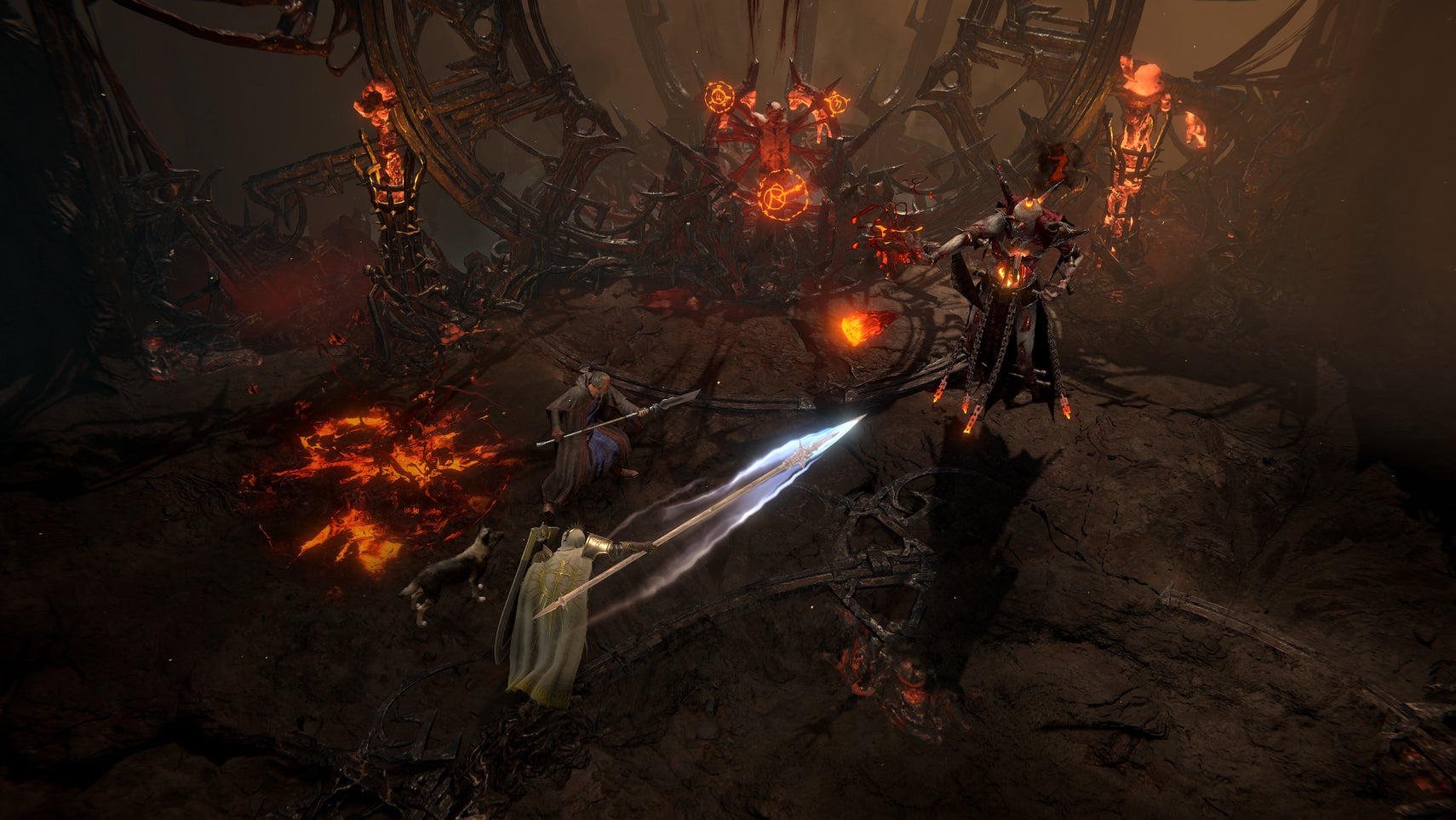
The data indicates that the 3.0.0 patch is one of the most substantial in the game’s history. By including the expansion data in the base patch for all players, Blizzard is ensuring that the multiplayer ecosystem remains unified. Even if a player does not buy the expansion, they will benefit from the backend technical improvements, UI adjustments, and general balance patches included in the 3.0.0 update.
Furthermore, the decision to prioritize "goals and objectives" over "seasonal mechanics" suggests an internal shift toward horizontal progression. By focusing on giving players more things to do (tasks, challenges, and milestones) rather than introducing a temporary gimmick like the Malignant Hearts or Vampiric Powers of past seasons, Blizzard is attempting to keep the player base engaged through structured activity rather than complex, fleeting gameplay systems.
Official Responses and Developer Strategy
Blizzard’s messaging has been consistent: they are fully aware of the community’s expectations. In various forums and developer blogs, representatives have emphasized that the Lord of Hatred expansion is the primary driver of new content for the remainder of the year.
"We want to ensure that the launch of the expansion is as stable and transformative as possible," a representative noted during a recent community briefing. "By streamlining the seasonal content for Season 13, we are ensuring that the development team can focus on the long-term health of the game and the success of the new narrative arc."
This strategy reflects a broader trend in live-service gaming, where the line between "base game" and "expansion" is becoming increasingly blurred. By keeping the base game updated with the expansion’s backend, Blizzard avoids the "dead game" narrative that often plagues titles where non-expansion players are left on an outdated client. However, this comes at the cost of unique, flavor-filled seasonal content for those who do not invest in the premium expansion.
Implications: The Future of the Sanctuary Economy and Meta
The implications for the average player are significant. For those who purchase Lord of Hatred, the Season of Reckoning will likely feel like a secondary feature—a backdrop to the much larger adventure waiting in the new zones. For these players, the expansion’s new systems (such as the updated endgame challenges and class modifications) will be the primary draw.

Conversely, for those who choose to skip the expansion, the Season of Reckoning acts as a "maintenance mode" season. While the core game remains functional and the Battle Pass provides a sense of progression, the lack of a unique seasonal mechanic may lead to lower player retention compared to seasons like the Season of Blood or the Season of the Construct.
The "Free-to-Play" vs. "Expansion" Divide
This setup creates a clear hierarchy in the Diablo 4 experience. Blizzard is effectively incentivizing the expansion purchase by ensuring it is the only place to find truly "new" gameplay innovations. The base game is being positioned as a stable, polished foundation, while the expansion is positioned as the laboratory for future Diablo innovation.
Looking Toward Future Seasons
The confirmation that future seasons will return to the "classic" format is a strategic promise to the player base. It signals that the current lack of seasonal complexity is not a permanent change in philosophy, but a logistical necessity brought on by the size of the Lord of Hatred expansion. Players can expect that after the dust settles from the expansion launch, the development team will once again have the resources to invest in unique seasonal themes and mechanics.
Final Thoughts: Is it Worth the Wait?
As the release date of April 27/28 approaches, players must decide where their investment lies. The Lord of Hatred expansion is clearly designed for those who want to see the narrative of Sanctuary evolve and who desire the most significant shifts in gameplay. For those who are content with the existing structure of Diablo 4, the Season of Reckoning will provide a familiar, if somewhat muted, experience.
Regardless of your decision, the pre-load process is essential. By downloading the 3.0.0 patch, players ensure that they are ready for the upcoming changes, whether they are jumping into the new expansion content or continuing their journey in the base game. As with all live-service updates, the real test will be how the community reacts once the servers go live and the new systems are put through their paces.
For a deeper dive into how these changes affect specific classes and the overall balance of the game, players are encouraged to look toward the official patch notes and independent reviews, such as our comprehensive Lord of Hatred review, which details the expansion’s impact on the narrative, the new mechanics, and the long-term viability of the endgame grind. Sanctuary is changing, and the Season of Reckoning is simply the first step in this new chapter.


 Asro
Asro
 Muslim