Sagoh
Sagoh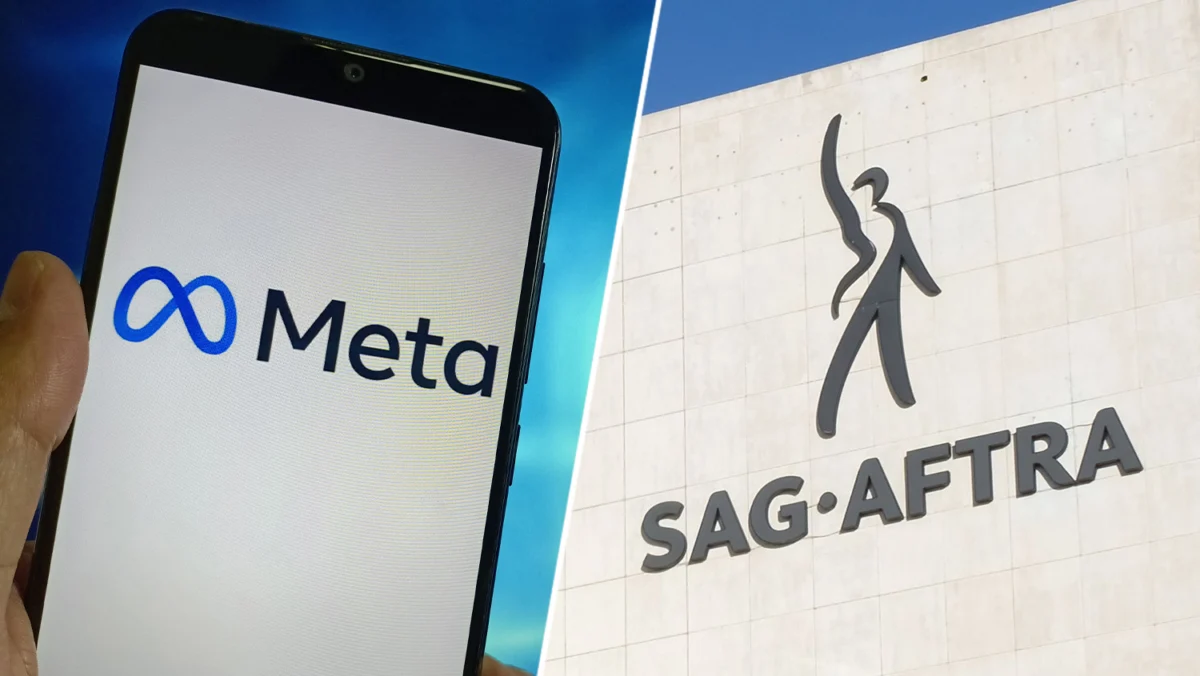
The intersection of generative artificial intelligence and individual digital sovereignty has reached a new, contentious milestone. As Meta rolls out its latest AI-powered image generation tool, "Muse Image," the entertainment industry has erupted in protest. SAG-AFTRA, the union representing over 160,000 performers and media professionals, has issued an urgent advisory to its members, urging them to proactively opt out of the platform’s data-scraping mechanisms to prevent the unauthorized use of their likenesses.
This confrontation highlights a deepening rift between Silicon Valley’s rapid pursuit of generative capabilities and the creative class’s insistence on informed consent. With Muse Image enabling users to leverage public Instagram profiles as raw material for AI "remixes," the debate over who owns the rights to a digital face has moved from theoretical discourse to a pressing, practical crisis.
The Mechanics of Muse: How the Tool Operates
At its technical core, Muse Image represents a significant evolution in how social media platforms integrate generative AI. By allowing users to tag public or unprotected Instagram feeds, the tool ingest existing photography to generate new, AI-derived images or "remixes." Once these images are generated, they frequently circulate online with a sense of permanence, creating a digital footprint that is often difficult to track or retract.
For professional actors, whose livelihood depends on the controlled dissemination and monetization of their image, this feature is viewed as an existential threat. The concern is not merely that an image might be used for harmless social media engagement, but that the underlying data—the unique facial geometry and behavioral markers of an actor—is being harvested to train models that could eventually render human performance obsolete or create non-consensual deepfakes.
A Chronology of the Conflict
The tensions surrounding AI in Hollywood are not new, but the deployment of Muse has brought them to a boiling point.
- Mid-2023 to 2025: The industry grapples with the fallout of the major Hollywood strikes, which centered heavily on the regulation of digital replicas and AI-generated performances.
- March 2026: SAG-AFTRA signals a shift in strategy by endorsing the Trump administration’s AI policy framework, seeking legislative avenues to protect intellectual property and establish parental controls.
- June 2026: The federal government accelerates its oversight, with President Trump signing an executive order requiring AI companies to provide the government with a 30-day review period for new, high-stakes models.
- Early July 2026: Meta officially unleashes Muse Image. The feature is immediately met with skepticism from advocacy groups and talent agencies.
- July 10, 2026: SAG-AFTRA issues a formal statement via social media and its official channels, providing step-by-step instructions for members to navigate Instagram’s privacy settings and opt out of the Muse ecosystem.
The Stance of the Creative Artists Agency (CAA)
The pushback against Meta is not limited to labor unions. The Creative Artists Agency (CAA), one of the most influential talent representations in the world, has emerged as a vocal critic of the current implementation of Muse. In a strongly worded statement, a CAA spokesperson argued that the burden of protection should not fall entirely on the individual creator.
"No one’s name, image, likeness, voice, or creative work should be used by any third party, including AI models, without clear, documented consent," the statement read. The agency further emphasized that true innovation must be measured by how it respects the rights and livelihoods of those who provide the foundational data for AI models.
Notably, CAA’s critique is complicated by its own internal initiatives. The agency has previously rolled out its "AI Vault" program, which seeks to archive member likenesses for authorized use. Critics suggest that this indicates a divide in the industry: a move toward a "walled garden" approach where likenesses are protected by agencies rather than public platforms. CAA counters this, arguing that their model prioritizes creator autonomy, allowing artists to set specific terms, monitor usage, and prevent the exploitation of their brand.
Meta’s Defense: Guardrails and Compliance
In response to the mounting backlash, Meta has taken a defensive posture, characterizing Muse Image as a safe and controlled environment. The company asserts that the tool was built with "strong controls and safety guardrails from day one."
Meta’s official stance highlights three primary safeguards:
- Automatic Exclusions: Private accounts are, by default, exempted from the Muse ingestion process.
- Age Restrictions: Accounts belonging to users under the age of 18 are automatically excluded, an attempt to mitigate concerns regarding the exploitation of minors.
- Opt-Out Mechanisms: Meta emphasizes that for public accounts, the process to opt out requires only "a couple of clicks," suggesting that the platform is offering a sufficient level of agency to its users.
"We will take action against any content that violates our Community Standards," a Meta spokesperson stated. However, this assurance does little to satisfy critics who point out that "Community Standards" are often reactive, whereas the unauthorized ingestion of data is a structural, proactive process.
The Broader Implications for Digital Rights
The conflict over Muse Image is a microcosm of a larger, systemic struggle over the future of digital identity. Several key implications are emerging:
1. The Death of "Public" as "Free-to-Use"
Historically, content posted to a public social media profile was considered fair game for public consumption. AI has fundamentally altered this contract. The industry is now arguing that "publicly accessible" does not equate to "available for commercial training." This legal and ethical distinction is likely to form the basis of future litigation regarding the Fair Use doctrine in the context of machine learning.
2. The Legislative Landscape
SAG-AFTRA’s endorsement of the Trump administration’s AI policy framework marks a departure from traditional industry lobbying. By aligning with a federal approach that emphasizes First Amendment protections alongside intellectual property rights, the union is attempting to build a bipartisan coalition. The goal is to move beyond voluntary corporate "guardrails" toward federal law that mandates transparency, disclosure, and the right of publicity.
3. The "Opt-Out" Burden
There is a growing philosophical objection to the "opt-out" model itself. Privacy advocates and industry experts argue that in an era of complex algorithmic processing, the default should be "opt-in." By forcing users to navigate hidden sub-menus to prevent their likeness from being used, Meta is accused of "dark pattern" design—making it intentionally difficult to exercise rights that should be inherent.
Moving Forward: The Path to Consent
As AI continues to integrate into the fabric of daily life, the tension between technological advancement and individual autonomy will only intensify. For SAG-AFTRA, the priority remains clear: protecting the performer’s ability to control their own brand and livelihood.
The industry is currently waiting to see if Meta will offer further concessions or if the pressure from agencies like CAA and the mobilization of unions like SAG-AFTRA will force a redesign of the Muse tool. For now, the message from the union is one of vigilance. Whether it is through navigating settings menus or participating in legislative advocacy, the era of passive social media participation has ended.
In the eyes of many in Hollywood, the future of creativity depends on one fundamental principle: the creator must remain the ultimate owner of their likeness. If platforms like Meta continue to prioritize the expansion of their AI models over the explicit consent of the people whose faces power them, the relationship between Big Tech and the entertainment industry may be heading toward a permanent, irreparable fracture.
How to Protect Your Likeness (SAG-AFTRA Guidelines)
For those looking to secure their digital presence in the wake of the Muse rollout, the union recommends:
- Regular Audits: Frequently review your platform privacy settings, as default configurations may change during software updates.
- Monitor Activity: Use digital tools to scan for unauthorized uses of your likeness or voice in AI-generated content.
- Documentation: Maintain a record of your digital assets and, where possible, utilize digital watermarking or metadata to assert ownership.
- Collective Action: Continue to support industry-wide efforts to lobby for federal protections, as individual opt-outs remain a temporary fix to a structural problem.
As the industry stands at this crossroads, one thing is certain: the definition of "consent" in the age of AI is being rewritten in real-time, and the performers of today are the primary stakeholders in this high-stakes evolution.


 Nana Wu
 Evan Lee Salim