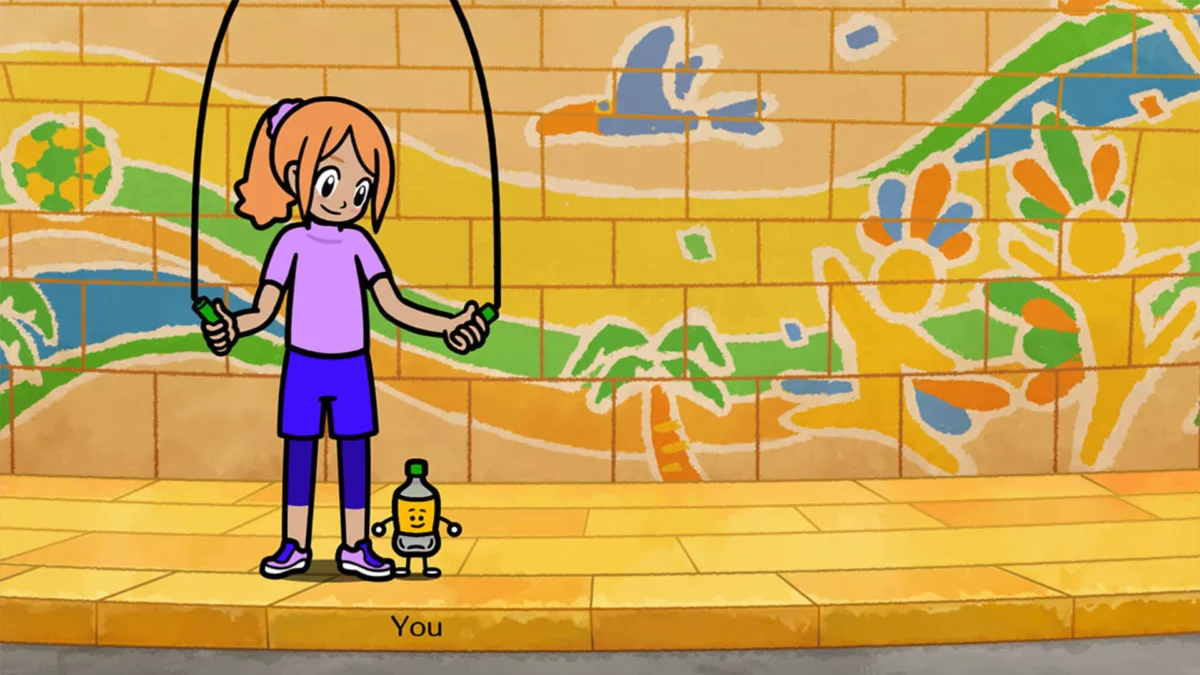
The long-dormant rhythm genre has experienced a seismic shift this week. After a staggering fifteen-year wait for a brand-new, original entry in the beloved series, Rhythm Heaven Groove has officially launched on the Nintendo Switch—and the commercial response has been nothing short of extraordinary.
In its debut week, Rhythm Heaven Groove has cemented its status as the fastest-selling title in the history of the franchise. According to the latest sales data from Famitsu, the game moved a staggering 393,378 physical units in Japan alone. This performance isn’t just an improvement over past iterations; it is a total market dominance, outpacing the second-best-selling game of the week by a margin of over 300,000 copies. This data underscores a powerful sentiment: the appetite for Nintendo’s quirky, high-precision rhythm experience has not waned—it has only intensified during the series’ extended hiatus.
The Chronology of a Comeback
To understand the magnitude of this achievement, one must look at the timeline of the Rhythm Heaven series. Since the debut of Rhythm Tengoku on the Game Boy Advance in 2006, the series became a cult phenomenon, lauded for its minimalist art style and punishingly addictive gameplay. However, the path to Groove was anything but direct.
The series saw consistent releases through the DS and Wii eras, culminating in the 2015 release of Rhythm Heaven Megamix for the Nintendo 3DS. While Megamix was a polished, enjoyable experience, it was largely perceived by the fanbase as a "greatest hits" compilation—a victory lap rather than a true evolution of the franchise. For nearly a decade and a half, fans waited for a fully original successor, enduring rumors, console generations, and the eventual transition of Nintendo’s hardware focus to the Switch.
When Rhythm Heaven Groove was finally unveiled, the anticipation was palpable. The marketing campaign focused heavily on the game’s "flow-state" mechanics and the return of iconic music directors who defined the series’ earlier sound. The release date of July 2026 became a focal point for Nintendo fans, and the resulting sales figures confirm that the "waiting game" strategy—however unintentional—resulted in a massive pent-up demand.
Analyzing the Data: A Market Shift
The Famitsu charts for this week offer a fascinating snapshot of the Japanese gaming landscape. While Rhythm Heaven Groove sits comfortably at the top, the surrounding titles paint a picture of a healthy, diverse market.
Third on the list is Tomodachi Life: Living the Dream, a sequel that has clearly struck a chord with the domestic audience, proving that Nintendo’s "life sim" sensibilities remain a powerhouse. Perhaps more surprisingly, Star Fox 2026 sits in fifth place, trailing the simulation title. This reveals a shift in consumer preference where, at least in the short term, quirky, accessible, and social titles are outperforming traditional high-octane action games.
Further down the charts, the presence of Pokémon Pokopia and Mario Kart World in the 7th and 8th positions highlights the sheer volume of Nintendo-exclusive software currently circulating in the Japanese market. These titles act as an "evergreen" backbone, providing a floor for weekly sales, but Rhythm Heaven Groove represents a unique "event release." The fact that a niche, rhythm-based title could outsell established juggernauts by such a massive margin suggests that the game has successfully reached beyond the core fanbase to capture the interest of casual players looking for the next "must-have" Switch experience.
The Quality Gap: Why Groove Succeeds Where Others Struggle
The success of Rhythm Heaven Groove is not merely a product of brand nostalgia; it is a testament to the design philosophy behind the title. In our official review of the game, we noted that Groove manages to achieve a perfect equilibrium between the simple "tap-to-the-beat" mechanics that made the original titles famous and a new, more complex layer of audio-visual synchronization that utilizes the Switch’s hardware capabilities.

The game’s design team, led by veterans of the original project, focused on "well-balanced progression." In an era where many rhythm games rely on aggressive microtransactions or overwhelming, overly complex track lists, Rhythm Heaven Groove leans into the philosophy of "all good things come to those who wait." Each minigame feels intentional, every beat serves a narrative or comedic purpose, and the feedback loop is as satisfying as it was twenty years ago.
The critical reception has been overwhelmingly positive, with reviewers praising the game’s ability to remain accessible to newcomers while offering enough depth to challenge long-time veterans. This "Goldilocks zone" of difficulty is arguably the primary driver of its word-of-mouth success.
Implications for the Future of Nintendo’s Rhythm Library
What does the record-breaking performance of Rhythm Heaven Groove mean for the future of Nintendo’s output?
First, it validates the strategy of "revival through quality." Nintendo has a massive library of dormant IPs, and for years, there has been speculation about which series would be next. The success of Groove proves that there is significant commercial viability in bringing back legacy franchises, provided the development time is used to polish the experience to a modern standard.
Second, it suggests a potential change in how Nintendo perceives the rhythm genre. For years, the rhythm category was treated as a secondary concern, often relegated to smaller, budget-friendly titles. Rhythm Heaven Groove was marketed as a major, tentpole release, and the sales figures justify this classification. We may see a push for more "rhythm-adjacent" titles or even sequels to other experimental Nintendo franchises in the coming years.
Finally, the success of the game serves as a strong signal to third-party developers. If a niche rhythm game can move nearly 400,000 units in a single week on a single platform, the market for high-quality, rhythm-action hybrids is clearly underserved. This could lead to a surge in creative, mid-budget titles entering the Switch ecosystem, diversifying the platform even further.
A Cultural Phenomenon in the Making
The community response to Rhythm Heaven Groove has been electric. Social media platforms in Japan have been flooded with clips of players attempting (and often failing) to achieve the "Perfect" rating on some of the game’s more devious levels. This cycle of sharing gameplay clips, discussing strategies, and celebrating the "toe-tapping" nature of the soundtrack has created a positive feedback loop that is fueling further sales.
As we look toward the remainder of the year, it will be interesting to see if Rhythm Heaven Groove can maintain this momentum. While the first week is always the strongest for physical sales, the game is uniquely positioned to remain a "slow burner" that players return to for short bursts of play. Its structure is perfectly suited to the "pick-up-and-play" nature of the Nintendo Switch, ensuring that it remains a staple in households for months, if not years, to come.
In conclusion, Rhythm Heaven Groove is more than just a game; it is a masterclass in how to revive a legacy IP. By respecting the foundation laid by its predecessors while introducing enough modern flair to remain relevant, Nintendo has reminded the industry that quality, timing, and a deep understanding of one’s core audience remain the most powerful tools in game development. For the fans who waited fifteen years, the wait has officially ended—and it was worth every second.