

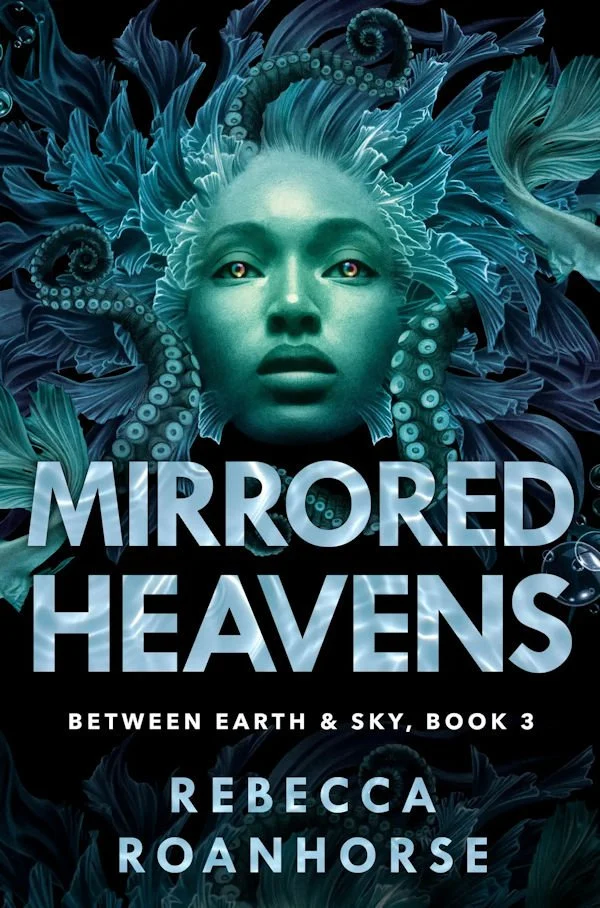
Spoiler Warning: This analysis contains significant spoilers for the entirety of the "Between Earth and Sky" trilogy, including "Black Sun," "Fevered Star," and "Mirrored Heavens." Reader discretion is advised.
In the rapidly evolving landscape of contemporary speculative fiction, few works have achieved the atmospheric gravity and structural ambition of Rebecca Roanhorse’s Between Earth and Sky trilogy. Two years following the conclusion of the series with Mirrored Heavens, the cultural impact of Roanhorse’s narrative—a sweeping, pre-Columbian-inspired epic—remains strikingly relevant. While the fantasy genre is often saturated with derivative retellings, Roanhorse has crafted a masterclass in worldbuilding and character-driven stakes that demands a permanent place in the canon of 21st-century literature.
The Core of the Meridian: A Summary of the Conflict
The trilogy centers on the continent of Meridian, a land defined by its rigid, sky-focused religious hierarchies and the burgeoning resentment of those marginalized by its political structures. At the heart of the conflict are four distinct clans—Carrion Crow, Winged Serpent, Water Strider, and Golden Eagle—whose fragile peace is shattered by the machinations of gods, priests, and ambitious sorcerers.
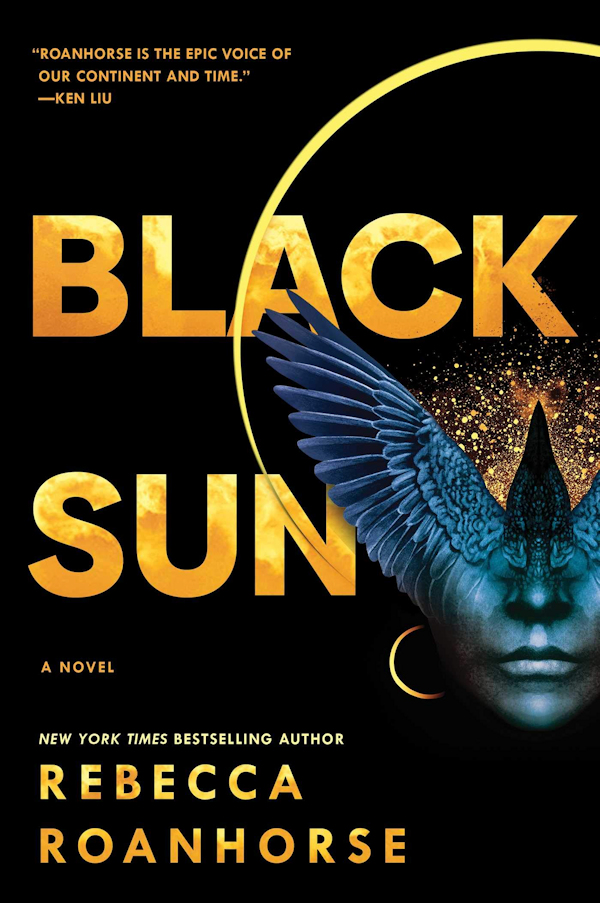
The narrative arc begins in Black Sun with the convergence of four primary perspectives upon the holy city of Tova during the winter solstice. Naranpa, the Sun Priest, finds herself the target of a brutal coup, while Serapio, a man molded into a living weapon by a blood ritual, arrives to exact vengeance on behalf of the Crow god. Alongside them, the Teek sea captain Xiala and the noble Okoa find their fates irrevocably tied to the shifting tides of power. What follows is not merely a tale of war, but an exploration of the price of divinity and the catastrophic fallout when ancient treaties are severed by human and celestial greed.

Chronology of an Apocalypse
The progression of the trilogy moves from the localized political tremors of Black Sun to the continent-spanning, apocalyptic fallout of the subsequent novels.
- The Eclipse (Black Sun): The series hinges on the winter solstice, a sacred event that becomes the stage for Serapio’s assault on the Watchers. The death of the council, combined with Naranpa’s internal betrayal by her confidant, Iktan, results in a permanent eclipse and the collapse of the existing political order.
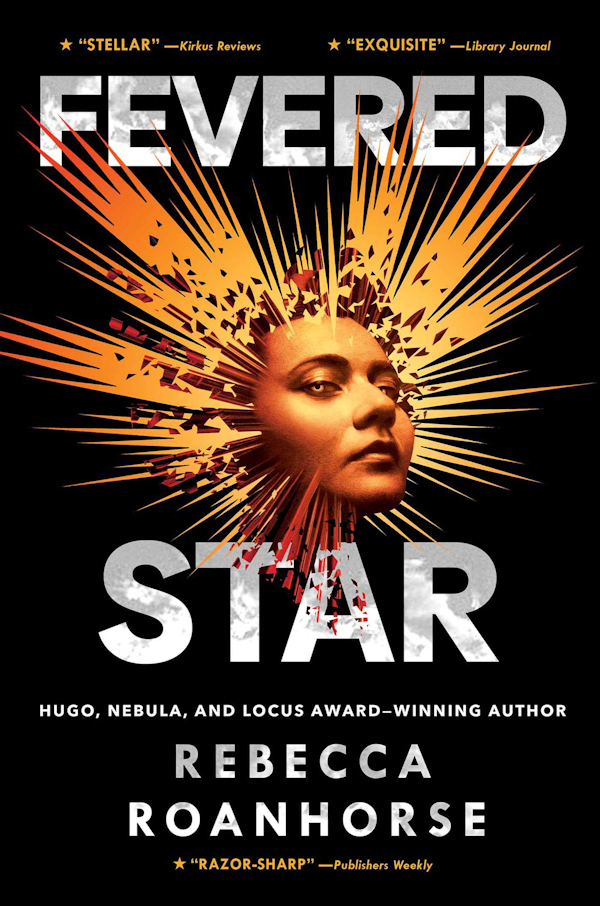
- The Scattering (Fevered Star): In the aftermath, the protagonists are separated. Xiala’s odyssey leads her through the machinations of the sorcerer Balam, eventually returning her to the Teek homeland where she assumes a reluctant role as queen. Simultaneously, Serapio, saved by the intervention of crows, assumes the mantle of the "Carrion King," leading a shattered Tova while struggling to suppress the vengeful god residing within him.
- The Reckoning (Mirrored Heavens): The conclusion sees the convergence of all threads. The true antagonist, Balam—a white jaguar prince—is revealed as the architect of the chaos, having manipulated the political landscape for decades to create a power vacuum. Through Naranpa’s evolution into a "god-touched" dreamwalker and the uneasy alliance between Okoa and Serapio, the trilogy resolves its complex web of coincidences, providing a definitive, albeit bittersweet, end to the era of the clans.
Analytical Deep Dive: The Mechanics of the Narrative
The Architecture of Coincidence
One of the most impressive features of Roanhorse’s writing is her treatment of "destiny." In many fantasy series, the "chosen one" trope serves as a crutch; in Between Earth and Sky, it serves as a trap. The protagonists are constantly funneled toward one another not by fate, but by the calculated manipulations of the previous generation. By highlighting this, Roanhorse allows her characters to express a form of metacognition—they know they are being moved like pieces on a board, and their struggle to reclaim agency from their elders provides the emotional core of the series.
Characterization and Voice
Roanhorse’s ability to maintain distinct, recognizable voices across multiple point-of-view chapters is nothing short of exceptional. Whether it is the sardonic wit of Xiala, the pious anxiety of Naranpa, or the icy, calculated cruelty of the antagonist Balam, the characters possess a level of internal consistency that transcends the plot.
A masterclass in character work is found in the interactions between Xiala and Naranpa. Their relationship is grounded in realistic, interpersonal friction—quipping about the superstitions of sailors or navigating the vulnerability of new romance—which prevents them from falling into the "strong female character" archetype trap. They are messy, prideful, and deeply human, even when navigating the impossible demands of godhood.
The Antagonist’s Shadow
The reveal of Balam as the series’ true villain serves to recontextualize the entire narrative. Throughout the first two books, the reader is led to believe that the conflict is one of clashing ideologies or divine destiny. Balam’s emergence as a power-hungry sorcerer who weaponized the insecurities of the younger generation transforms the story into a cautionary tale about the cycles of generational trauma and political exploitation. His dialogue is dripping with a condescending, refined malice that makes him one of the most effective villains in modern fantasy.
Supporting Data: The Impact on the Fantasy Community
Since the release of Mirrored Heavens, critical discourse has centered on Roanhorse’s departure from Eurocentric fantasy norms. By grounding her world in the aesthetic and cultural foundations of pre-Columbian Americas, she creates a landscape that feels inherently fresh to the genre.
Data from reader forums and literary review platforms suggests that the series has become a gold standard for "high-stakes, low-info-dump" worldbuilding. Unlike series that rely on encyclopedic appendices, Roanhorse integrates the history of the clans, the mechanics of their shadow magic, and the nuances of the celestial hierarchy through organic dialogue and character observation. This approach ensures that the reader never feels distanced from the stakes, as every piece of lore revealed is tethered directly to the character’s immediate survival.
Implications for Future Literature
The success of Between Earth and Sky carries significant implications for the future of the genre.
- De-centering the Western Canon: The series serves as a commercial and critical proof-of-concept that fantasy does not need to rely on the familiar tropes of medieval Europe to be successful or "epic."
- The Evolution of the "Redemption Arc": The series also sparks necessary debate regarding redemption. While many readers praised the series, the handling of Iktan’s redemption arc remains a point of contention. It challenges authors to consider whether all characters, particularly those who commit acts of betrayal or narcissism, are truly entitled to or capable of redemption within the span of a three-book arc.
- The Demand for Sustained Worldbuilding: Roanhorse has created a universe that readers are loath to leave. The clamor for prequels, short stories, or spin-offs suggests that the "trilogy" format, while satisfying in its completion, may be too short for the appetite of modern audiences when the worldbuilding is this robust.
Conclusion
Rebecca Roanhorse has solidified her status as a titan of modern fantasy. Between Earth and Sky is a triumph of narrative discipline—a series that balances the grand scale of religious war with the intimate, quiet moments of human connection. It succeeds because it respects the reader’s intelligence, refusing to rely on lazy exposition or predictable tropes, and instead trusting the reader to navigate the complex, shadowed morality of the Meridian.
As we look at the legacy of this series, it is clear that its primary contribution is not just the story it tells, but the standard it sets. For any aspiring author or dedicated fan of the genre, the trilogy is not merely a "TBR" entry; it is an essential text for understanding how the next generation of fantasy can be both ancient in its inspiration and revolutionary in its execution. Whether or not Roanhorse returns to the Meridian, the path she has cleared for the genre is both wide and brilliantly lit.











No comments yet. Be the first to join the conversation!