Suro Senen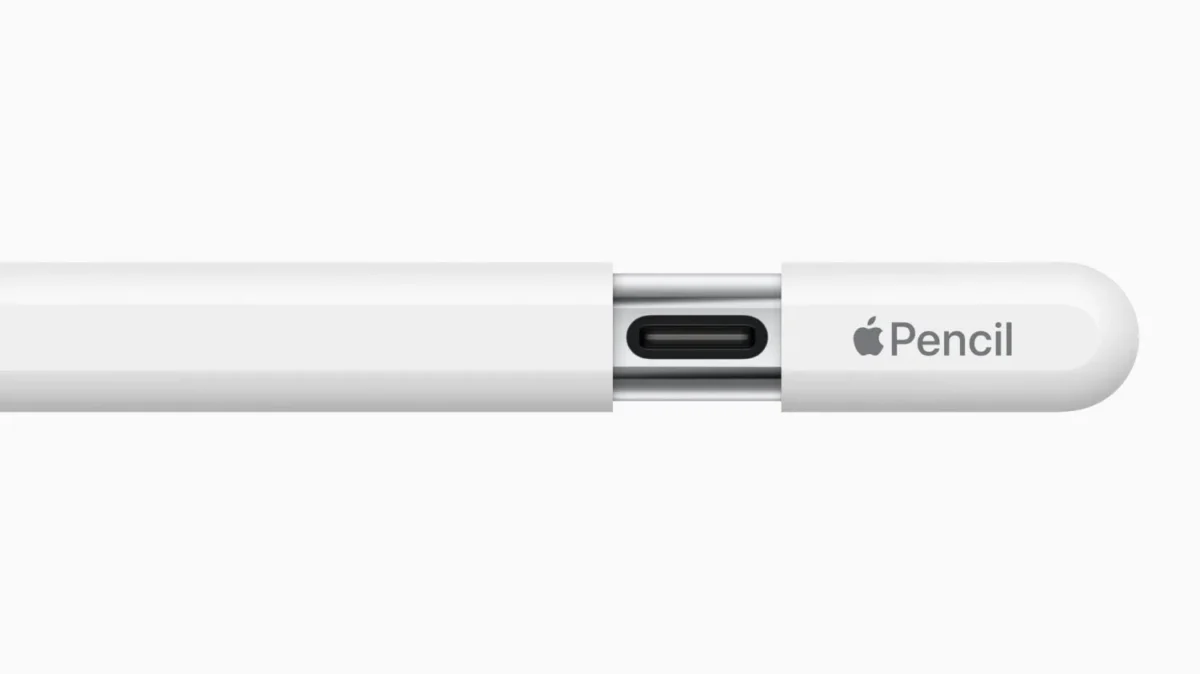
In a strategic shift likely dictated as much by European Union legislative mandates as by consumer demand, Apple is reportedly preparing a significant overhaul of its stylus accessory lineup. According to recent reports from Bloomberg’s Mark Gurman, the tech giant is developing new iterations of the Apple Pencil—including updates to both the USB-C model and the high-end Apple Pencil Pro—slated for a spring 2027 launch. These accessories are expected to debut alongside a new generation of iPad Pro models, marking a pivotal transition in how Apple approaches product longevity and repairability.
The core of this redesign centers on the internal architecture of the stylus. While current iterations of the Apple Pencil are marvels of modern engineering, they are notoriously difficult to service, relying heavily on internal adhesives that effectively "seal" the device upon assembly. The upcoming 2027 models are expected to feature revamped battery systems, specifically engineered to facilitate user-replaceable components, bringing Apple into compliance with stringent new EU battery regulations.
The Regulatory Catalyst: Understanding Article 11
The driving force behind this hardware pivot is the European Union’s Batteries Regulation, specifically Article 11. While the legislation was adopted in 2023, its provisions are set to become legally binding in February 2027, creating a hard deadline for manufacturers selling electronic goods within the European Economic Area (EEA).
Article 11 mandates that portable batteries in appliances must be "readily removable and replaceable by the end user" during the product’s lifecycle. The regulation is designed to combat electronic waste, ensure consumer autonomy, and facilitate a circular economy where devices are not discarded simply because their power cells have reached the end of their chemical lifespan.
For years, Apple—alongside much of the consumer electronics industry—has prioritized thin, lightweight, and waterproof designs, which have historically necessitated the use of adhesives and integrated, non-removable power cells. The transition to a modular battery design represents a significant engineering challenge, particularly for devices as compact as a stylus.

A Chronology of Apple’s Stylus Evolution
To understand the magnitude of this shift, one must look at the evolution of the Apple Pencil, which has transformed from a niche professional tool into an essential accessory for the modern iPad experience.
- September 2015: Apple introduces the first-generation Apple Pencil alongside the original iPad Pro. It features a unique Lightning connector hidden under a magnetic cap, allowing for a somewhat clunky charging method directly from the iPad’s port.
- November 2018: The second-generation Apple Pencil arrives, introducing magnetic attachment and inductive wireless charging on the side of the iPad. This eliminated the need for a physical port on the stylus, significantly improving the user experience but further complicating repairability.
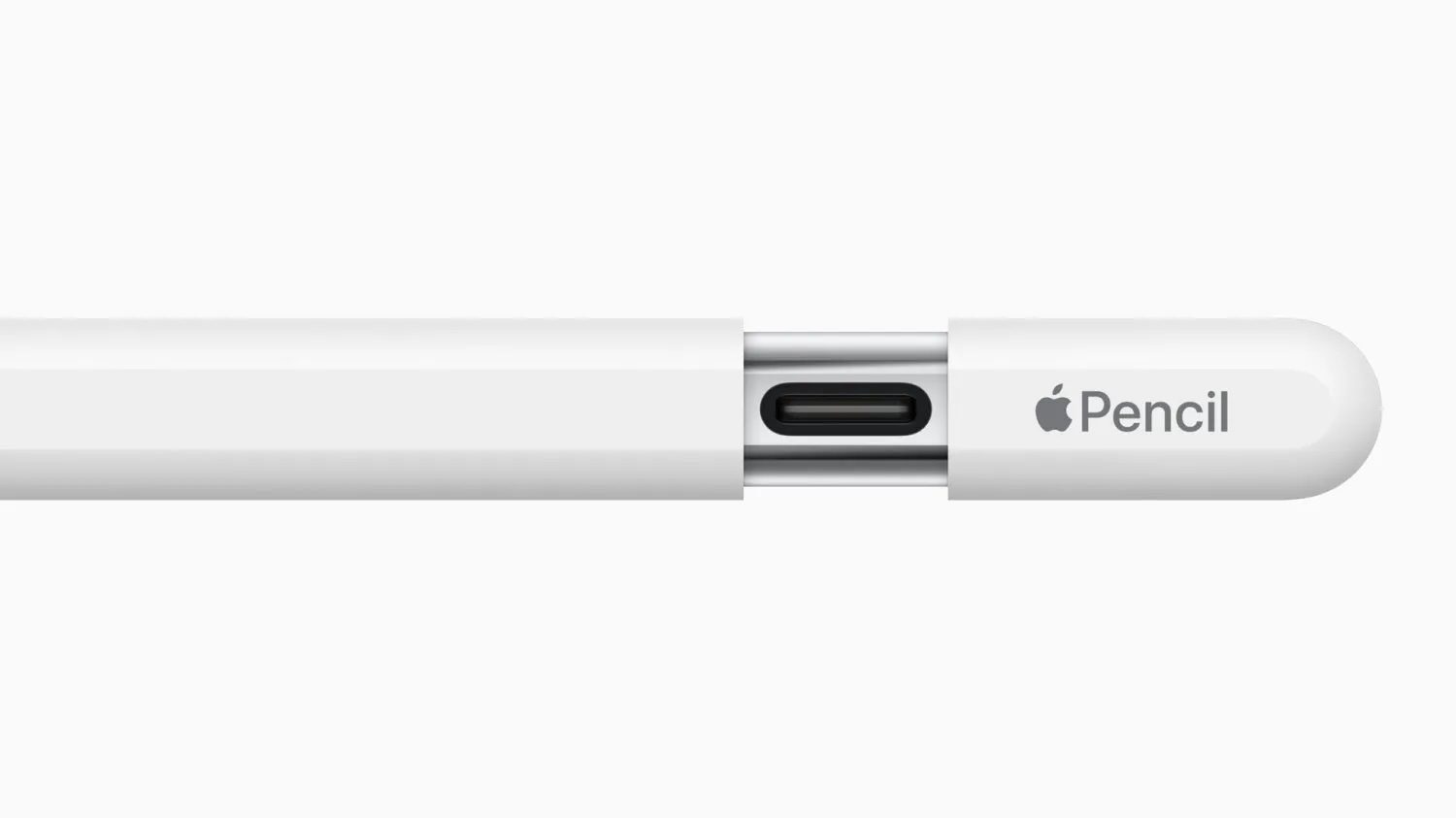
- November 2023: Apple launches the Apple Pencil (USB-C). While more affordable, it shifts back to a wired charging method to accommodate the hardware changes in the refreshed entry-level iPad lineup.
- May 2024: The Apple Pencil Pro is unveiled, boasting advanced features like haptic feedback, "squeeze" gestures, and Find My integration. It remains the gold standard for digital artists.
- Spring 2027 (Projected): Apple is expected to release the next-generation Pencil lineup. These models are widely anticipated to be the first to move away from glued-in battery designs to satisfy EU compliance.
Technical Implications: Engineering for Modular Design
The current Apple Pencil architecture is a testament to the "glue-and-seal" philosophy. Because there is no user-accessible port or hatch, the internal battery is housed in a rigid chassis secured by industrial adhesives. If a user’s battery health declines, the device is essentially a paperweight; the cost of a "repair" is effectively the cost of buying a new unit, as Apple’s service process involves a complete replacement of the accessory.
The Challenge of Miniaturization
Engineering a user-accessible battery compartment into a tool as thin as a pencil is a non-trivial task. Engineers must balance several competing requirements:
- Structural Integrity: The device must remain durable enough to withstand the pressure of daily writing and drawing.
- Size Constraints: With limited internal volume, a mechanical latch or screw-on cap for a battery adds bulk that could make the device feel clunky or unbalanced.
- Water and Dust Resistance: Moving parts are natural entry points for debris and moisture. Maintaining an IP-rated seal while allowing user access will require innovative materials and gasketing.
Industry analysts speculate that Apple might utilize a "twist-and-lock" mechanism at the top of the stylus or a proprietary, tool-free access port that allows the battery cell to slide out. This would mirror some of the design philosophy seen in the "Self Service Repair" program, but with a simplified, user-friendly interface.
The Broader Impact on the Apple Ecosystem
While the Apple Pencil is the focus of this immediate shift, it serves as a "canary in the coal mine" for the rest of Apple’s product portfolio. The EU regulation applies to a wide range of portable electronics, creating a cascading series of compliance hurdles for the company.
The AirPods Dilemma
Perhaps the most significant challenge for Apple lies in its audio division. AirPods, like the Apple Pencil, are currently sealed units. The lithium-ion batteries inside these devices have a limited life, and the current design makes replacement nearly impossible for the average consumer. If the EU enforces the "removable battery" requirement strictly for small wearables, Apple may have to rethink the very concept of the wireless earbud. Some industry experts suggest this could lead to larger, more modular designs, or perhaps a pivot toward a leasing model where Apple handles the circular recycling of the units.
Competitive Dynamics and Pricing
The shift toward repairability may also alter the retail landscape. Currently, the "planned obsolescence" of sealed batteries encourages frequent hardware upgrades. If users can simply replace a $20 battery rather than purchasing a $129 Apple Pencil Pro, the long-term revenue model for accessories may change. However, Apple may justify a higher initial price point for the new models, reflecting the added complexity of the modular, repair-friendly design.
Official Responses and Industry Outlook
Apple has historically been cautious about publicly discussing regulatory compliance until it is ready to launch the affected hardware. However, in the context of its broader "Apple 2030" environmental goal—which aims for carbon neutrality across the entire business—the company has signaled an increased interest in design for disassembly.
In previous regulatory filings, Apple has argued that making devices thinner and more tightly integrated actually contributes to environmental sustainability by reducing the total material weight and the need for frequent replacements. However, the EU’s firm stance on the "Right to Repair" has clearly necessitated a shift in this narrative.
"We are committed to building products that last," a spokesperson noted in a past, unrelated statement regarding repairability. "We continue to work with regulators to ensure our products not only meet the highest standards of safety and performance but also align with the sustainability goals of the markets in which we operate."

Conclusion: A New Era of Hardware Design
The upcoming 2027 Apple Pencil refresh represents more than just an update to a stylus; it represents the start of a new era in consumer electronics. The transition from the "sealed-box" philosophy to a "modular-design" mindset is a direct response to a global trend toward corporate accountability regarding e-waste.
For the end user, the result will likely be a more sustainable, longer-lasting, and ultimately more economical accessory. For Apple, the challenge will be maintaining the premium aesthetic and performance that users expect, while adhering to the technical constraints of a world that is increasingly demanding the right to repair its own technology. As we look toward 2027, the industry will be watching closely to see how effectively Apple can marry its design-first ethos with the practical realities of a new regulatory landscape.