Basiran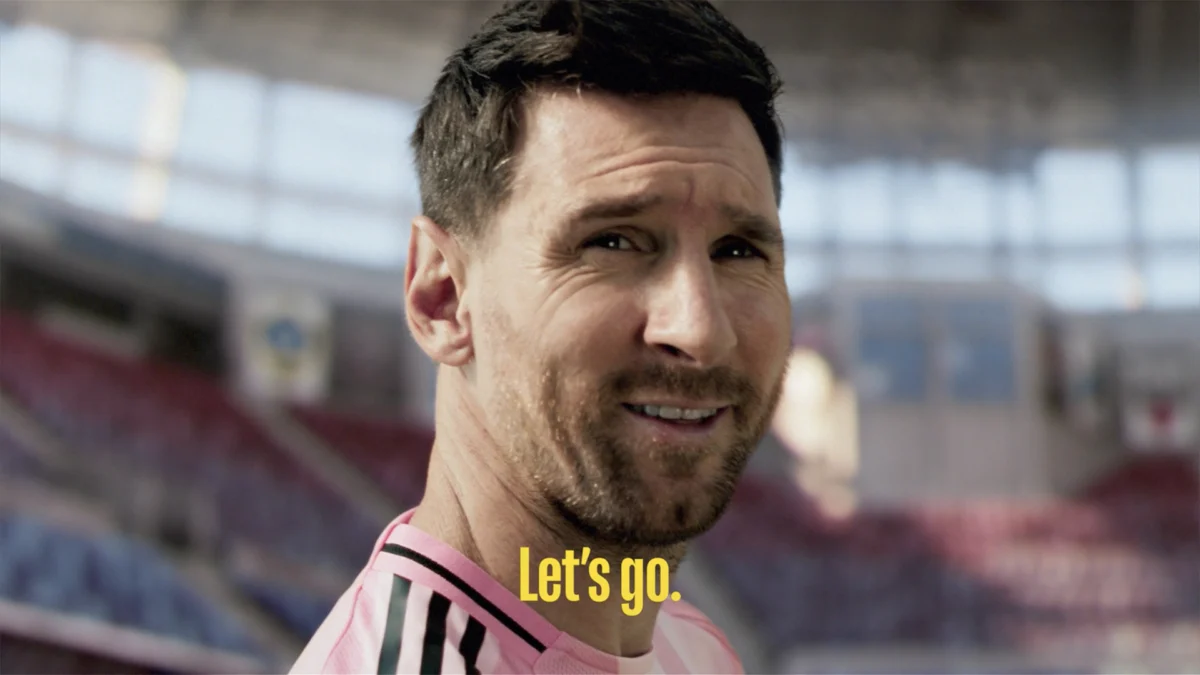
As the final whistle approaches for the 2026 FIFA World Cup, a tournament that has redefined the North American sporting landscape, Major League Soccer (MLS) is preparing for its most consequential pivot in its 33-year history. The league has officially unveiled the largest coordinated marketing campaign since its inception, a multi-platform, high-octane effort designed to capture the millions of casual observers currently swept up in the global frenzy and convert them into permanent, match-going club supporters.
The campaign, anchored by the provocative and audacious tagline, “Thanks World, We’ll Take It From Here,” represents a bold declaration of intent. It is a signal to the global soccer community that while the international tournament may be a fleeting highlight, the future of the sport in the United States and Canada lies in the week-to-week grind of the MLS season.
The Strategy: Bridging the Global and the Local
The central challenge for MLS executives has always been the "tourist fan"—the viewer who tunes in for the spectacle of the World Cup but disconnects from the sport once the trophy is hoisted. This time, the league is banking on a combination of cultural saturation and celebrity influence to break that cycle.
Leveraging the Power of Icons
The campaign leans heavily into the star power of the league’s most recognizable faces. By featuring Inter Miami’s global icon Lionel Messi alongside LAFC’s clinical striker Son Heung-Min, the league is tapping into established global fandoms. But the marketing isn’t limited to the pitch. The campaign integrates the league’s high-profile ownership group, featuring figures who bridge the gap between sports, Hollywood, and global culture: David Beckham, Matthew McConaughey, Magic Johnson, and Kevin Durant.
By utilizing these cultural heavyweights, MLS is repositioning itself not just as a sports league, but as an entertainment destination. The message is clear: if you love the drama of the World Cup, you belong in the stands of an MLS stadium.
Chronology: From 1994 to the New Frontier
To understand the magnitude of this moment, one must look at the historical trajectory of soccer in the United States.
- 1994: The Genesis: The 1994 FIFA World Cup served as the catalyst for the birth of MLS. It was a grassroots effort, a league built on hope and a small but passionate base of "soccer purists."
- 2007: The Beckham Effect: The arrival of David Beckham in Los Angeles shifted the league’s perception, proving that global superstars could indeed find a home in North America.
- 2023: The Messi Revolution: The signing of Lionel Messi by Inter Miami propelled the league into the mainstream conversation, driving subscription numbers for Apple TV and forcing non-soccer fans to take notice.
- 2026: The Transformation: The current tournament has achieved what no previous iteration could: it has dominated the cultural zeitgeist. With viewership numbers for matches like the Mexico-England clash—which pulled in over 44 million viewers across platforms—the league is no longer a niche product.
The current campaign is the culmination of this three-decade arc, shifting the league from a "startup" mentality to a "major league" challenger.
Supporting Data: The Metrics of Potential
The numbers backing this campaign are staggering. The 2026 World Cup has provided a "ratings bonanza" for broadcasters like Fox and Telemundo, with match figures consistently rivaling NFL viewership.
The Conversion Engine
MLS is deploying a two-pronged attack to turn these massive television audiences into physical ticket holders:
- The "First Match on Us" Promotion: Twenty-two of the league’s 30 clubs are offering free tickets to new fans, effectively removing the barrier to entry and allowing the atmosphere of a live stadium to do the selling.
- Cultural Integration: The league has partnered with Amazon Music to release a modern, high-energy cover of the Tribe Called Quest classic, "Can I Kick It?" Produced by the legendary DJ Premier and featuring breakout talent Samara Cyn, the track is designed to make the league’s brand synonymous with contemporary music and urban culture.
These initiatives are backed by a sophisticated distribution strategy. The campaign will saturate Apple TV—the league’s primary broadcast partner—alongside a massive push on linear television, social media, and out-of-home advertising in all 30 MLS markets.
Official Responses: The Leadership Perspective
For the executives at the helm of MLS, this is a "defining moment." Radhika Duggal, the Chief Marketing Officer of MLS, emphasized that the campaign is designed to be an invitation rather than a lecture.
"The FIFA World Cup is going to bring millions of new fans into the game, and our job is to make sure their soccer journey doesn’t end when the tournament does," Duggal told The Hollywood Reporter. "This campaign is about showing people that there’s a club, a community, and a story waiting for them every week in MLS. We’re meeting fans through culture, music, and entertainment, making it easy to discover the league, whether that’s on Apple TV or at their local stadium."
Camilo Durana, the Executive Vice President and Chief Business Officer, added: "At a defining moment for soccer in North America, MLS is turning global excitement into lasting engagement and connection. As the World Cup inspires new fans, our clubs and communities are ready to welcome them as the season resumes and the next chapter of their soccer journey begins with MLS."
The Implications: A Shift in the Sporting Hierarchy
The success of this campaign carries significant implications for the American sporting landscape. For years, soccer has fought for "parity" with the traditional "Big Four" leagues (NFL, NBA, MLB, NHL). By leveraging the massive influx of capital, infrastructure, and interest generated by the 2026 World Cup, MLS is attempting to leapfrog that parity phase and establish itself as a primary pillar of the American entertainment economy.
Challenges Ahead
Despite the optimism, the league faces structural hurdles. The "World Cup effect" is notoriously difficult to sustain. Casual fans often follow specific players rather than league narratives. If Messi retires or if Son moves back to Europe, the league must ensure that the brand of MLS—the local community, the rivalry, the stadium experience—is strong enough to hold the attention of the fans who were initially drawn by the stars.
Furthermore, the league must continue to improve the quality of play to satisfy fans who have been exposed to the highest level of global football during the World Cup. The transition from "the league where stars go to retire" to "the league that produces and nurtures talent" is the final, crucial step in this transformation.
The Road to 2027 and Beyond
As the campaign launches during the World Cup semifinals, the timing is surgical. By capturing the audience at the height of their excitement, the league is attempting to turn a transient wave of interest into a permanent tide. If successful, the "Thanks World" campaign will be remembered as the moment Major League Soccer transitioned from a domestic curiosity into a true global powerhouse, fundamentally altering the fabric of North American sports culture forever.
The strategy is ambitious, the marketing is aggressive, and the opportunity is unprecedented. As the league looks to the future, it is clear that MLS is no longer asking for a seat at the table—it is looking to host the party.


 Siti Muinah
 Lina Hope