Muslim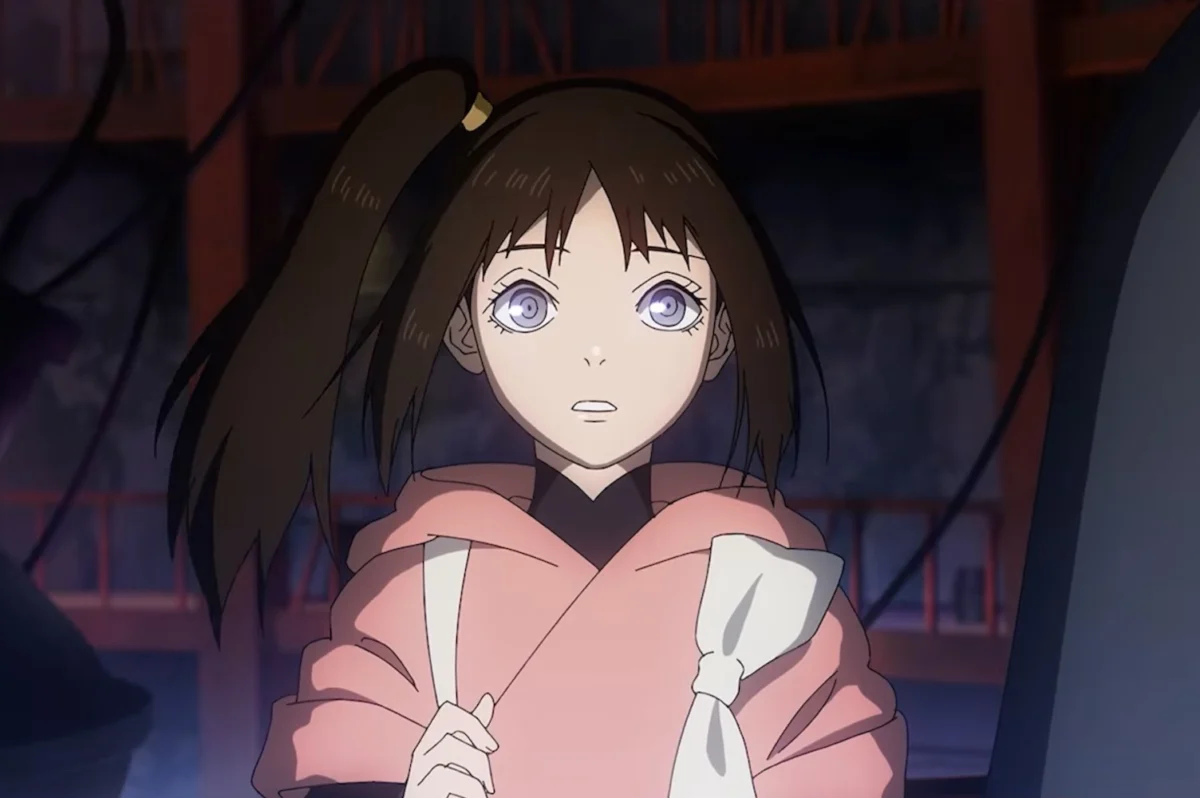
The Star Wars universe is poised for a significant expansion, not through a traditional live-action series, but through the ambitious continuation of one of the most critically acclaimed entries in the franchise’s history. Disney+ has officially announced that Star Wars: Visions, the celebrated anthology series that explored the galaxy far, far away through the lens of diverse animation studios, is spawning a direct sequel series: Star Wars: Visions Presents—The Ninth Jedi.
This project breathes new life into the narrative established by the fan-favorite short film "The Ninth Jedi," which debuted in the first volume of the anthology. The upcoming series promises to dive deeper into a future where the traditional power structures of the Force have crumbled, offering a fresh, visually distinct perspective on what it means to be a Jedi.
Main Facts: A New Chapter for Lah Kara
The heart of the new series remains the story of Lah Kara, a compelling protagonist introduced in the original short. Kara is the daughter of a legendary lightsaber smith, a figure whose craftsmanship is as pivotal to the story as the Force itself. Her journey began in the shadow of tragedy, following her father’s abduction by nefarious Jedi hunters.
In the original short, and its subsequent follow-up, The Ninth Jedi—Child of Hope, audiences witnessed Kara’s desperate search for her father while navigating a treacherous landscape populated by Sith remnants and lethal mercenaries. Under the tutelage of the mysterious Jedi Master Margrave Juro, Kara began to embrace her potential. The new series, The Ninth Jedi, is set to pick up where these adventures left off, further fleshing out the complexities of her training and the mystery surrounding the long-lost Jedi Order.
Chronology: The Far-Future Context
To understand the stakes of The Ninth Jedi, one must consider its placement within the vast Star Wars timeline. Unlike the central Skywalker Saga, this series is set in the distant future—an era described as a "post-Jedi and post-Sith" landscape.
In this timeline, the ancient war between the light and dark sides has faded into myth. The institutions that once governed the galaxy have collapsed, leaving behind a power vacuum where the Force is no longer a tool of organized religions, but a forgotten, often misunderstood relic. This allows the creative team to strip away the baggage of existing canon, presenting a "blank slate" where the rules of the Force can be reimagined.
The narrative flow of the series will track Kara’s evolution from an orphan seeking her heritage to a central figure capable of reigniting the spark of the Jedi. By focusing on the "far future," the series creators are unburdened by the constraints of established lore, allowing for a creative freedom that has historically defined the Star Wars: Visions project.
Supporting Data: Lightsabers and the Heart’s Reflection
One of the most intriguing elements highlighted in the series trailer is the departure from traditional lightsaber mechanics. In the established Star Wars canon, lightsaber blade color is typically determined by the Kyber crystal’s alignment with the Force or the wielder’s connection to it.
In The Ninth Jedi, however, the technology—or perhaps the spiritual resonance—of the blades is fundamentally different. As the trailer makes clear, the blades wielded by Kara and her allies possess a reactive quality: they shift in color to reflect the internal state and purity of the user’s heart. This visual metaphor serves as a powerful narrative device, suggesting that in this future era, the "will of the Force" is inextricably linked to the emotional integrity of the individual. It removes the distinction between "good" and "evil" crystals and places the burden of morality directly onto the wielder.
Production and Creative Vision
The series is helmed by director Shunsuke Tada, with a script penned by Mitsuyasu Sakai. Their collaboration is aimed at maintaining the high-octane, emotionally resonant aesthetic that made the original short a standout success. The series is produced with a global audience in mind, offering both dubbed and subtitled versions to ensure accessibility.
The voice cast is equally impressive, bridging the gap between Japanese animation traditions and English-language accessibility. The original Japanese cast features:
- Chinatsu Akasaki as Lah Kara
- Tetsuo Kanao as Juro
- Hiromu Mineta as Ethan
- Hinata Tadokoro as Homen
- Cho as Gramps
- Shinichiro Miki as Lah Zhima
- Akio Otsuka as The Narrator
The English-dubbed version boasts a star-studded lineup designed to resonate with international fans:
- Kimiko Glenn (Lah Kara), Andrew Kishino (Juro), Masi Oka (Ethan), Patrick Seitz (Homen), JP Karliak (Gramps), Simu Liu (Lah Zhima), Neil Kaplan (The Narrator), Feodor Chin (Gennoh), Young Mazino (Nawaam), Chase Sui Wonders (Tafflah), and Keone Young (Kwana).
Official Responses and Industry Reception
Industry analysts have pointed to The Ninth Jedi as a potential turning point for how Lucasfilm handles its intellectual property. By selecting a successful anthology short and expanding it into a full series, Disney is adopting a "proof-of-concept" strategy. This minimizes the risk associated with new, unproven narratives while capitalizing on the existing goodwill toward Star Wars: Visions.
"The beauty of this project lies in its willingness to experiment," notes animation industry critic Elena Vance. "By allowing creators like Tada and Sakai to take the core elements of the Jedi mythos and transplant them into a far-future, culturally distinct setting, Lucasfilm is acknowledging that the Star Wars brand is strong enough to survive—and thrive—when taken outside the comfort zone of the Skywalker family tree."
There has been no shortage of enthusiasm from the fan community as well. Since the trailer drop, social media discourse has centered on the "heart-reflecting" lightsaber mechanic, with many fans speculating on how this will impact future duels and the philosophical underpinnings of the series.
Implications: A New Era for Animated Storytelling
The implications of The Ninth Jedi are twofold. First, it marks a formal commitment by Disney to support non-traditional Star Wars stories. For years, the franchise was largely tethered to the history of the Republic, the Empire, and the First Order. The Ninth Jedi signals that the future of the franchise may lie in these "sideways" expansions—stories that exist in the fringes of the timeline, unconcerned with the grand political machinations of the galaxy.
Second, the success of this series could set a precedent for the Visions brand. If The Ninth Jedi proves to be a hit with both critics and subscribers, it is highly probable that other popular shorts from the anthology could receive similar treatments. This could effectively turn Star Wars: Visions into a "testing ground" for future high-budget live-action or animated projects.
Furthermore, the integration of high-profile actors such as Simu Liu into the English-dubbed cast demonstrates that Disney is viewing these projects with the same level of prestige as their core streaming series like The Mandalorian or Ahsoka. This is no longer just "side content"; it is a vital pillar of the modern Star Wars identity.
Looking Toward August 5th
As the premiere date of August 5th approaches, the anticipation is palpable. For viewers, The Ninth Jedi represents a chance to engage with the Force in a way that feels fresh, dangerous, and emotionally honest. The series is not just about lightsabers and space battles; it is about the legacy of a belief system and the lengths one woman will go to restore hope to a galaxy that has long since forgotten how to dream of a better future.
Whether you are a lifelong fan of the franchise or a newcomer intrigued by the unique, anime-inspired aesthetic, The Ninth Jedi is shaping up to be one of the most significant releases on the Disney+ calendar this year. As Kara picks up her father’s blade and prepares to face the shadows of the past, the audience is invited to join her on a journey that promises to redefine the boundaries of the Star Wars universe.
The series will be available for streaming exclusively on Disney+ and Hulu beginning August 5th.

 Laily UPN
 Evan Lee Salim